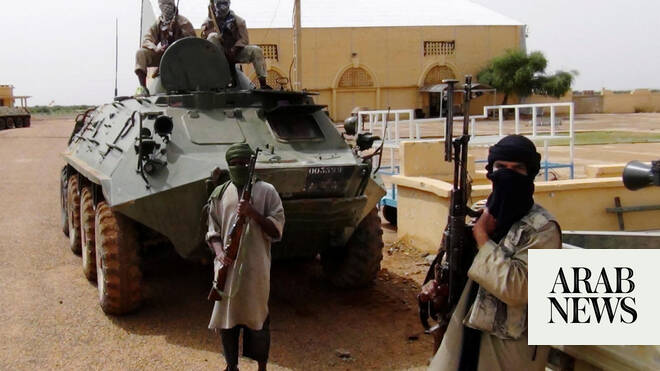
DAKAR: The meetings have become routine. Every few months, jihadists in Mali affiliated with Al-Qaeda summon the men of Poutchi to a mud-brick mosque to collect tax on their crops and cattle, and later distribute food, medicine and animals to the poor.
Five years ago, the same militants threatened to slit the throat of anyone in Poutchi — including the imam — who questioned their interpretation of Islam, recalls Amadou, a herder who lives in the village by the Niger River.
“Now, they don’t talk like that,” Amadou said, describing how the militants focused more on spreading their religious message without threats or violence. “The dynamic has really changed.” The jihadists are from Jama’at Nusrat Al-Islam wal Muslimin (JNIM), a group that pledged allegiance to Al-Qaeda when it was founded in 2017 and has spent the last decade imposing itself through fear and force across the Sahel region of West Africa, banning music, smoking and wedding celebrations as it goes.
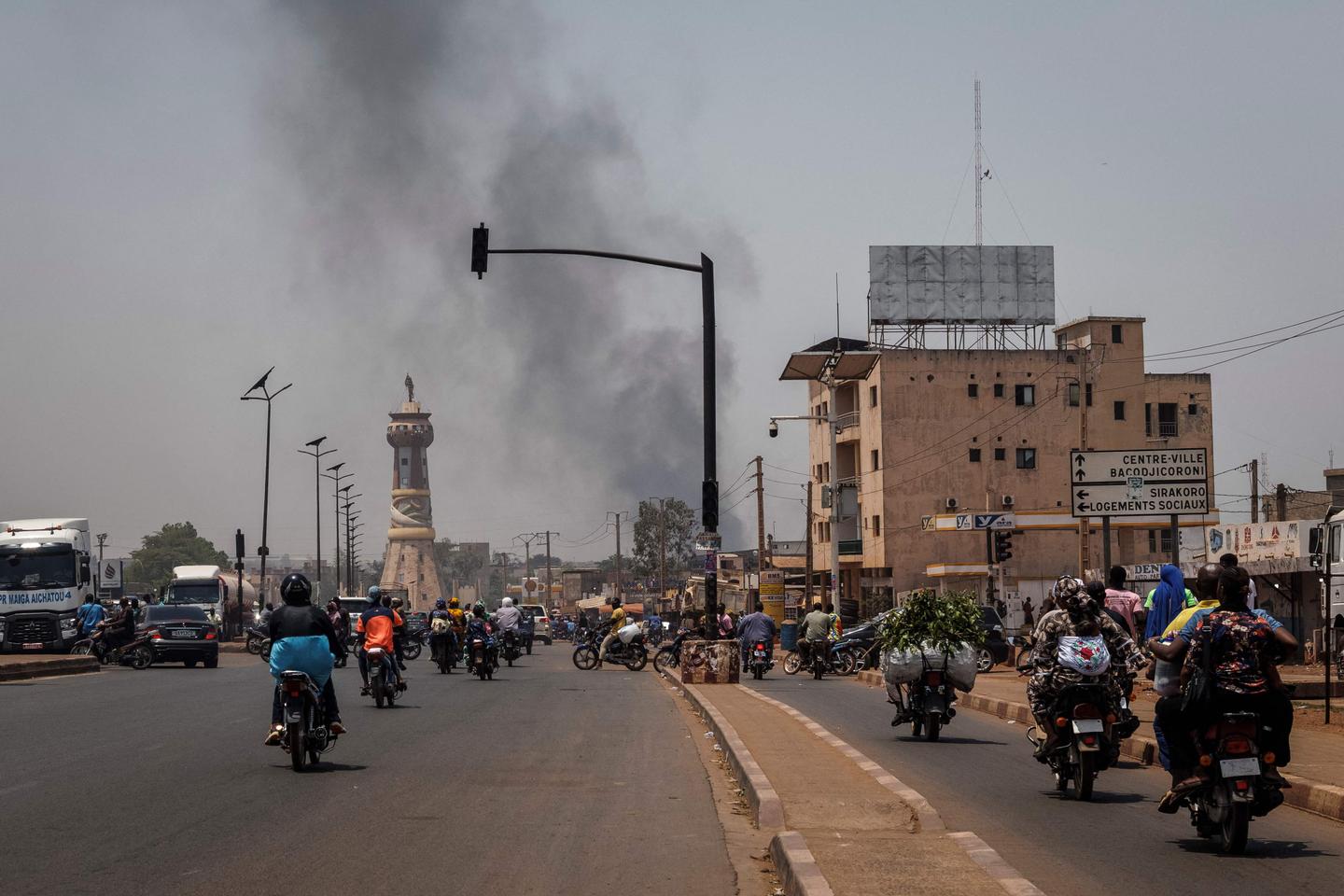
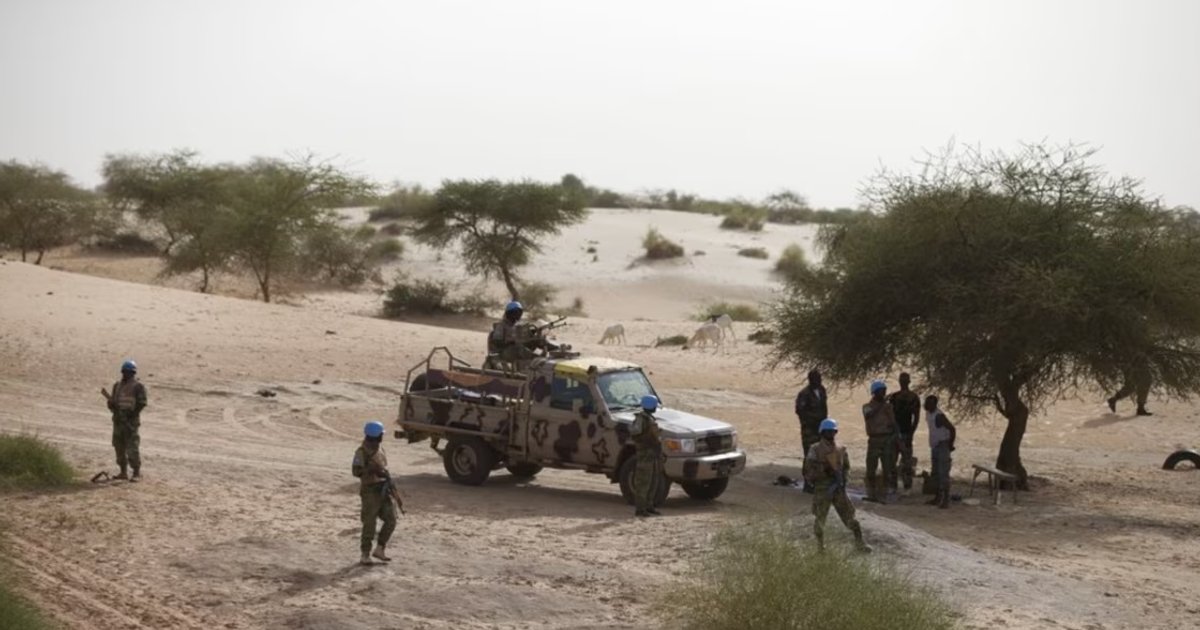
Initially confined to desert and mountain hideouts, JNIM has gained in strength since the Malian army officers who seized power in 2020 kicked out some 15,000 French and UN soldiers and turned to Russian mercenaries to help keep the insurgents in check. JNIM demonstrated its newfound power with audacious attacks across Mali in April, hitting the airport in the capital Bamako, killing the defense minister and seizing a string of army bases in the north in coordination with Tuareg-led separatists. Mali’s government describes both groups as terrorists responsible for violence and instability in the country. Moscow has pledged to continue fighting insurgents in Mali. Yet the jihadist group now sits at the heart of an expanding belt of militants aligned with Al-Qaeda and Islamic State stretching 3,000 km (1,900 miles) across West Africa. UN Secretary-General Antonio Guterres warned in November that the groups were linking up and presented a growing global threat.