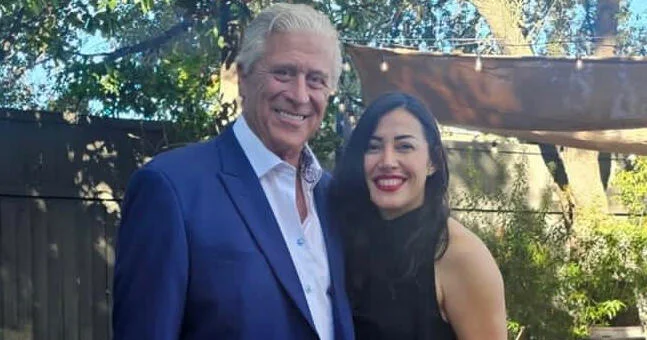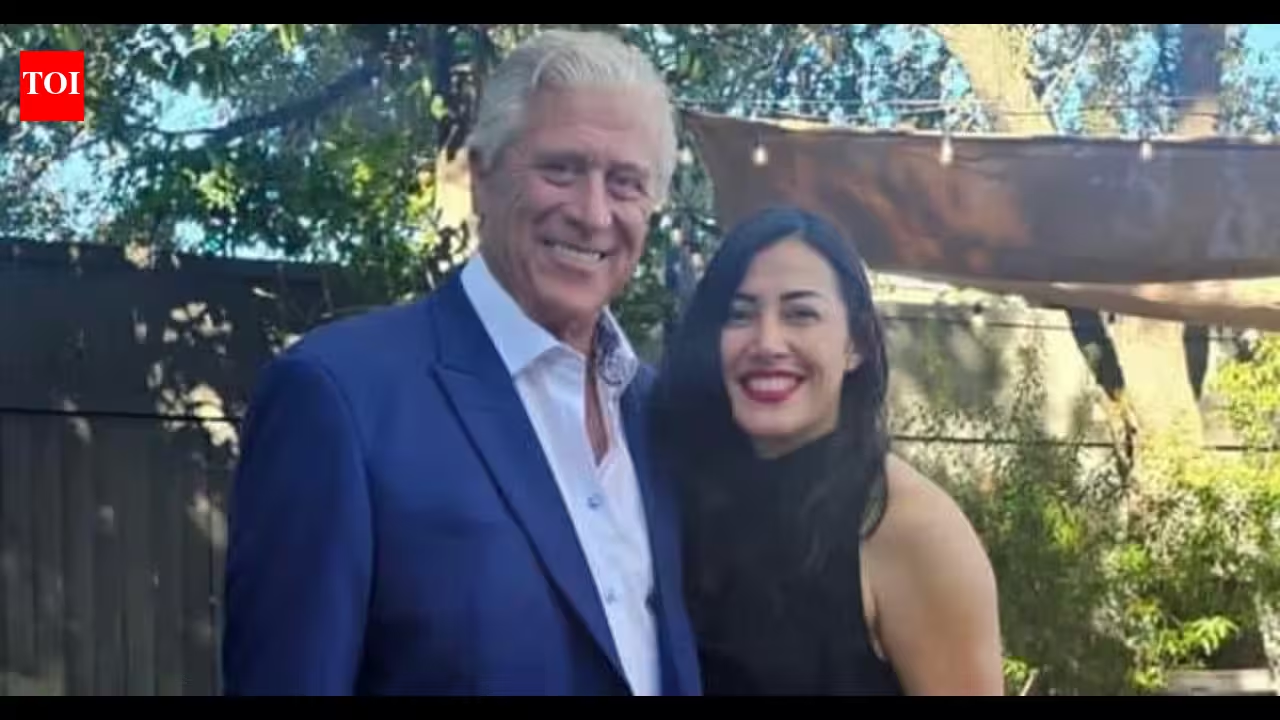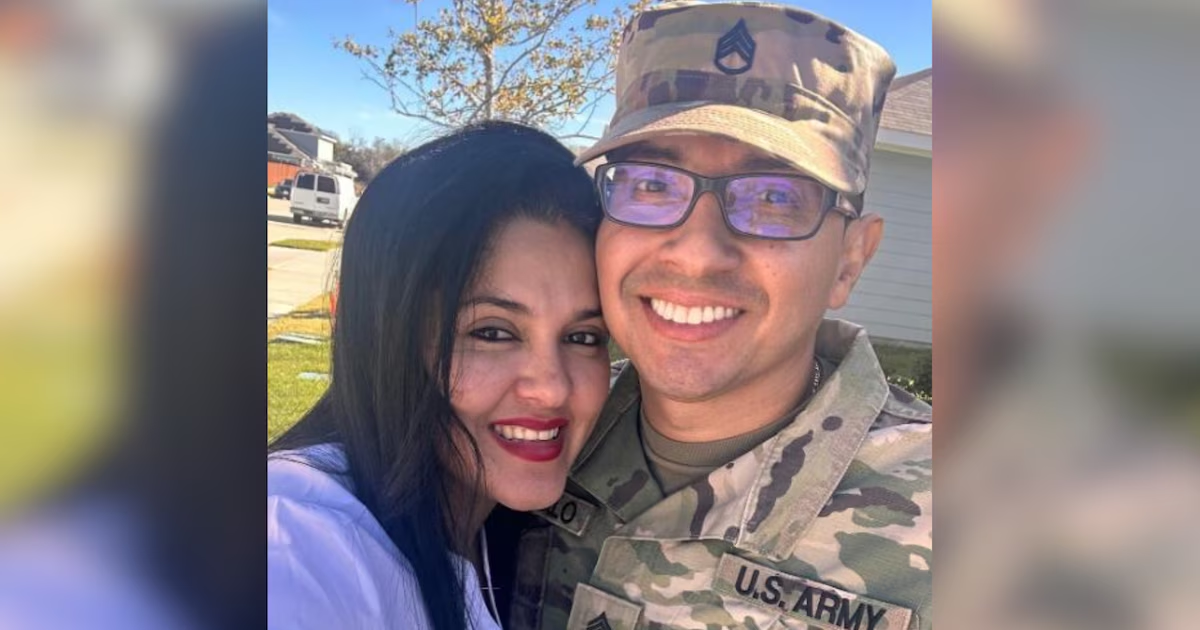
Bryan José Rojas Galofre set out for a honeymoon trip with his Trump-supporting wife Socorro Zaragosa, expecting a few days of celebration at Trump's Doral resort in Florida. Instead, the visit turned into an immigration nightmare that left him in ICE custody for months and pushed the couple into a costly legal battle.ALSO READ: Vedaant Madhavan doesn't eat like most people, even "eating is an exercise for him"A Honeymoon Trip to Trump's Doral ResortRojas, a Venezuelan immigrant living in Wisconsin, married Zaragosa in September 2024. In January 2025, the newlyweds drove to Trump National Doral Miami for their honeymoon.According to reports, the trip had a special purpose. Zaragosa, who comes from a family of Trump supporters, wanted to visit the resort and possibly see the president during a Republican gathering being held there. The couple's plans changed dramatically when they arrived at a security checkpoint outside the property.ALSO READ: Elon Musk created 4,400 millionaires in just 24 hoursThe Wife Who Still Supports TrumpOne of the most striking aspects of the story is Zaragosa's reaction. Even after her husband's detention, she told reporters she continues to support Trump.— BiatchDulce (@BiatchDulce) According to Noticias Telemundo, cited by multiple outlets, Zaragosa said, "I'm his fan. I believe Trump is a good president." At the same time, she expressed frustration over what happened to her family and said the situation was unfair.She also reportedly said she did not blame the president directly for the ordeal and described the failed honeymoon as a dream that ultimately "ruined" her happiness.What Happened at the Security Checkpoint?Secret Service agents and local police searched the couple's vehicle after they arrived at the resort.Authorities reportedly found an airsoft gun, which Zaragosa said she carried for personal protection, along with a metal marijuana grinder. The couple was arrested on a drug-paraphernalia charge and later pleaded not guilty. The criminal case remains pending.According to his account, authorities began scrutinizing his tattoos and questioning whether he had any gang affiliations. He was eventually transferred into federal custody and later detained by ICE.Months in ICE DetentionRojas had entered the United States in 2021 and applied for asylum after fleeing Venezuela. At the time of the Doral incident, he was legally pursuing immigration relief and had also begun the process of adjusting his status through family sponsorship.Despite having no criminal record, he spent nearly three months in detention while authorities reviewed his case. He was eventually granted bond and released after his family raised thousands of dollars.The experience left a lasting impact on the family.According to reports, legal fees, bond payments and related costs pushed the family's debt above $80,000. They also lost their house, vehicle and retirement savings while trying to navigate the legal battle.Bryan Rojas Speaks OutToday, Rojas remains in immigration limbo while trying to rebuild his life.He has urged the government to show compassion toward migrants who are working, paying taxes and following legal processes.The case has become an example cited in the broader debate over immigration enforcement, particularly involving migrants with pending legal cases and no prior criminal history.
Bryan José Rojas ended up in ICE detention during his honeymoon; his wife still backs Trump: 'I'm his fan. He's a good president.'
A honeymoon trip to Donald Trump's Doral resort became an immigration ordeal for Bryan Rojas Galofre. The Venezuelan immigrant faced months in ICE custody after a security check. His wife, a Trump supporter, still backs the president but laments the family's hardship. The couple incurred significant debt and lost assets. Rojas now advocates for compassionate immigration policies.
TL;DRAI
Venezuelan asylum seeker detained by ICE at Trump Doral (Jan 2025) for three months; legal costs $80,000, family lost home. Case signals visa sponsorship risk for tech companies hiring immigrants with pending legal status; enforcement volatility raises costs.
508 words~2 min read