Park Ga-young
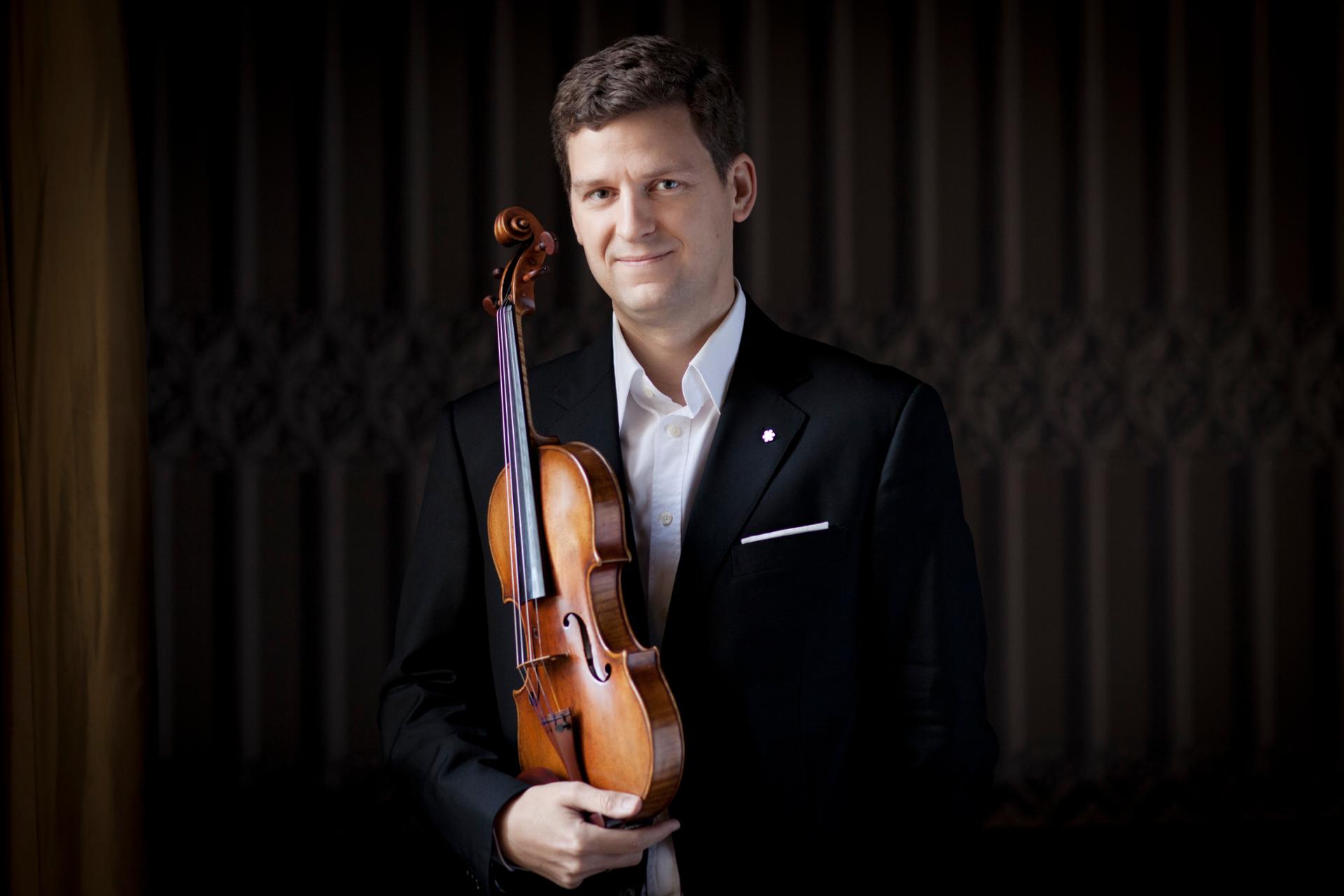
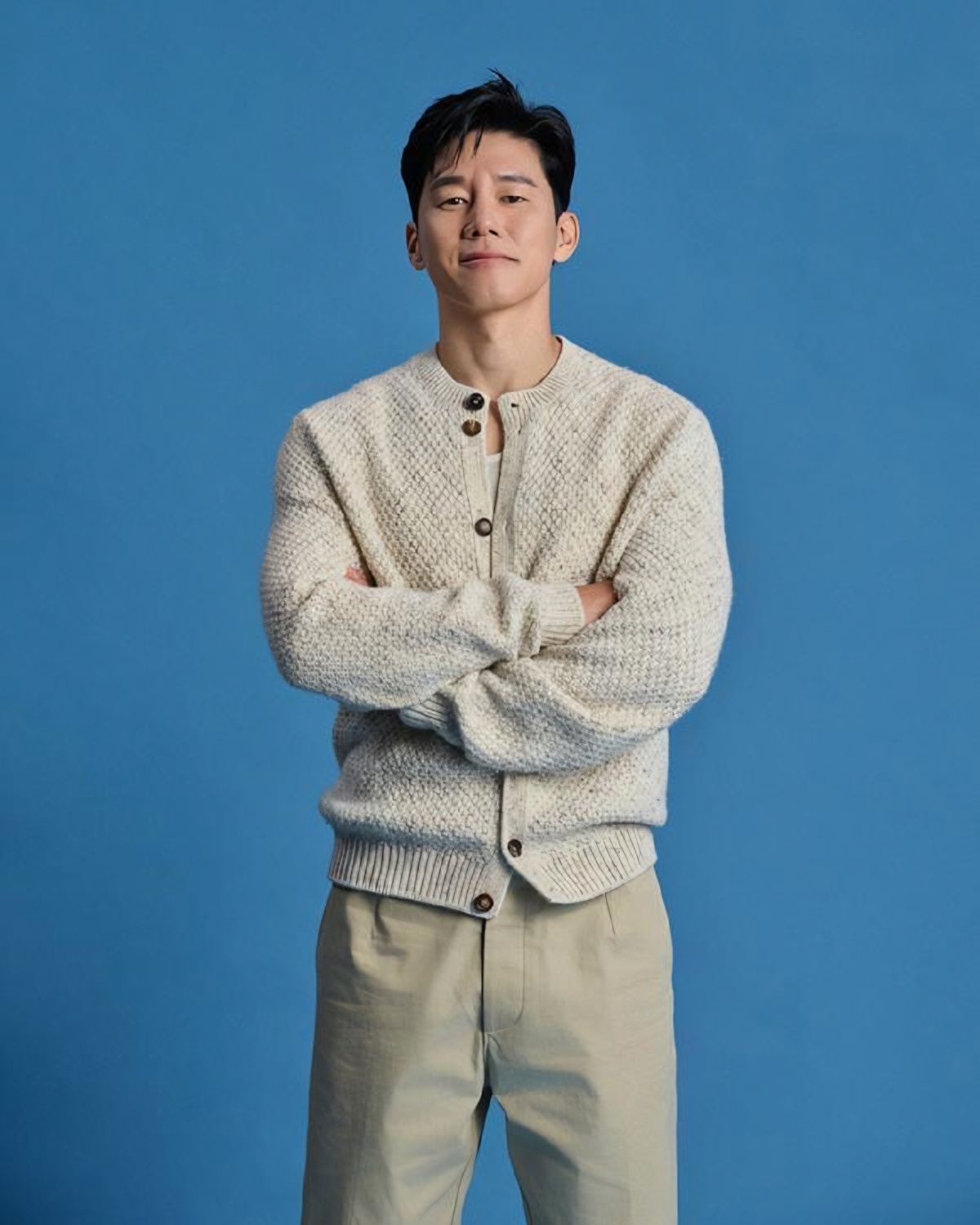
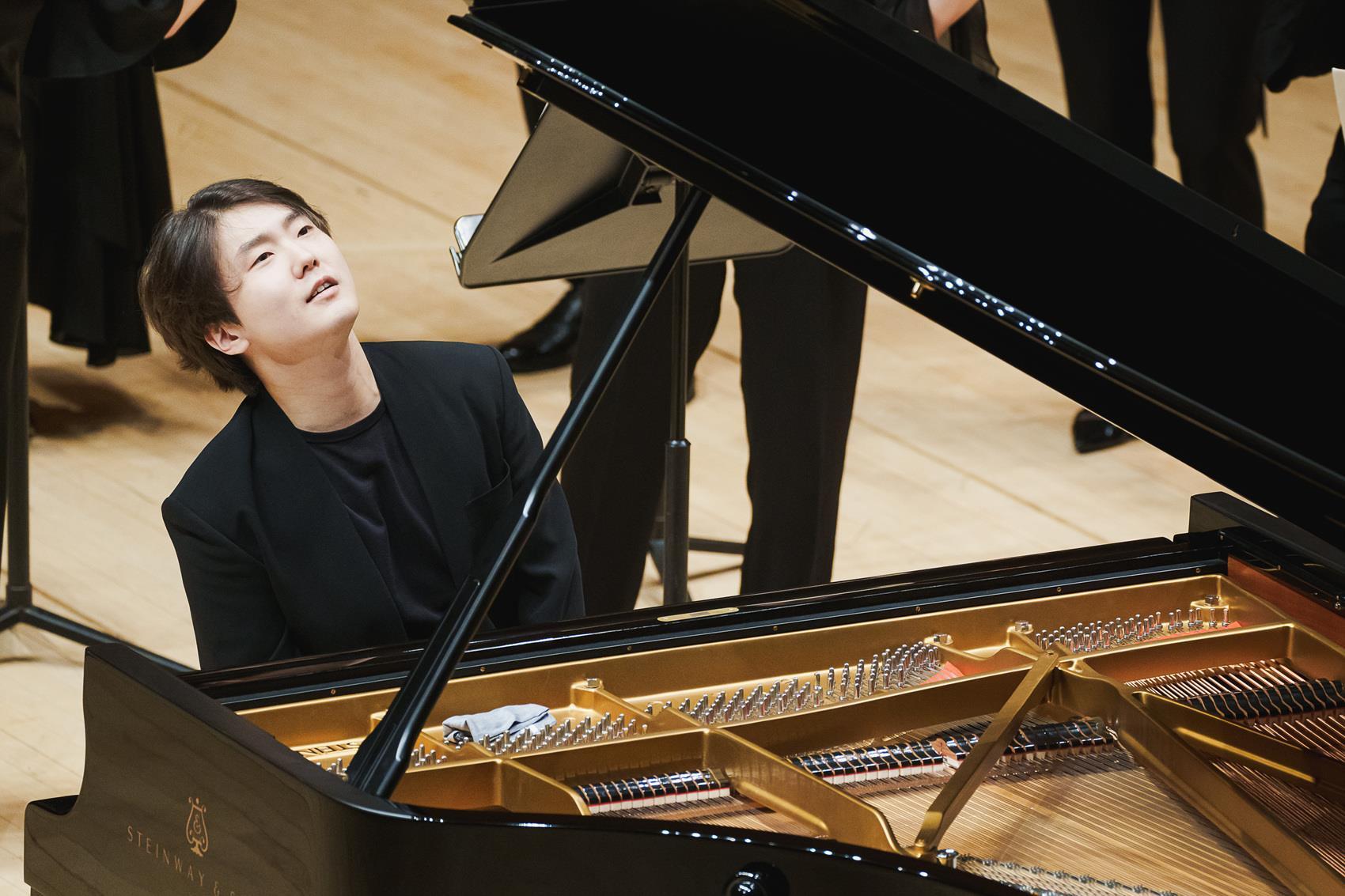
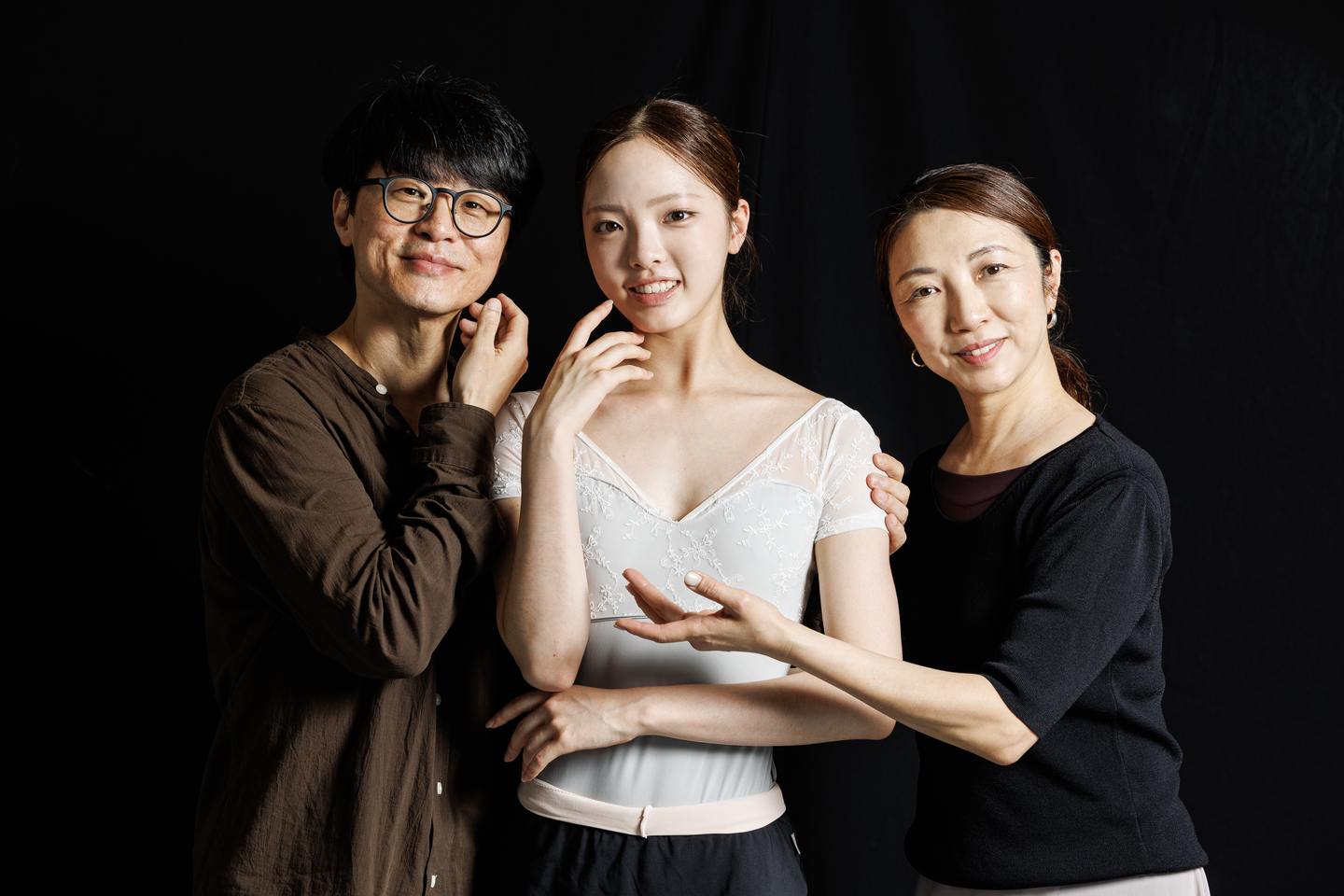
'The ones not yet on world's stages are growing into something wonderful too,' says Lee Sunny Sunny Lee poses for photos with her lesson notes on May 8 in her studio at the Seoul Central Conservatory in Yangjae-dong, Seocho-gu, Seoul. (Park Ga-young/The Korea Herald) Violinist Sunny Lee holds her cat Somi on May 8 at the Seoul Central Conservatory in Yangjae-dong, Seocho-gu, Seoul. The rocking chair is where she talks privately with students. (Park Ga-young/The Korea Herald) When violinist Kim Seo-hyun, one of Korea’s most promising young musicians, won the rookie prize at the 14th Daewon Music Awards on June 8, the 17-year-old took a moment to thank her teacher.“I am deeply grateful to my teacher Lee Sunny, who guided me to express my inner self through music and taught me with passion, never setting any limits on me,” she said at the prestigious ceremony, where composer Chin Un-suk received the grand prize and pianist Sunwoo Ye-kwon won the performance prize.The tribute drew attention to Lee, a violinist who has trained many of Korea’s most closely watched young string players since returning to Korea in 1994. Her students range from 32-year-old Kim Gye-hee, the first Korean to win first prize in the violin division of the Tchaikovsky Competition, to 12-year-old Kim Yeonah. Lee’s name surfaces so often behind the country’s emerging violin talent that it may seem like coincidence — but it surely is not.Part of the answer, Lee says, lies in fundamentals. Her students are often noted for the same quality wherever they perform: bowing that is clean across schools of thought and unusually solid basics.Over the years, she has studied how major traditions approach the bow arm—the German technique she learned at Seoul National University, the style of Isaac Stern’s New York circle, and the Russian approach she absorbed while teaching there. All, she concluded, converge on one point: how tension is released in the body.“It comes down to how you release the tension — what muscle, where, how,” she said. “That’s the only part that differs.” For a string player, the bow is everything: “It’s how the sound becomes art.”The other influence comes from Isaac Stern, the American violinist she studied with until his death in 2001 and considers her final student. From him, she learned a central belief in her teaching: To play music, one must first sing it. In lessons, she asks students to sing their phrases like a soprano, treating technique as a means, not an end.“Like painters using brushes,” she said, “we feel something fully, and then we need the skill to turn it into sound. Technique alone won’t get you there.”Stern once asked her why Korean musicians seemed to have such a gift, she recalled. She guessed it was innate but he disagreed. Look at Korea, he told her — the churches everywhere, the karaoke rooms. Children grow up singing hymns, singing for fun; it is a culture that sings. That, he believed, was where the musicality came from, absorbed early and without effort.The method is shown in her students. "When I played Sarasate's 'Carmen Fantasy,' my teacher told me to phrase it the way a mezzo-soprano would sing the role — to think of Mozart, of opera, of a voice rather than a violin. So I listened to the music at home, in taxis, between practice sessions," Kim Yeonah told The Korea Herald in an interview in April.There is one more thing she took from Stern — a simple practice method she found startlingly effective and has leaned on ever since. What is it, exactly? She won't say."That," she said, "is a secret."To Lee, character counts for more than talent. When a student arrives with a problem in the way they treat others, Lee tries to fix it — leaning on her sisters, all of them musicians and one especially good at this, to sit the child down, and working it into the lessons themselves. Children are still young enough to change, she believes, so she keeps at it. But there is a limit."If the character isn't good, then even if I've taught them well, there's nothing good in it, no joy," she said. When she reaches that limit, she lets the student go. It is, she said, the thing that matters most to her.Short little fingerLee trained at Seoul National University and earned her master's and doctorate at Washington State University on a full scholarship. She now heads the Seoul Central Conservatory, which she founded in 2016, serves as music director of the chamber group Ensemble M and holds an honorary professorship at a Russian state conservatory.Lee had not set out to make soloists, though. She had wanted to be one. But her left little finger is short — too short for some of the repertoire a solo career demands, the Paganini caprices and the like — and the limit, she says, pushed her deeper into study than she might otherwise have gone."I had to understand it better than anyone," she said, in order to teach what her own hands couldn't always reach. She puts her role plainly: "I couldn't fly, because I had no wings. So I'll give you wings — fly high."Lee is warm and quick to smile, animated throughout the interview — hard to square with the disciplinarian she describes in the next breath.With the mothers, she negotiates. They can be more driving than she is, and she asks them for one thing: leave the scolding to her."A mother should be unconditionally on the child's side — love the child," she said.When a teacher's correction stings, the child needs someone to lean on; if the mother piles on, the child breaks, and Lee loses the room to push at all. Her own mother, she notes, never once scolded her. What she warns parents against is the chase — first prizes, the passing and failing of auditions, the arts school admissions held over children like an ultimatum."If it stops being love of music and becomes getting into a school, the child breaks," she said. Reach the goal that way, she added, and the music empties out.Genius? 'Hear it after turning 20'Lee distrusts the word "prodigy," although many of her students have worn that label.Children bloom at different times, she tells them — some in elementary school, some not until college — and the ones who flower earliest, she has found, tend to crash hardest.Adolescence is the test: The body changes, the instrument size changes, the emotions swing and players who were effortless at 10 can suddenly feel stiff and unfamiliar to themselves. Get through that stretch intact and the playing settles; stumble in it, and the world begins to say they have lost it. "If you want to hear the word genius, hear it after you turn 20," she said. "Being called a genius too young is, in the end, what breaks you."Lee points to Kim Seo-hyun. When she first came at 9, Lee says, she looked like any of the other students — but she took a correction the first time, without needing it repeated and grew not in a flashy burst, but slowly and steadily — the kind of bloom that holds.When a student is struggling — measuring themselves against the player beside them, their confidence buckling — Lee steers them off the comparison. Everyone has their own sound to find, she tells them; that, not a place on a podium, is the work. Beyond that, she returns to a single idea. "The most important thing isn't becoming a famous soloist," she said. "It's that you love the music itself."As long as a player holds onto that and doesn't lose the passion, she tells them, nothing can really make them unhappy. "The moment you start thinking about the other things," she said, "that's when you become unhappy."Asked to name the student who stands out most — even three, if one is too restricting — Lee refused."Impossible," she said.The ones who have yet to reach the world's stages are growing into something wonderful too, she said, adding that she has no intention of ranking them. That is why she wanted to write the book — so that each of them, rather than she, would be the story.What she has instead are the notebooks. On a shelf in her studio, Lee keeps one for every student since the day each first walked in — the date of the first lesson at the top, then a record of everything after.“These are like my fortune,” she said, turning the pages — one child who started on a violin made of paper, another with nine years of entries behind them. Someday she wants to make a book of them — not her story, but theirs, each child’s: who they were when she met them, the slumps they climbed out of, the times they sat together and cried.“Every one of them has it,” she said. “I have all of it.”She built the conservatory because one teacher was never enough. After years of teaching alone, she decided her students needed a system — someone for harmony, someone for stage work, someone to drill the basics — so the children could learn in a structured place. She also wanted somewhere for the players she had raised to land: teaching posts in music are few, and she meant to gather them, along with others she admired, under one roof.This September the conservatory turns 10 years old, with an anniversary concert at the Lotte Concert Hall on Sept. 5.Her work runs more and more abroad now — masterclasses, juries and China above all, where she teaches often. She would rather see Korea, China and Japan rise together than compete. What she wants, she says, is to leave something that outlasts her, so the next generation can carry it.One of them is Lee Hyeon-jeong, who at 13 became the youngest of the 44 finalists at the 2024 George Enescu International Competition in Bucharest, Romania, winning second prize and two special awards.Asked what she hoped to become, she told The Korea Herald in 2024: "I want to be a good person, just as my teacher taught me. Building on that, I hope to become a violinist who can have a positive impact on others." Violinist Kim Seo-hyun poses for photos during an interview with The Korea Herald on April 11, 2024. (Im Se-jun/The Korea Herald) Violinist Lee Hyeon-jeong poses for photos during an interview with The Korea Herald at Herald Studio in Seoul on Oct. 31, 2024. (Lee Sang-sub/The Korea Herald) Violinist Kim Yeonah poses for a photo before an interview with The Korea Herald at Herald Square in Yongsan-gu, Seoul, Monday. (Yoon Chang-bin/The Korea Herald)