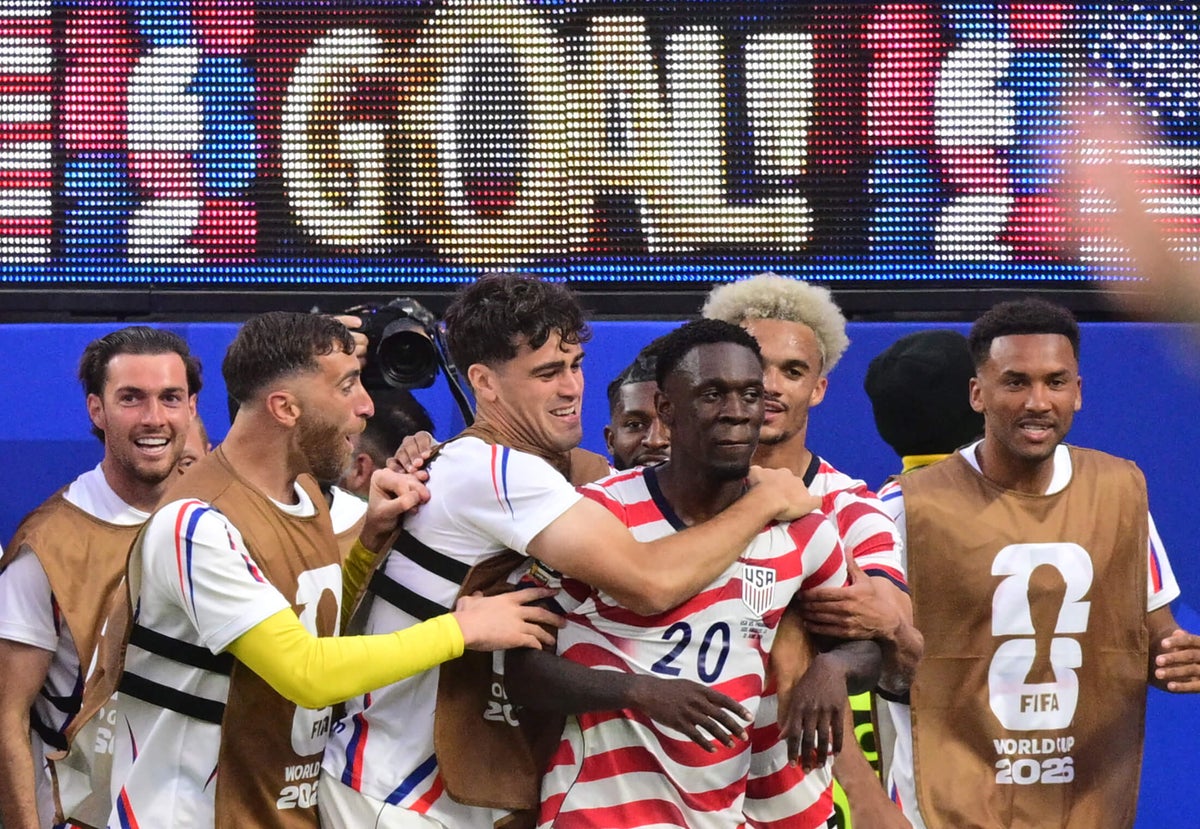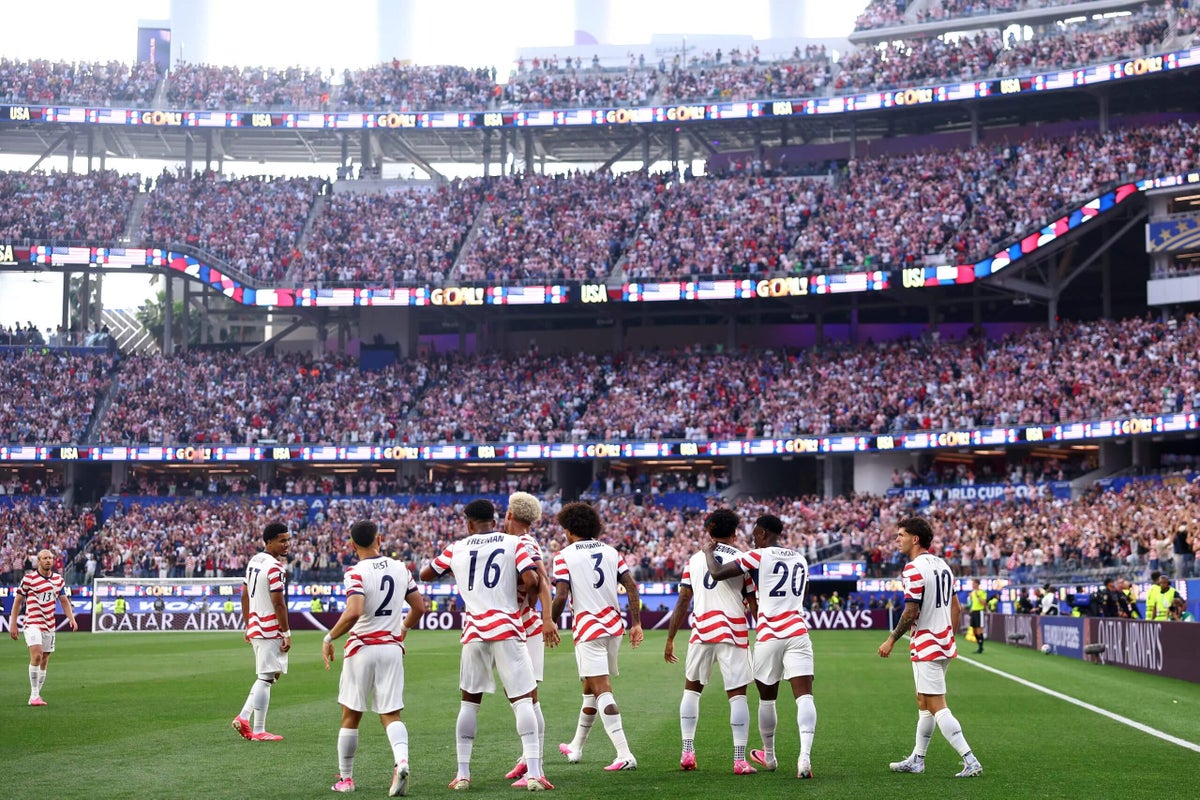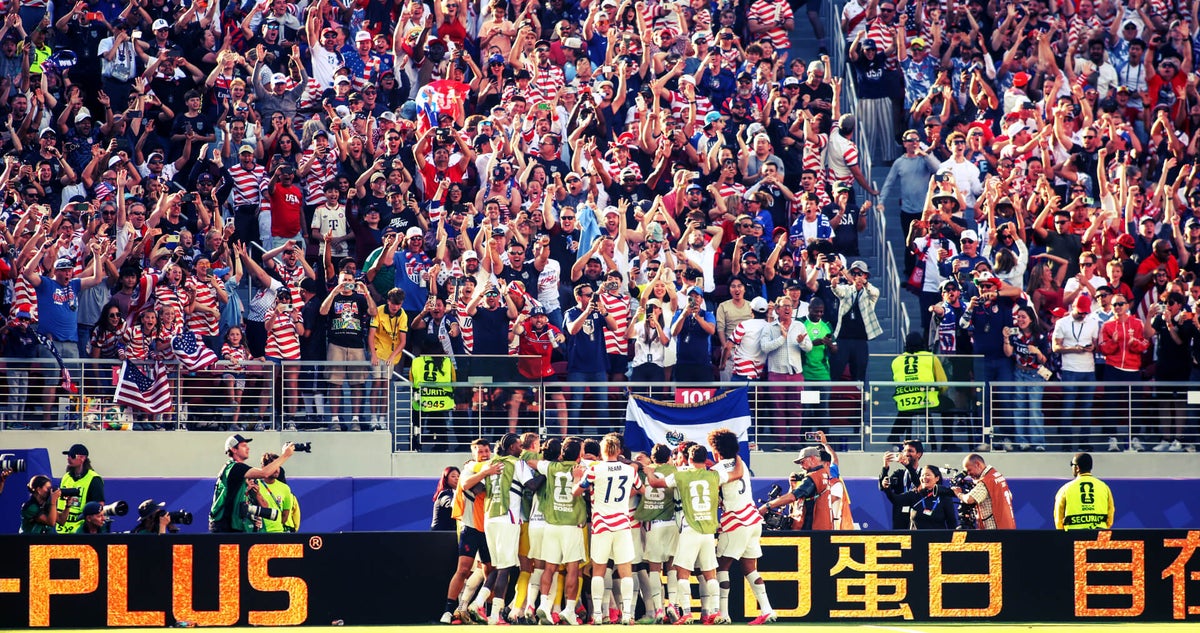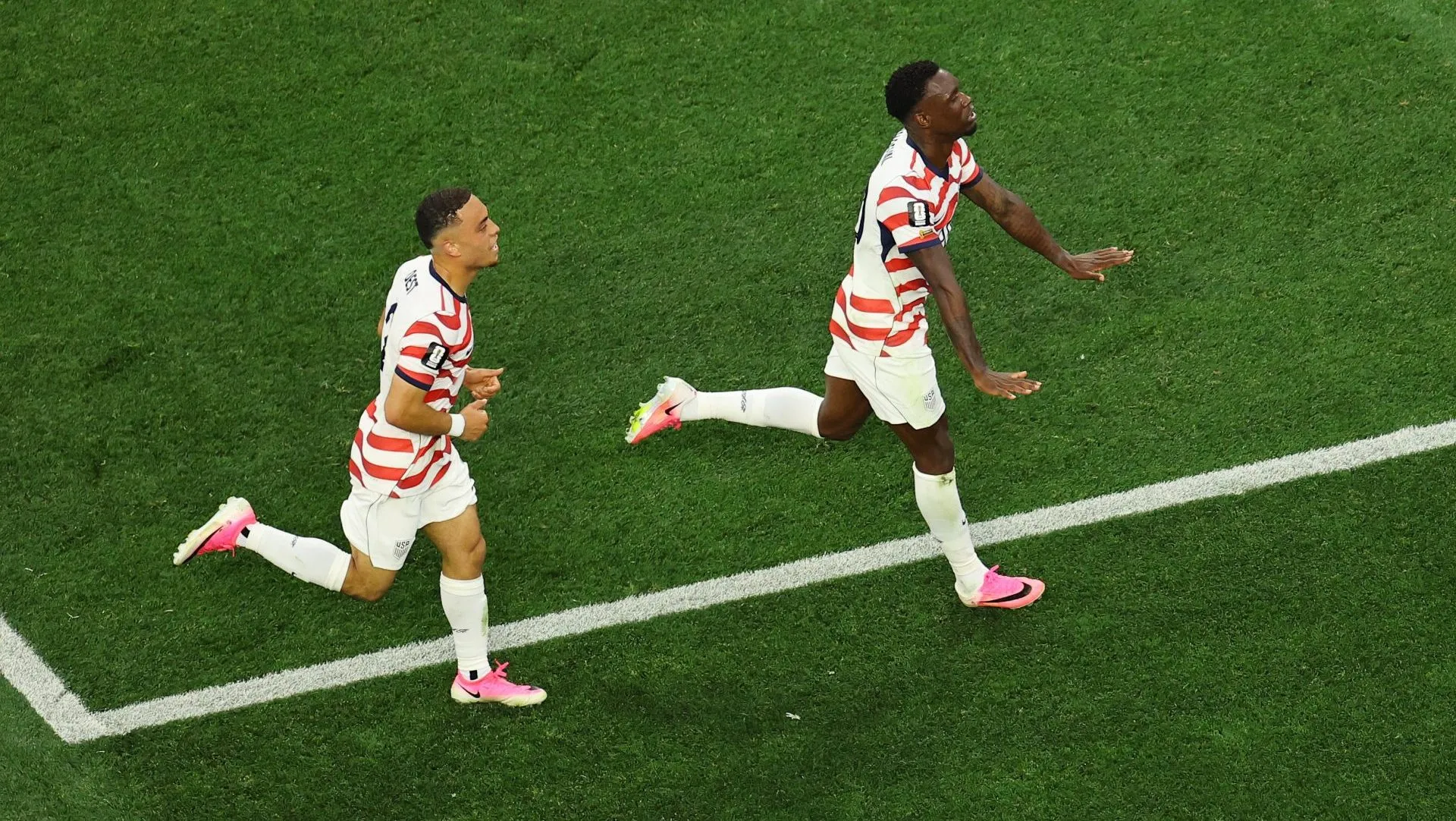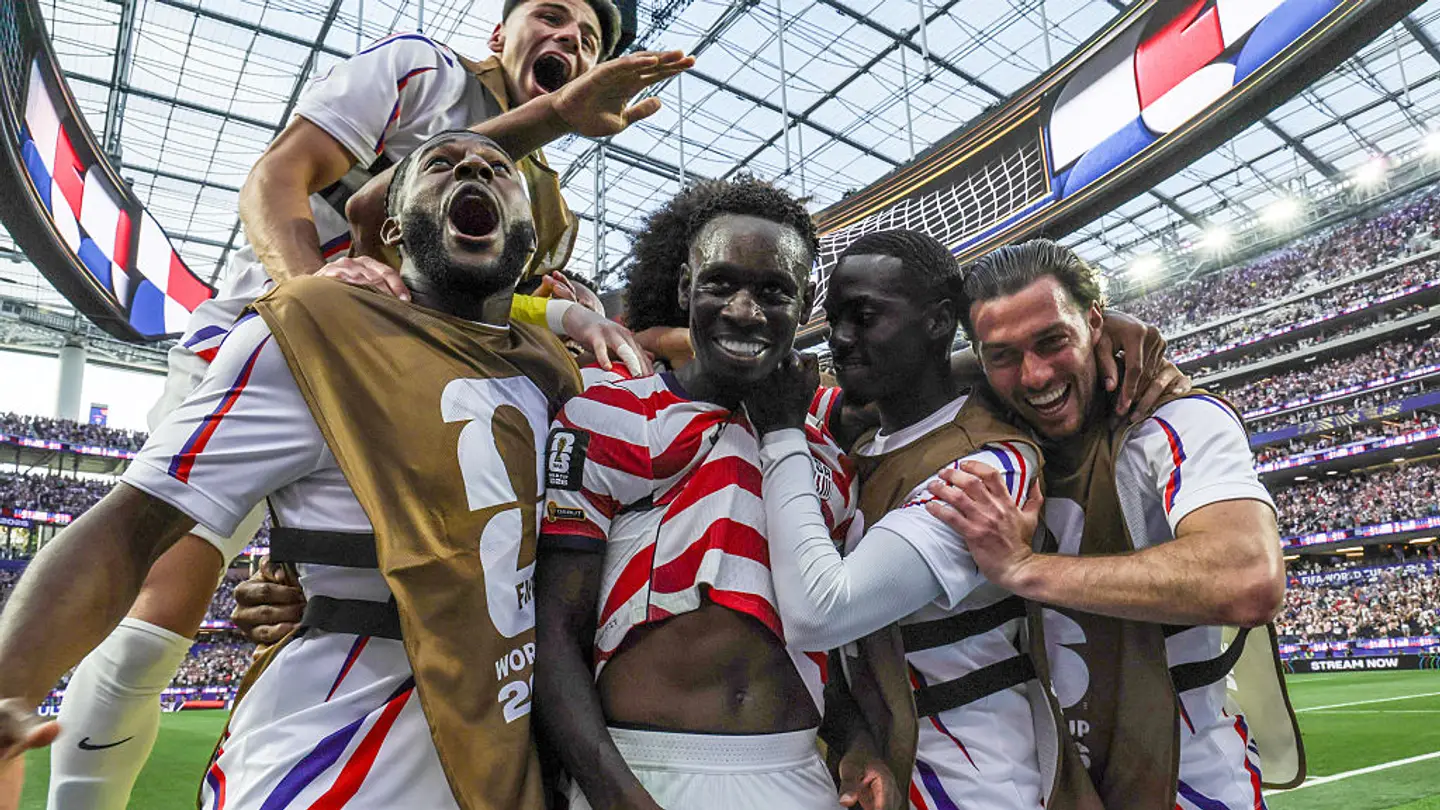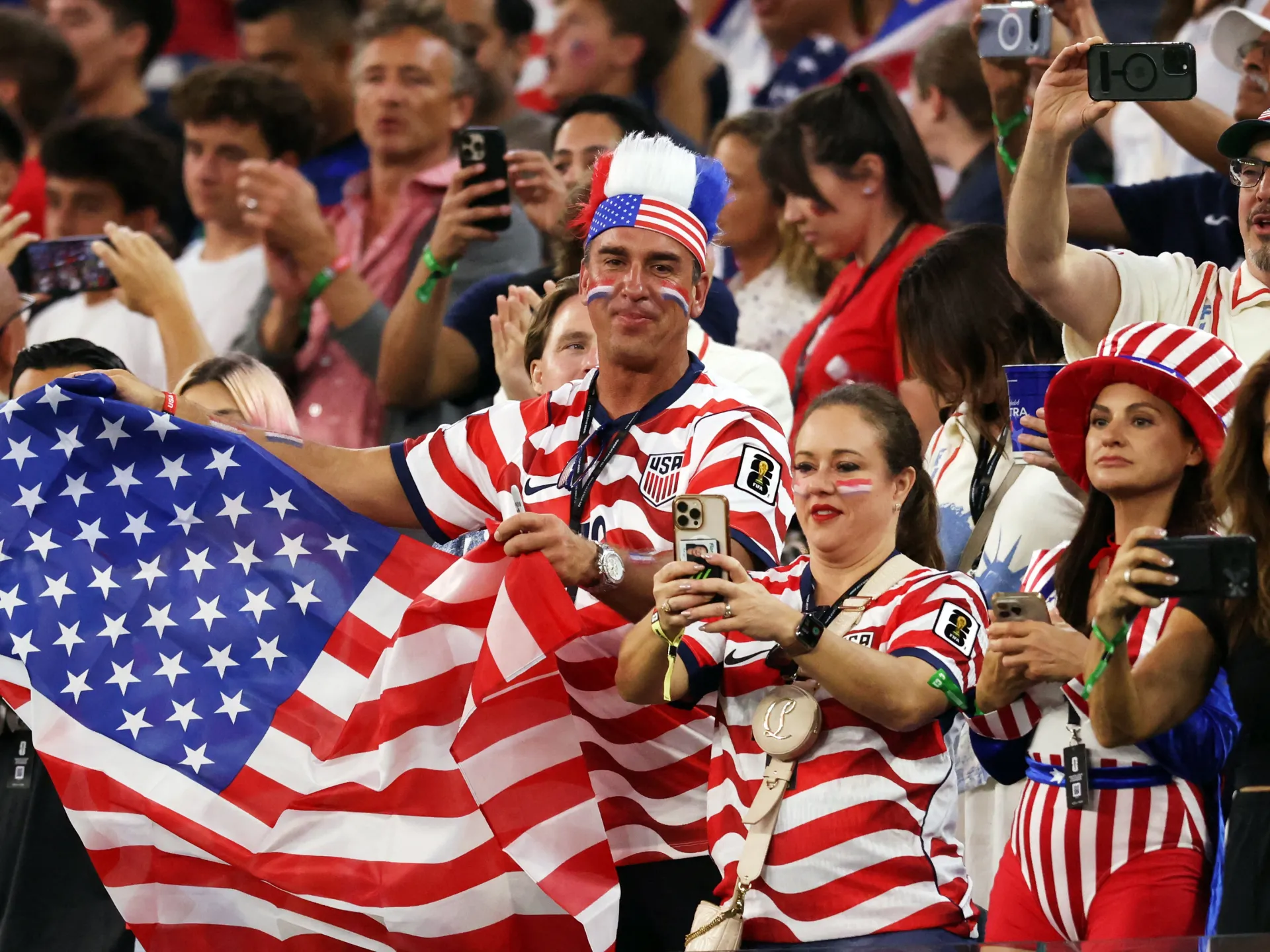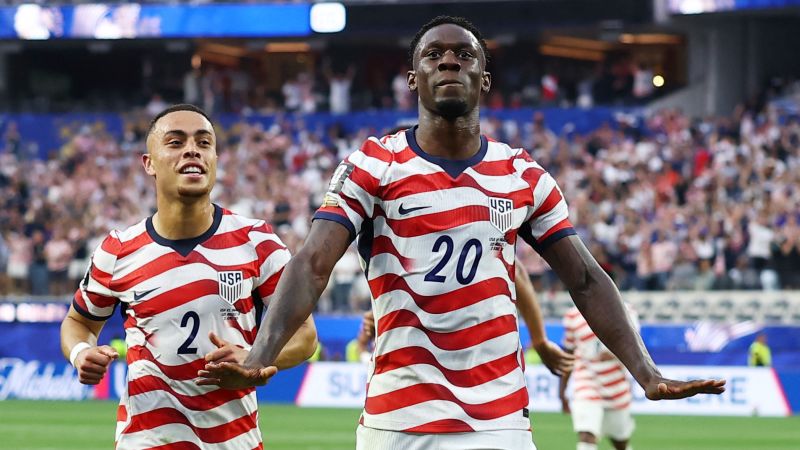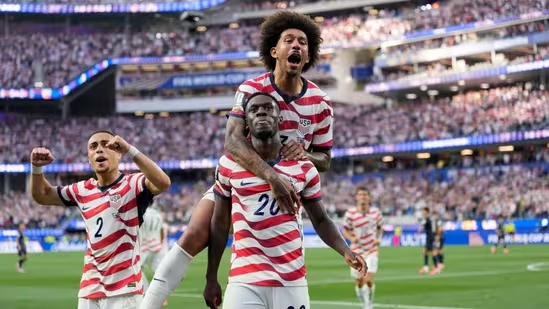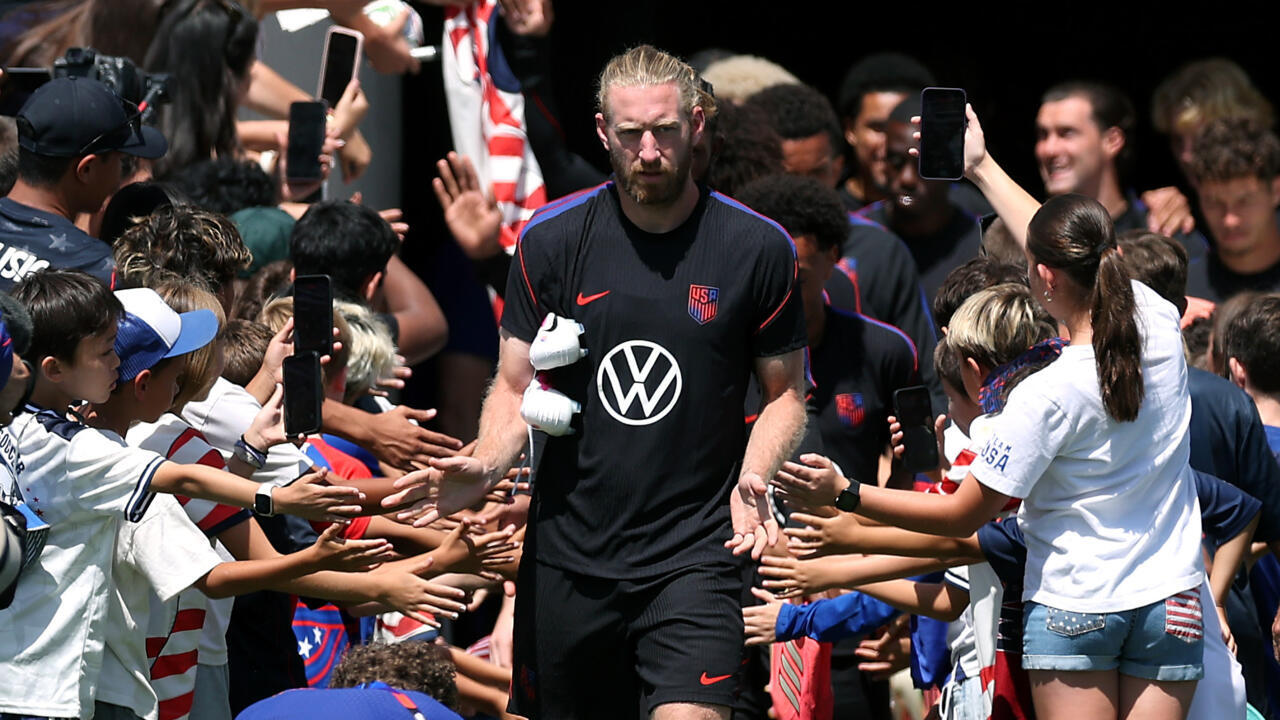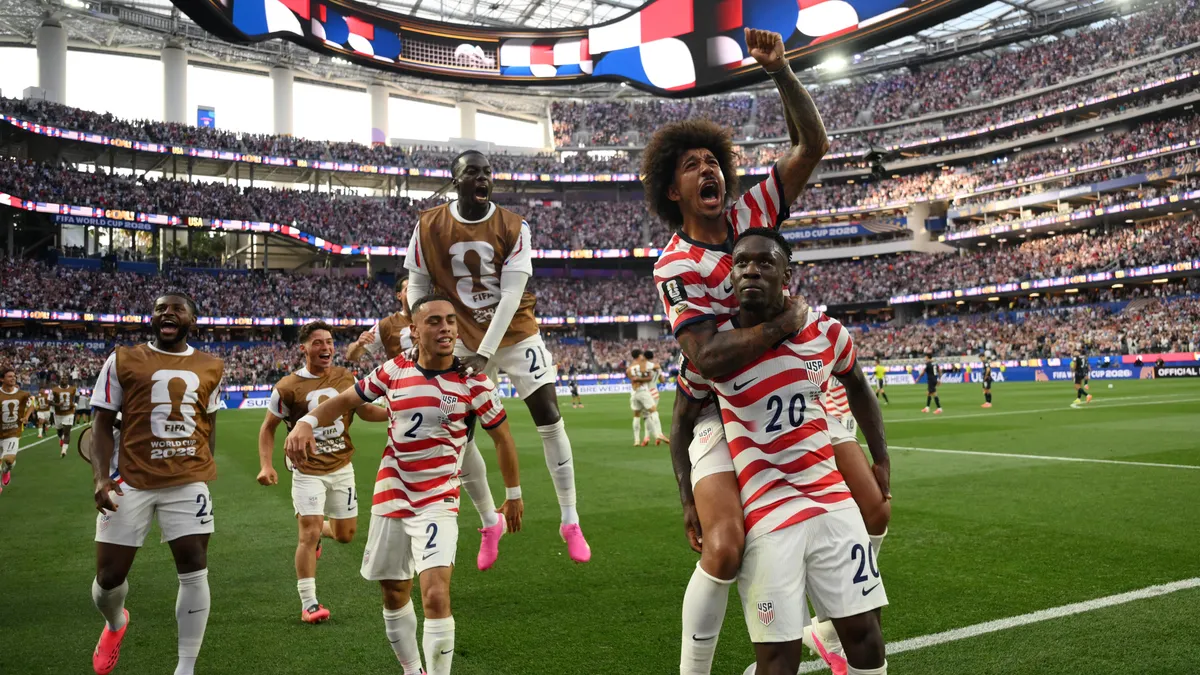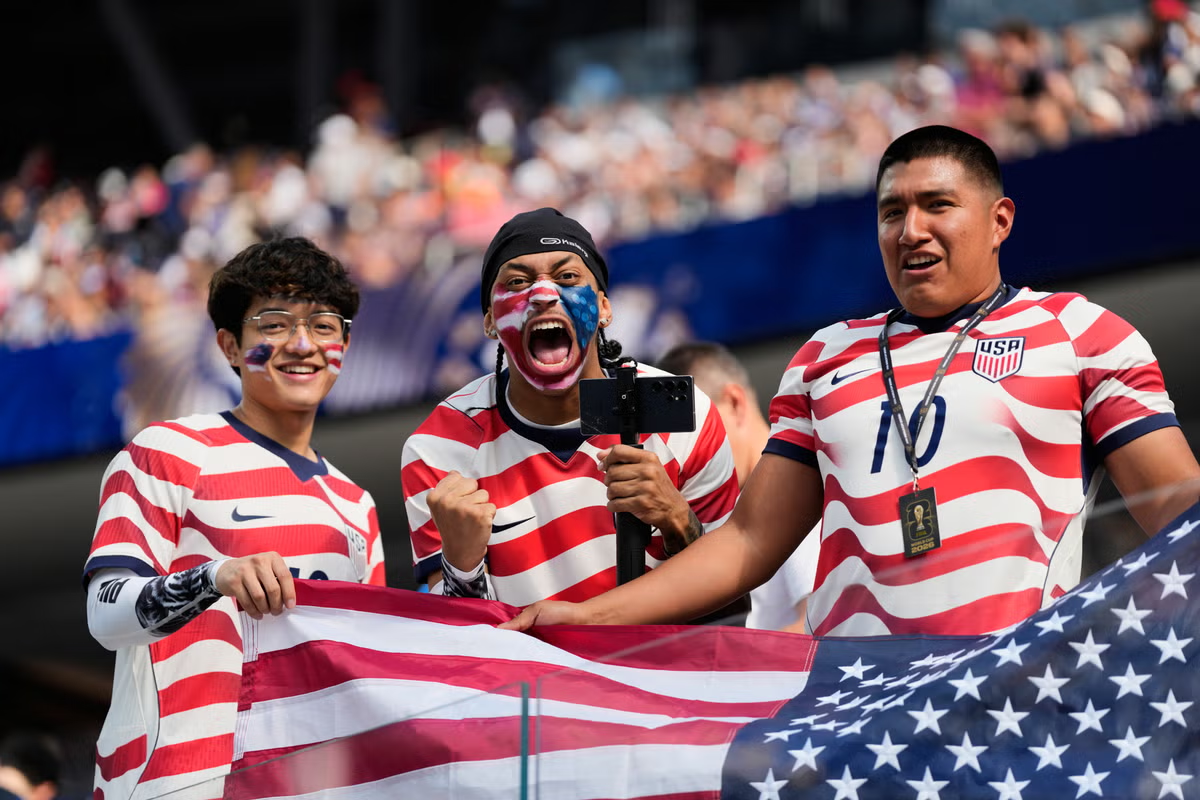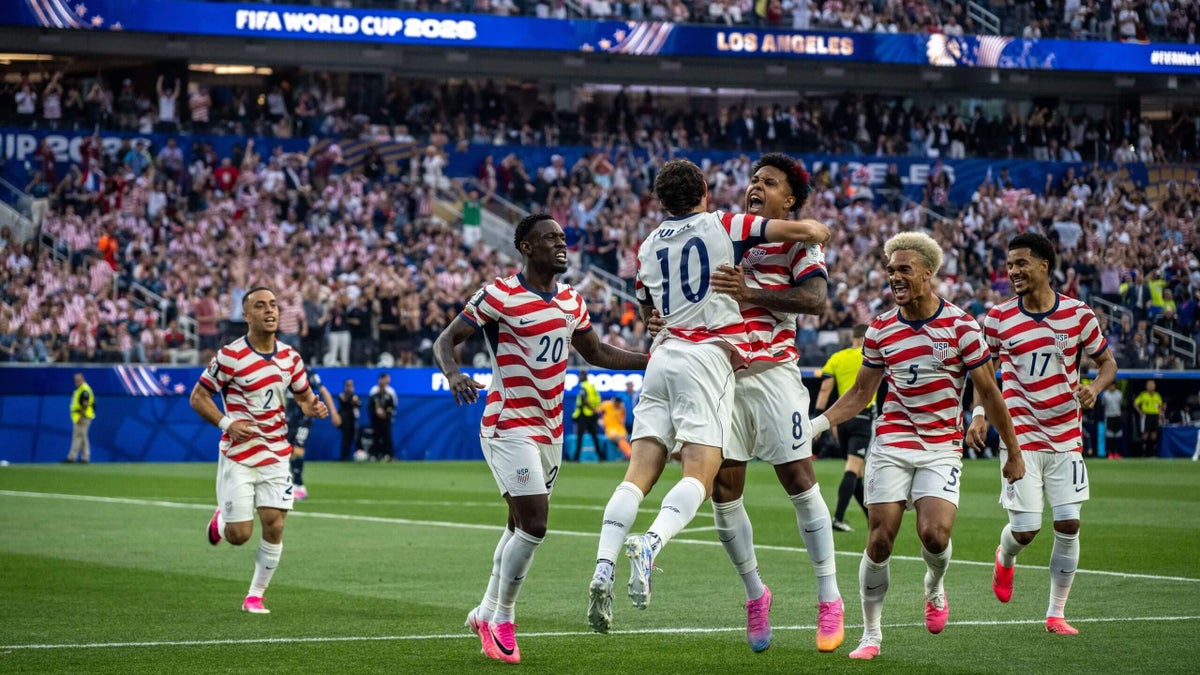
INGLEWOOD, Calif. — It began with thunderous chants of “U-S-A” and climaxed with the best 45 minutes in U.S. men’s World Cup history.It was seven years and 364 days in the making, and it was worth every day, hour, second of waiting.U.S. soccer fans and players had, for years, dreamed of this moment, a glitzy World Cup opener on home soil, an unparalleled stage for their sport. They had dreamed of meeting it, of igniting America, of elevating soccer.But no one could have realistically envisioned this — a rousing 4-1 win over Paraguay, patriotic glee on the field and in the stands, silky soccer and eruptions of noise.“I mean, my whole life I feel like I’ve envisioned it,” U.S. defender Chris Richards said. “But tonight was way better than what I could’ve envisioned. It was surreal.”In front of 70,492 fans at SoFi Stadium near Los Angeles, it was more than a near-perfect start to this home World Cup.It was, as Sebastian Berhalter said while recalling the victory lap to thank the fans, “what U.S. soccer should be.”It was a launchpad into a new U.S. men’s national team era.Antonee Robinson (5) lets out a roar during a USMNT goal celebration (Keith Birmingham / MediaNews Group / Pasadena Star-News / Getty Images)Eight years ago, when this World Cup was awarded to North America, the U.S. men’s soccer program was at a nadir. It was absent from the 2018 World Cup, starving for stability and talent. And that’s when the “golden generation” first began to appear. Weston McKennie and Tyler Adams joined Christian Pulisic on the scene. Promise and potential began to surface.And for eight years, in many ways, it remained just that.Talented players appeared, and won some regional trophies, but as a U.S. team, they never rose beyond that.In Qatar, they played to their level, winning one game, scoring three goals, conceding four. On Friday, in 90-plus minutes, on one remarkable night, they surpassed that scoring haul.They seized a World Cup game in a way U.S. men never previously had. They scored four goals in a World Cup game for the first time in program history.
A near-perfect World Cup opener takes the USMNT into uncharted territory
On a night of great anticipation, everyone — players, fans, coaches and beyond — met the moment. How high can this U.S. World Cup team soar?
997 words~5 min read