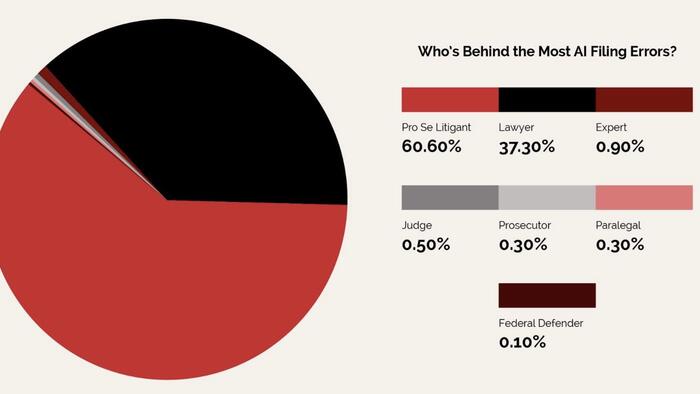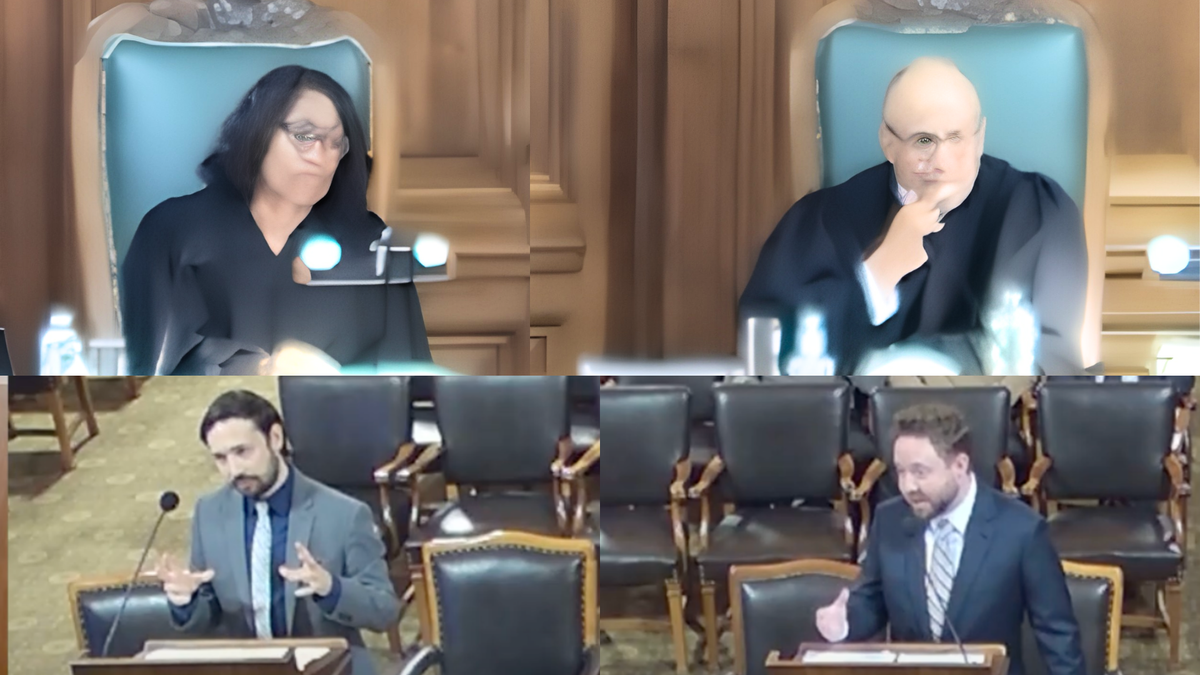
In 2023, a New York lawyer submitted a brief citing six cases that didn't exist. ChatGPT had hallucinated them — complete with plausible docket numbers, judges, and holdings. The lawyer was fined $5,000.
In 2024, a Nature study found that roughly 1 in 6 AI-generated citations in scientific writing referred to nonexistent or misrepresented papers.
In June 2026, the Ninth Circuit sanctioned an attorney for citing fabricated AI-generated precedents, calling it "an affront to the judicial system."
These aren't edge cases. They're the normal behavior of a language model doing its job — generating plausible text — applied to a domain where plausibility isn't enough.
The core problem