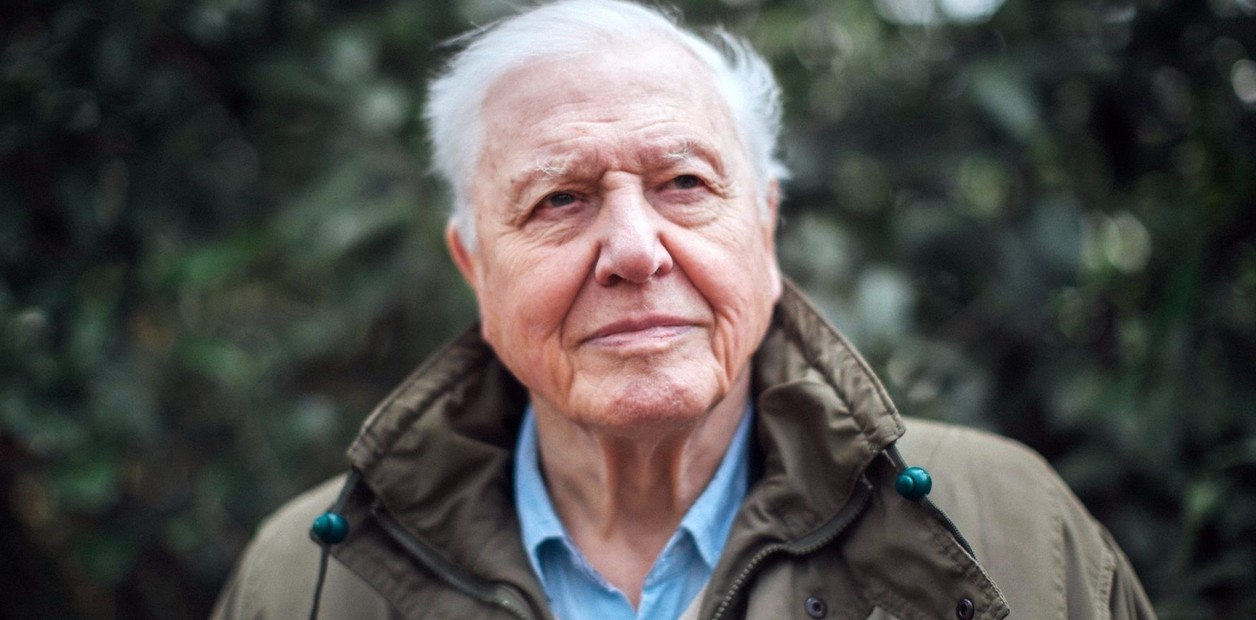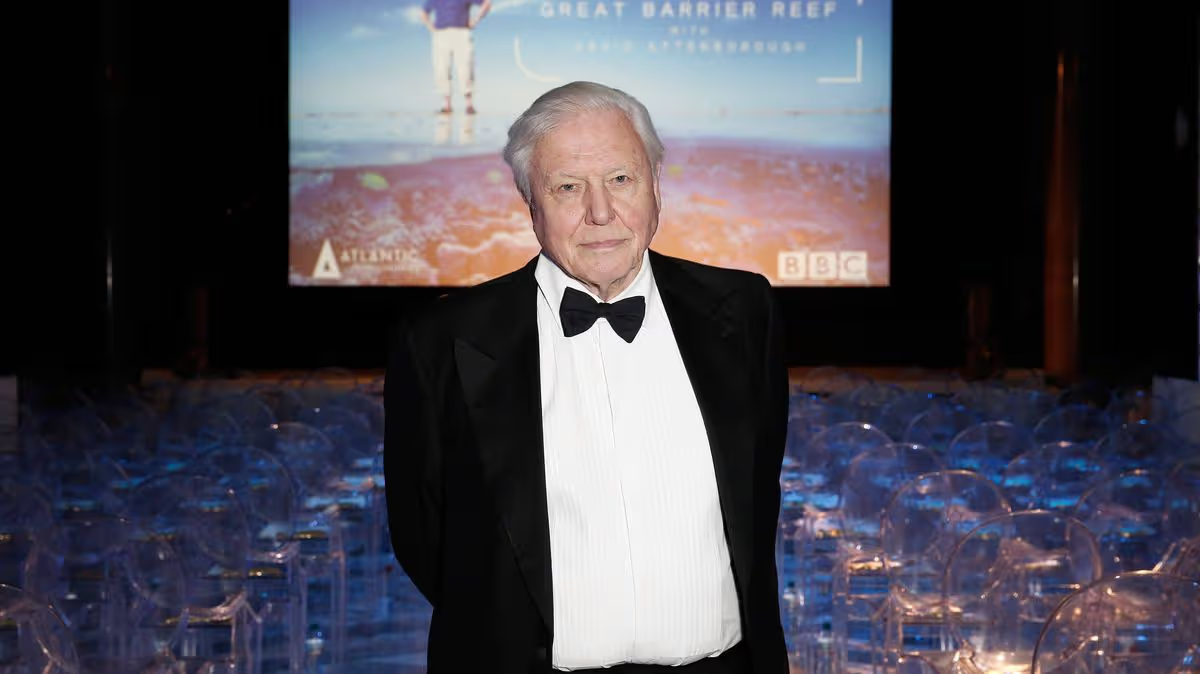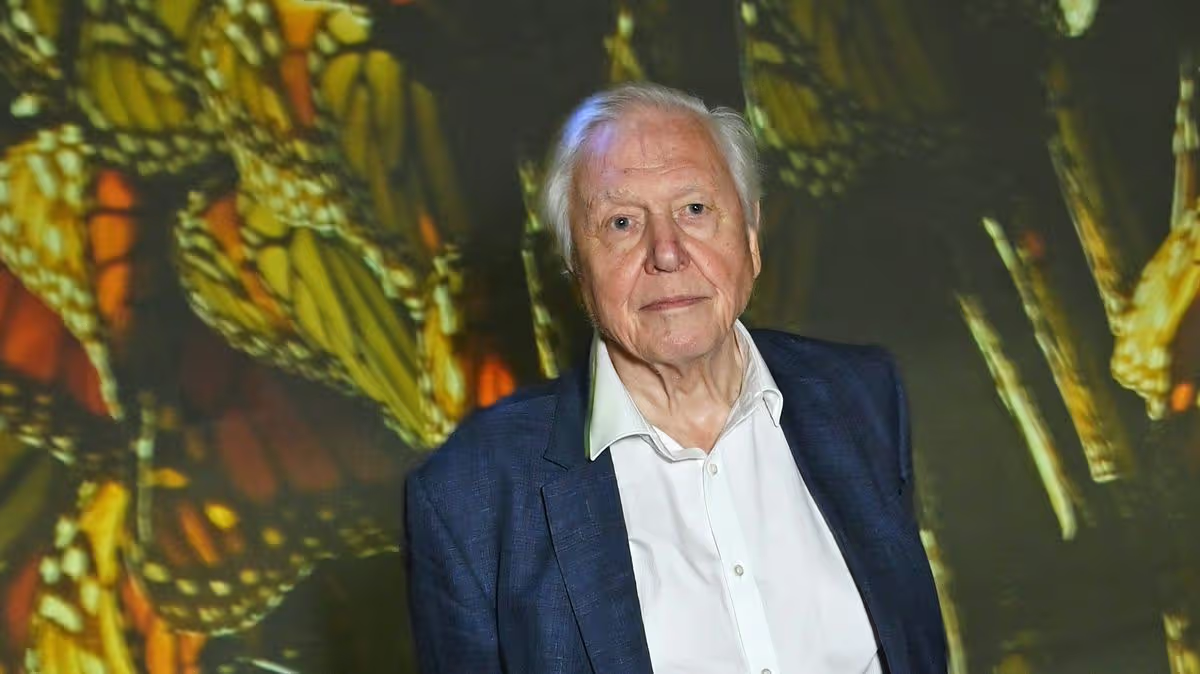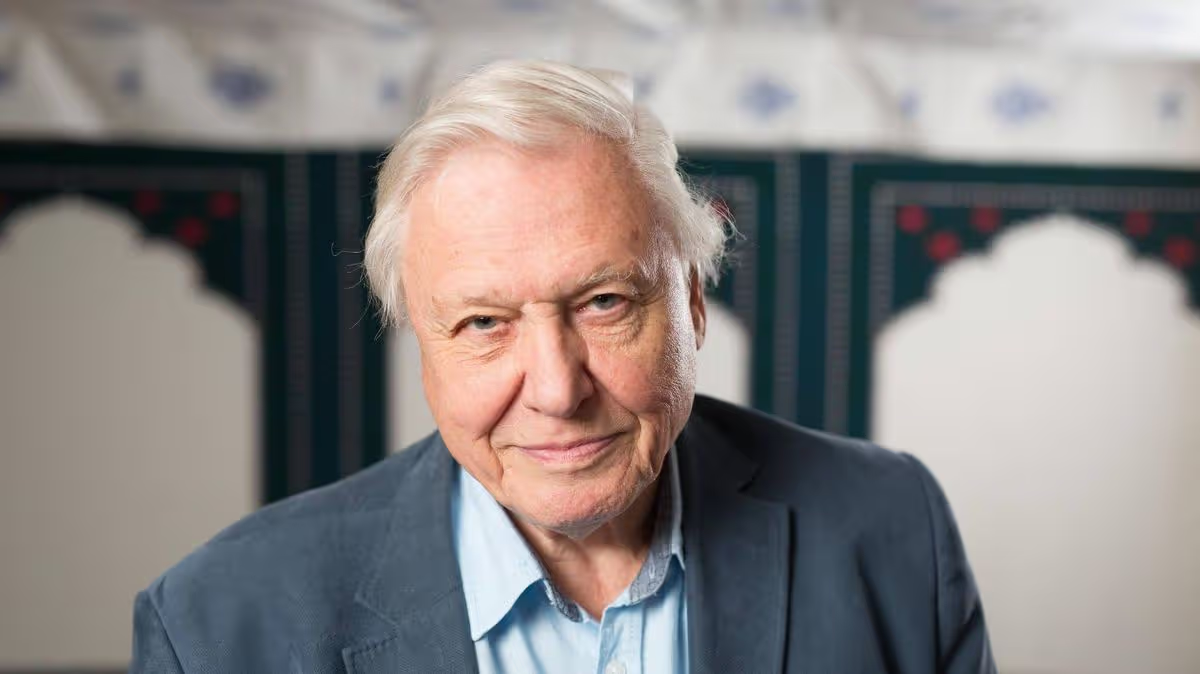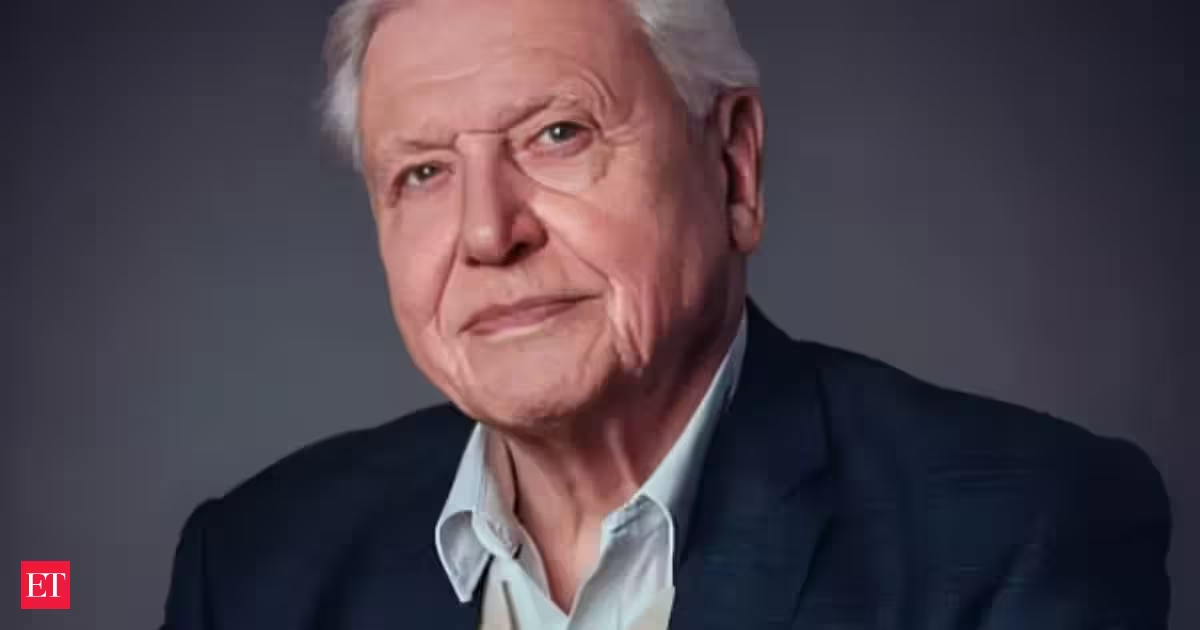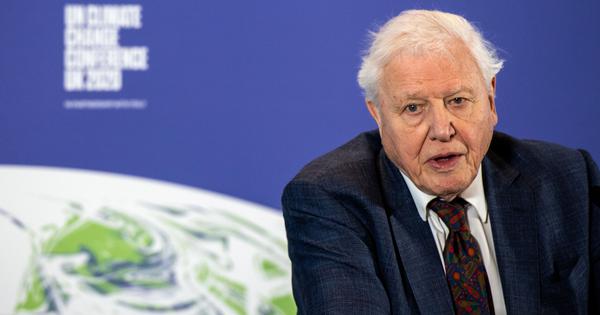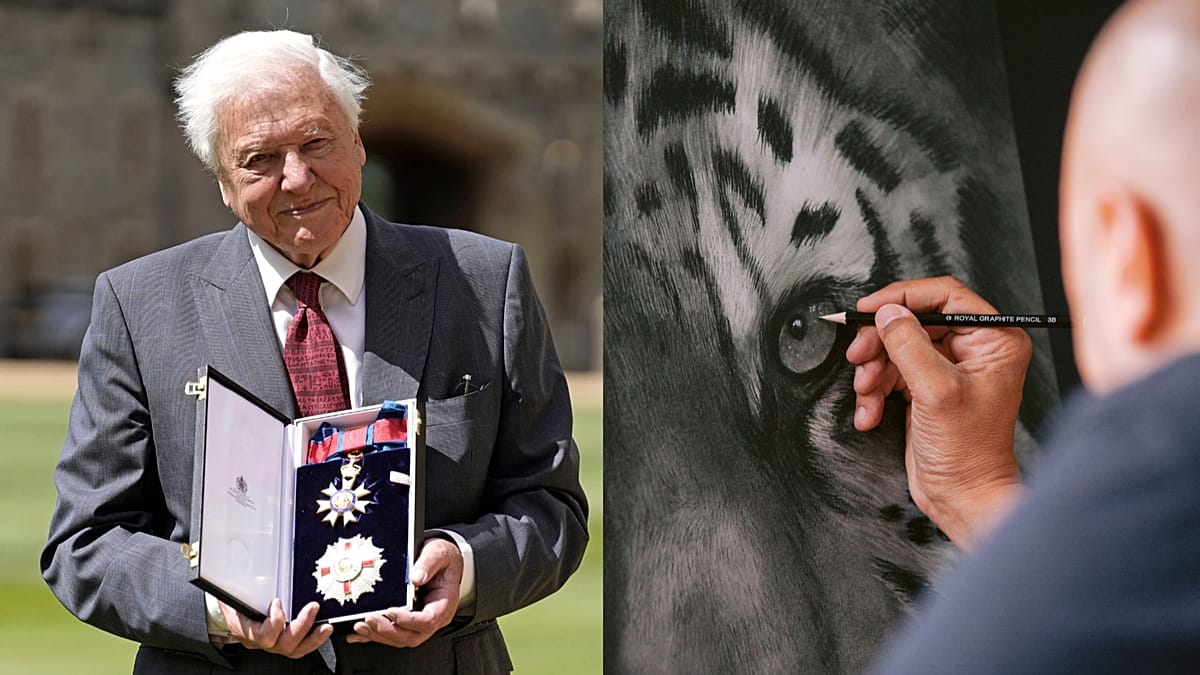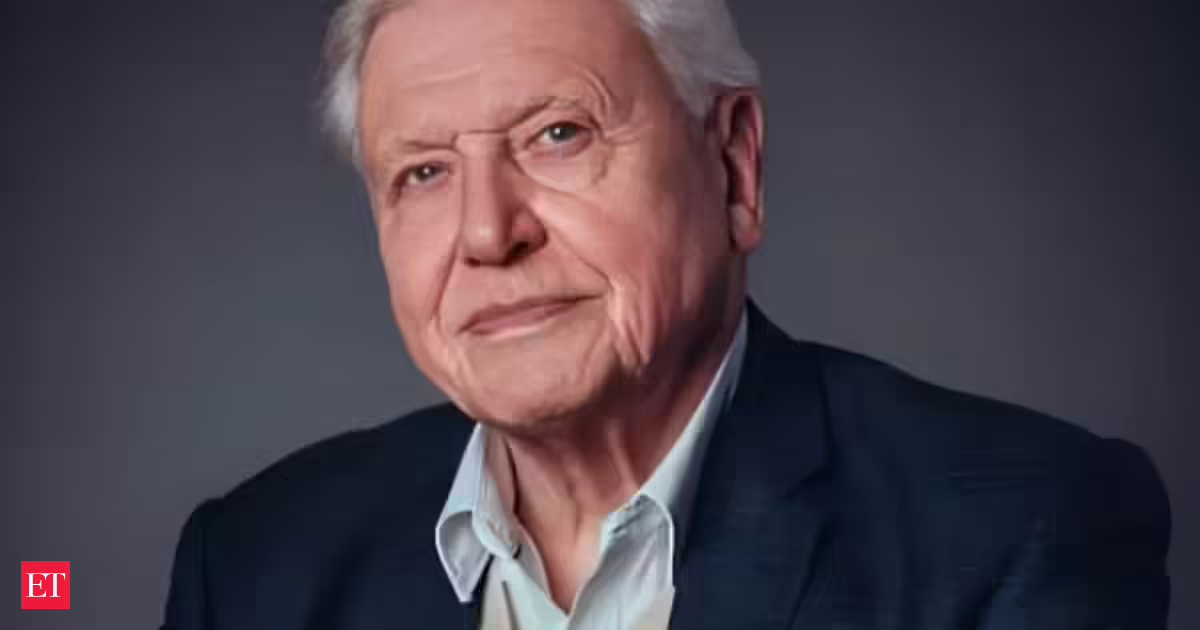
For centuries, humans have shared the planet with extraordinary wildlife. From elephants roaming African savannas to whales crossing vast oceans, these animals have shaped ecosystems and inspired wonder across generations. Yet habitat destruction, climate change, poaching, and environmental degradation are placing many species under increasing threat.Few voices have highlighted these challenges more consistently than David Attenborough. Through decades of documentaries and conservation advocacy, he has encouraged audiences not only to admire nature but also to protect it.“The question is, are we happy to suppose that our grandchildren may never be able to see an elephant except in a picture book?”David AttenboroughDavid Attenborough is one of the most influential nature communicators in modern history. Born on May 8, 1926, in London, he developed an early fascination with fossils, animals, and the natural world.After studying natural sciences at University of Cambridge, Attenborough joined the BBC in the 1950s. He initially worked behind the scenes before becoming a presenter and producer, helping transform wildlife broadcasting.Over a career spanning more than seven decades, Attenborough has written, narrated, and presented landmark documentary series including Life on Earth, The Living Planet, Planet Earth, Blue Planet, and Our Planet. These productions introduced millions of viewers to ecosystems and species they might never otherwise encounter.Attenborough has received numerous honors, including knighthood and membership in the Order of Merit. Beyond filmmaking, he has become one of the world's leading advocates for biodiversity conservation, climate action, and environmental sustainability.What this quote meansOn the surface, the quote asks a simple question about elephants.However, Attenborough is really asking people to think about the future of wildlife and the responsibility current generations have toward protecting it. The image of children seeing elephants only in books suggests a world where magnificent species have disappeared from nature.The quote encourages people to imagine the consequences of environmental neglect. It asks whether society is willing to accept the loss of animals that have existed on Earth for millions of years.Rather than making a direct accusation, Attenborough frames the issue as a question, inviting reflection on the choices humanity is making today.The deeper meaningAttenborough is highlighting the fragile relationship between humans and the natural world. Throughout history, species have disappeared because of hunting, habitat destruction, pollution, and other human activities. When a species becomes extinct, the loss is permanent.The quote reminds us that future generations will inherit the environmental decisions made today. Children and grandchildren may judge our era not by technological achievements alone, but by whether we preserved the planet's biodiversity.The reference to a "picture book" is particularly powerful because it symbolizes memory rather than reality. Attenborough warns against a future where people know animals only through photographs, illustrations, and historical records rather than living encounters.Why the quote remains relevant todayScientists continue to warn about biodiversity loss, habitat fragmentation, and declining wildlife populations across many regions of the world. Public awareness of conservation issues has grown, but many species remain vulnerable.Attenborough's words remain relevant because they personalize a global challenge. Instead of discussing abstract environmental statistics, he asks people to think about their own descendants and the world they will experience.More quotes by Sir David Attenborough“No one will protect what they don't care about; and no one will care about what they have never experienced.”“An understanding of the natural world is a source of not only great curiosity but great fulfillment.”“The truth is: the natural world is changing. And we are totally dependent on that world.”“We are part of nature, not apart from nature.”
Quote of the day by Sir David Attenborough: “The question is, are we happy to suppose that our…’ – Naturalist on stewardship, conservation and responsibility
Sir David Attenborough, a renowned nature communicator, urges us to consider the future of wildlife. His words question our willingness to let future generations see animals like elephants only in books. This powerful message emphasizes our duty to protect biodiversity. Current actions will determine the natural world our grandchildren inherit. It is a call to preserve the planet's living wonders.
577 words~3 min read