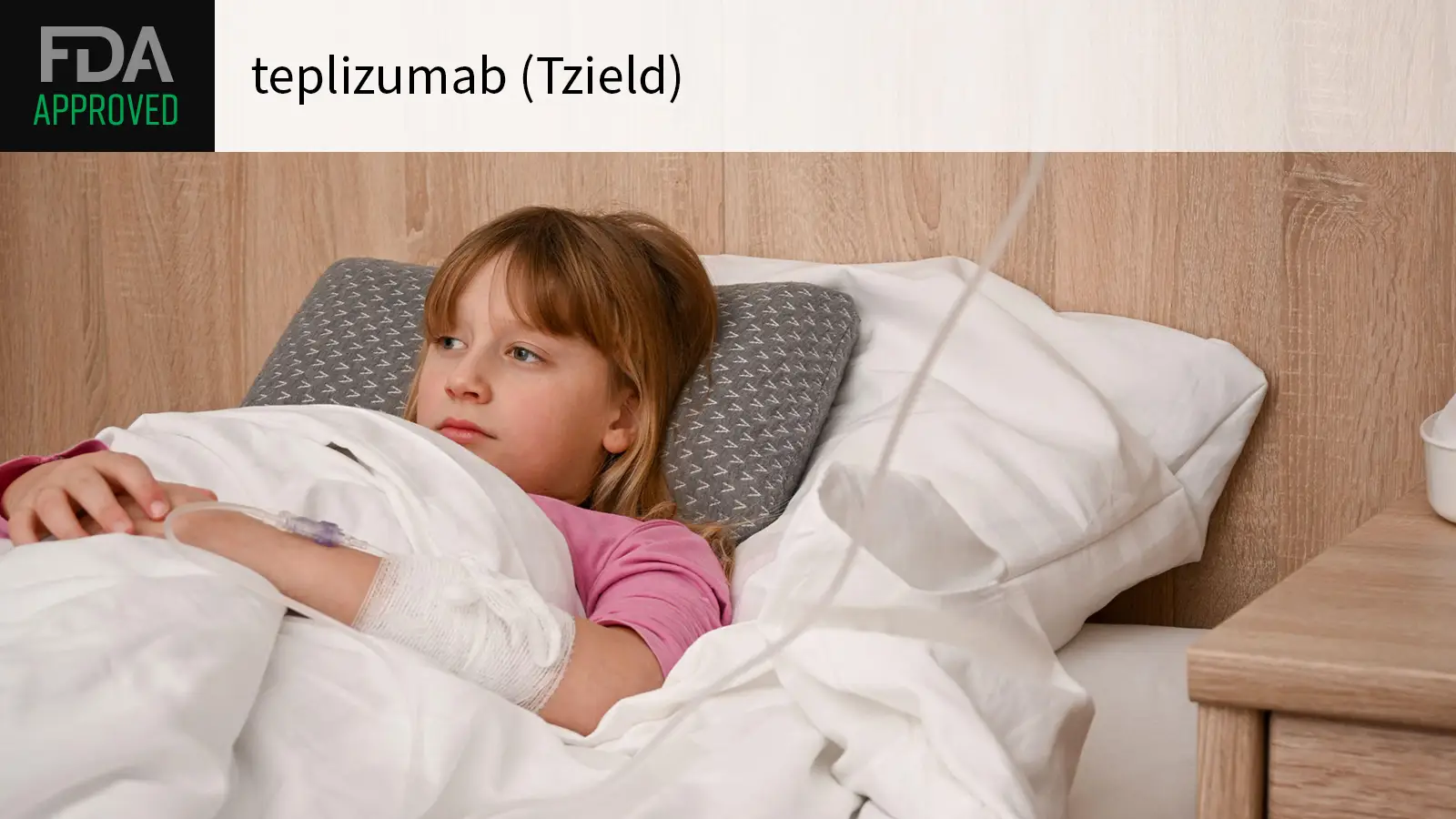
The US Food and Drug Administration said on Friday it has approved the expanded use of Sanofi’s type 1 diabetes injection in children aged 8 to 17 years who were recently diagnosed with stage 3 of the condition.The FDA had first approved the drug, Tzield, in 2022 to delay the progression of type 1 diabetes from stage 2 to 3 in patients aged 8 years and older. Its label was expanded over time.In April, the regulator approved use of the drug to delay the progress to stage 3 in patients as young as one year.The latest label expansion allows use of the drug in children recently diagnosed with stage 3 of the condition, with the aim of slowing down loss of insulin production.Type 1 diabetes is a chronic condition in which the pancreas makes little or no insulin, with stage 3 patients experiencing symptoms such as frequent urination, excessive thirst and fatigue.Stage 3 patients usually require insulin therapy to manage these symptoms.Tzield works by targeting the immune response that damages insulin-producing cells in the pancreas, helping preserve the body’s own insulin production for longer.The latest approval was based on a study of 328 children and teenagers who had been diagnosed within the past six weeks. Patients who received the drug had a smaller decline in insulin-producing cell function than those who received a placebo after about 18 months.Tzield, however, has been under FDA scrutiny over safety concerns. The drug has a ‘boxed warning’, the FDA’s most prominent safety warning, after reports of serious life-threatening cases of viral infections, including Epstein-Barr virus and cytomegalovirus. Published on June 13, 2026
US FDA approves expanded use of Sanofi's type 1 diabetes drug
The FDA approves Sanofi’s Tzield for type 1 diabetes, now available for children aged 8-17 recently diagnosed with stage 3.
268 words~1 min read