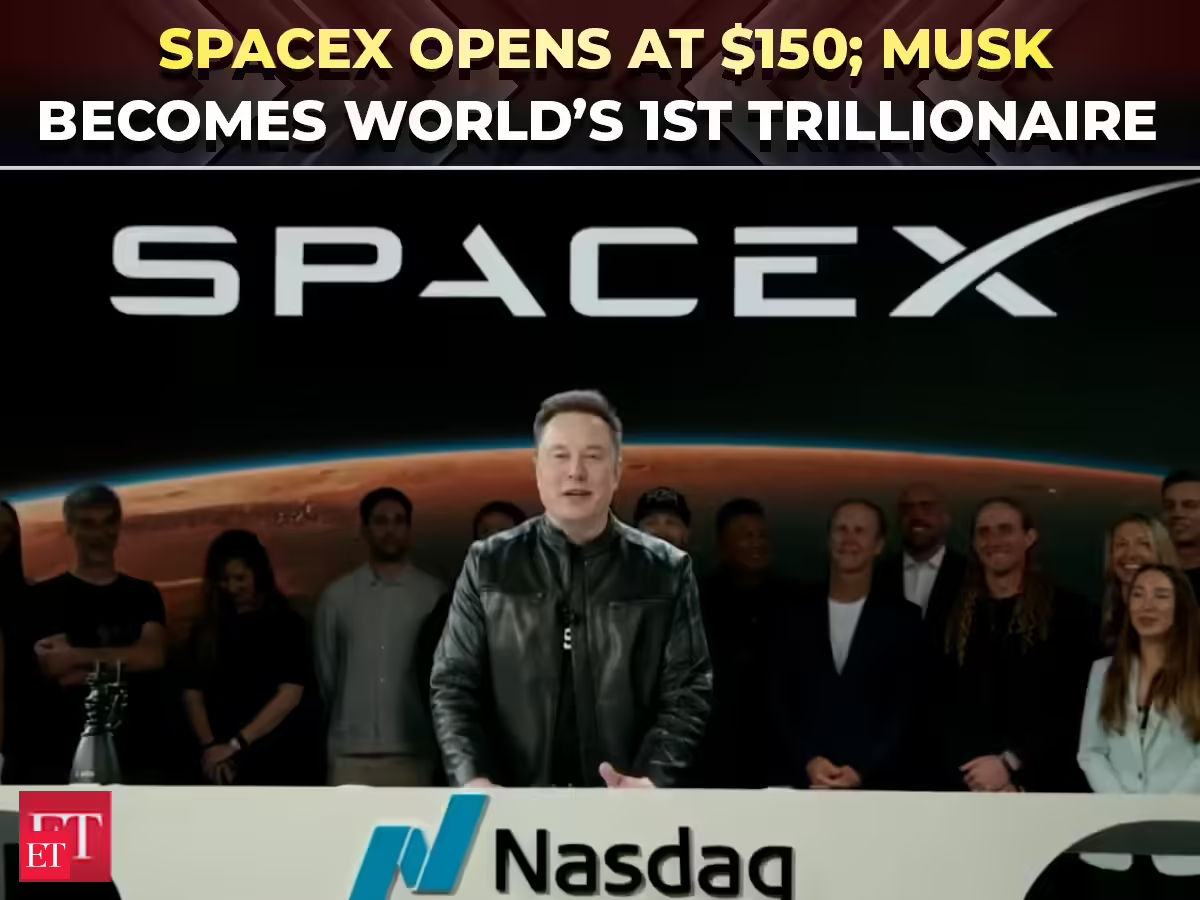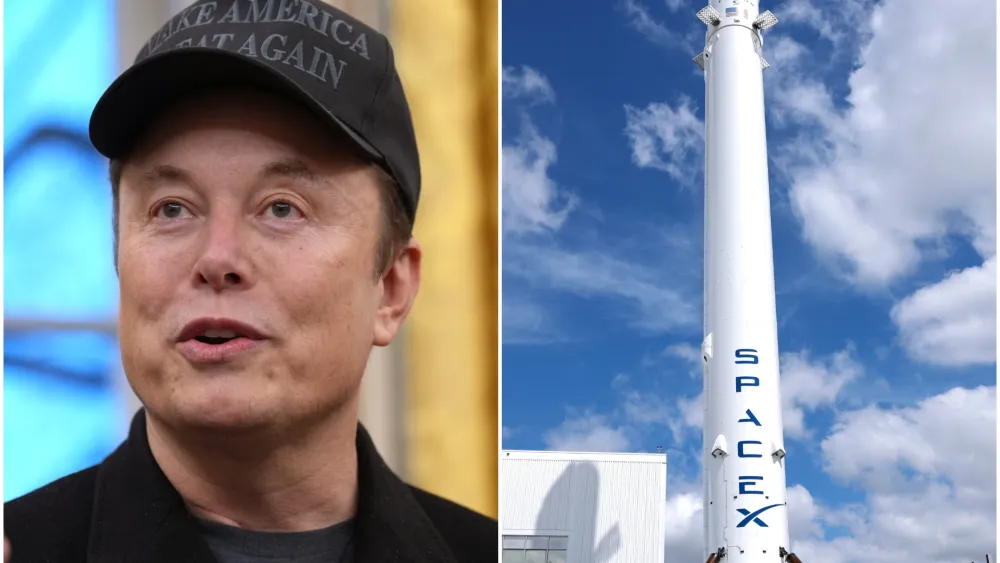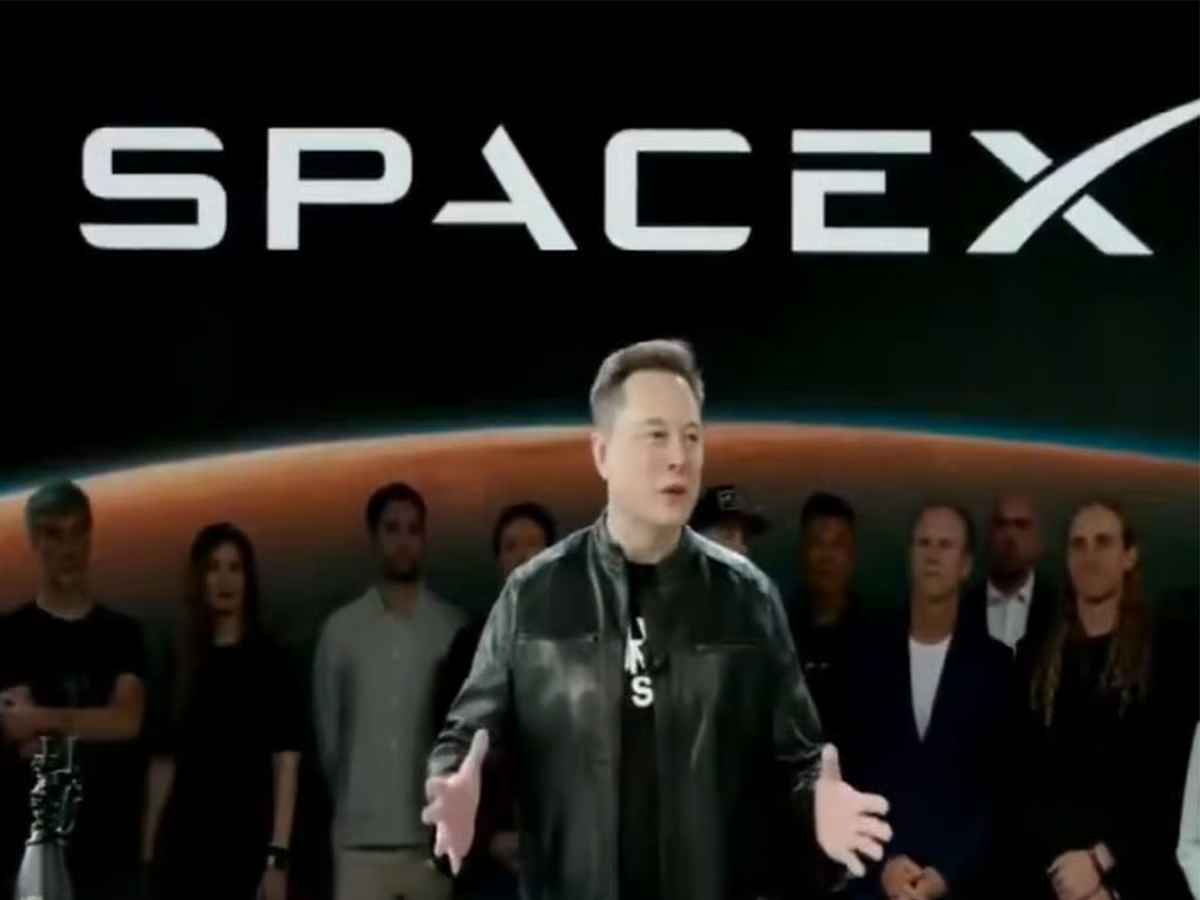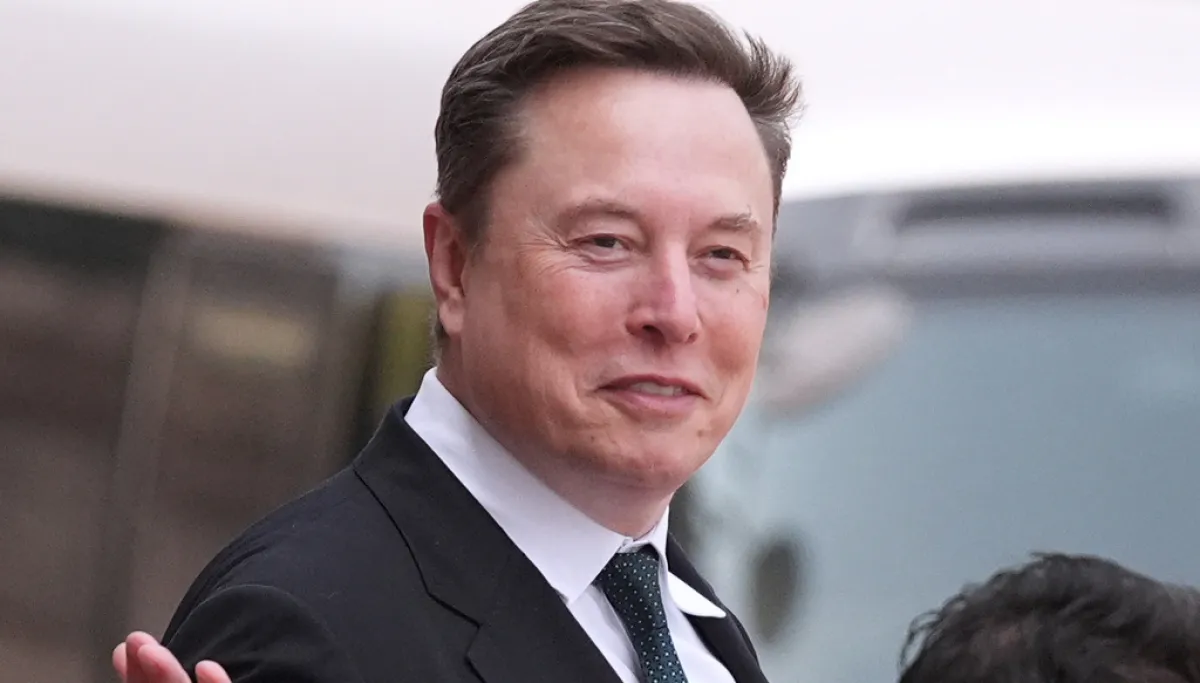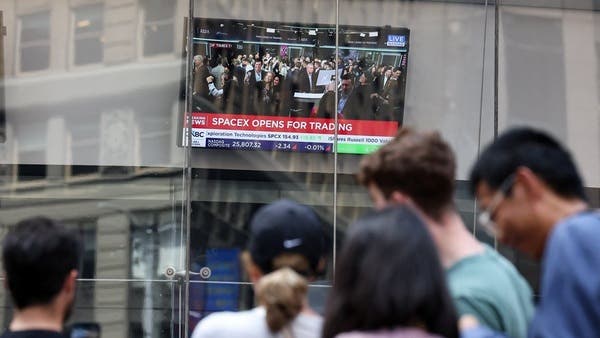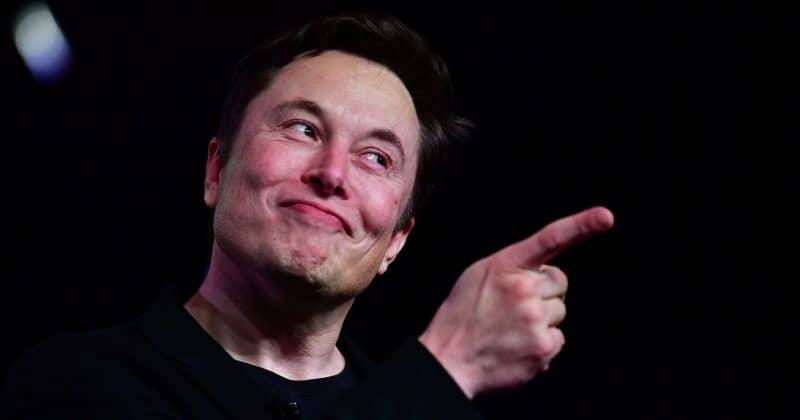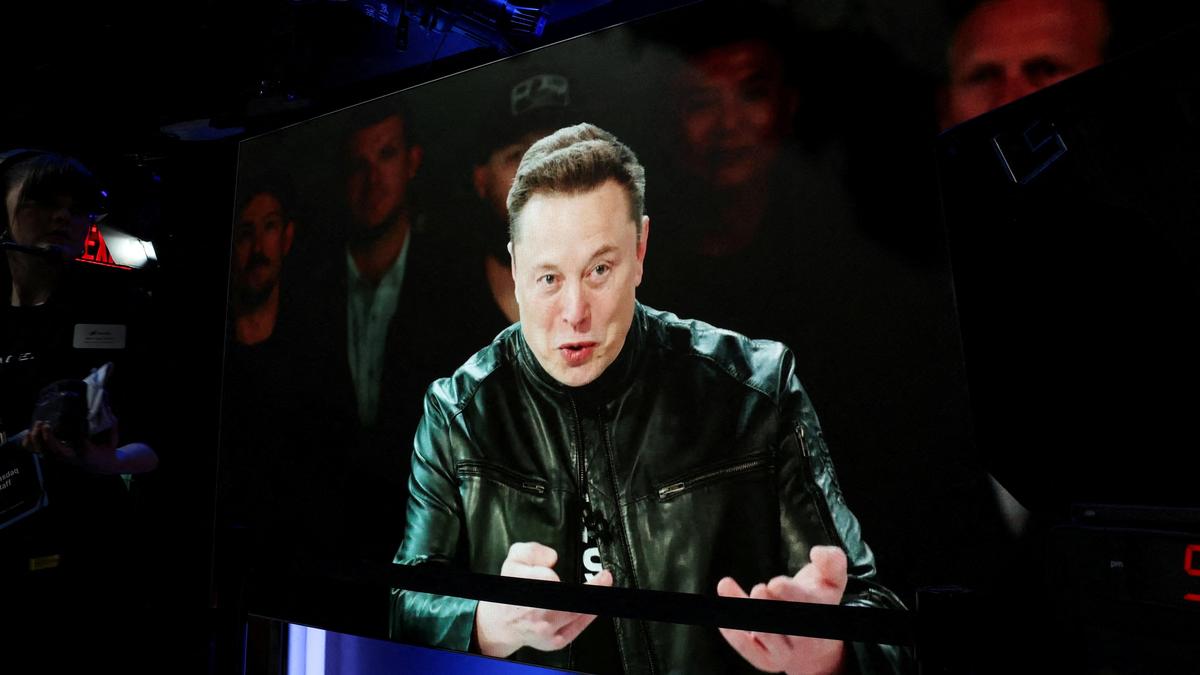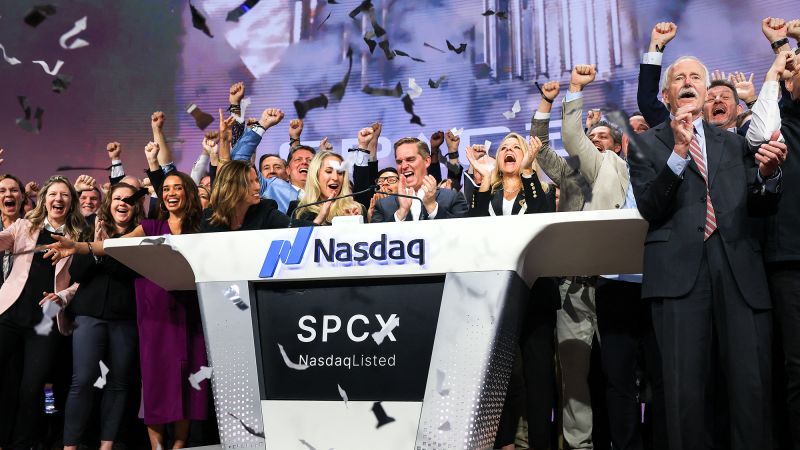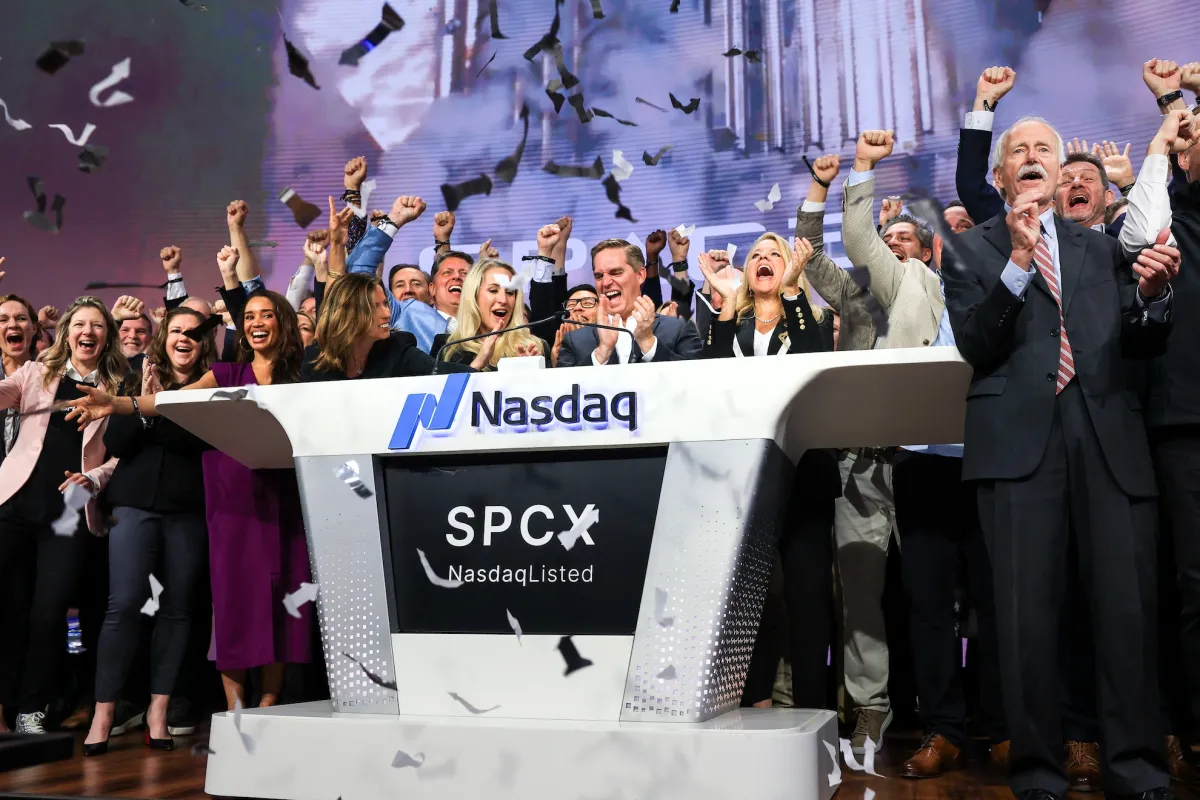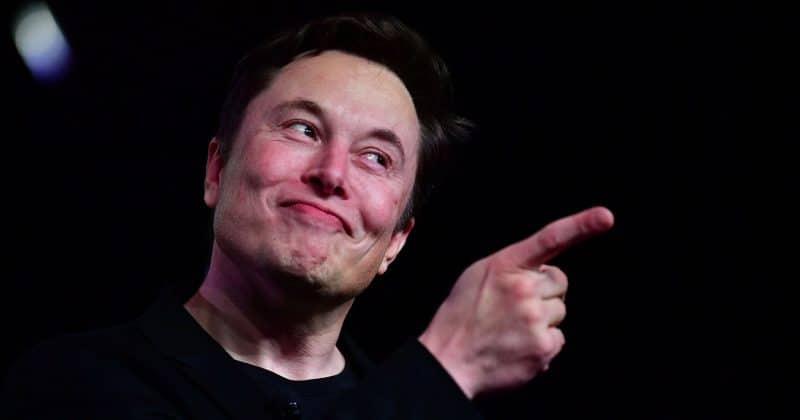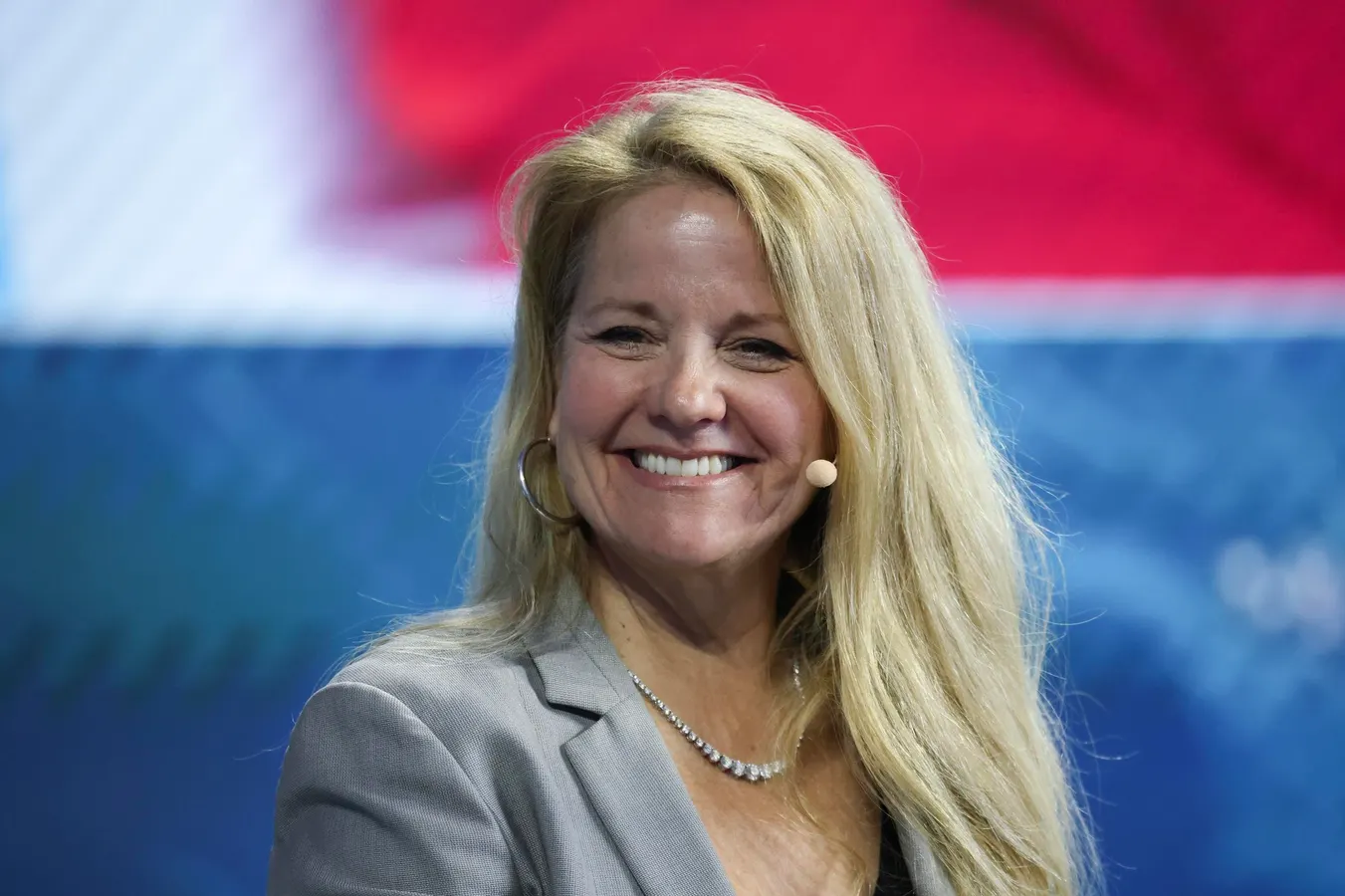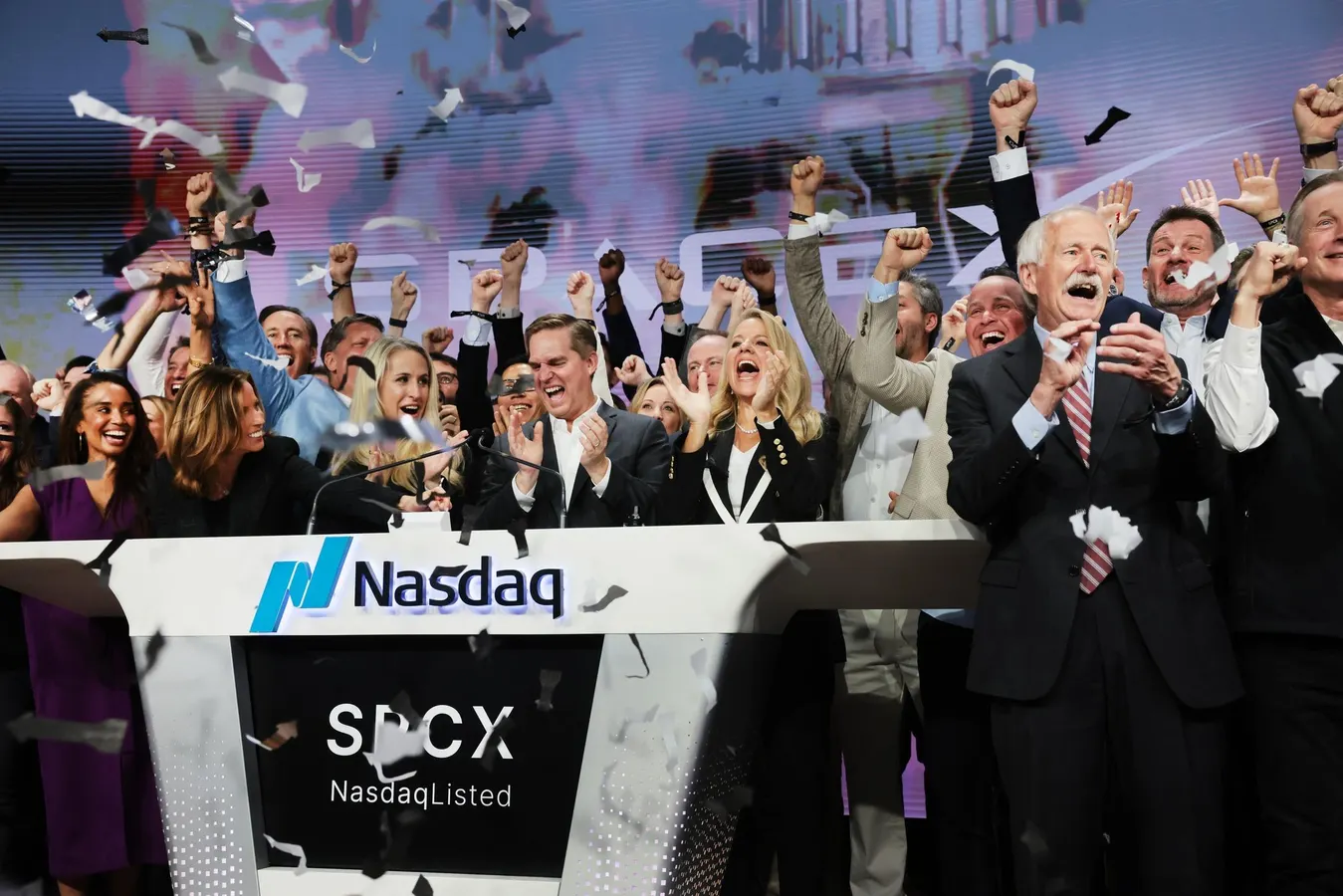
SpaceX President Gwynne Shotwell celebrates with employees the launch of the SpaceX IPO. (Photo by Spencer Platt)Getty ImagesIn what is being heralded as the largest IPO in Wall Street history, SpaceX has gone public at a nearly $2 trillion market cap with Elon Musk confirmed as the world’s first trillionaire by Forbes. Other big winners include Peter Thiel’s Founders Fund which wrote SpaceX’s first institutional check, along with Valor Equity Partners and DFJ Growth, together scoring a $230 billion windfall. With 4,400 SpaceX employees now estimated to be millionaires and 400 worth over $100 million, according to a Hill.com analysis cited by the New York Times, there is intense speculation about the knock-on effects of what is expected to become the largest wealth-creation period of all time.This is particularly true in San Francisco, home to OpenAI and Anthropic which have massive IPOs in the pipeline and other AI unicorns like Notion, Harvey and Plaid on IPO watch lists. Most hotly-awaited are Databricks and Stripe which have said they are watching from the sidelines.For venture investors, the immediate impact is clear: more liquidity, more risk-taking and a new generation of founders armed with capital and ambition to fuel the next era of innovation.“These IPOs mean that a lot of money is going to flow back into the San Francisco Bay Area and the overall tech ecosystem, said Siddharth Ramakrishnan, Principal at Scale Venture Partners. ”We’re going to see more angel checks, more people chasing crazy ideas, and more founders pushing the envelope than we have in a while. After all, PayPal’s exit is what gave Elon the capital to chase SpaceX in the first place."Ramakrishnan points to PayPal’s $1.5 billion acquisition by eBay in 2002 as one of those seminal transactions whose ripple effects are still shaping Silicon Valley. The deal created a generation of wealthy founders and funders dubbed the “PayPal Mafia” which included Elon Musk, Peter Thiel, Reid Hoffman, Max Levchin, David Sacks, Roelof Botha, Jawed Karim, Steve Chen and Chad Hurley. They would go on to build some of the most influential technology companies of the modern era including YouTube, Palantir, Affirm, Founders Fund, LinkedIn, Tesla and SpaceX. Reid Hoffman and Elon Musk would become part of the group that founded OpenAI in 2015. And six years later, seven OpenAI employees would go on to found Anthropic. "These IPOs will give these frontier labs—and their inevitable spinouts—the means to invest in building their capacity and growing the overall AI ecosystem, which is exciting," Ramakrishnan explained. “But they’ll also drive up Bay Area housing prices even further, which is not.”Trepidation over what the IPOs will do to affordability in the region is quickly making San Francisco a tale of two cities--one of the stocks-haves and have-nots.With people selling their homes for OpenAI and Anthropic stock amid mass layoffs being attributed to AI productivity gains at Salesforce, ServiceNow and Block, among others, reports of dramatic rent increases have residents questioning whether the coming boom will lift the broader economy or simply make one of America’s most expensive cities even more unaffordable.Of course, San Francisco has always been a boom and bust town, back to the days of the Gold Rush. And out of the ashes of the Great Recession from 2007 to 2009, came the iPhone and mobile app economy, with San Francisco startups Uber, Airbnb, Instagram, Slack, Square and Instacart forever changing how we live our lives. We are at that pivotal moment again, said Manthan Shah, Principal at WestBridge Capital.“This is a historic time for the startup ecosystem. We have never seen this amount of capital raised by one company, let alone three companies,” he said. “The amount of liquidity and capital available for startups is going to be at a historic high. Data center spend is already on a tear that will continue." Shah is keeping watch on the next 18-24 months for the most audacious ideas. Wen Sang, cofounder and COO of Genspark, a no-code agentic workspace startup that made it on to the Forbes AI50 list this year, said he is looking forward to the OpenAI and Anthropic listings as a major liquidity unlock for the broader ecosystem and notes Genspark is already seeing increased inbound investor interest as momentum builds. The Silicon Valley-based company reported a $2.6 billion valuation at the close of its Series B extension with $250 million in annual recurring revenue.Further afield, Finnish VC Play Ventures’ Anton Backman agrees that the IPOs will serve as a liquidity unlock to free up capital currently concentrated in the LLMs and foundation model race, enabling greater funding of the application layer. “We’ll finally see VC growth capital move into hot consumer categories like microdramas, AI utility and prosumer tools, and AI-native creative tools now that they’ve proven they’re here to stay. That consumer thesis is exactly where we’re placing our bets," he said. “Kalshi and Polymarket already show that modern consumer platforms can attract VC at real scale, but now we want to see that trickle down to other categories as well.”Updated June 12 with Forbes confirmation of Musk as world’s first trillionaire and SpaceX IPO trading details
Hot IPO Summer: Elon Musk Is World’s First Trillionaire, What’s Next For AI?
With SpaceX now the largest IPO ever and OpenAI and Anthropic in the works, thousands of mega-millionaires are about to be unleashed onto SF and beyond. Here's what's happening.
854 words~4 min read