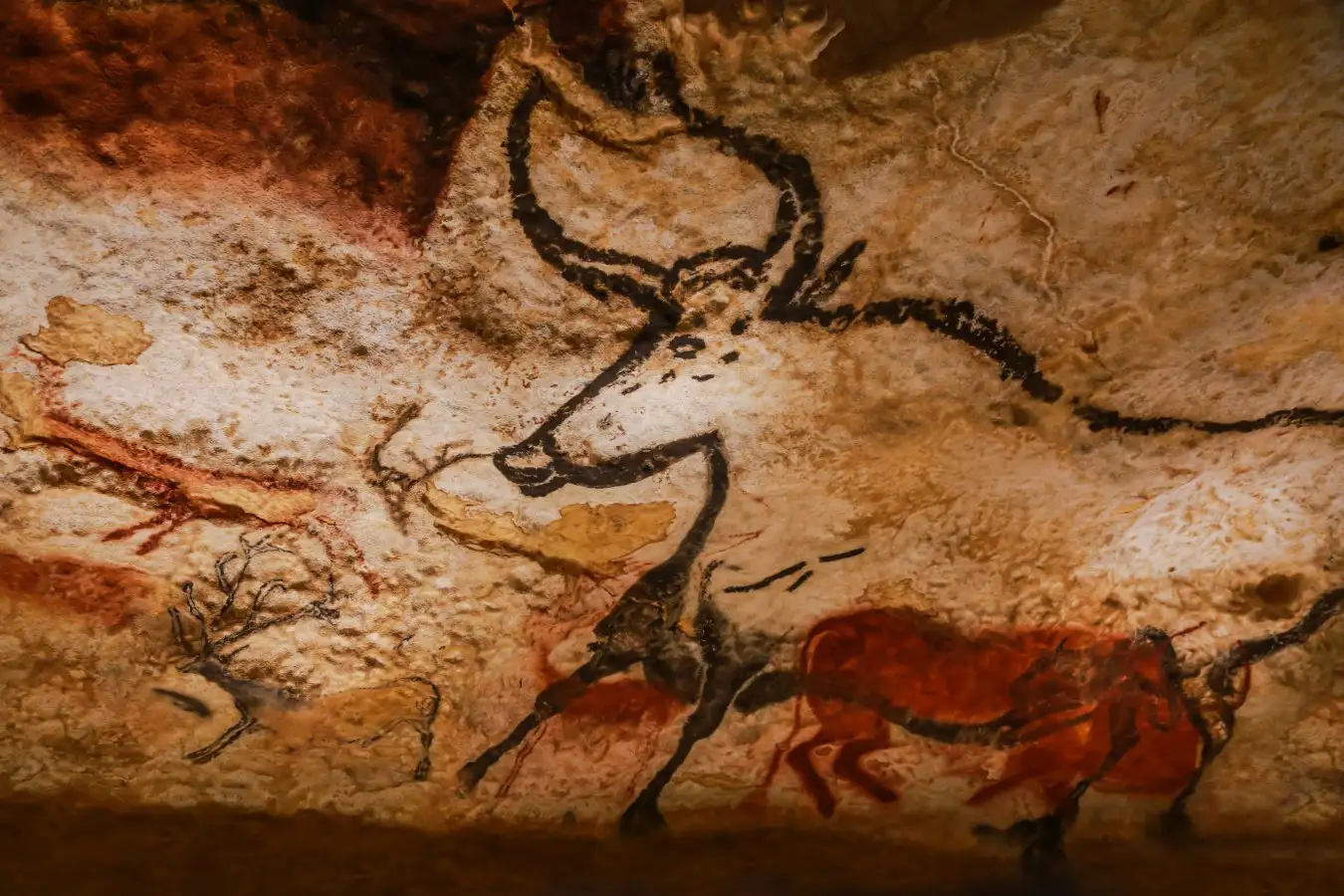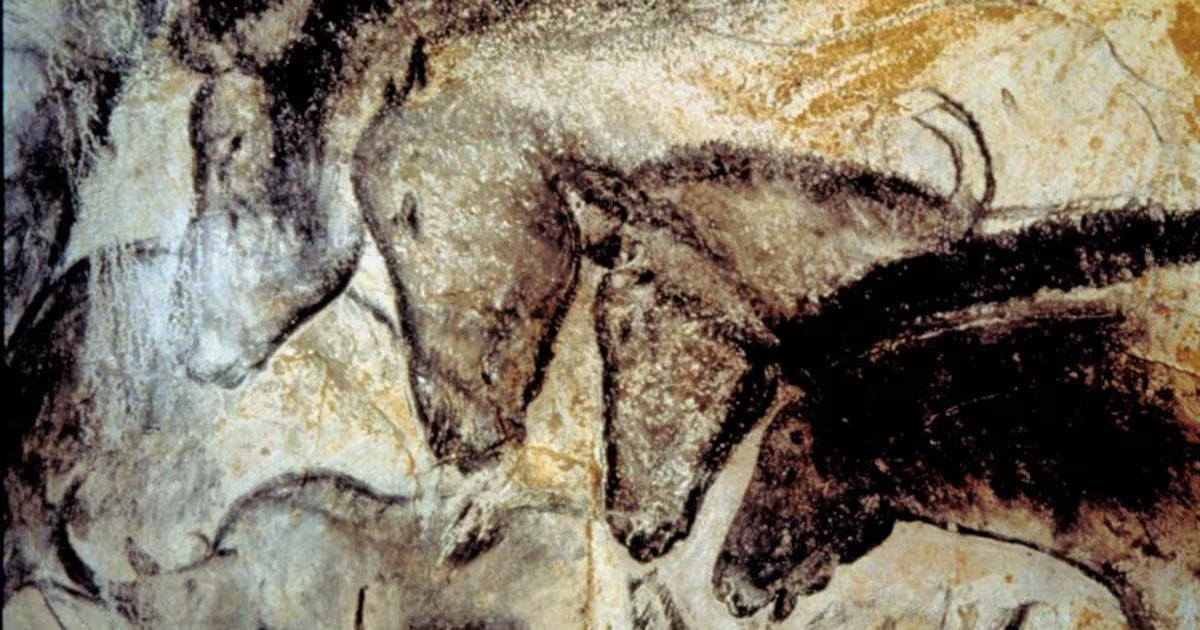
Animate: How Animals Shape the Human Mind Author: Michael Bond ISBN-13: 978-1035021246Publisher: PicadorGuideline Price: £22Jonathan Swift loved to wind up readers by insisting we are no better than any other animals. In his 1732 poem, The Beasts’ Confession, the Anglo-Irish satirist imagined a wolf, an ass, a pig, a monkey and a goat protesting to a priest that their sins are only natural. If these creatures also adopted our unique vice of hypocrisy, Swift concluded, they would actually “degenerate into men”.While Michael Bond’s erudite study of the human-animal relationship takes a more scientific approach, its tone is almost as provocative. For too long, the author argues, western philosophers and theologians have promoted an artificial divide between ourselves and the rest of the natural world. Instead we should embrace a new “transhuman ethic” that respects the emotions, brain patterns and physical sensations shared by all living beings.Bond, not to be confused with the children’s author who created Paddington Bear, draws heavily on his experience as an editor at New Scientist magazine. He begins with an awestruck account of viewing 17,000-year-old cave paintings in southern France. The empathy those hunter-gatherers had for woolly mammoths and sabre-toothed tigers, he suggests, is in shameful contrast to how we subjugate their modern-day equivalents.From there, Bond piles up evidence to support his thesis that animals remain buried deep in the human psyche. He dissects some recent research on why our minds readily perceive bestial shapes, which may explain the sightings of dinosaurs in Loch Ness and giant apes roaming the Himalayas. There are neat summaries of the latest thinking about nonhuman feelings, consciousness and communication.Bond’s other lines of inquiry veer towards the offbeat. He recounts historical curiosities such as the 1457 trial and hanging of a sow near Paris for partially devouring a five-year-old boy (her six piglets were acquitted). He analyses the psychological conditions that make people hoard stray cats or dream of huge cockroaches. Most entertainingly he meets therians who believe they have changed species, interviewing “seven wolves, two snow leopards, two brown bears, two coyotes, a bonobo, a striped hyena, a dolphin and a pine marten”.Animate is a strange beast of a book, constantly flitting between anthropology, neuroscience and cultural studies. As a collection of stimulating ideas about our true place in the animal kingdom, however, Bond’s intellectual menagerie is certainly teeming with life.Andrew Lynch is a freelance reviewer
Animate: How Animals Shape the Human Mind – An intellectual menagerie
This strange beast of a book constantly flits between anthropology, neuroscience and cultural studies
396 words~2 min read