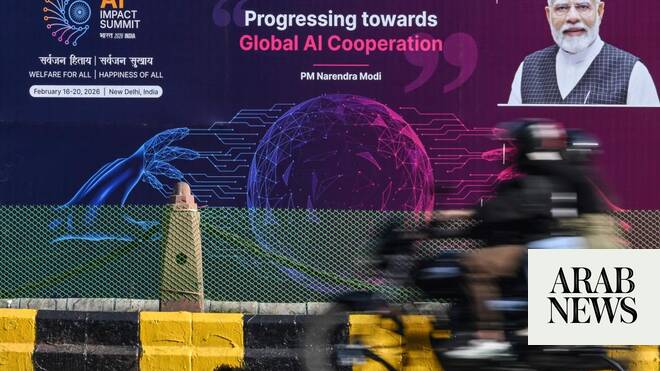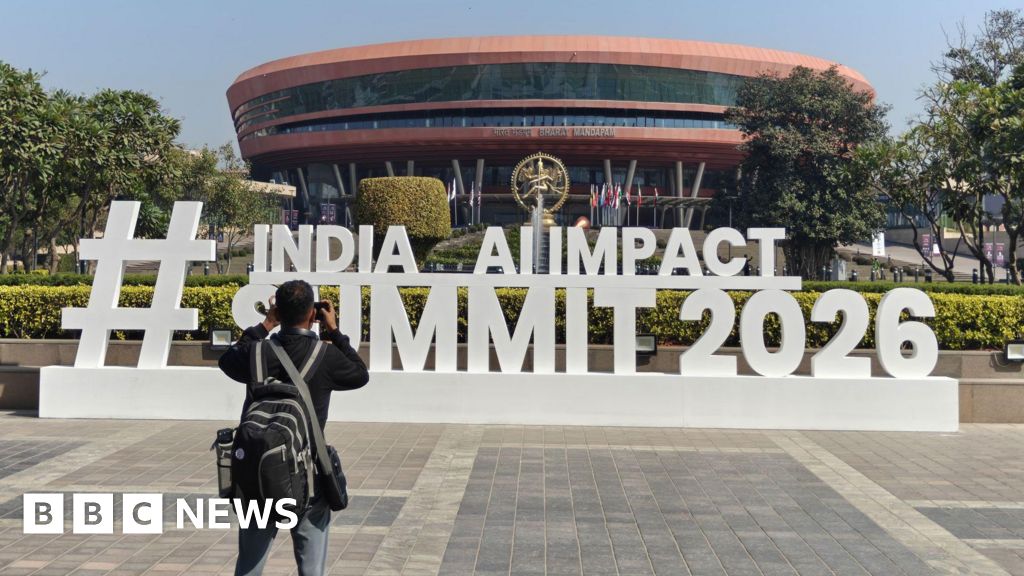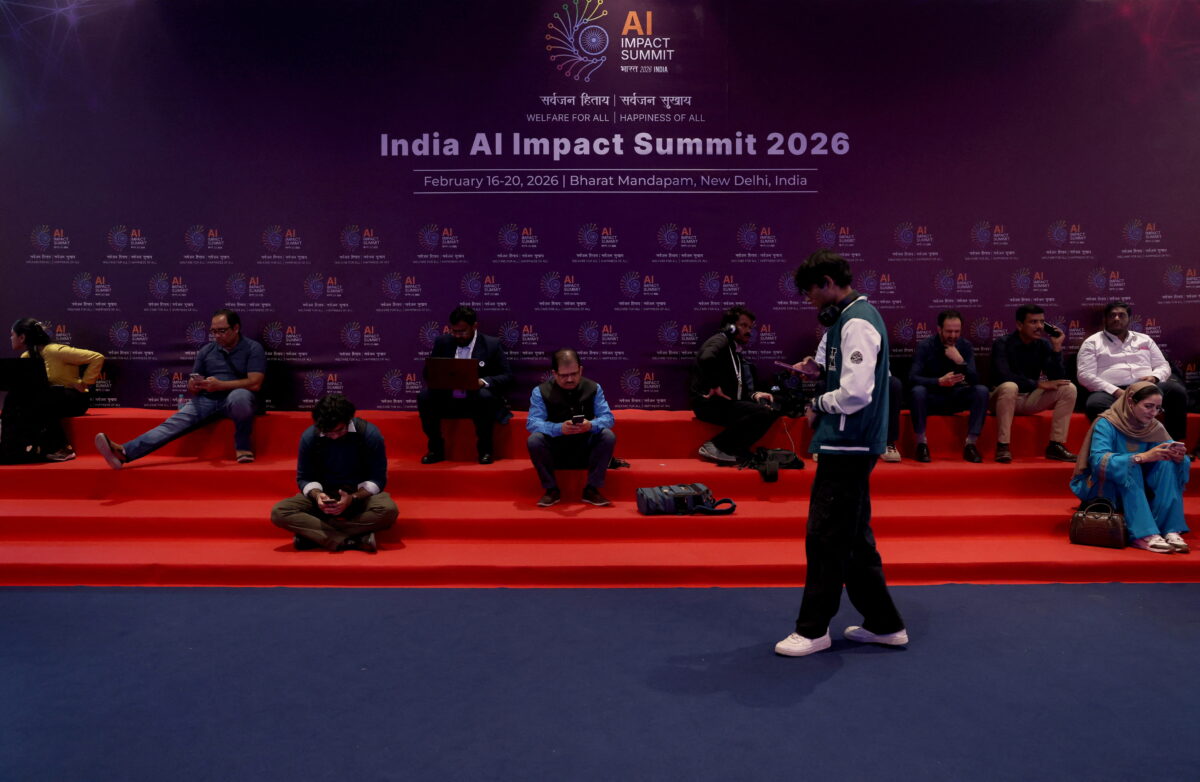
When the United Kingdom hosted the first global AI Safety Summit in November 2023, mitigating frontier artificial intelligence (AI) risks dominated the agenda. Three summits later, the emphasis has shifted from what AI might do to humanity, to what AI could do for it. India’s 2026 AI Impact Summit, held in New Delhi in February 2026, focused on how AI can support development outcomes.
Safety did not disappear from the agenda — the New Delhi Declaration expressly recognises secure, trustworthy and robust AI as foundational to maximising economic and societal benefits. But this reframing marked a deliberate effort to centre the priorities of developing countries in global AI governance debates.
India has consistently sought to stake its claim as a global AI leader which takes responsible AI and risk mitigation seriously. It has aligned itself with a series of international commitments emphasising risk mitigation, cooperation and accountability — including the 2023 Bletchley Declaration, the 2024 Seoul Ministerial Statement, the 2024 UN resolution on AI risks and the 2025 BRICS Leaders’ Statement on AI governance.
The New Delhi summit produced substantive safety outcomes. The Safe & Trusted AI Working Group unveiled the Trusted AI Commons framework to pool governance and technical safety resources, context-specific datasets and benchmarking and evaluation frameworks across jurisdictions lacking such infrastructure. The Global South Network for Trustworthy AI was also launched, a civil society-led platform to assess AI’s real-world impacts and build locally grounded oversight mechanisms.