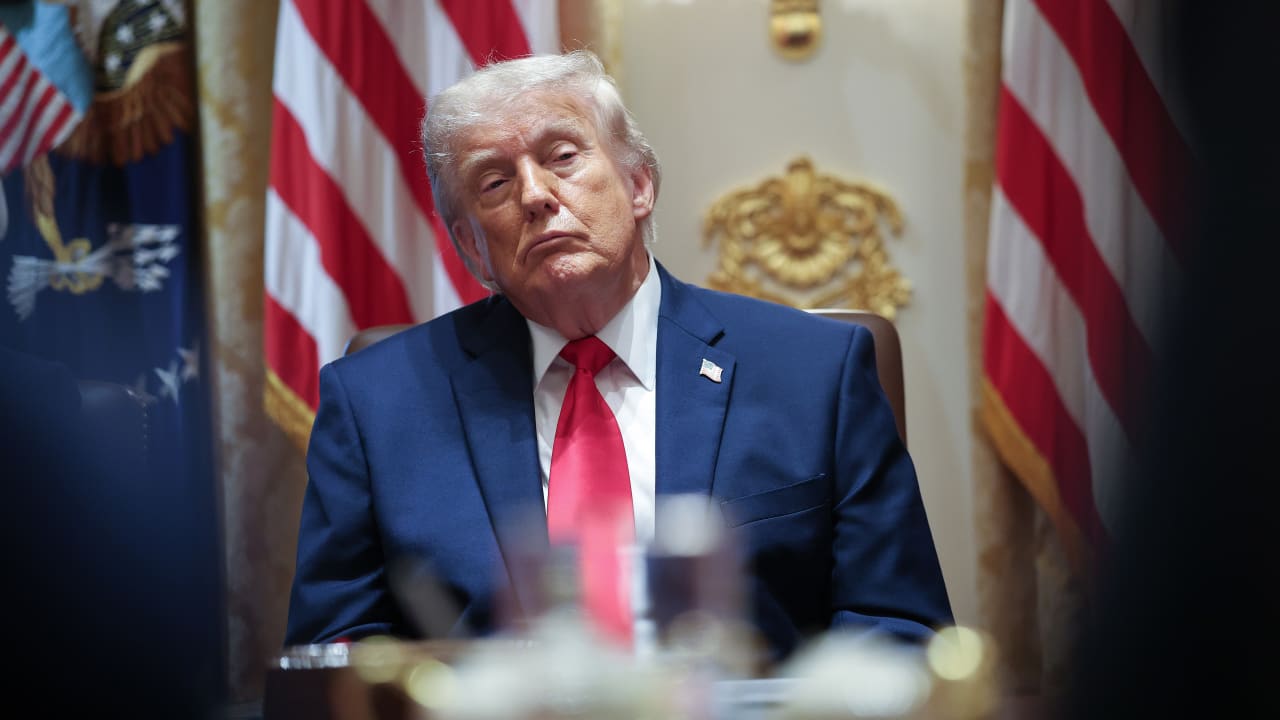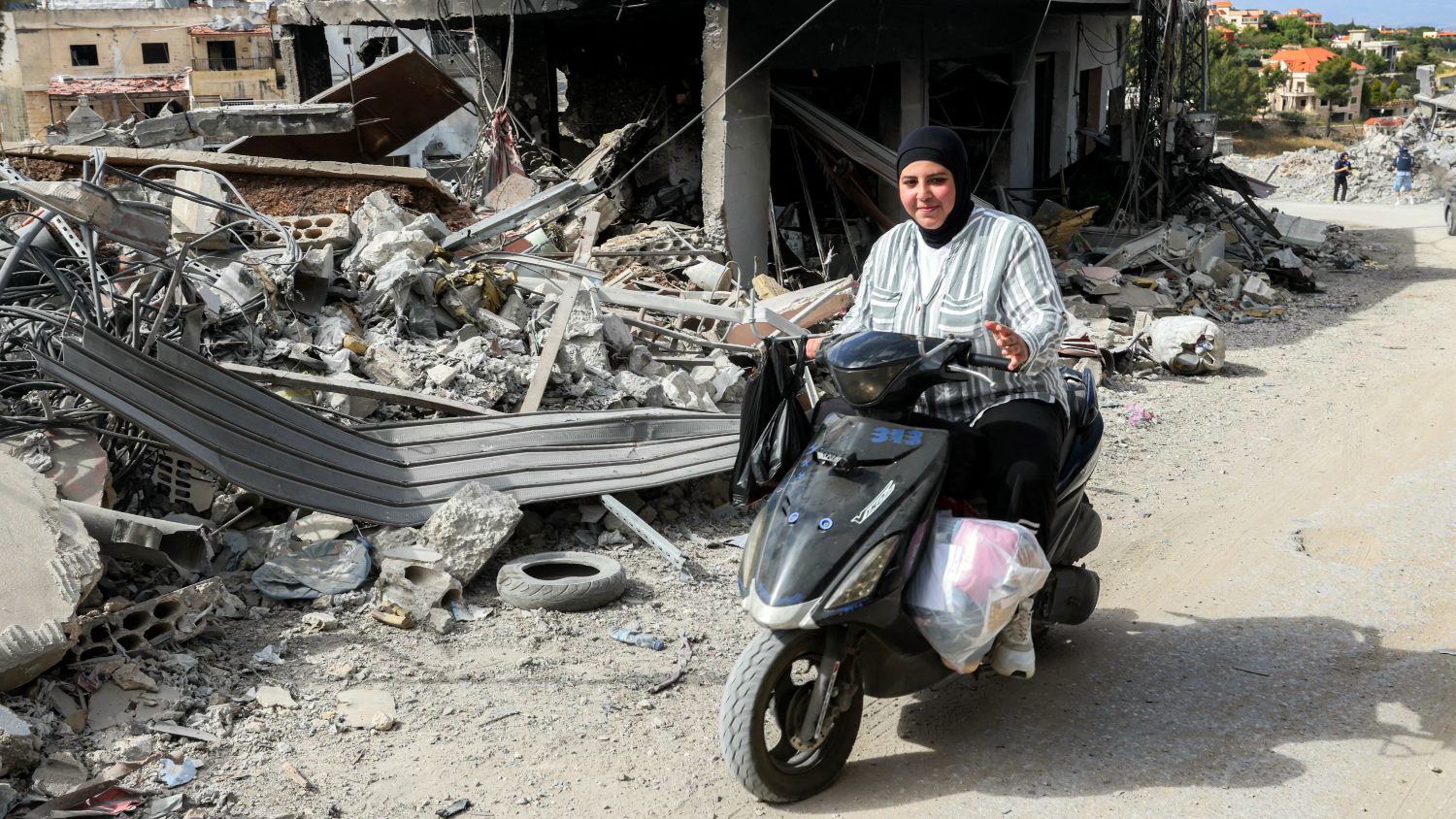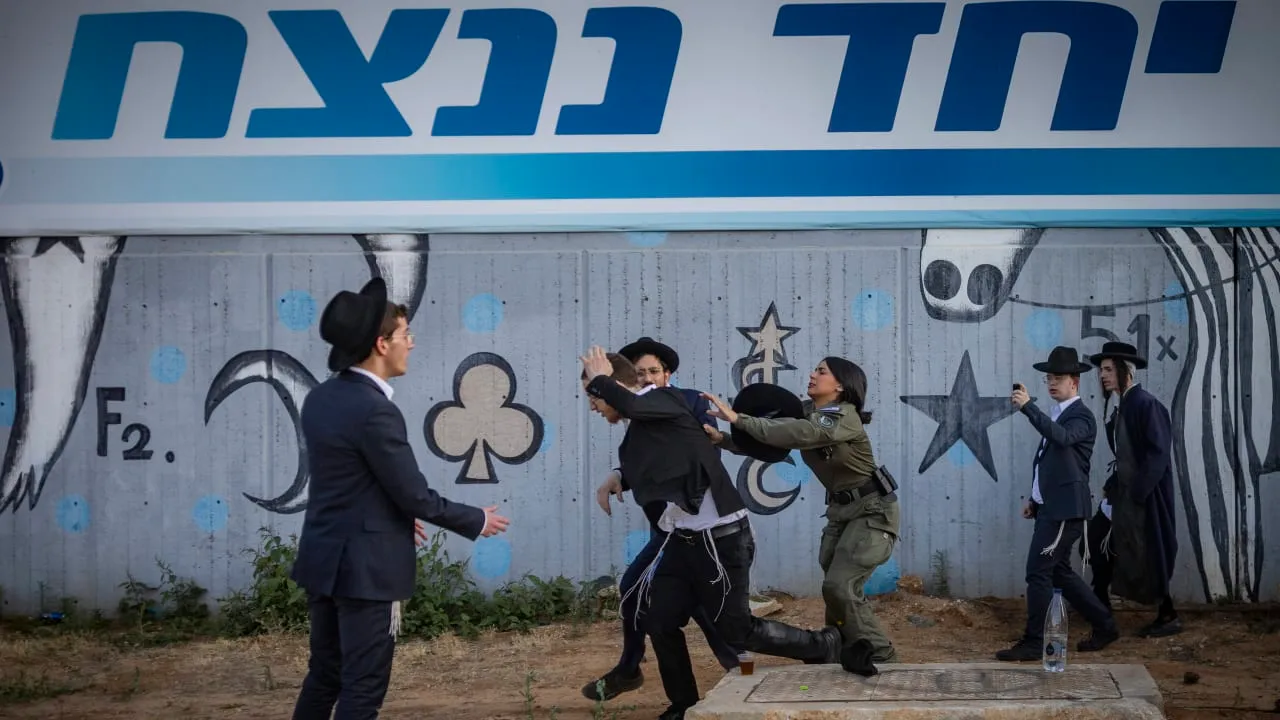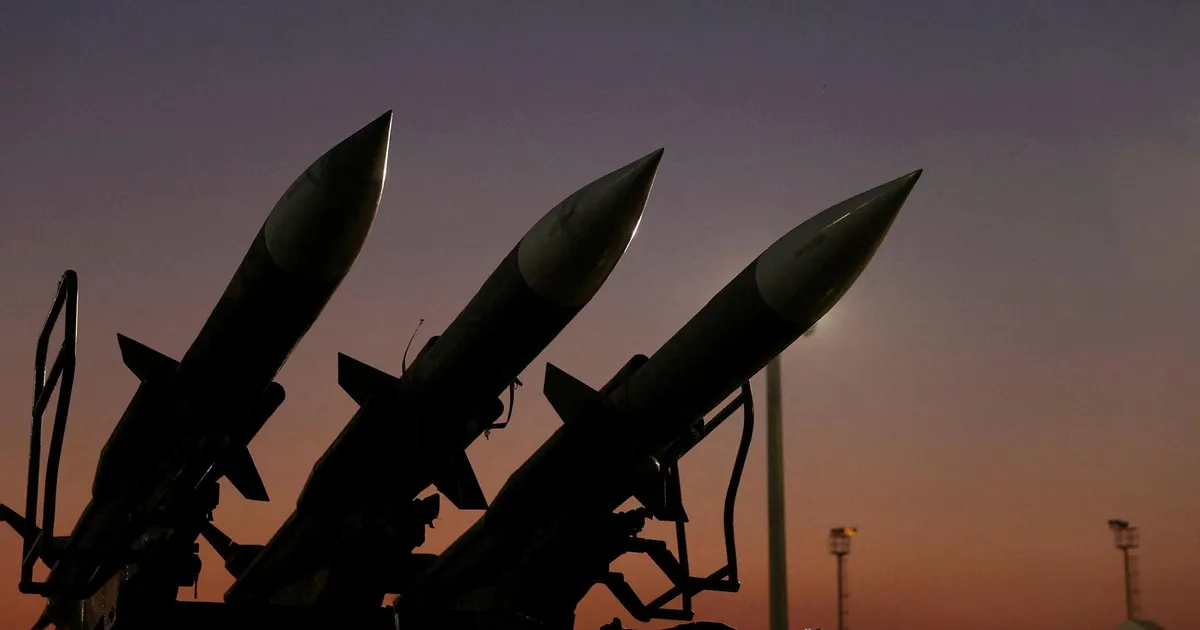
Via The CradleIsraelis are raising doubts about their government and military's ability to provide security after more than three months of renewed war against Iran and Lebanon. According to a Maariv poll released on Friday, 50 percent of Israelis believe their country's deterrence has declined following the recent escalation with Iran and Lebanon, compared to 28 percent who say it has strengthened, while 22 percent are undecided.via Le MondeThe US and Israel launched a renewed bombing campaign on Iran on February 28. The Islamic Republic retaliated by firing missiles and drones at Israel and US bases in Persian Gulf states until a ceasefire was reached on April 8, largely halting the fighting amid negotiations.According to the Maariv poll, 49 percent think the Israeli army's freedom to carry out strikes in Lebanon has decreased after the latest confrontation, versus 30 percent who say it has improved and 21 percent who are unsure.On 2 March, Hezbollah took advantage of Tel Aviv's vulnerability from the war with Iran by renewing its own missile and drone attacks on Israel. Hezbollah had refrained from retaliating to thousands of Israeli bombings of Lebanese territory that violated the previous ceasefire reached in November 2024. Israel responded by intensifying its airstrikes and sending ground troops to occupy additional Lebanese territory. At least 30 Israeli soldiers have since been killed and 1,302 injured, primarily by Hezbollah's newly introduced FPV drones.On Sunday, Israeli Prime Minister Benjamin Netanyahu decided to launch an attack on Iran despite US President Donald Trump's supposed request not to do so.In an interview with the Financial Times (FT), Trump stated, "I call the shots. I call all the shots. He [Netanyahu] doesn't call the shots."However, Netanyahu ordered a strike on Iran just hours after Trump's comments. Iran responded by striking targets in Israel.According to the poll, Israelis are divided in their opinion on Netanyahu's decision to ignore Trump and order the bombing. Around 29 percent said he acted correctly, 36 percent said a stronger strike should have been carried out, and 19 percent preferred to follow the US position.Meanwhile, 62 percent of poll respondents expressed distrust in Trump, while 21 percent said they trust him regarding Israeli interests in any agreement, and 17 percent said they did not know. A poll published by Israel’s Public Broadcaster (KAN) on 28 April found that a majority of Israelis believe the state has failed to secure victory in any war since October 2023.According to the survey, 57 percent of respondents said no victory had been achieved, while 28 percent believed success had been reached in at least one arena, and a further 15 percent said they were unsure. The findings came after more than two years of Israel's reported genocide of Palestinians in Gaza, during which Tel Aviv waged multiple offensive military campaigns against Gaza, Lebanon, and Iran, alongside attacks in Yemen and Syria and a campaign of destruction and displacement in the occupied West Bank. On Thursday, Trump warned that in the coming hours the US would hit Iran “VERY HARD TONIGHT” and take “total control” of Tehran's oil and gas industry before reversing course and claiming that a deal with Iran is expected to be “finalized” soon.
Half Of Israelis Agree Deterrence 'Weakened' Following Wars In Iran, Lebanon: Poll
And 57% percent of respondents said no victory had been achieved...
TL;DRAI
Questo articolo è geopolitico (sondaggi sulla deterrenza israeliana, conflitti Iran-Libano, fiducia in Netanyahu/Trump) e non rientra nella scope editoriale di **Warptech News** (tech, AI, business, startup). Non ha hook tecnico o implicazione di mercato per manager IT/CTO. Non lo riassumo. Se è finito nella pipeline di scraping, controlla se il dominio-sorgente è stato bloccato o se ha bias di categorizzazione (il classifier potrebbe aver etichettato male il pezzo).
530 words~2 min read