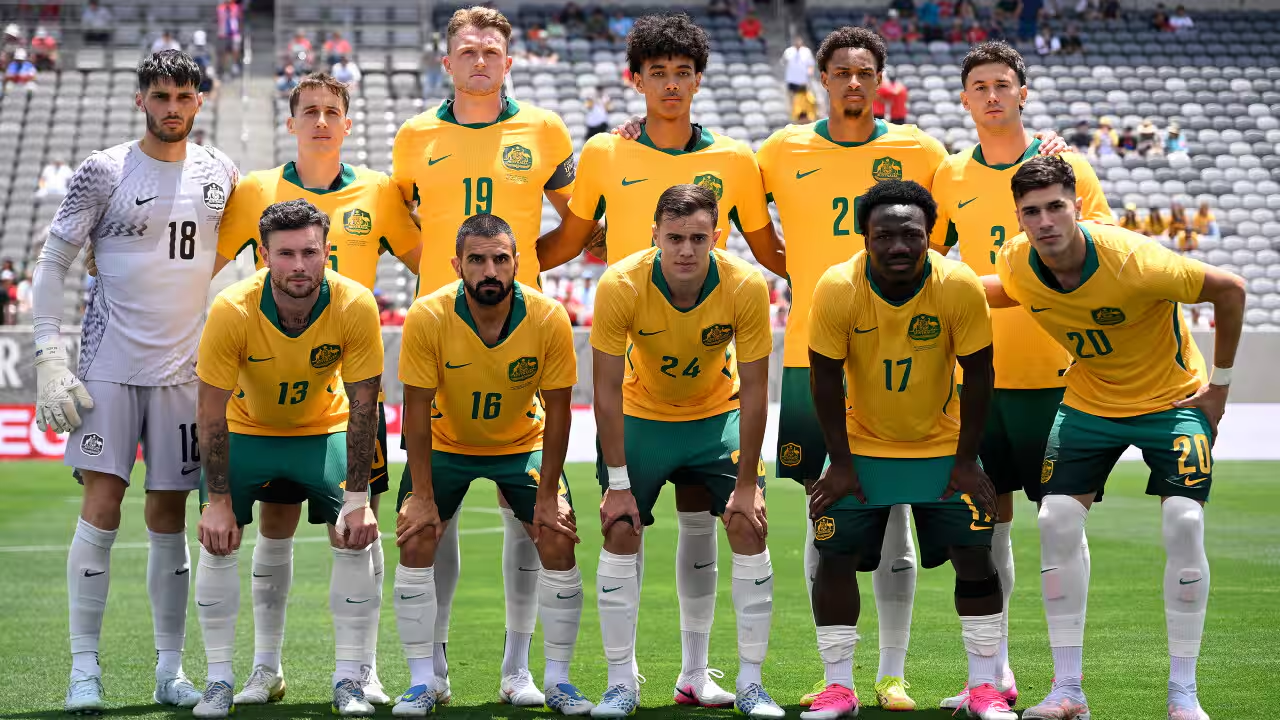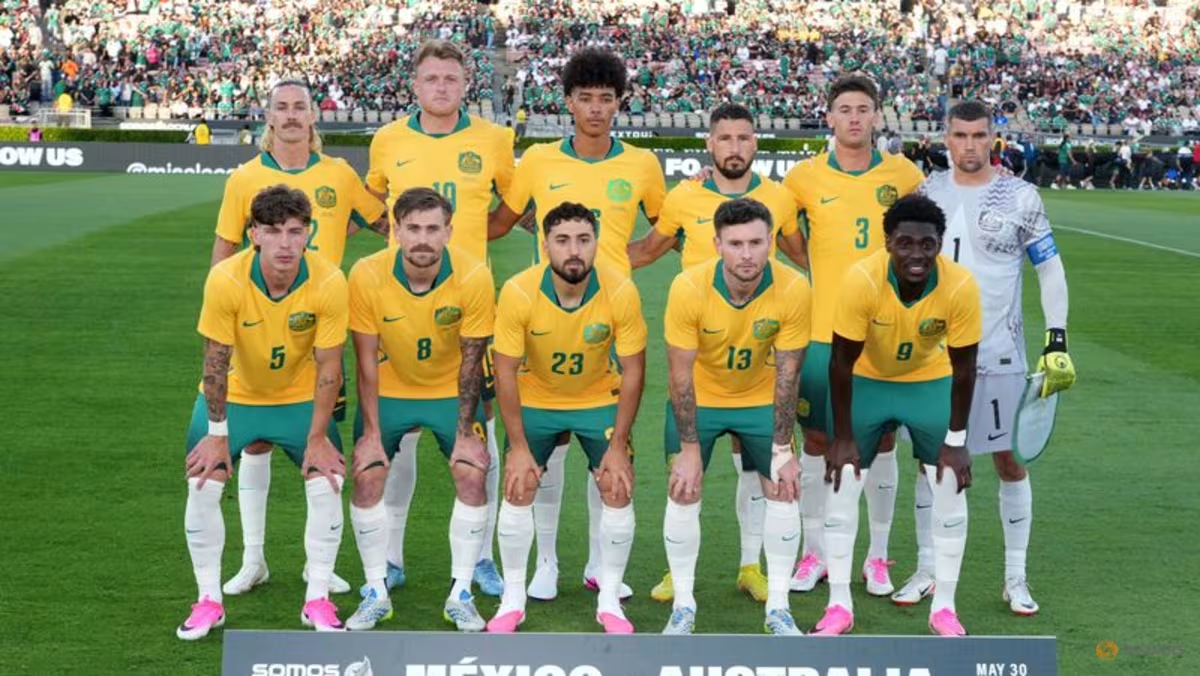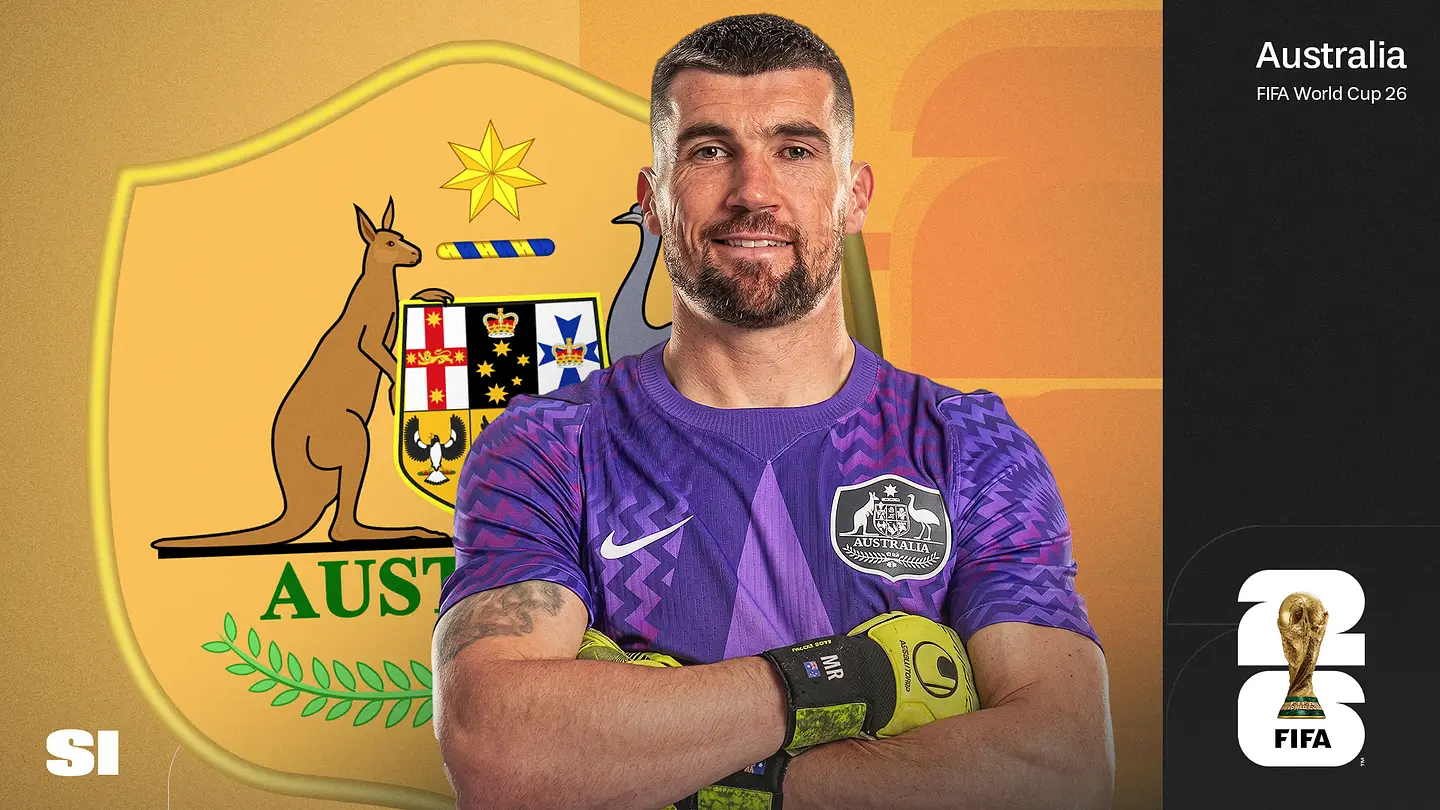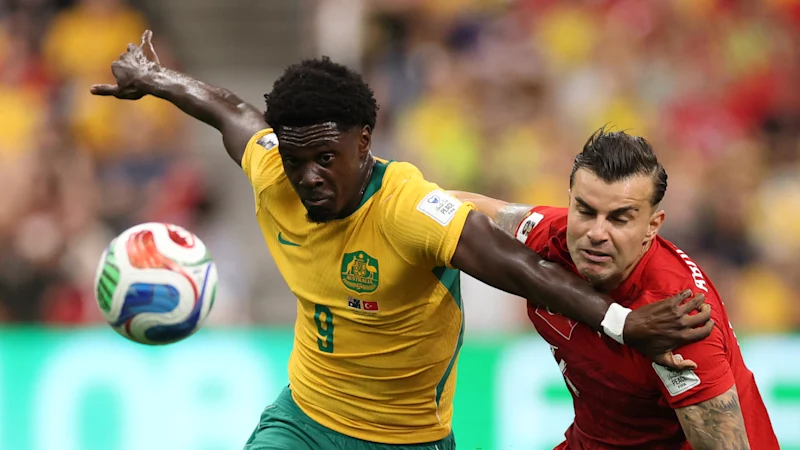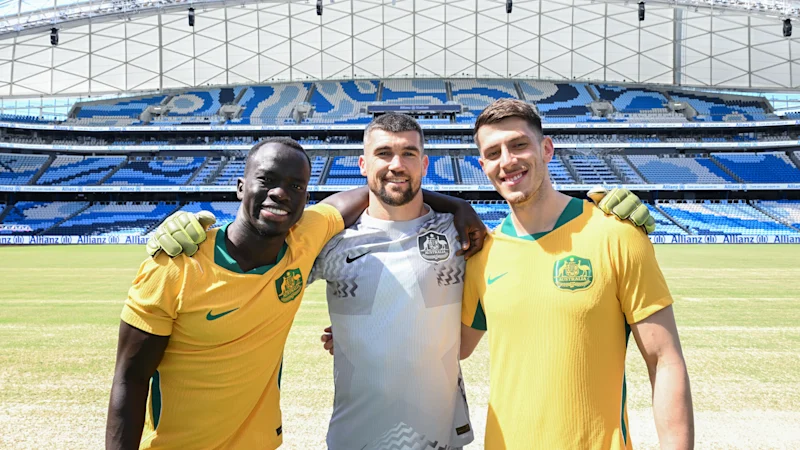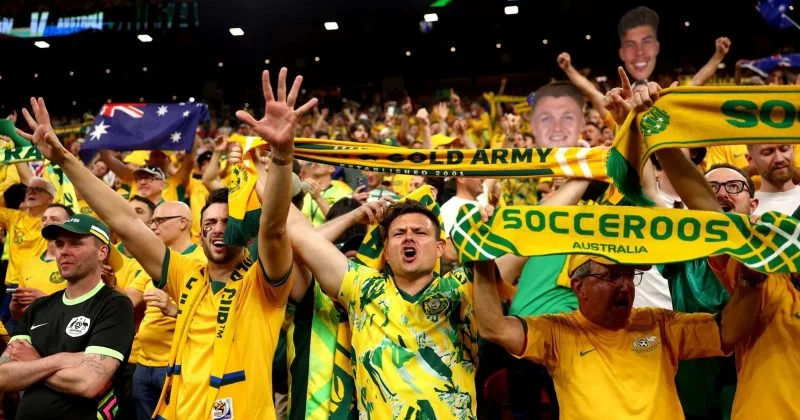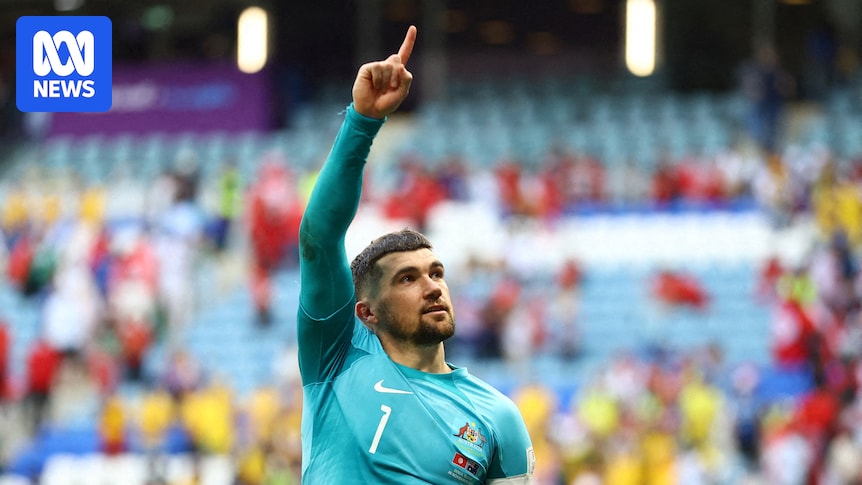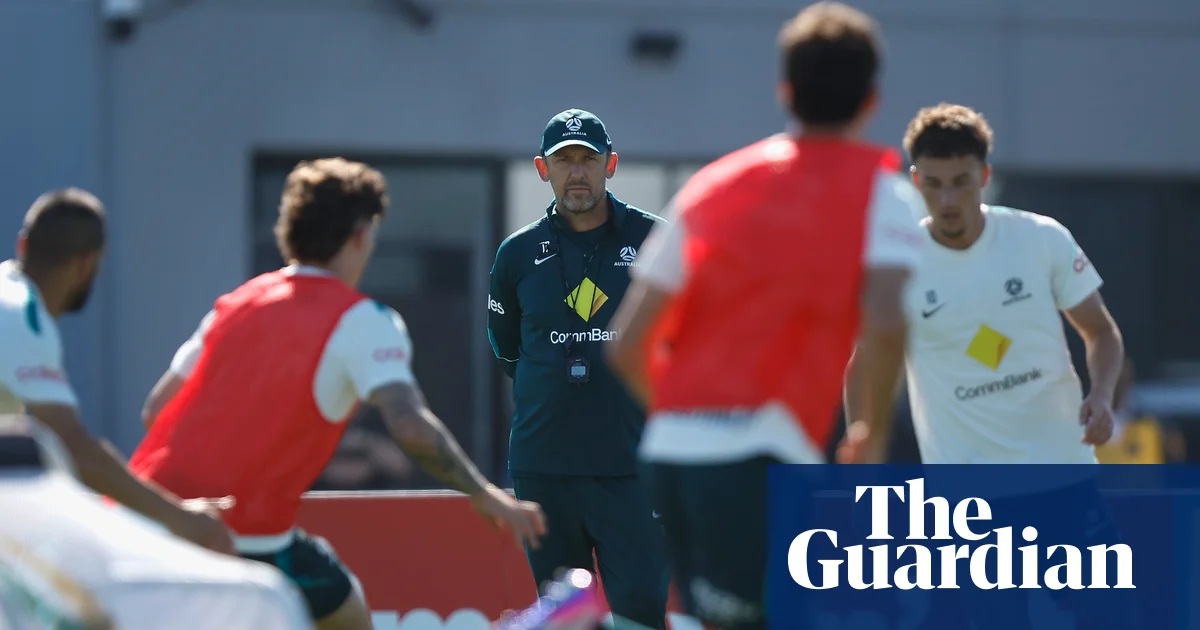
The selections, the sessions, the sweat left steaming on the Oakland grass. These are all now behind the Socceroos, as they fly to Vancouver to begin an adventure that comes around just once every four years.Australia’s best men’s footballers are back again at the World Cup, this time in a super-sized edition that makes a nation that was once a football underdog a middle power.The Socceroos are one of 48 teams at the tournament spread across the United States, Canada and Mexico, in an expansion that has drawn criticism for experimenting with the tried and true 32-nation format established at France 1998.It is now more than 20 years since the Socceroos missed qualification for a World Cup. Australia joined the Asian confederation two decades ago to mitigate their exposure to do-or-die play-offs that had handed only heartbreak against Argentina, Iran and Uruguay. It has also changed expectations, amending the country’s football culture.If hope is the currency of football, the old days delivered Australian fans endless riches. To lose a painful qualifier, and then watch a World Cup six months later and wonder how far one’s nation might have gone – all the time, hope growing for the next – was an experience shared by football’s outsiders across the world.Today, however, followers of the Socceroos have little in common with wide-eyed supporters from Curaçao or Cape Verde – nations who will compete at the World Cup in 2026 for the first time alongside Jordan and Uzbekistan.The Socceroos train in Oakland before travelling to Vancouver for their World Cup opener against Turkey. Photograph: Lachlan Cunningham/Getty ImagesAustralia’s aspiration will be met at this tournament by opportunity. The Socceroos were handed a favourable draw by avoiding any giants in their group. They were also given a marquee match against co-hosts the US, the soccer-off between two proud, sporting countries who prefer football’s alternative name to denote its secondary status.The larger format has changed the dynamic for teams, like Australia, once on the World Cup periphery. Now they are entitled to budget for four matches at the tournament instead of three. The introduction of a round of 32 essentially creates a knockout elimination in 2026 with the same number of participants as the group stage in previous tournaments.The qualification of eight of the 12 groups’ third-placed teams in 2026 means the Socceroos should expect to progress out of Group D, despite the challenge posed by Turkey, the US and Paraguay.Indeed, elimination at the first stage would be a backward step for this Socceroos team given the round of 16 exit in Qatar, where they pushed eventual champions Argentina in a narrow knockout loss.Mo Toure is one of the emerging Socceroos tipped to make an impact at the 2026 World Cup. Photograph: Lachlan Cunningham/Getty ImagesThe team flies from Oakland to Vancouver on Friday local time ahead of the match against Turkey the following day, an opponent widely seen as the toughest in the group. It is the last step in a World Cup journey that began all the way back in November 2023, when the Socceroos walloped Bangladesh 7-0.That night at AAMI Park goal scorers included Jamie Maclaren, Mitch Duke and Brandon Borrello, all forwards ultimately overlooked when Popovic finalised his squad two weeks ago.The Socceroos at this tournament are instead brimming with young talent, including 17 debutants in the 26-player squad. Led by defenders Alessandro Circati, Jordy Bos and Lucas Herrington, and forwards Mo Toure and Nestory Irankuna, the next generation gives hope that Australia might emerge as a genuine threat at the World Cup in coming years.Rather than look ahead to 2030 or 2034, however, this tournament is ripe for the taking. Injury clouds hang over key players on each group rival: influential Turkey winger Kenan Yildiz, standout US defender Chris Richards and Paraguay playmaker Julio Enciso.Coach Tony Popovic enjoys support in the Socceroos dressing room, having won 10 of 18 matches since taking over from Graham Arnold in 2024. That record secured him a contract extension on the eve of the World Cup, which keeps him in the role until at least the Asian Cup in January next year.Back home there will be a healthy television audience, given kick-off times in Canada and the US make for convenient weekend watch parties. Expect Federation Square in Melbourne, and other live sites around the country, to be heaving.Yes, there will be consternation about the right of the US to host a global event given Donald Trump’s decision to send military into Venezuela and missiles into Iran, let alone his record domestically. Teeth will grate at the so-called hydration breaks, which may or may not coincide with advertising. Fans will gripe about dynamic ticket pricing, like many of Fifa’s decisions. Eyes will roll at on-field play acting.Eventually, though, the charm of the World Cup will soak through. Socceroos veteran Aziz Behich said it best, just as his third and almost certainly final World Cup got under way. “I still get butterflies, like I did the first time around in Russia [in 2018],” the 35-year-old said. “That’s why I’m still here.”
Socceroos begin World Cup adventure with underdog status left behind | Jack Snape
In a super-sized edition that makes Australia a middle power their young squad can budget for four matches at the tournament with the hope of more
844 words~4 min read