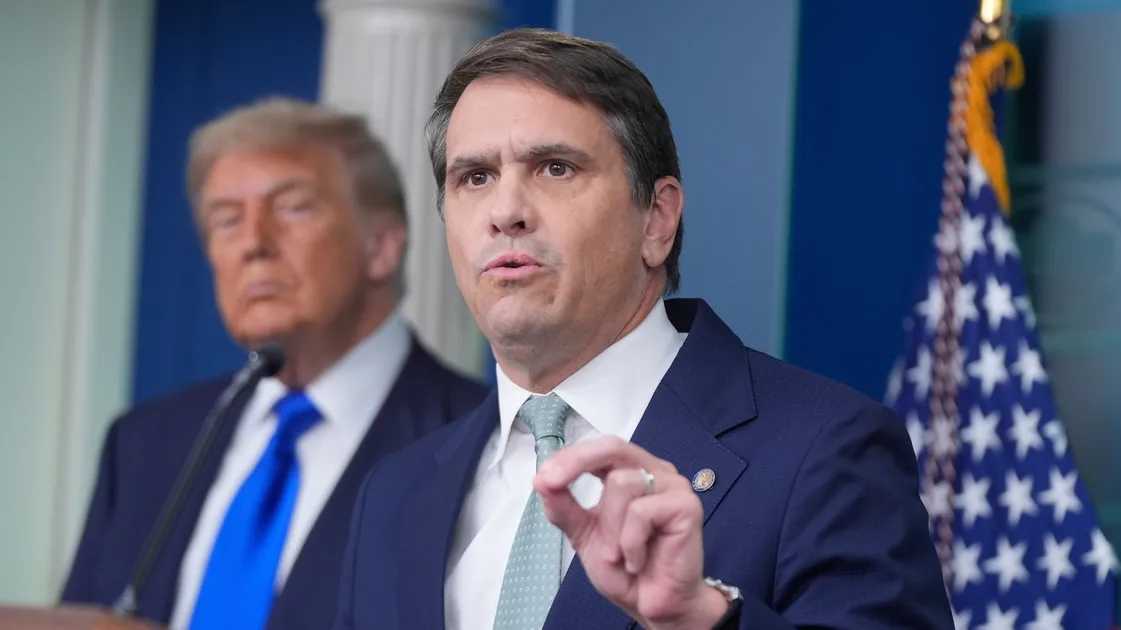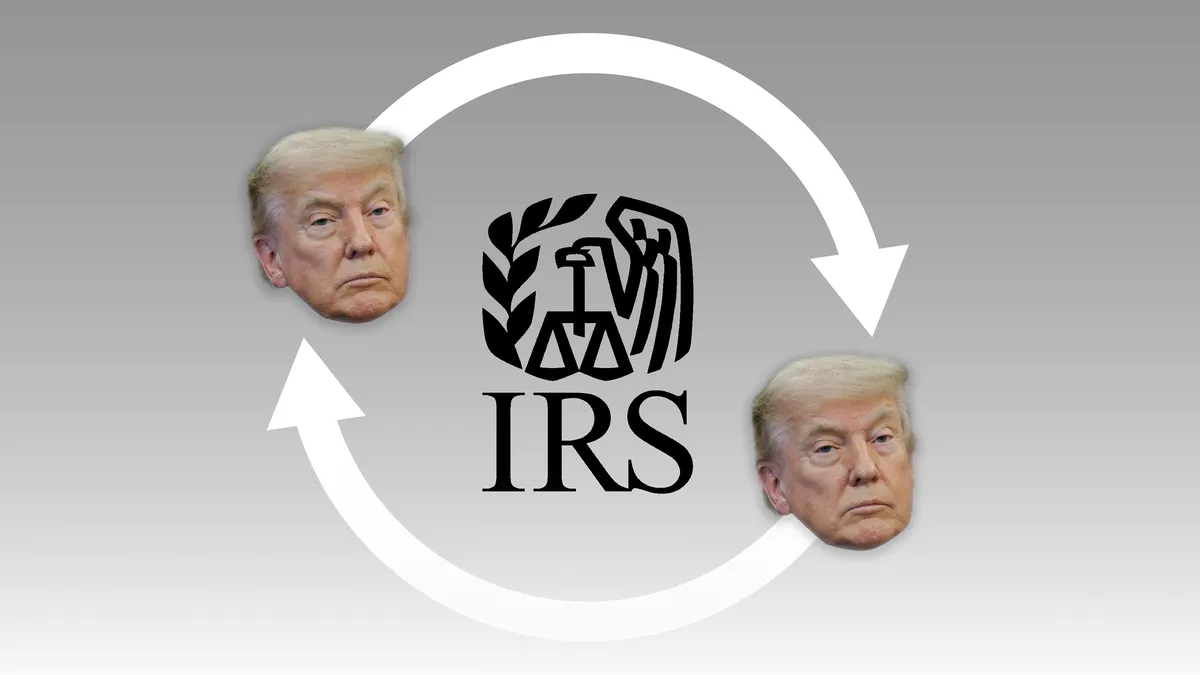
Donald Trump may have landed the biggest deal of his lifetime.In a controversial settlement which avoided a politically unpalatable transfer of Treasury funds into Trump's hands, the president and his family gained immunity from tax audits that could have cost $100 million, according to the New York Times.The release from tax liability, authored by acting attorney Todd Blanche, who has served as Trump's personal attorney, came a day after the Department of Justice agreed to create a $1.8 billion fund which would benefit Trump's allies.After political blowback, including from Republicans, Blanche declared that the fund won't move forward, but continues to litigate lawsuits questioning its legality. Today, a judge in one of the lawsuits extended an indefinite block on the fund. But Trump's tax deal stands.Here's a closer look at how he pulled it off:Here's the timeline of events:1929: U.S. Supreme Court says department heads are the "President's alter ego" in Myers v. U.S.Jan. 29, 2026: Trump sues the IRS and Dept. of Treasury for $10 billion over leak of his tax returns by a former contractor who worked for Booz Allen.Jan. 31: Asked by a reporter what it is like to be on both sides of a lawsuit, Trump replies: " ... I'm supposed to work out a settlement with myself..."April 24: The judge for the case questions whether the case is legitimate, given that Trump was on both sides of it, and orders the parties to file briefs taking a position on the matter by May 20.May 18: Dept. of Justice reveals a settlement with Trump $1.8 billion fund for "victims of lawfare and weaponization".May 19: Acting Attorney General Todd Blanche, — who was Trump's personal lawyer — releases Trump and family from tax liability, that could have cost him $100 million if he lost the case, according to The New York Times and ProPublica.May 20: A lawsuit is filed by two police officers who defended the U.S. Capitol on Jan. 6, calling the fund "the most brazen act of presidential corruption this century."May 22: Another suit is filed in Virginia, claiming the fund was created following a collusive agreement between the Trump and his own administration, and without congressional authorization.May 27: Thirty-five former federal judges ask the Miami federal judge who closed Trump's case against the IRS to reopen it in a court filing.June 3: After backlash from Republican senators, AG Blanche tells reporters that the fund will not move forward, but Trump's tax deal remains in place.June 12: A judge in the Virginia case blocked the fund indefinitely, giving Blanche and Treasury Secretary Scott Bessent a week to sign on a sworn statement stating the fund would not go forward or the lawsuit would continue.This is developing story which may be updated.
How Trump settled a lawsuit with himself and avoided a $100 million audit
In the latest Trump administration DOJ legal challenge, a judge extended an injunction blocking an 'anti-weaponization' payout fund indefinitely.
TL;DRAI
Trump obtained $100 million tax immunity via settlement with his administration, negotiated by former attorney Blanche, now Acting AG. Executive power bypassing legal accountability signals governance risk; enterprise regulatory stability depends on political negotiation, not law.
459 words~2 min read