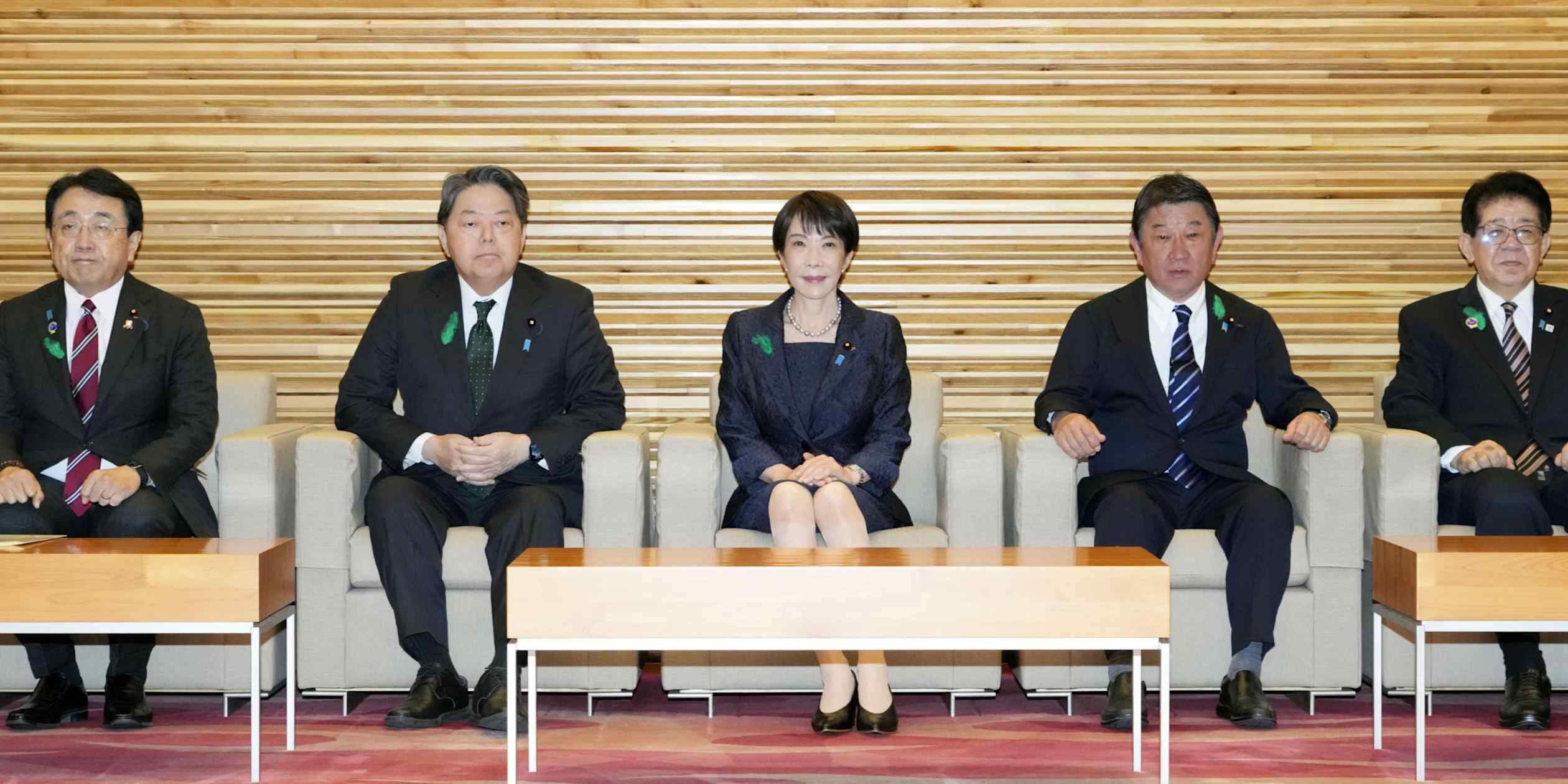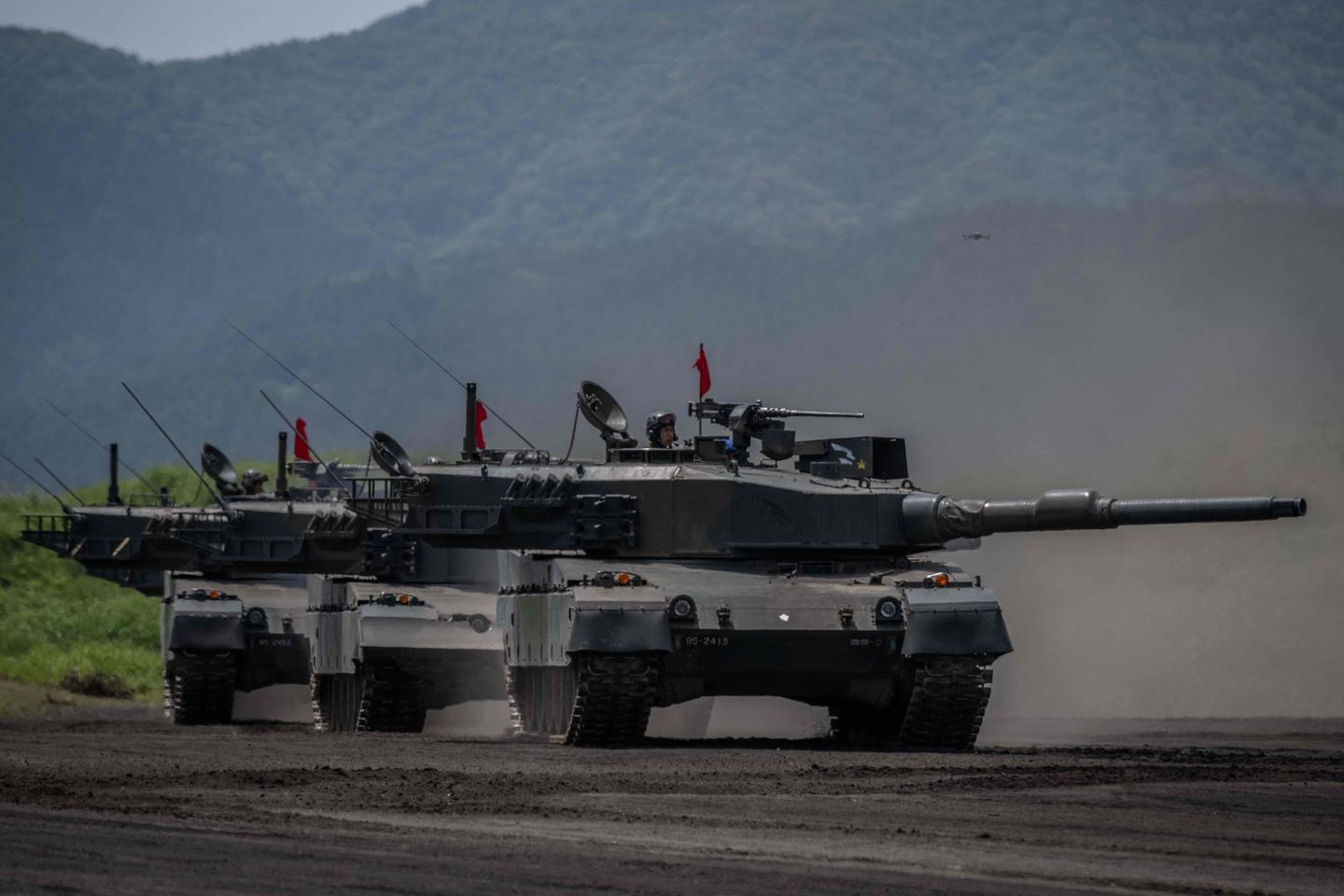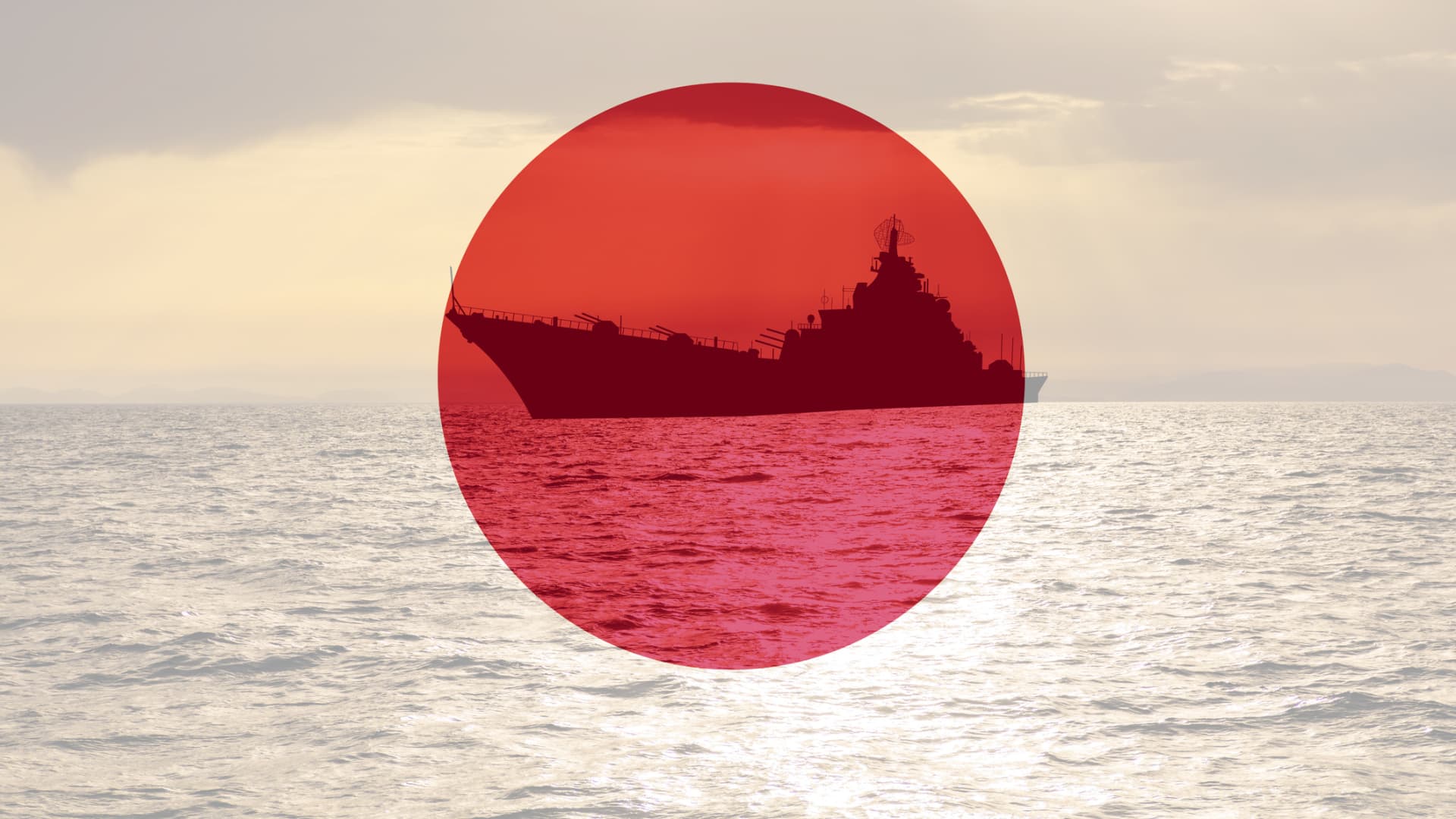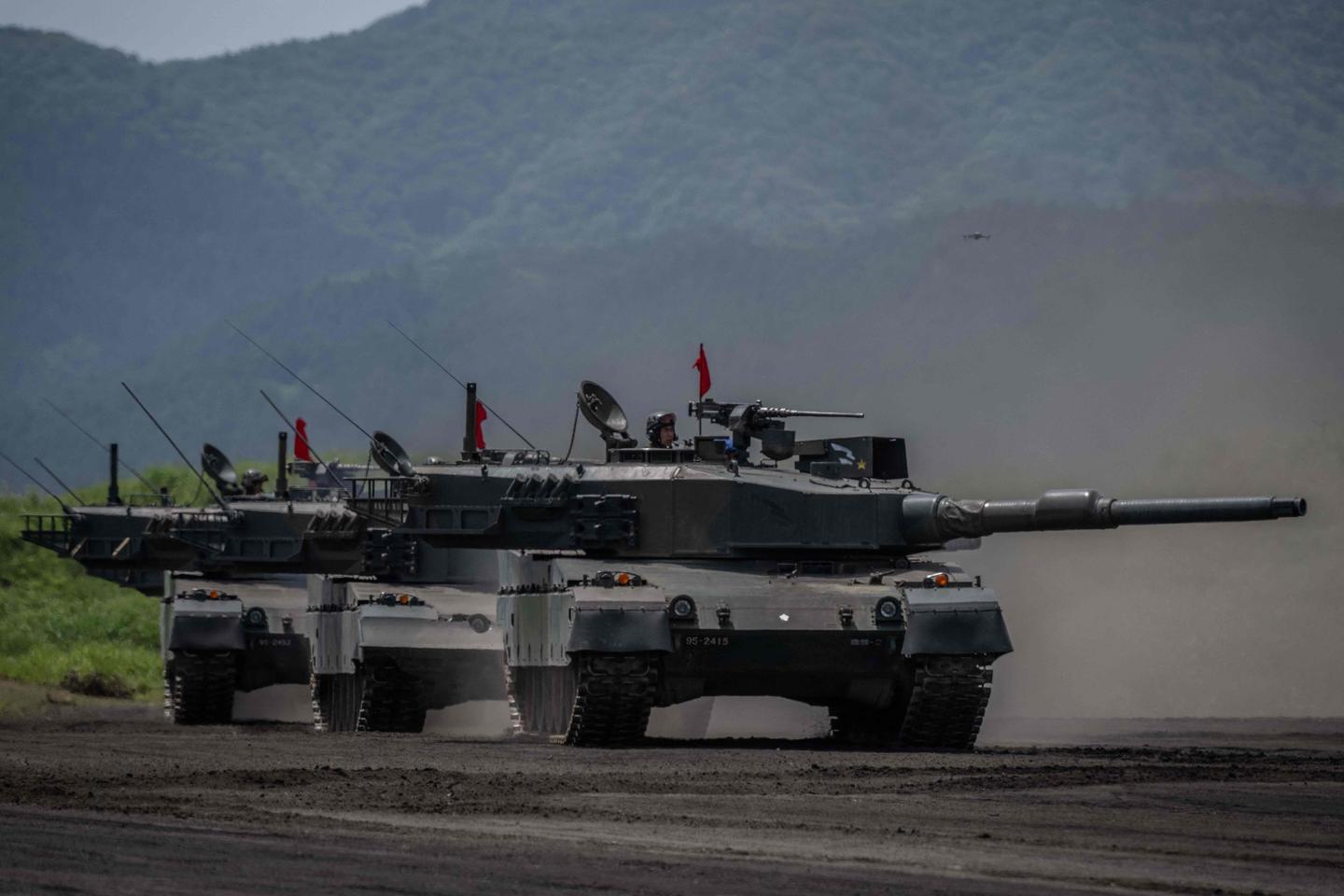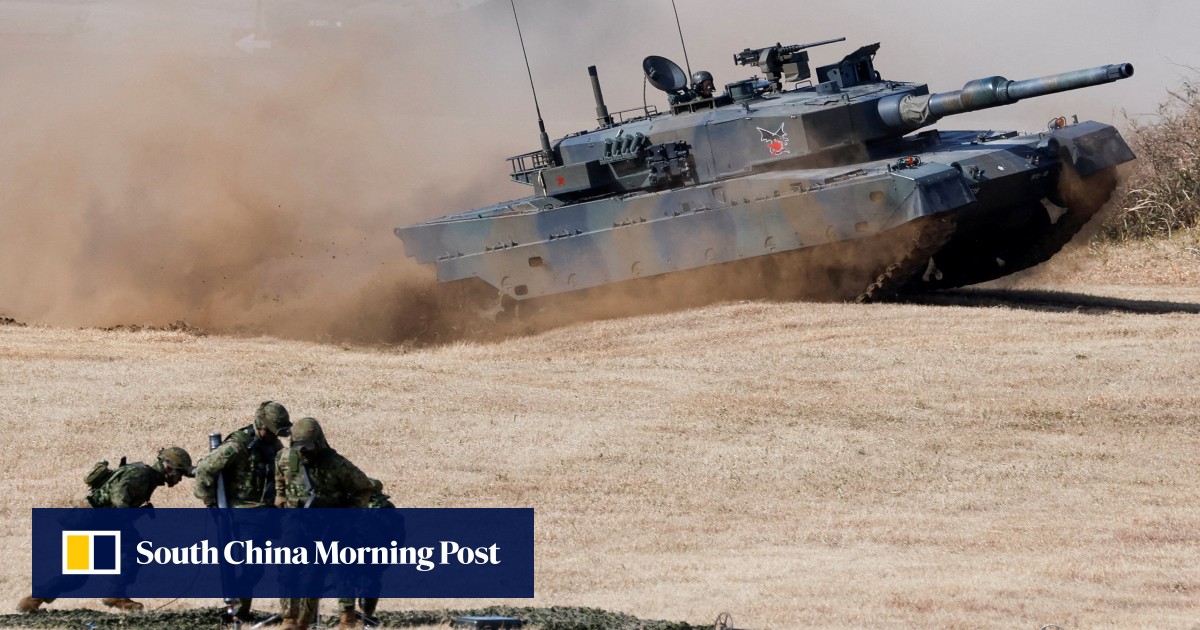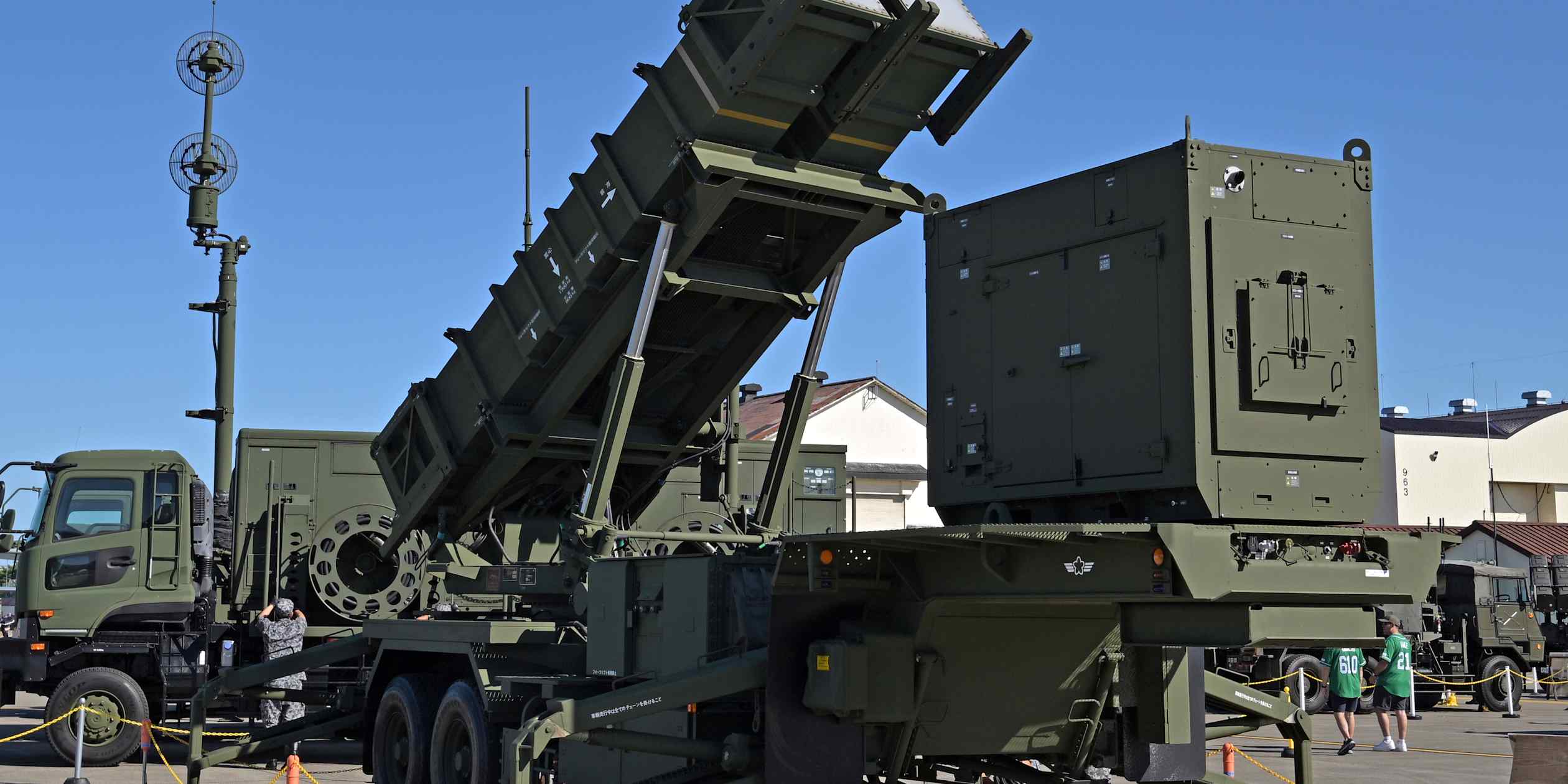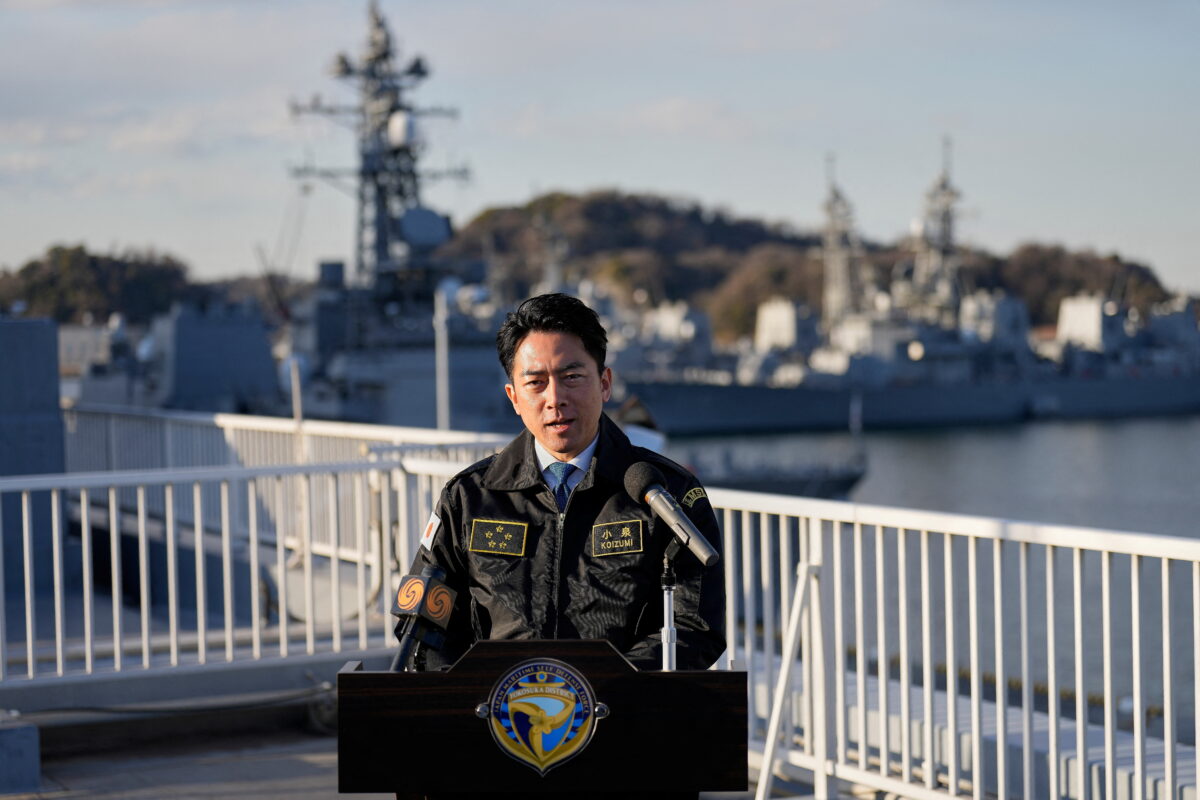
On 21 April 2026, Japanese Prime Minister Sanae Takaichi announced a change of policy in defence equipment exports. The new policy redesignates equipment for foreign transfer into two categories — ‘weapons’, including combat systems and platforms like tanks and warships, and ‘non-weapons’ such as radar and specialised support equipment.
The policy also introduced a new process for defence equipment transfer. The National Security Council (NSC) — including senior cabinet members — now handles decisions on the transfers. While countries engaged in active wars cannot acquire combat capabilities, the policy includes provisions for ad hoc sales under ‘exceptional circumstances’ based on Japan’s security requirements.
The policy comes at a time of notable change in Japan’s understanding of its role as a security actor — and raises a fundamental question about the spirit of the postwar constitution and the constraints it imposes on defence policy.
Article 9 of the Japanese constitution renounces war as a tool to settle international disputes, but not the inalienable right to self-defence. It limits Japan’s defence capabilities in relation to its wider security context. Successive Japanese prime ministers have highlighted how changes in Chinese, North Korean and Russian military postures, combined with instability generated by the wars in Ukraine and Iran and conflict in the Red Sea, have severely threatened Japan’s security.