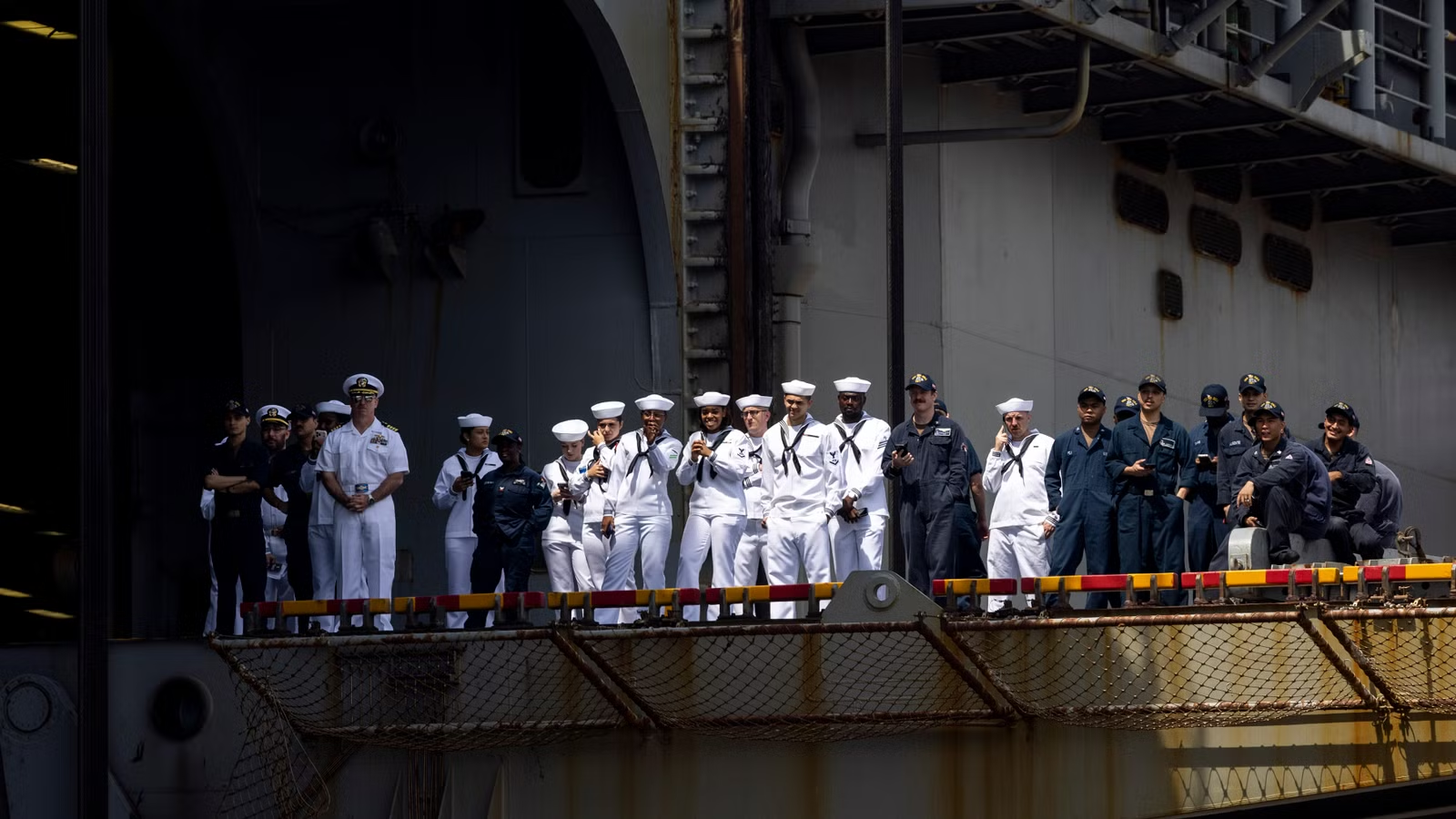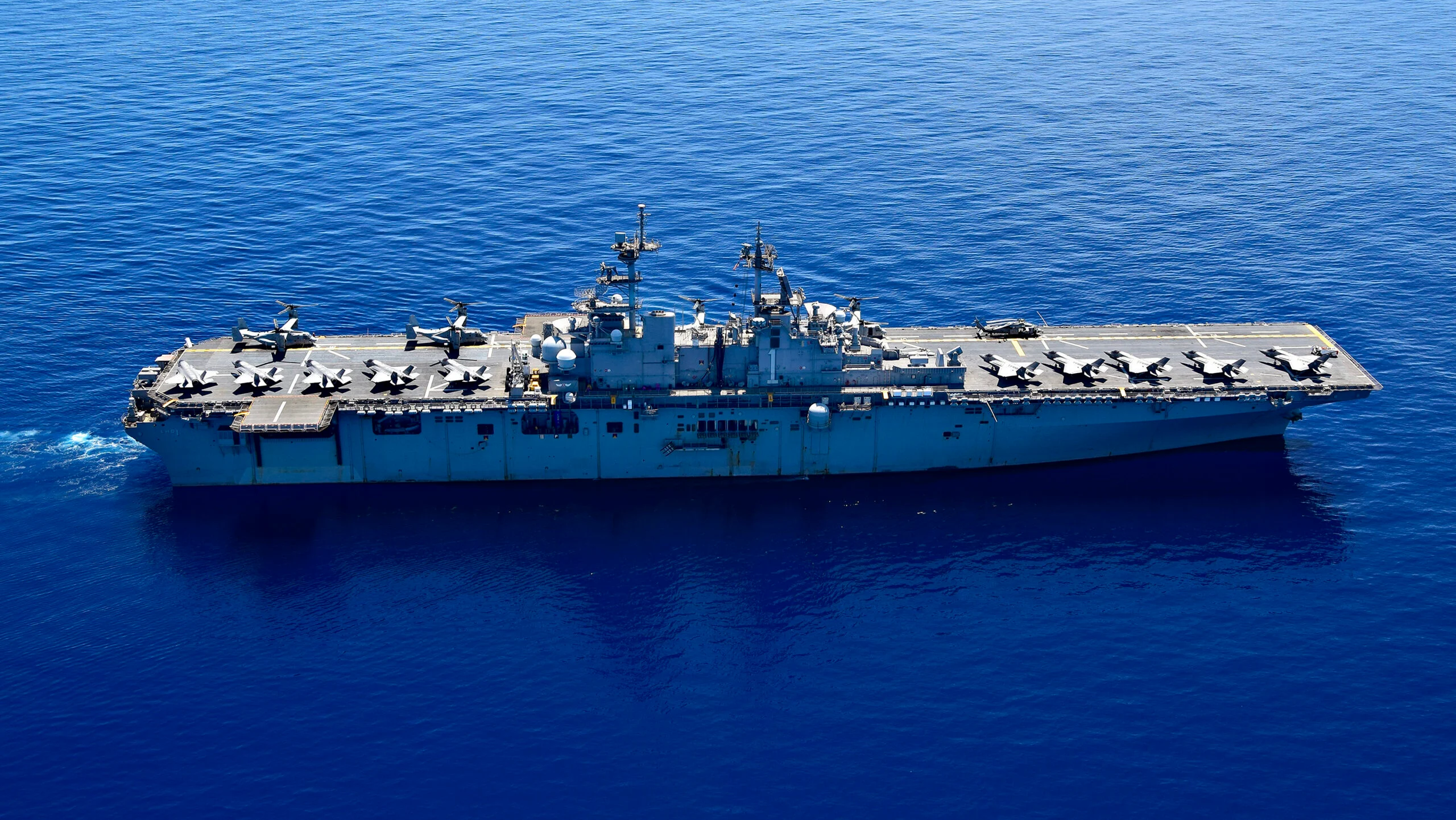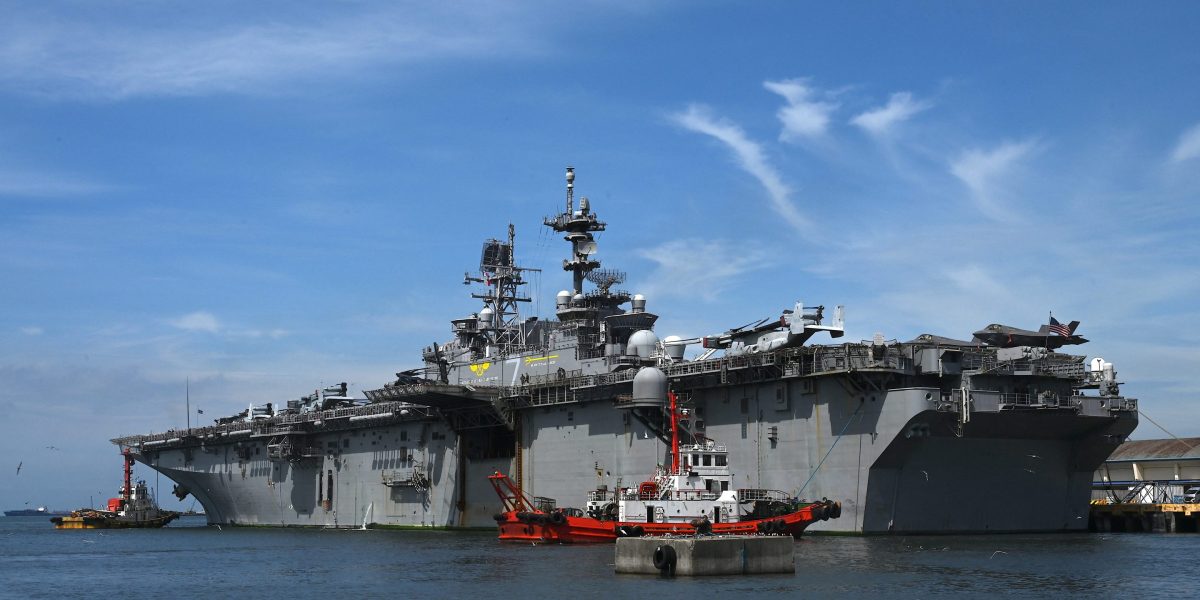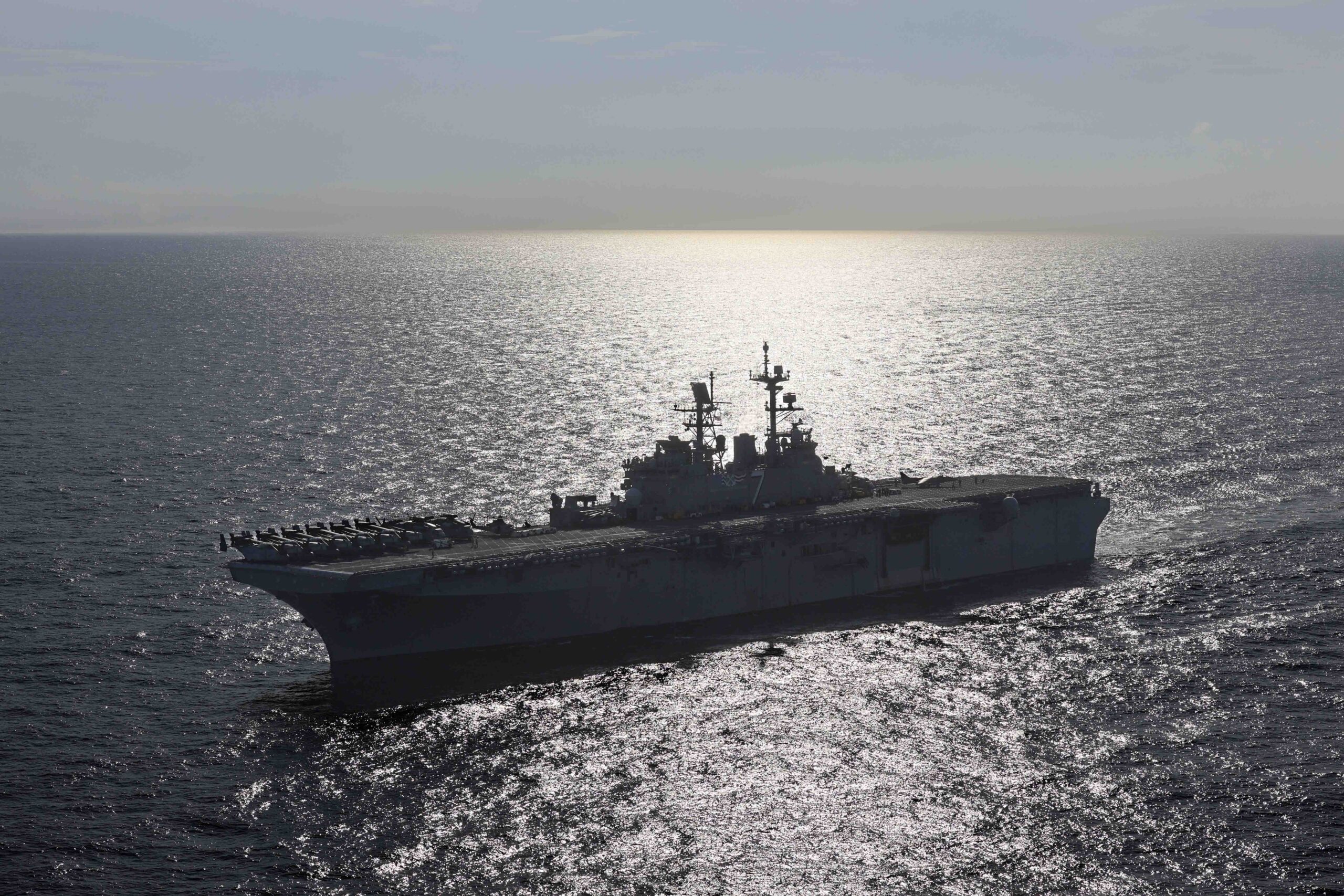
WASHINGTON—In August 2025, three Navy amphibious ships of the Iwo Jima Amphibious Ready Group (ARG) embarked with the 22nd Marine Expeditionary Unit (MEU) from Camp Lejeune in North Carolina. Over the next several months, the teams aboard those vessels conducted a remarkable sequence of missions—from humanitarian relief in Jamaica and embassy reinforcement in Haiti to counternarcotics operations in the Caribbean.
The unit’s performance across such different and important tasks, and in such quick succession, underscores a critical reality: an ARG/MEU is among the most versatile tools in the US military arsenal.
But this crucial capability is often stranded at home—not because of a lack of demand, but because of reduced readiness of amphibious ships that keeps these forces ashore, precisely when they are most needed overseas. This spring, three ARG/MEU teams were deployed at the same time to support global operational needs, but that was more than have been ready to deploy in recent years. The United States would benefit from having more amphibious ships at the ready to ensure three or more ARG/MEU teams can be at sea at all times.
Modern crises demand a multi-domain force
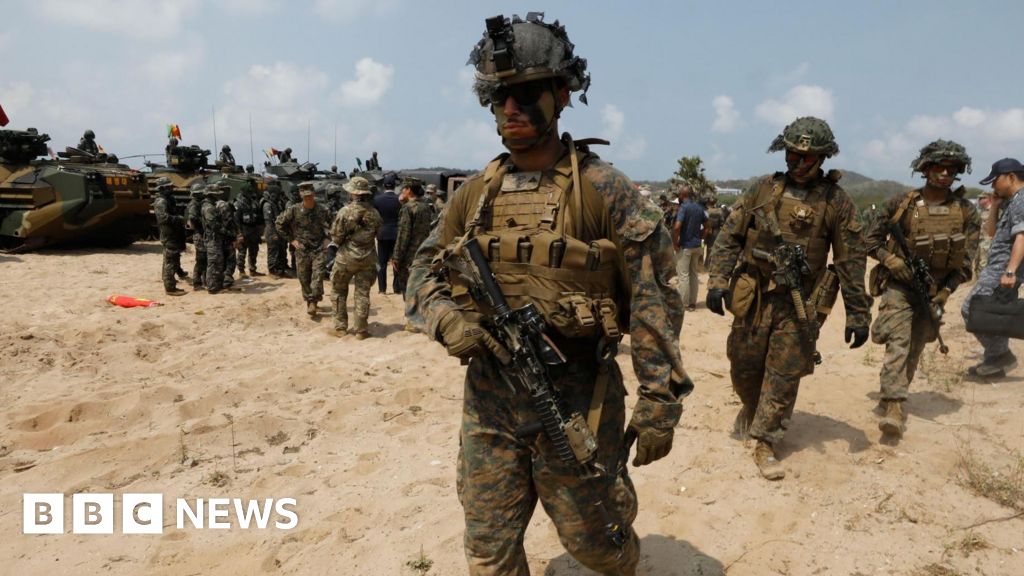
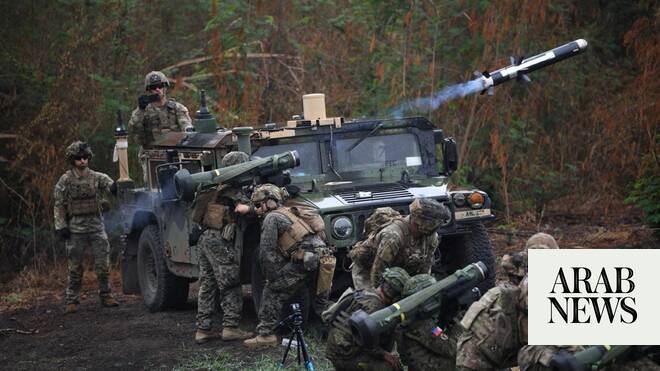
The ARG/MEU is a uniquely flexible multi-tool formation, well suited for many of today’s mission sets. Deployed aboard large-deck amphibious ships, Marines bring integrated aviation and logistics capabilities that allow rapid response at operational scale. Designed to react quickly, often within hours, these forces can conduct a range of tasks. For example, they can launch amphibious assaults; seize islands, ports, or airfields; and conduct reconnaissance. They can also carry out noncombatant evacuation operations, deliver humanitarian assistance, and enable special operations forces.