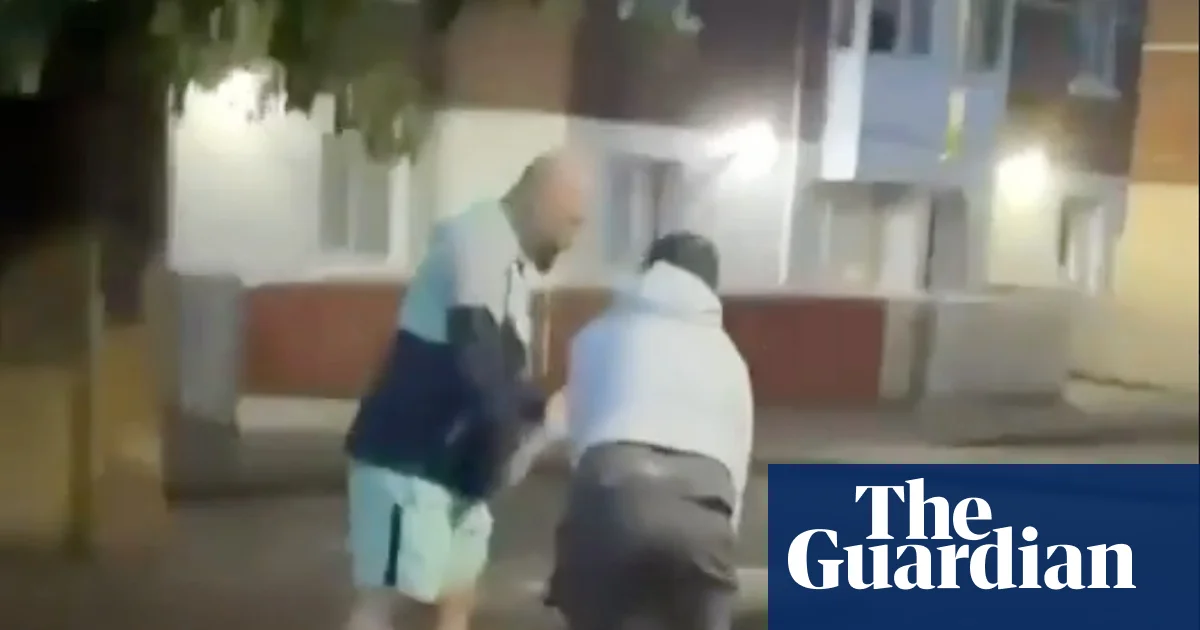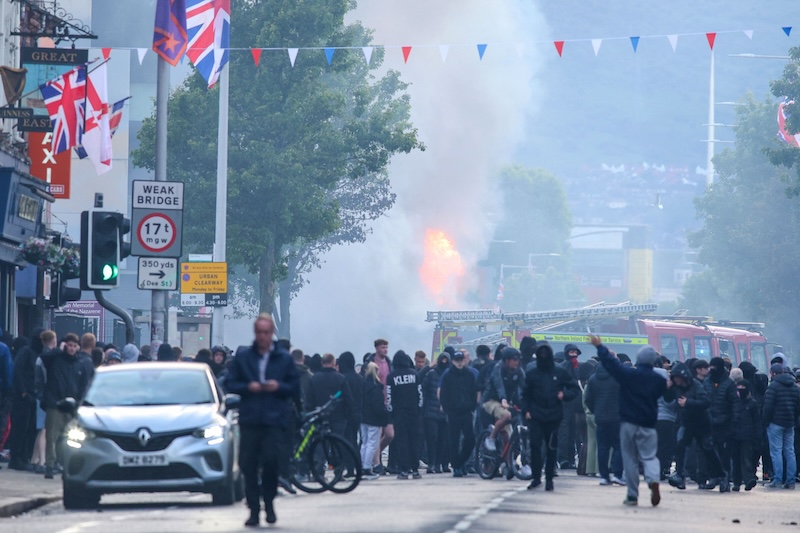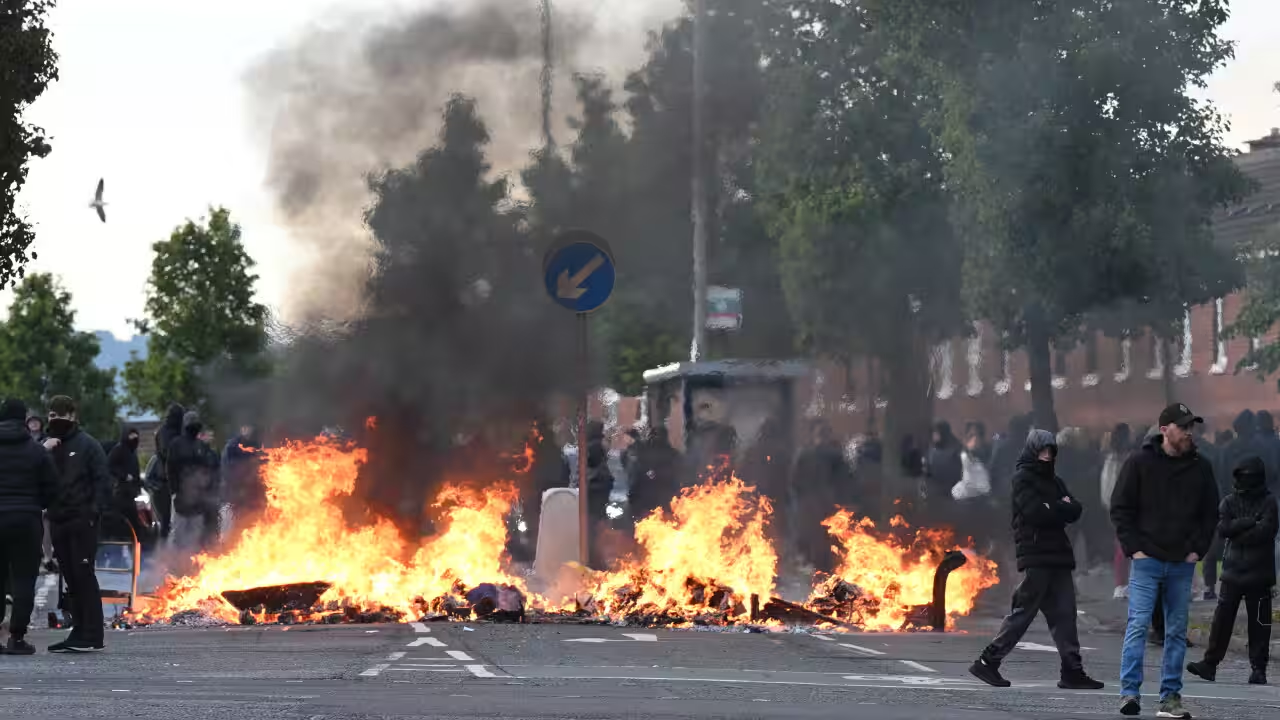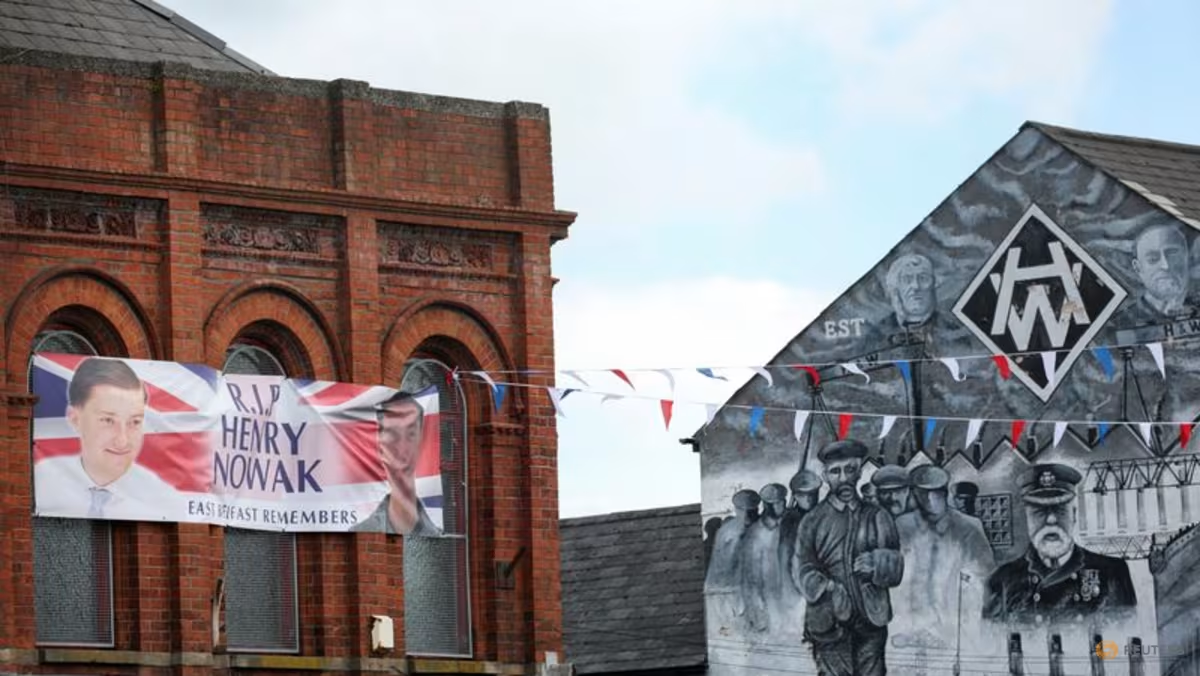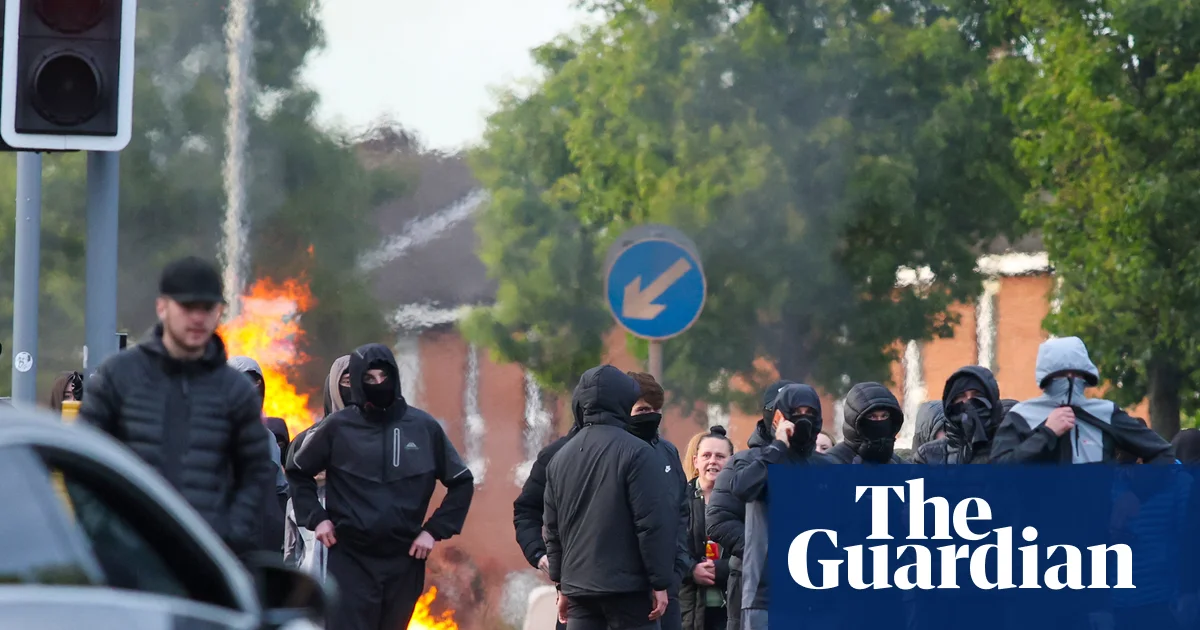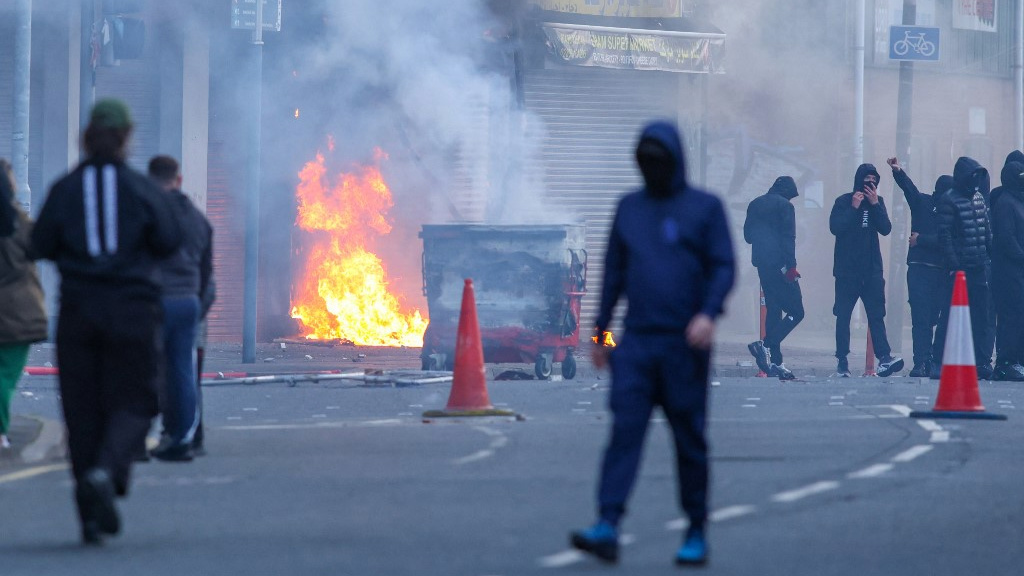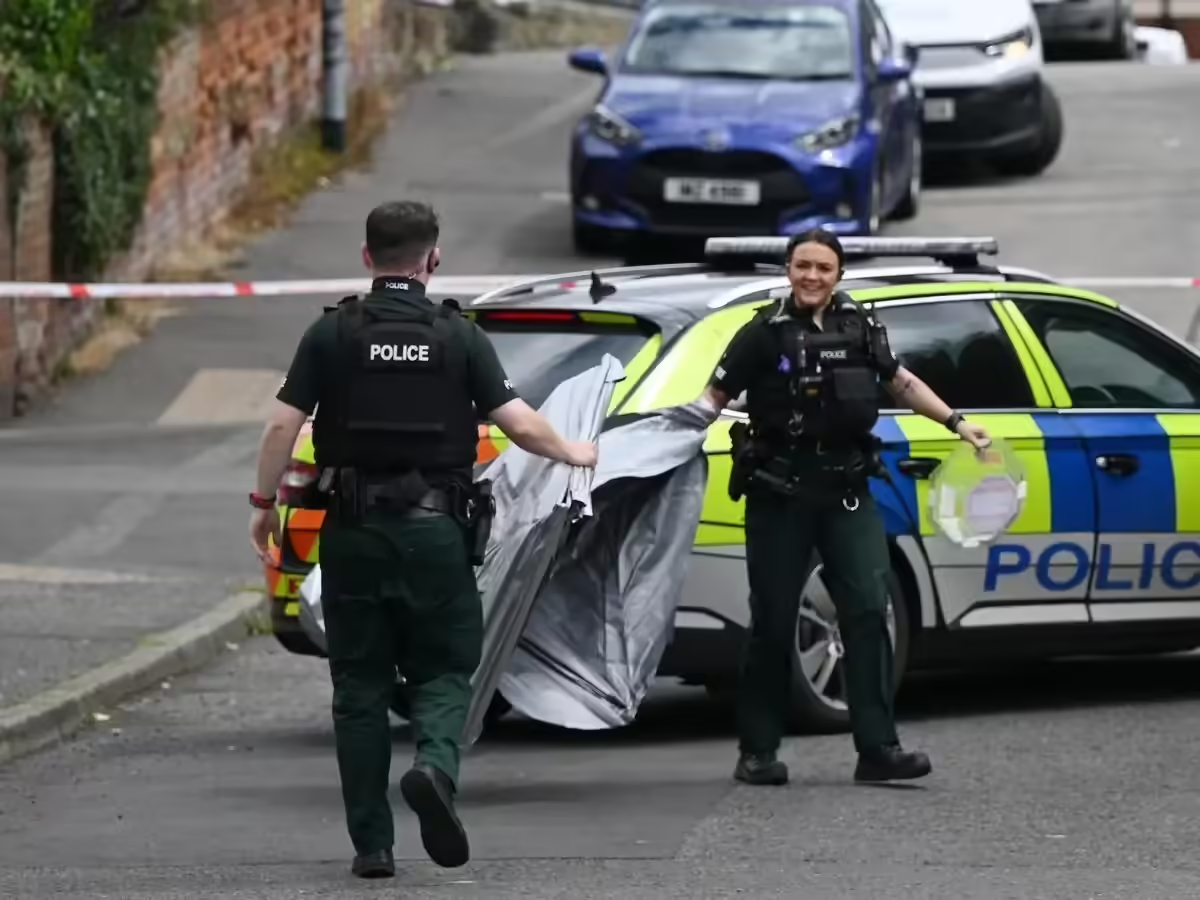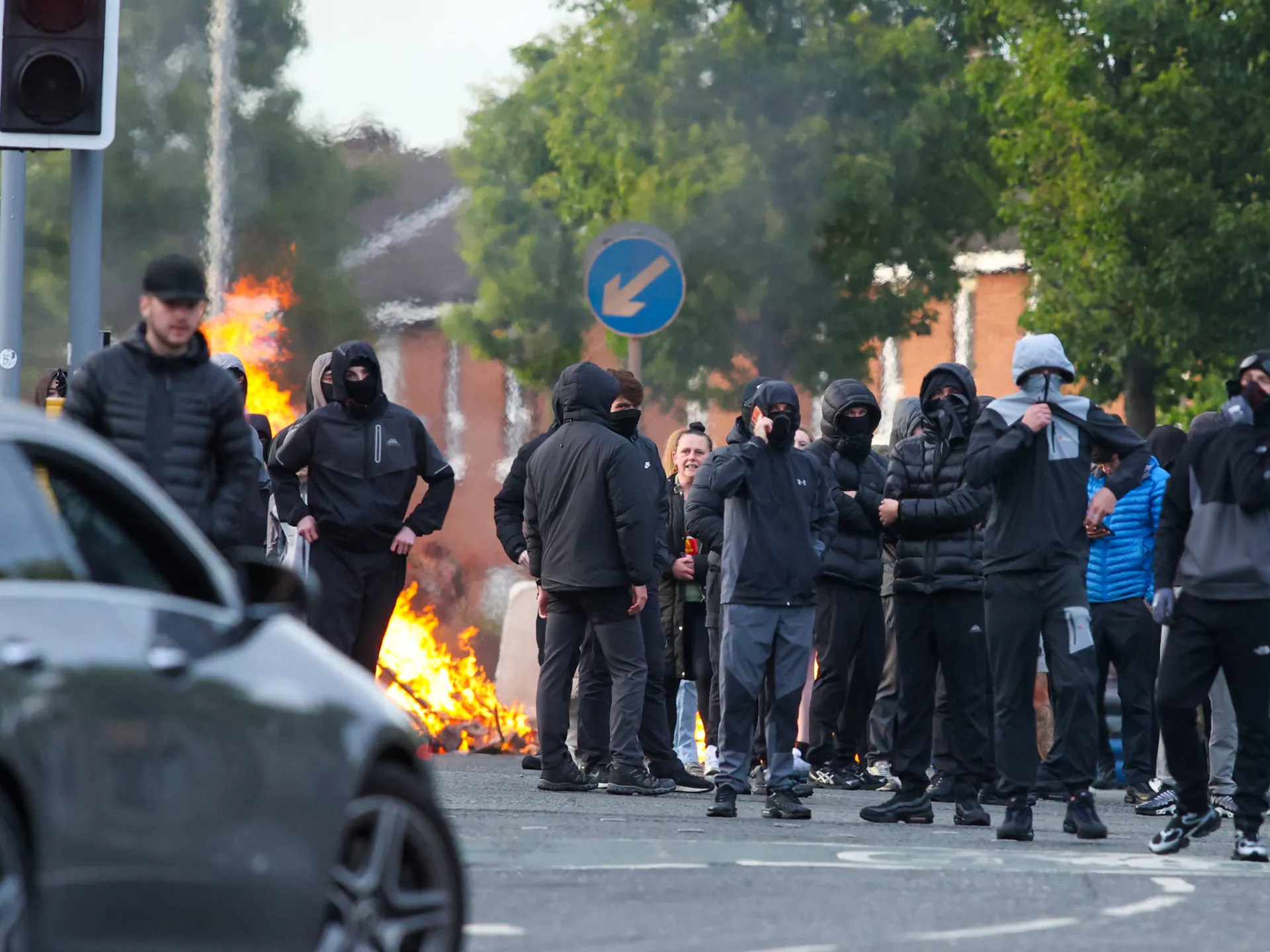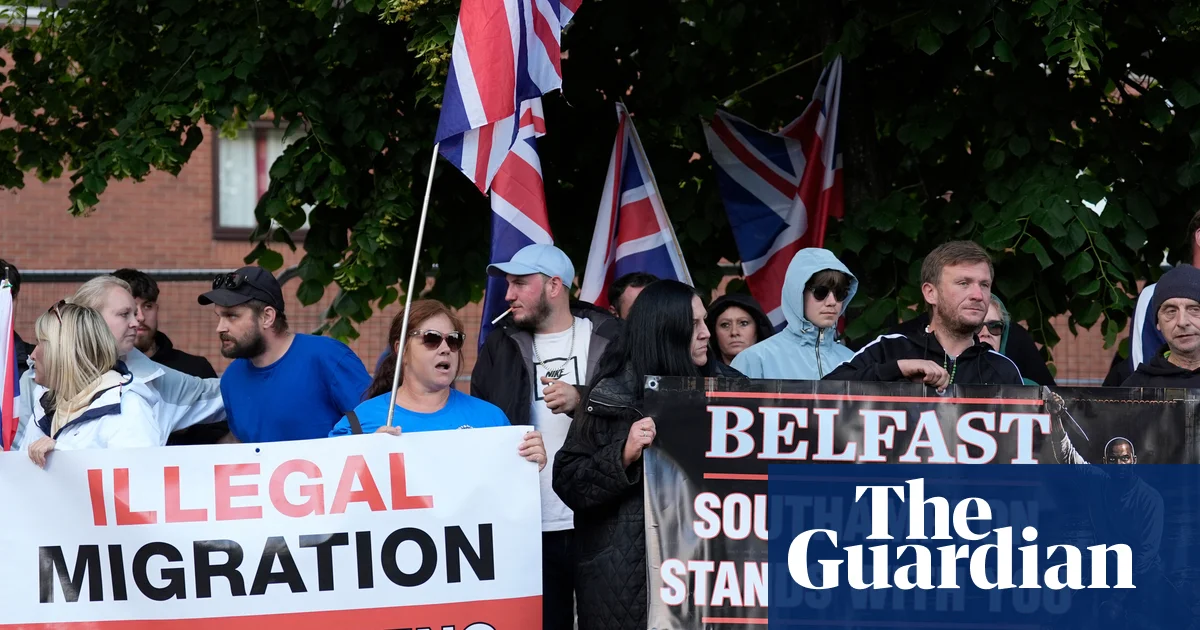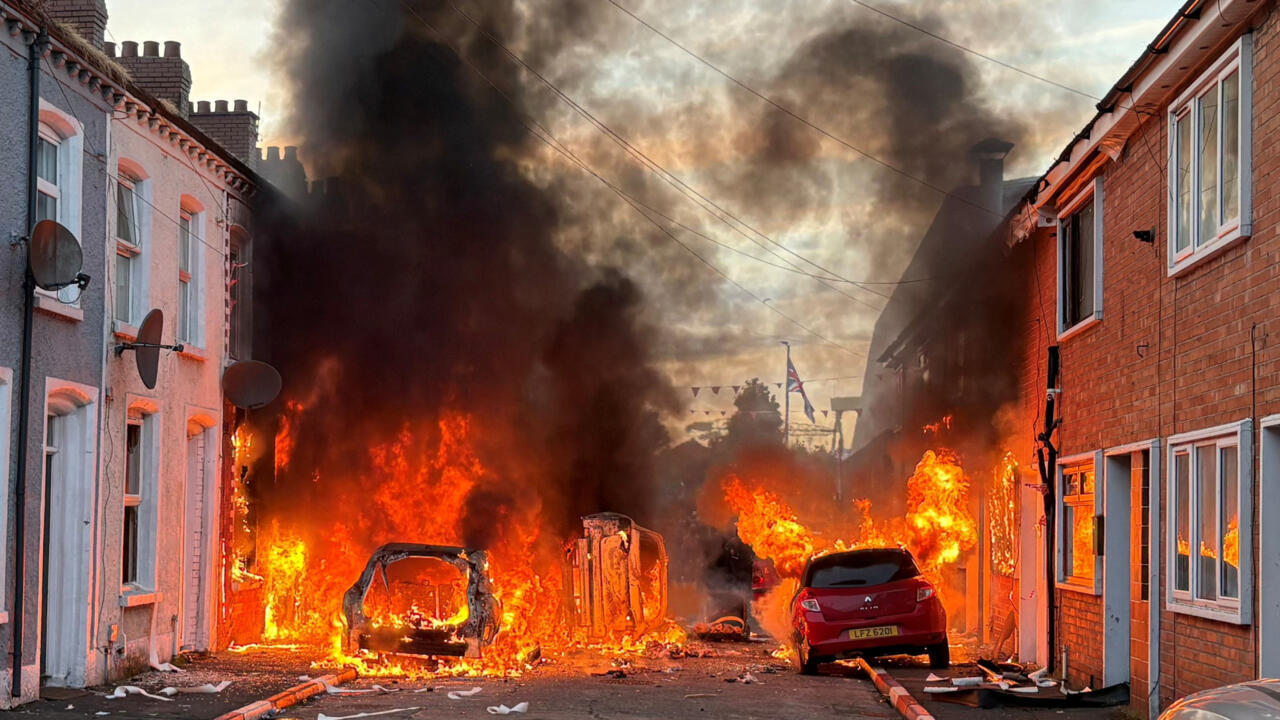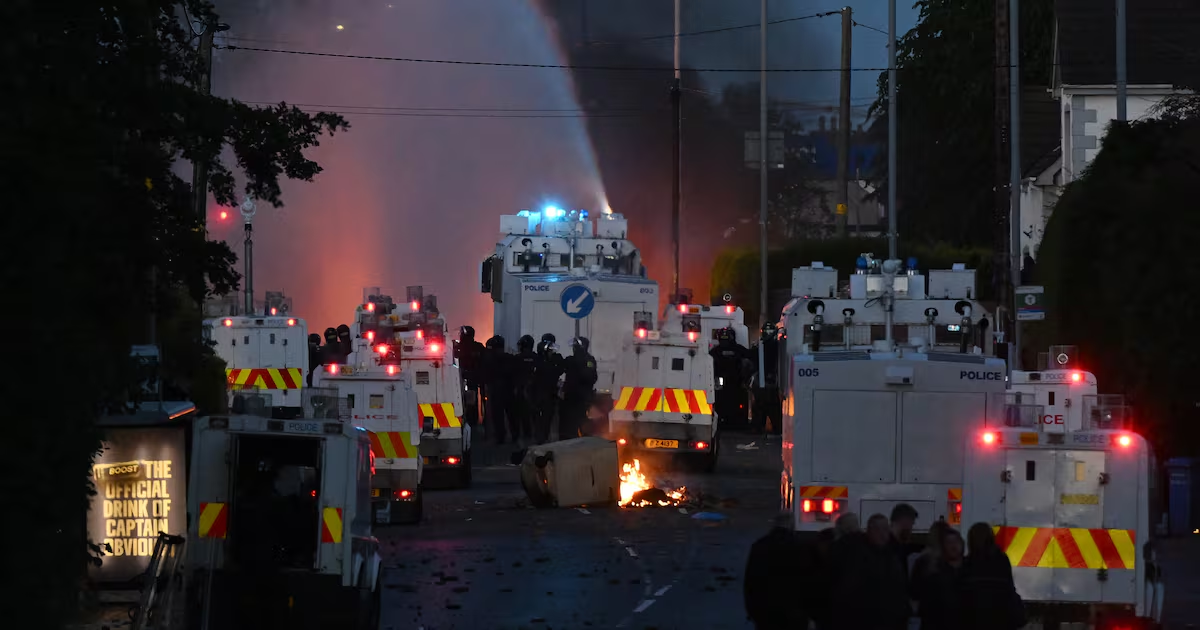
It has been a grim week on the streets of Belfast. Monday night’s knife attack in the north of the city was a serious and frightening crime. A Sudanese man has since been charged. But within hours the incident had been weaponised. Video circulated rapidly on social media, amplified by Elon Musk to his millions of followers on X, which retweeted a post by Restore Britain MP Rupert Lowe with the caption “Millions must go.” Lowe’s populist rival Nigel Farage demanded to know the attacker’s identity and immigration status before the facts were established. Mainstream politicians and powerful platform owners alike competed and collaborated to dominate the radical right agenda using inflammatory and irresponsible language, with predictable results.What followed on Tuesday and Wednesday nights was a race-based pogrom. Twenty-seven people from ethnic minority backgrounds, including small children, were terrorised out of their homes. Buses and police cars were set alight. The streets where this took place are not unfamiliar with families being burned out of their homes in the dark.Not for the first time, an attempt – largely unsuccessful – was made to recruit both sides of Northern Ireland’s communal divide into a common anti-immigrant cause. AI-generated propaganda showed the tricolour and union flag side by side. Appeals went out to assemble in nationalist as well as loyalist areas. Shadowy figures linked to paramilitarism were a visible presence.The universal condemnation from political leaders across the divide is welcome and necessary. But it cannot be the end of the matter. The violence raises harder questions that must be faced honestly. Communities in some of these areas feel marginalised, economically powerless and politically adrift. The growth in asylum numbers in recent years has become a flashpoint, due in part to a not unreasonable belief that the burden is not equally shared.The issue of the Common Travel Area has once more been raised, and it is true that cross-Border movement of asylum seekers creates real pressures that neither the British nor Irish governments have fully addressed. That cuts both ways, with arrivals via Northern Ireland making up the majority of those applying for international protection in Dublin.None of this provides the slightest justification for what occurred this week. The sight of people being forced to flee their homes because of the colour of their skin should be regarded as a matter of shame by everyone who lives on this island. It is incumbent on both civil society and the governments in both jurisdictions to push back forcefully against the forces that sow hatred and division in pursuit of their own political objectives.
The Irish Times view on Belfast violence: bad actors prey on social divisions
Mainstream politicians and powerful platform owners competed and collaborated to dominate the radical right agenda
429 words~2 min read