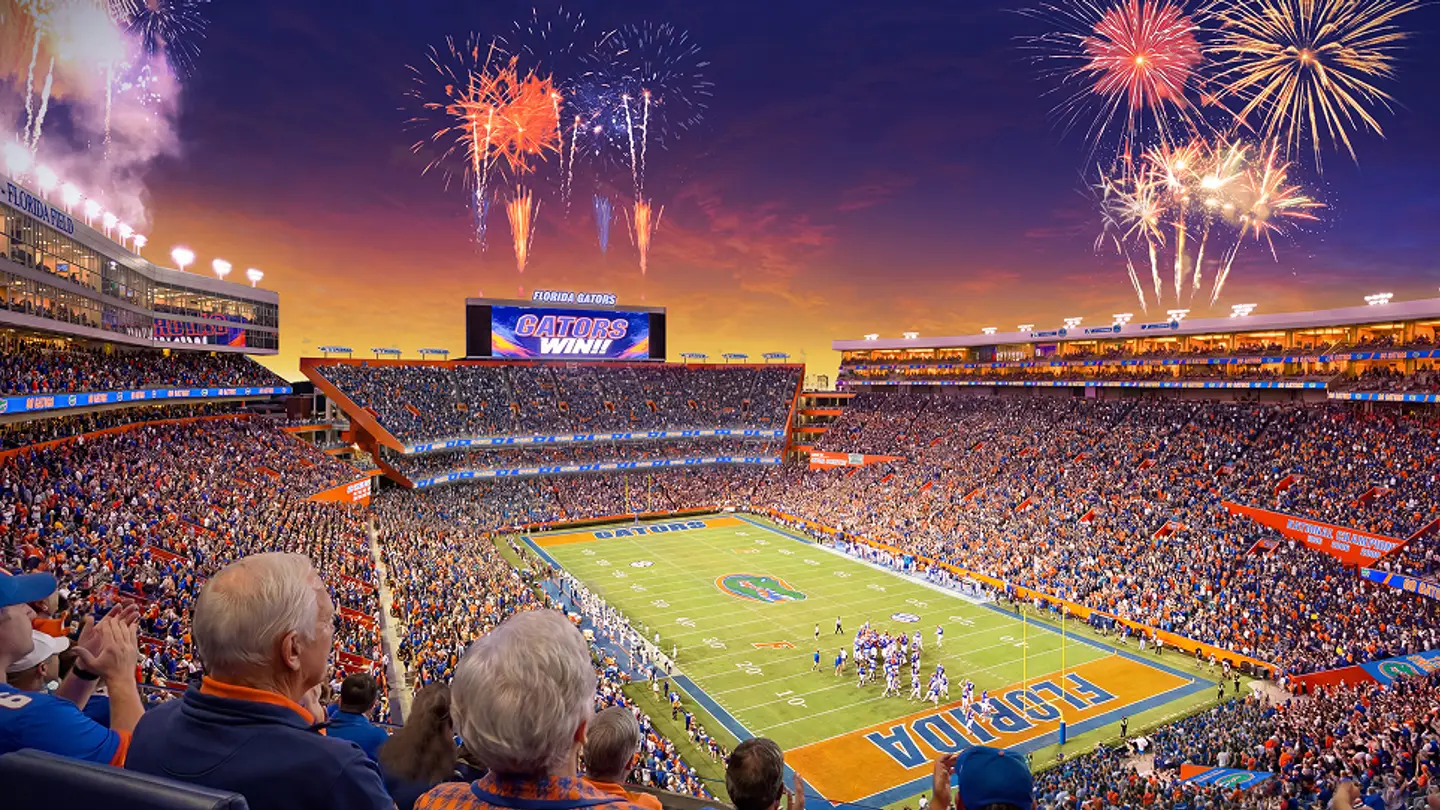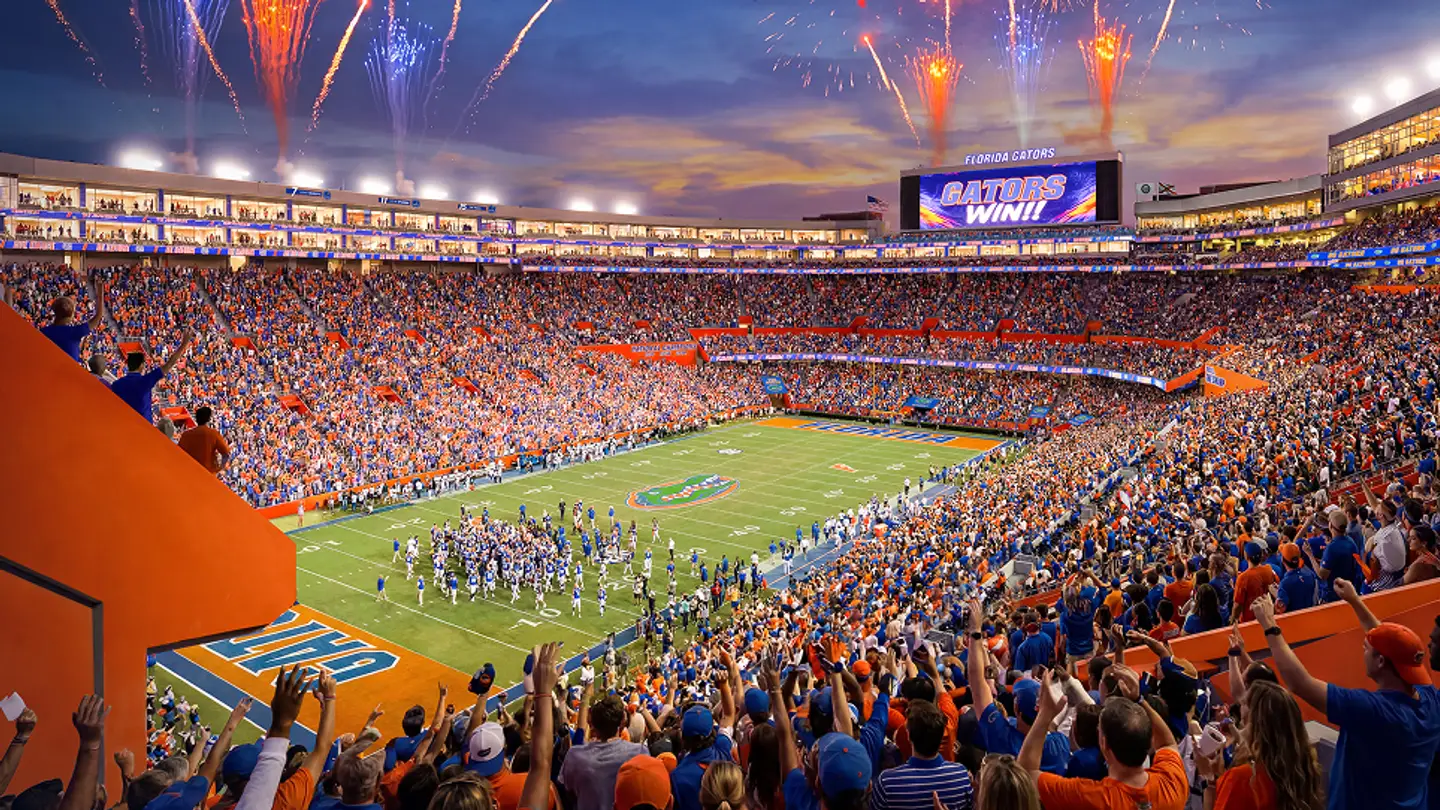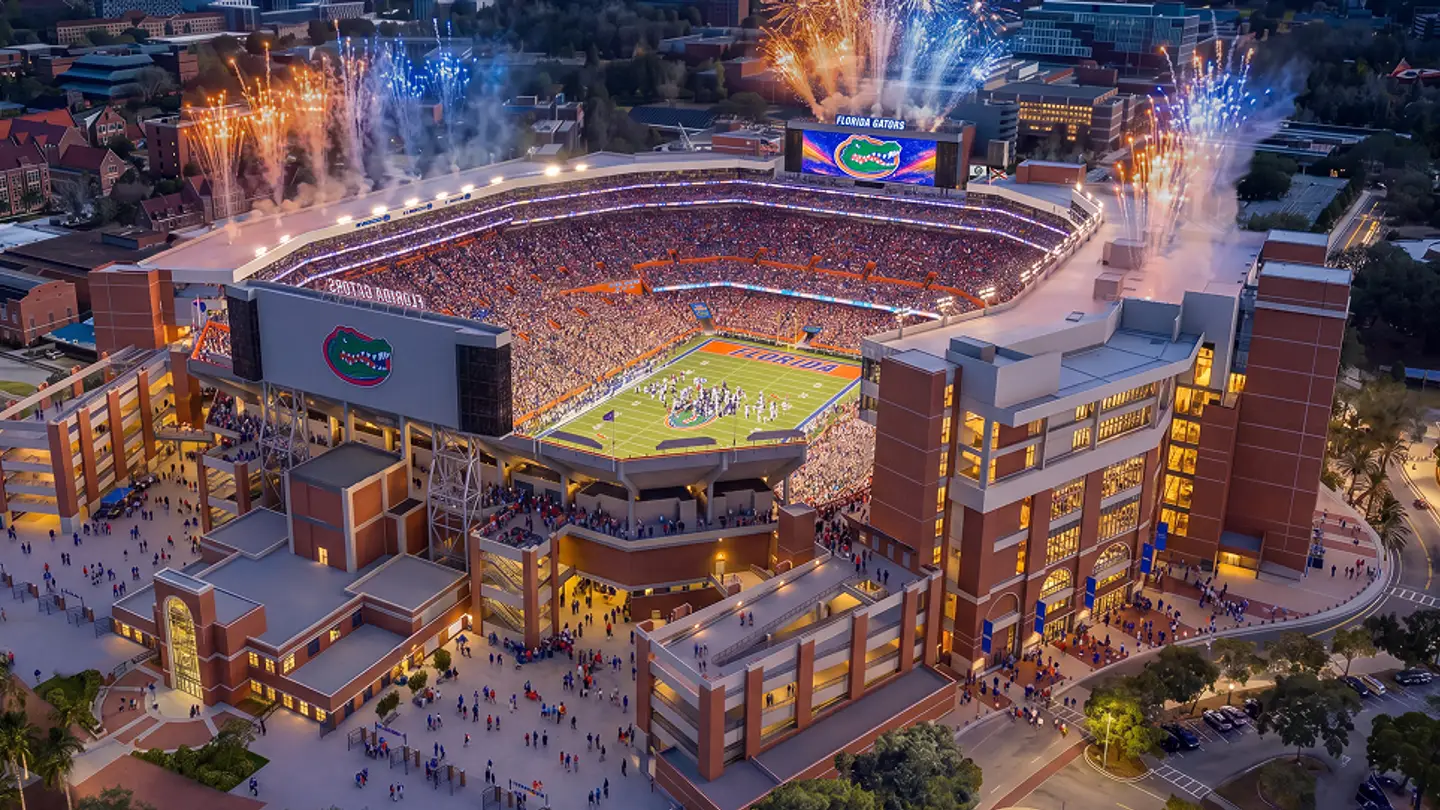
One of the biggest aspects of Kansas' athletic department overhaul has been the work done to modernize David Booth Kansas Memorial Stadium. While the Jayhawks have struggled to win games in recent years, the program's facilities have become far more respected across college football. The old Booth was badly showing its age and desperately needed upgrades, everything from the restrooms and team facilities to the overall fan experience. That obviously required significant financial support from donors and alumni such as David Booth, whose $300 million gift helped support the stadium improvements over the next several years. A recent graphic from The Next Round on X compared the most expensive stadium renovation projects in college football by total cost. Where does KU's project rank?In the post, Kansas ranks third nationally in total cost, trailing Florida's recently announced $1.45 billion renovation plan and Big Ten program Northwestern. However, there is no doubt that Booth was one of the venues most in need of major modifications.Fans were finally able to return to games in Lawrence this past season after the Jayhawks spent 2024 playing home contests at Children's Mercy Park and Arrowhead Stadium while construction was underway. Phases II and III of the Gateway District project still need to be completed, and the full vision is expected to be finished by 2027 or 2028, depending on construction timelines.Even now, the stadium looks dramatically different than it did a decade ago, featuring upgraded seating, a brand-new West end, and lights surrounding the venue that resemble wheat stalks in honor of KU's "Wave the Wheat" tradition. While the lengthy construction process has made some fans impatient, the project should benefit the program for decades to come. Not only is the stadium far more appealing visually, but the upgraded amenities have also helped attract recruits who may not have given Kansas a second look in the past.
How Kansas Football’s Stadium Renovation Cost Stacks Up Nationally
Kansas' stadium renovations remain among the most expensive in college football, even after Florida unveiled its massive $1.45 billion upgrade plan.
TL;DRAI
Kansas completed a $300 million stadium renovation, ranking third nationally after Florida ($1.45B) and Northwestern. Infrastructure modernization drives talent acquisition, showing how capital investment in physical systems yields competitive advantage.
311 words~1 min read