This article is part of a series published by the Atlantic Council’s Africa Center and the GeoStrategy Initiative of the Scowcroft Center for Strategy and Security exploring the nexus between US security and economic interests across Africa. The previous edition can be read here.
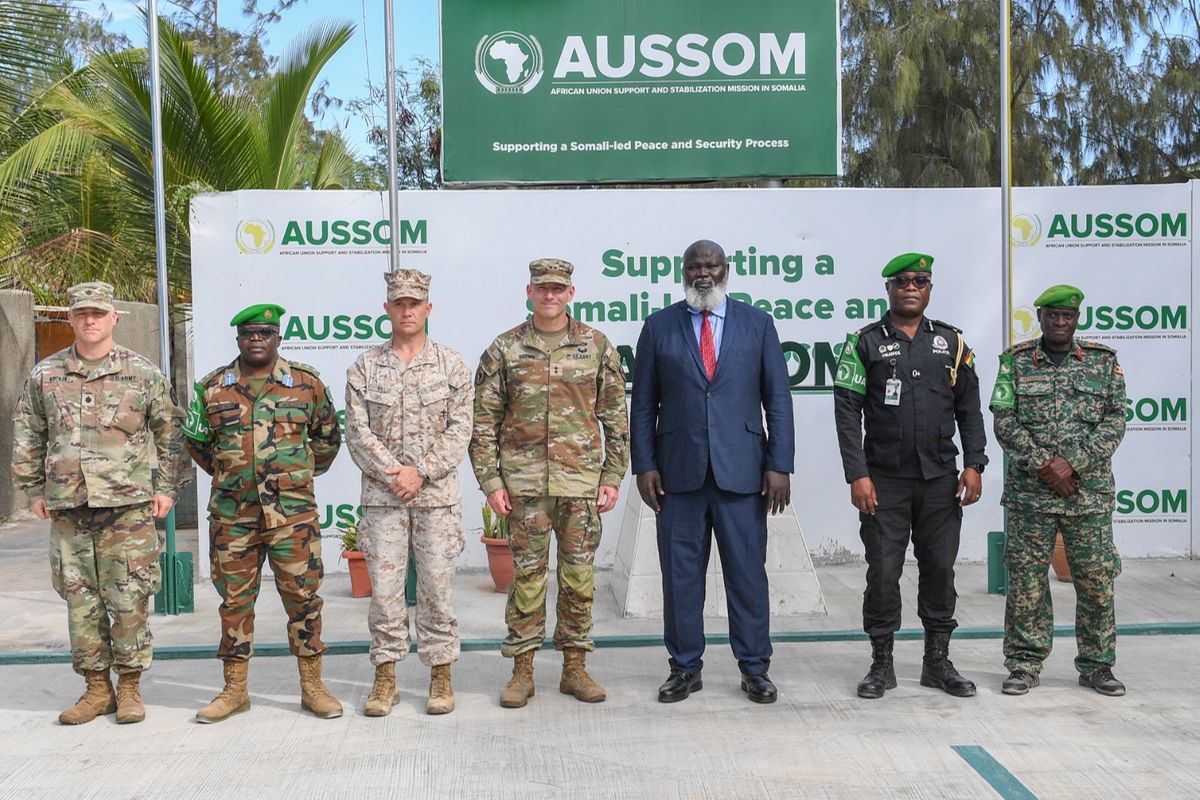
For three decades, US administrations primarily viewed Somalia as a counterterrorism problem. That instinct was necessary and understandable, given that al-Shabaab remains among al-Qaeda’s most capable affiliates and that Islamic State-Somalia (ISIS-S) has grown increasingly relevant to transnational jihadist networks. Moreover, the memory of October 1993, when eighteen US service members were killed by Somali militia fighters in the Battle of Mogadishu, still shapes American perceptions.
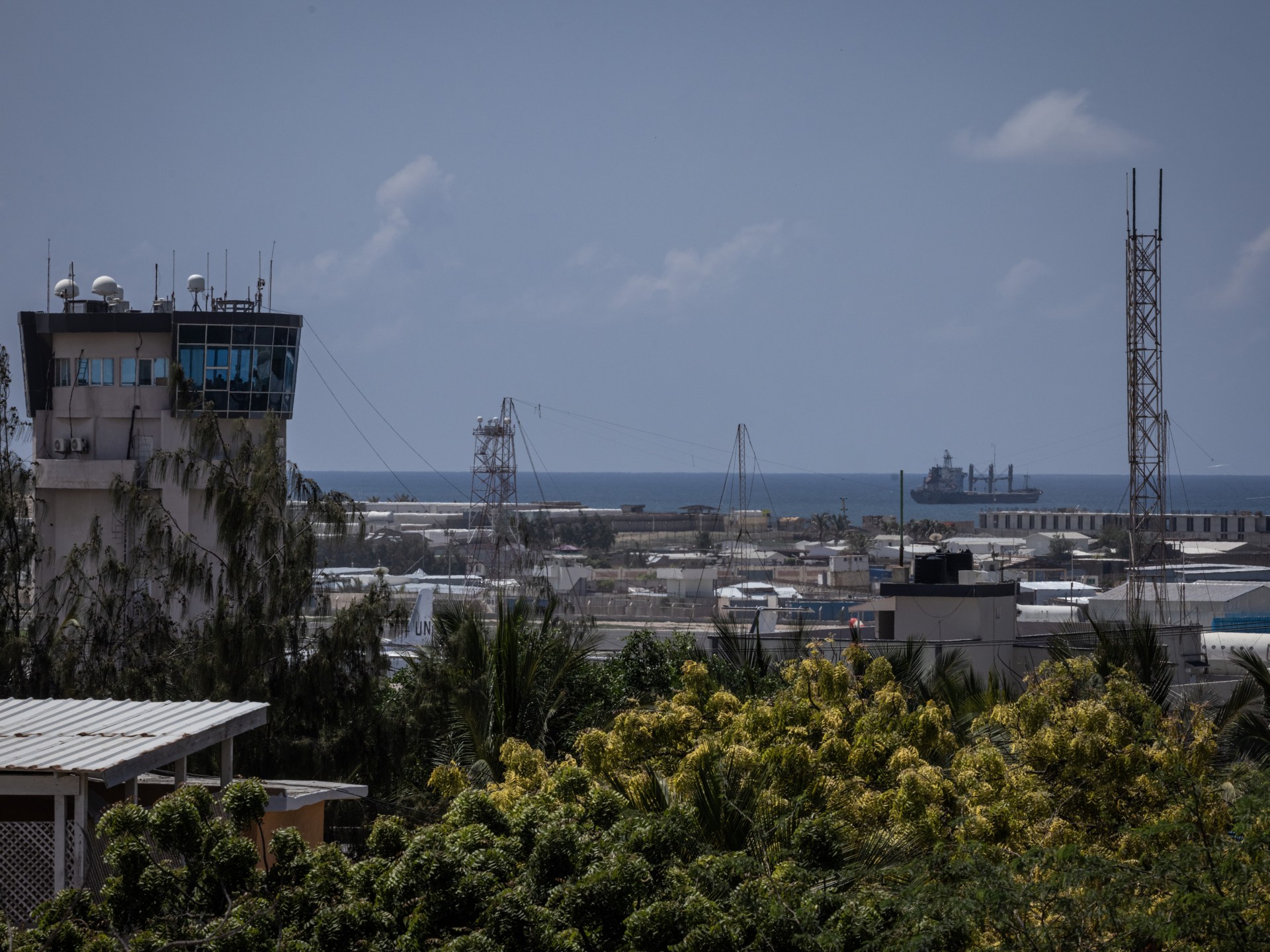
But Somalia is much more than a hub for terrorism and a source of instability—it’s also a potential geostrategic asset. Sitting astride the Bab al-Mandeb Strait, the gateway between the Red Sea and the Gulf of Aden, the country occupies a critical position along global trade routes. And as instability and conflict continue to disrupt shipping through the Strait of Hormuz and the wider region, its strategic importance for logistics, energy, and security is likely to grow.