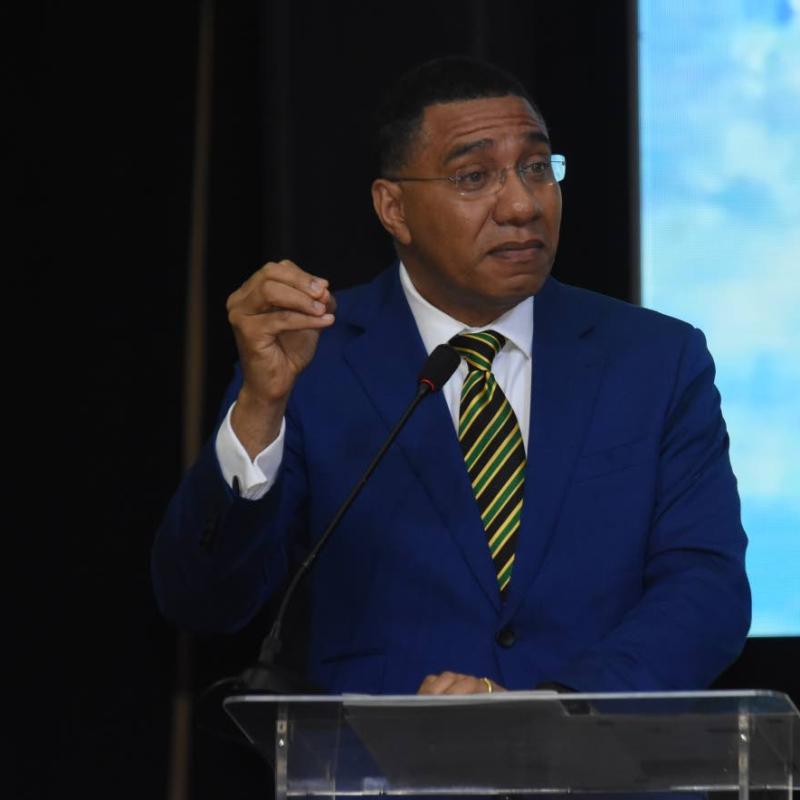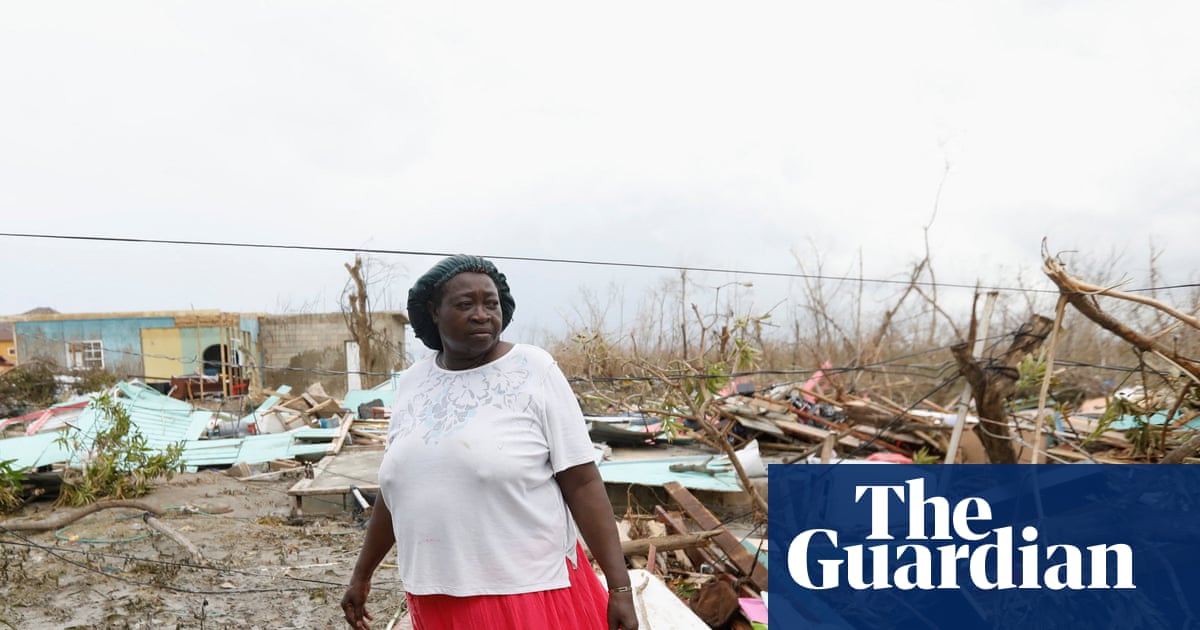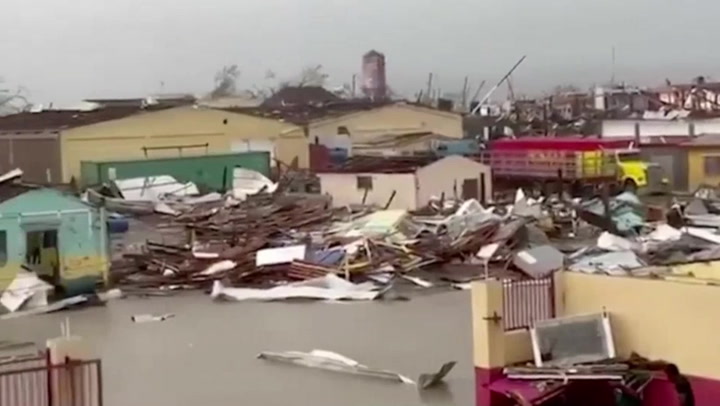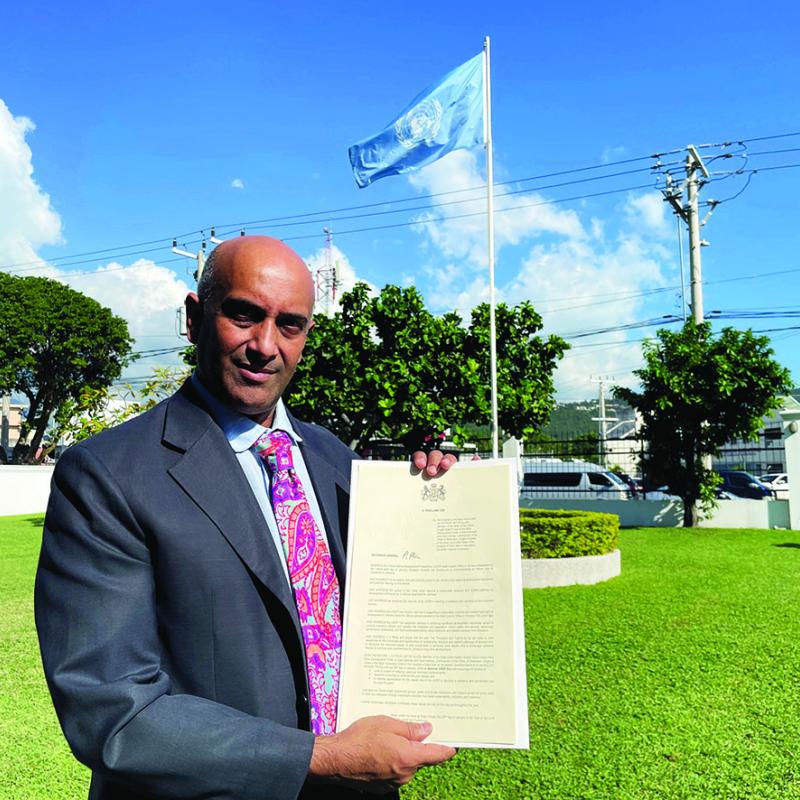
Jamaica should place nature-based solutions at the centre of its recovery from Hurricane Melissa, particularly in vulnerable communities, according to Dr Kishan Khoday, resident representative of the United Nations Development Programme (UNDP).Speaking at the National Environment and Planning Agency’s (NEPA) 25th Anniversary World Environment Day Distinguished Lecture on June 5, Khoday argued that the rebuilding phase offers a chance to pursue a stronger, greener recovery.Such an approach, he said, should prioritise communities most affected by the storm, strengthening their resilience to future shocks. “As the climate emergency accelerates, a need exists to view nature as an Ecological Security System, with ecosystems and the assets they provide at the base of livelihoods and other dimensions of social cohesion,” Khoday emphasised.He urged policymakers to embed green solutions into national recovery frameworks, tackling the root causes of vulnerability. “As Jamaica advances on its national recovery frameworks and planning, an opportunity exists to address root causes of local vulnerability, by embedding green recovery solutions into emerging investments. This includes emerging national reforestation, coral and mangrove restoration initiatives, and measures to reduce coastal erosion and soil erosion in watershed ecosystems. All are critical for securing vulnerable livelihoods in fisheries, forestry and tourism sectors,” Khoday stated.He also pointed to scope for expanding decentralised solar power, integrating climate-resilient design into infrastructure, and strengthening water systems and tourism recovery. “This green trajectory can go a long way in restoring both ecosystems and communities”, he explained.SUPPORTUNDP, he noted, is supporting these efforts through its Jamaica Resilient Recovery Initiative (JARRI). The programme focuses on land-use planning in severely affected areas of western Jamaica, alongside debris management and recycling.Khoday announced a pipeline of projects backed by US$15 million in grants and more than US$50 million in co-financing from public and private sources. These initiatives target ecosystem restoration in forest and mountain areas, green solutions in tourism recovery, solar-powered systems for water and livelihoods, and grants to civil-society and non-governmental organisations for coral and mangrove restoration nationwide.Caribbean small island developing states, he added, require sustained international backing to scale such efforts and reverse ecosystem loss from climate shocks.Ecosystem-based approaches, Khoday argued, can reduce disaster risks, protect livelihoods and support more sustainable growth. Recent UN-supported damage assessments suggest that ecosystem losses accounted for roughly 30 per cent of Jamaica’s total losses following Hurricane Melissa.Marking the UNDP multi-country office’s 50th anniversary in Jamaica in 2026, Khoday pledged continued collaboration. The organisation, he said, would “build on our successful cooperation on this agenda over the years and stand shoulder to shoulder with Jamaica as together we chart the path forward for more resilient ecosystems and communities”.The lecture, held under the theme ‘Recover Stronger, Recover Greener: Integrating Ecosystem Solutions in Post-Disaster Planning on World Environment Day’, formed part of National Environmental Awareness Week.Hurricane Melissa made landfall in Jamaica on October 28, causing extensive damage to both built and natural environments, particularly in western regions.The forum brought together policymakers, environmental planners, academics, development partners and private-sector representatives to examine recovery strategies and long-term development priorities.
Place nature at the heart of hurricane recovery – UNDP representative
Jamaica should place nature-based solutions at the centre of its recovery from Hurricane Melissa, particularly in vulnerable communities, according to Dr Kishan Khoday, resident representative of the United Nations Development Programme (UNDP).Speaking at the National Environment and Planning Agency’s (NEPA) 25th Anniversary World Environment Day Distinguished Lecture on June 5, Khoday argued that the rebuilding phase offers a chance to pursue a stronger, greener recovery.
498 words~2 min read