Serving tech enthusiasts for over 25 years.
TechSpot means tech analysis and advice you can trust.
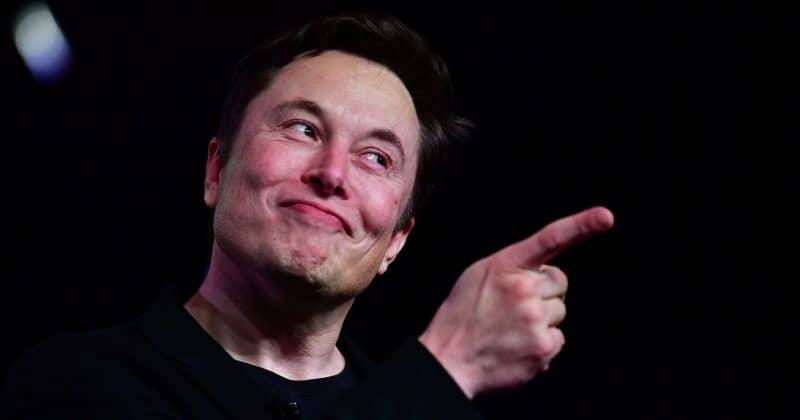
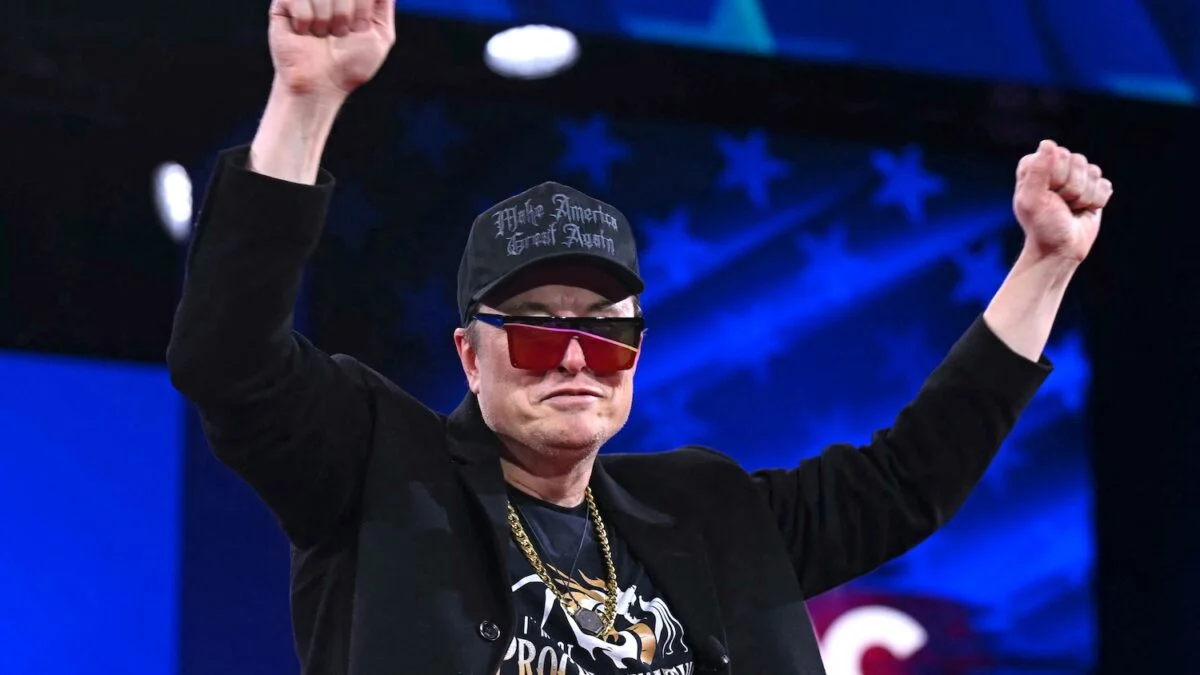
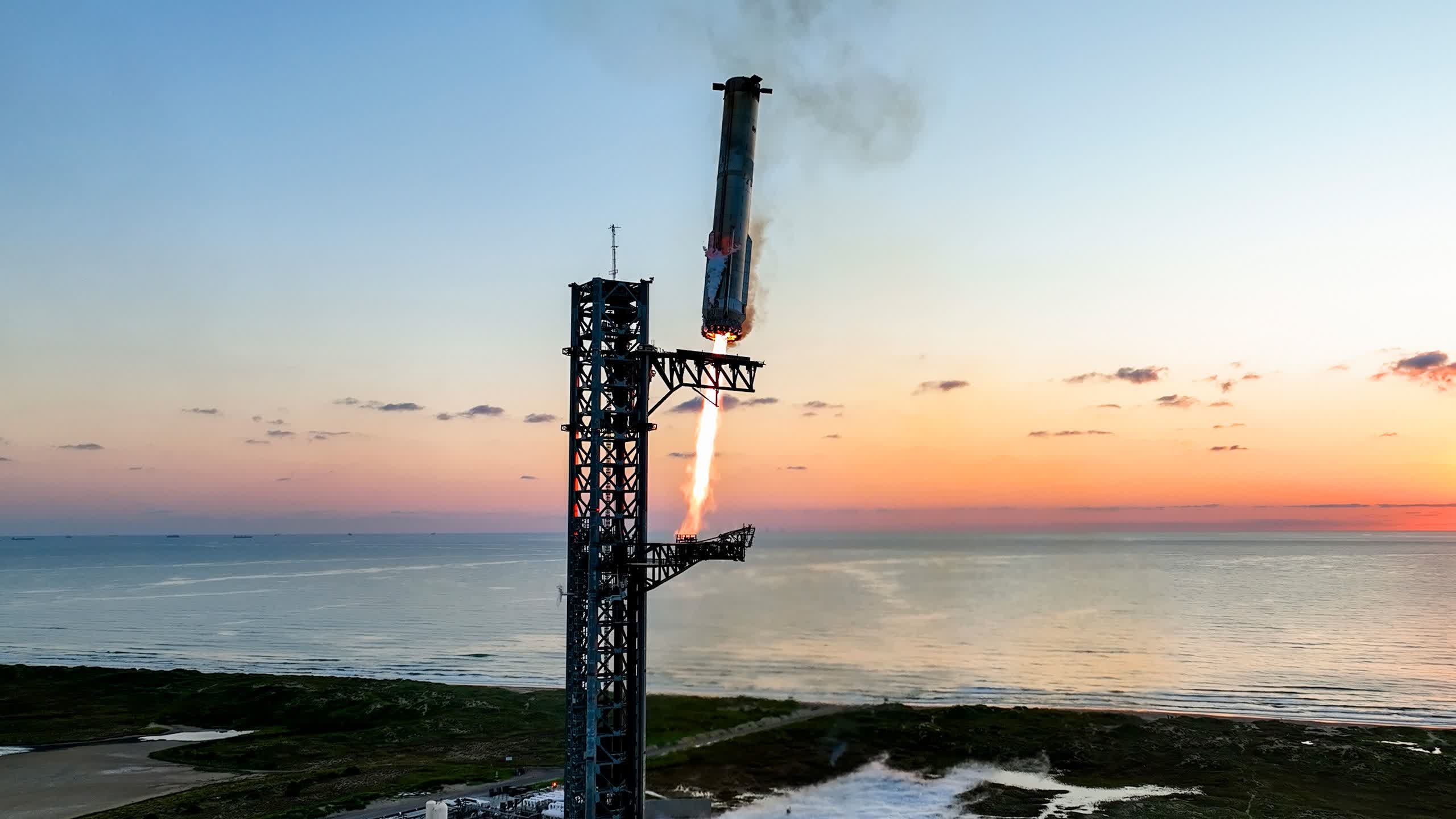
Why it matters: The largest IPO in history did two things at once: it made Elon Musk the world's first trillionaire, and it quietly converted a privately held rocket company into a stock that millions of investors may soon own whether they chose to or not. SpaceX isn't asking Wall Street to price its launches or its satellites. It's asking the market to bet that a rocket company is on its way to becoming one of the most valuable AI companies on Earth, and to start paying for that future today.
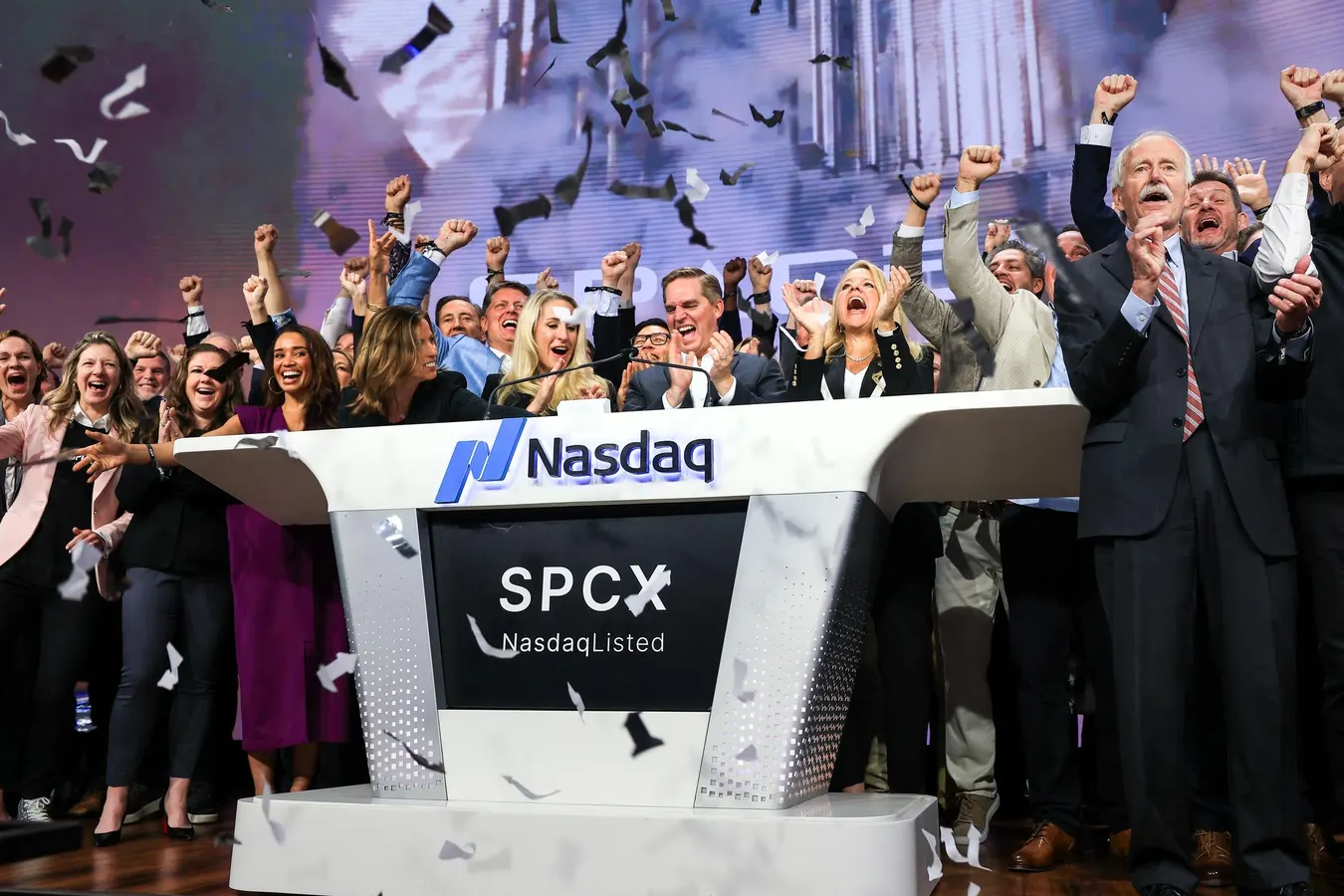
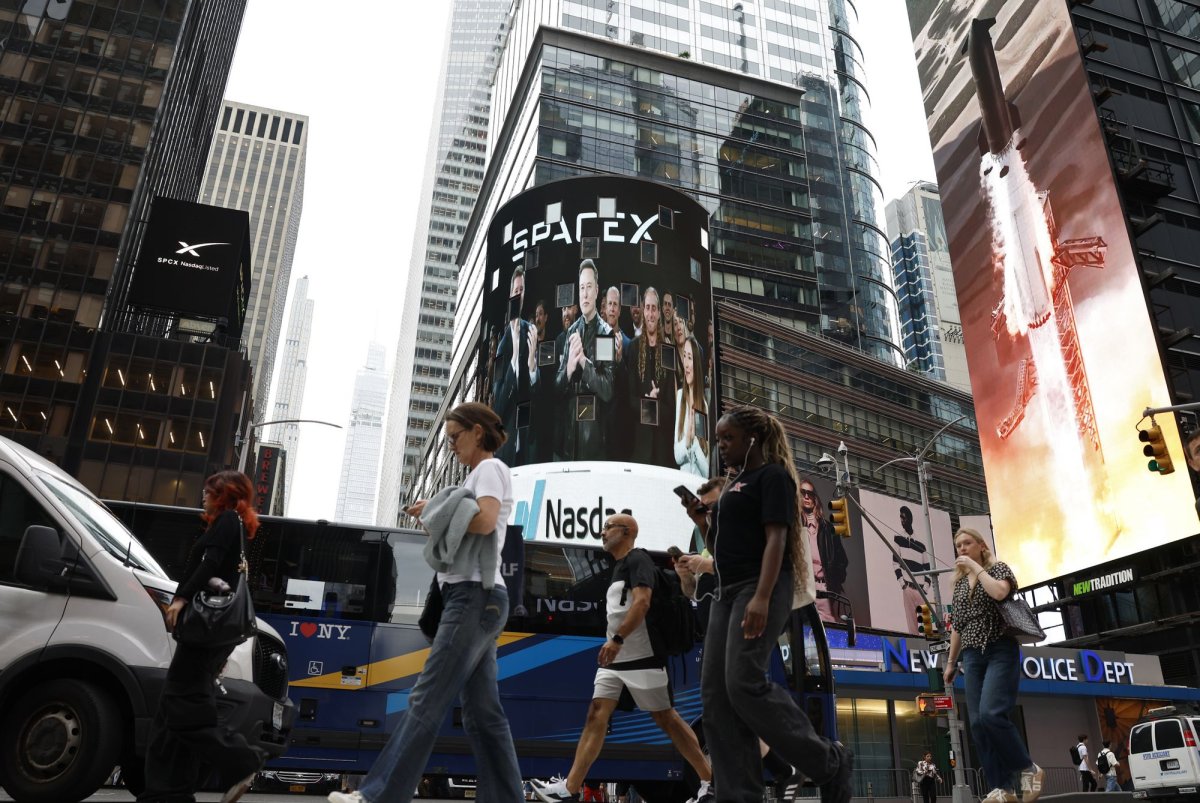
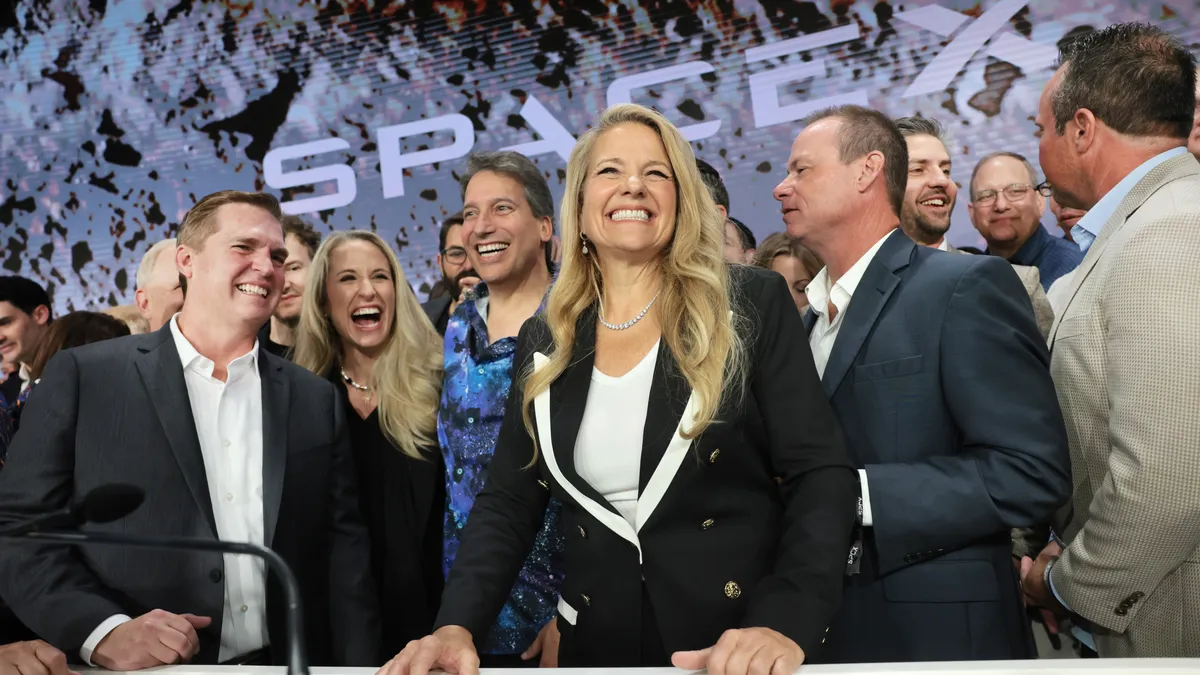
SpaceX began trading on the Nasdaq on Friday under the ticker SPCX, and the numbers attached to the debut are the kind that usually require a footnote to believe. The company priced 555.6 million Class A shares at $135 on Thursday evening, raising roughly $75 billion and valuing the firm at about $1.77 trillion before a single share changed hands. That makes it the biggest initial public offering in history, nearly triple Saudi Aramco's $29 billion listing in 2019, the record it displaced.
The stock did what hotly anticipated debuts tend to do. It opened around $150, about 11% above the offer price, then swung as high as the $168 to $175 range in the first minutes of live trading before settling near $158 to $165 by midday. At those levels SpaceX briefly carried a market capitalization north of $2 trillion, placing it among the most valuable public companies in the world on day one.