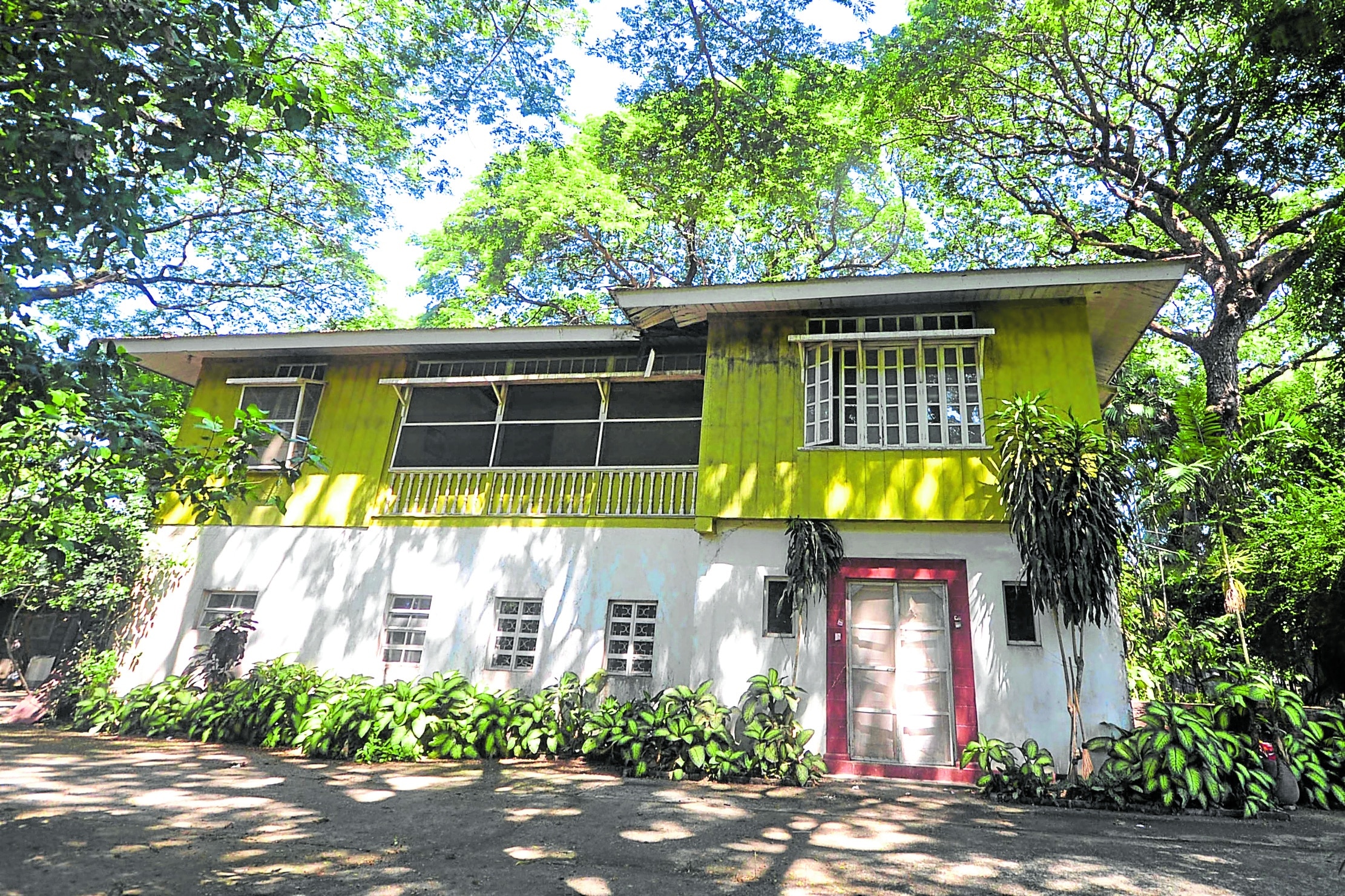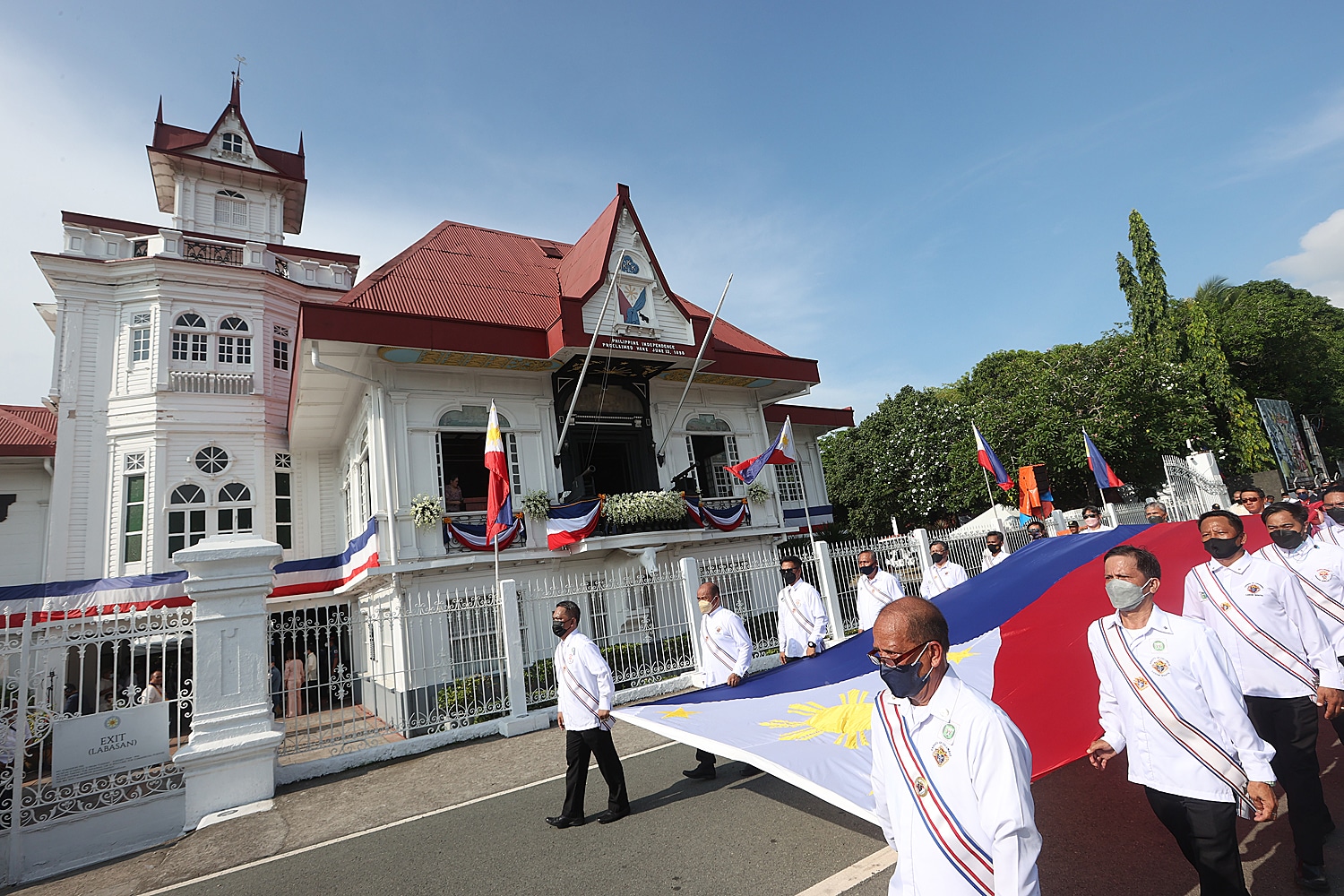
ACTS OF STATE On this day in 1898, from the balcony of the Aguinaldo mansion in Kawit, Cavite, a document was read out declaring that Filipinos “are and have the right to be free and independent; that they have ceased to have any allegiance to the Crown of Spain; that all political ties between them are and should be completely severed and annulled; and that, like other free and independent States, they enjoy the full power to make War and Peace, conclude commercial treaties, enter into alliances, regulate commerce, and do all other acts and things which an Independent State has a right to do.” —NIÑO JESUS ORBETA
When 12 senators voted in 1991 to end the presence of US military bases in the Philippines, many saw it as a defining assertion of national sovereignty.
The vote, which rejected a treaty that would have extended the stay of American forces at Subic and Clark, marked a turning point in Philippine foreign policy. It was widely viewed in contemporary accounts as a break from the country’s long military relationship with the United States, though critics warned it could weaken external defense capabilities.
Thirty-five years later, the Philippines is expanding defense cooperation not only with the United States, its lone treaty ally, but also with other like-minded nations, reflecting a broader shift in how sovereignty and security are pursued.