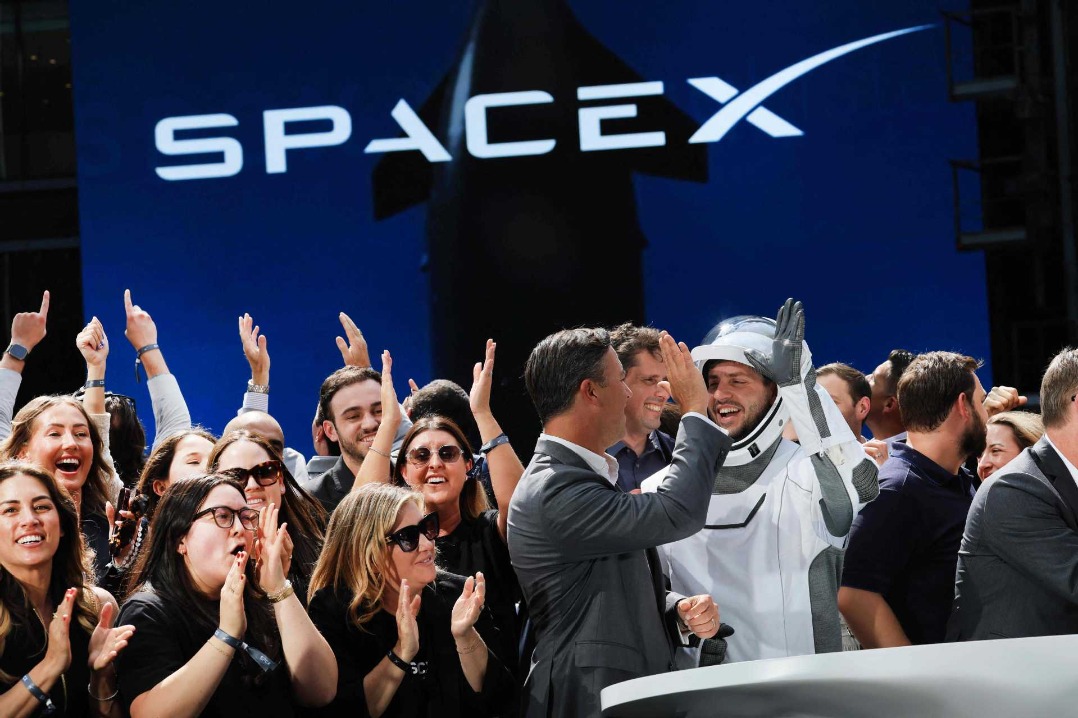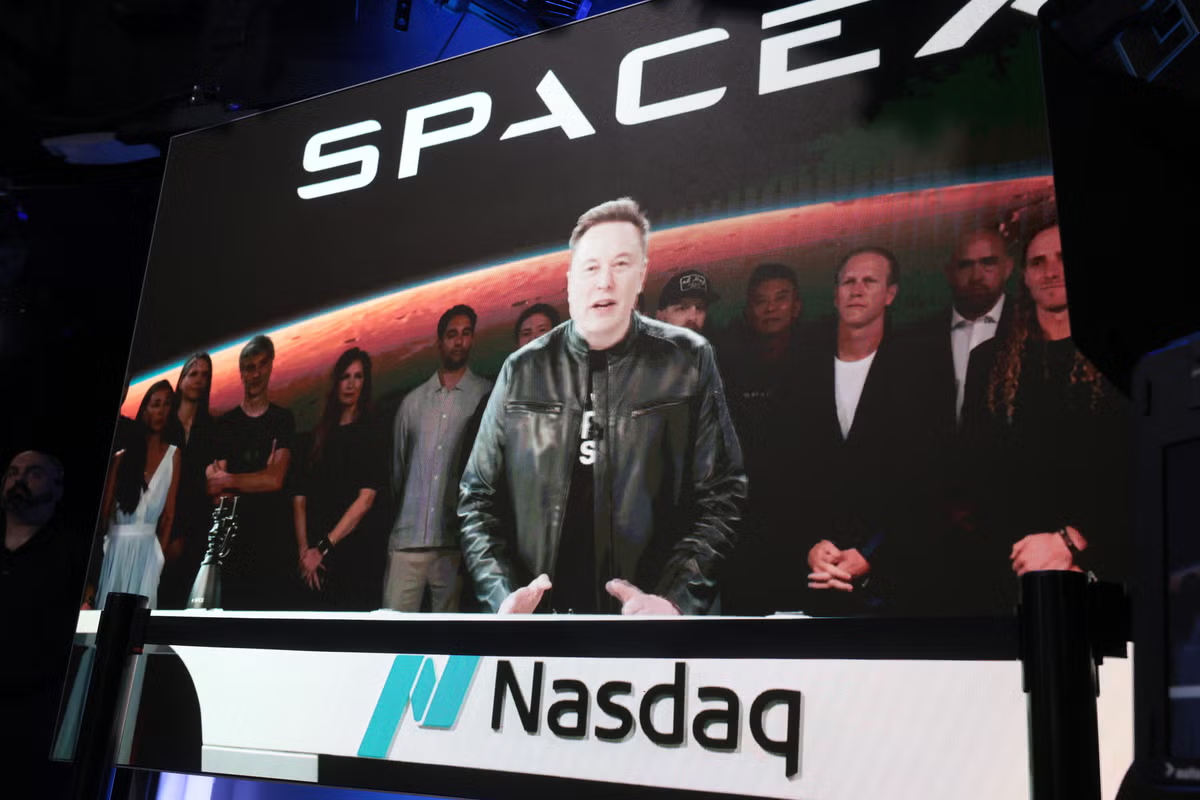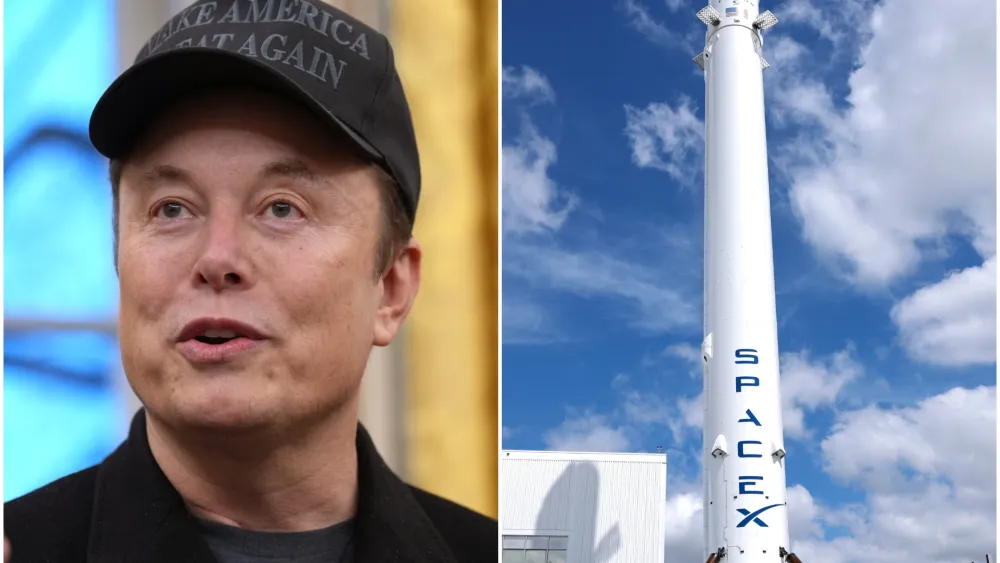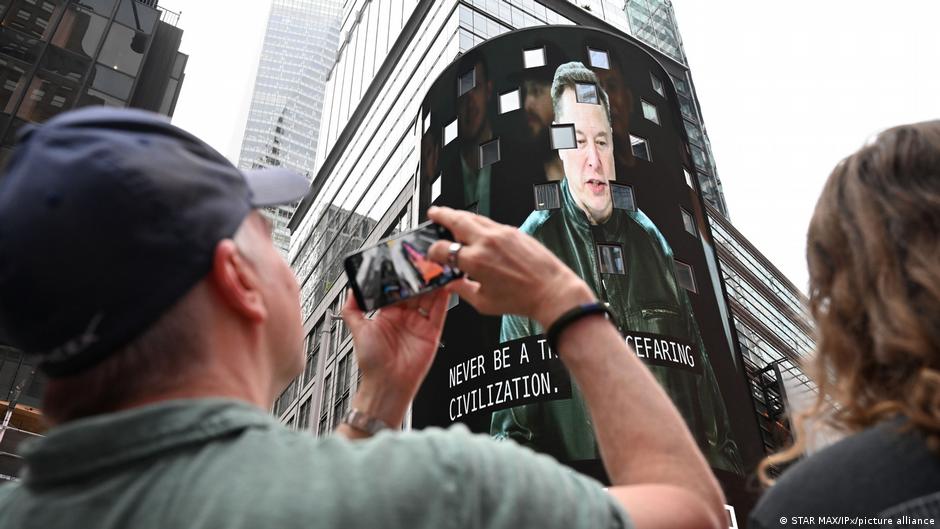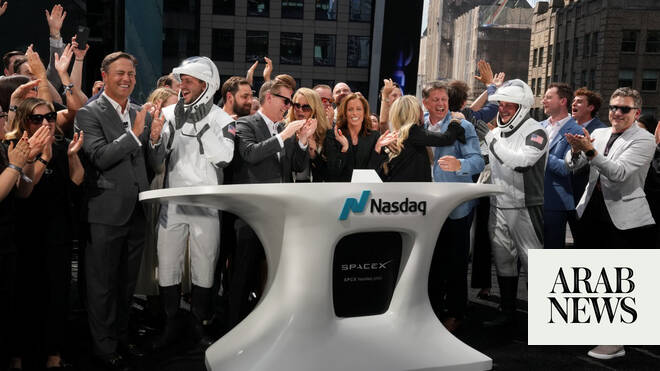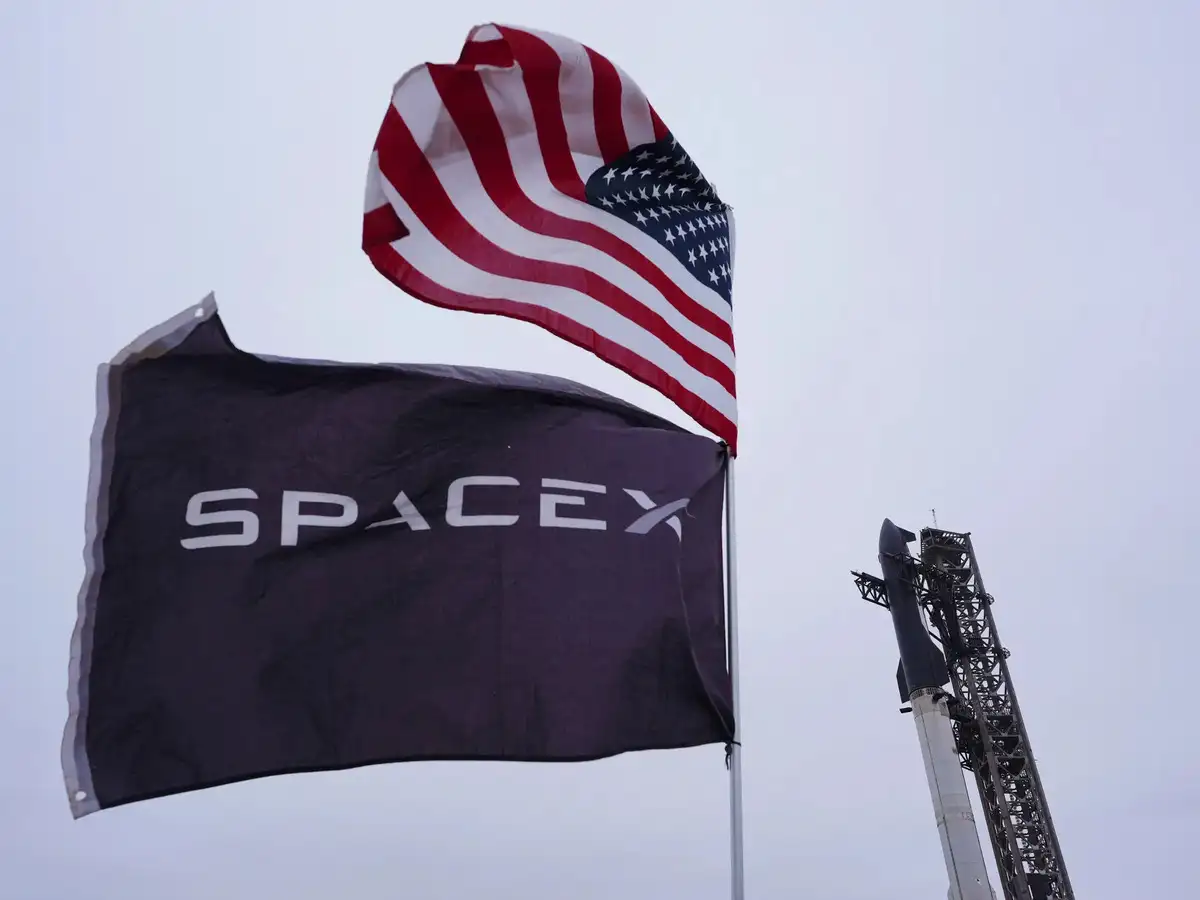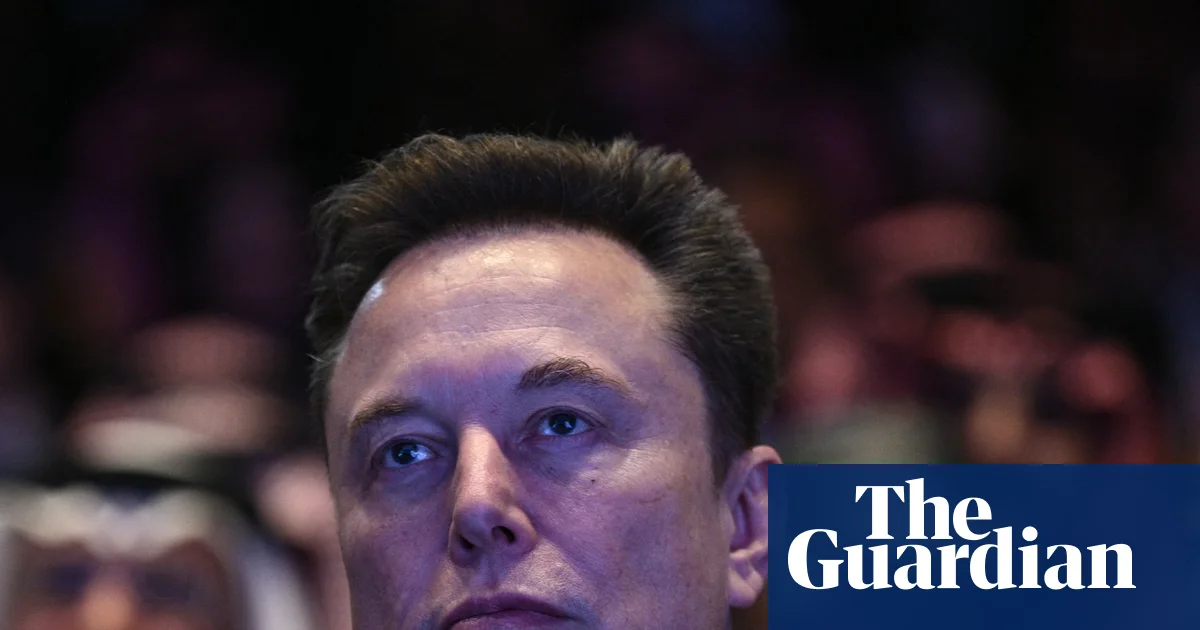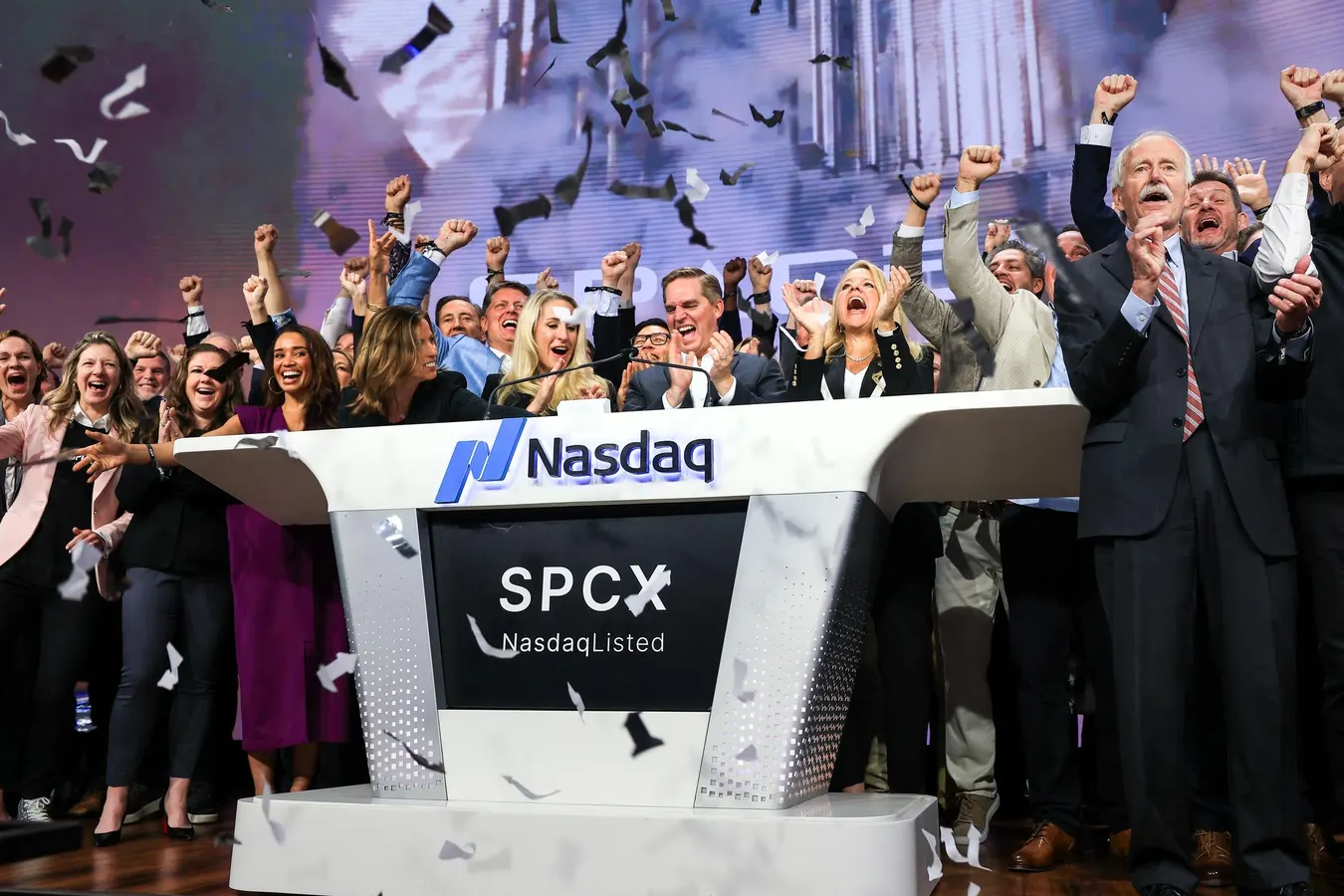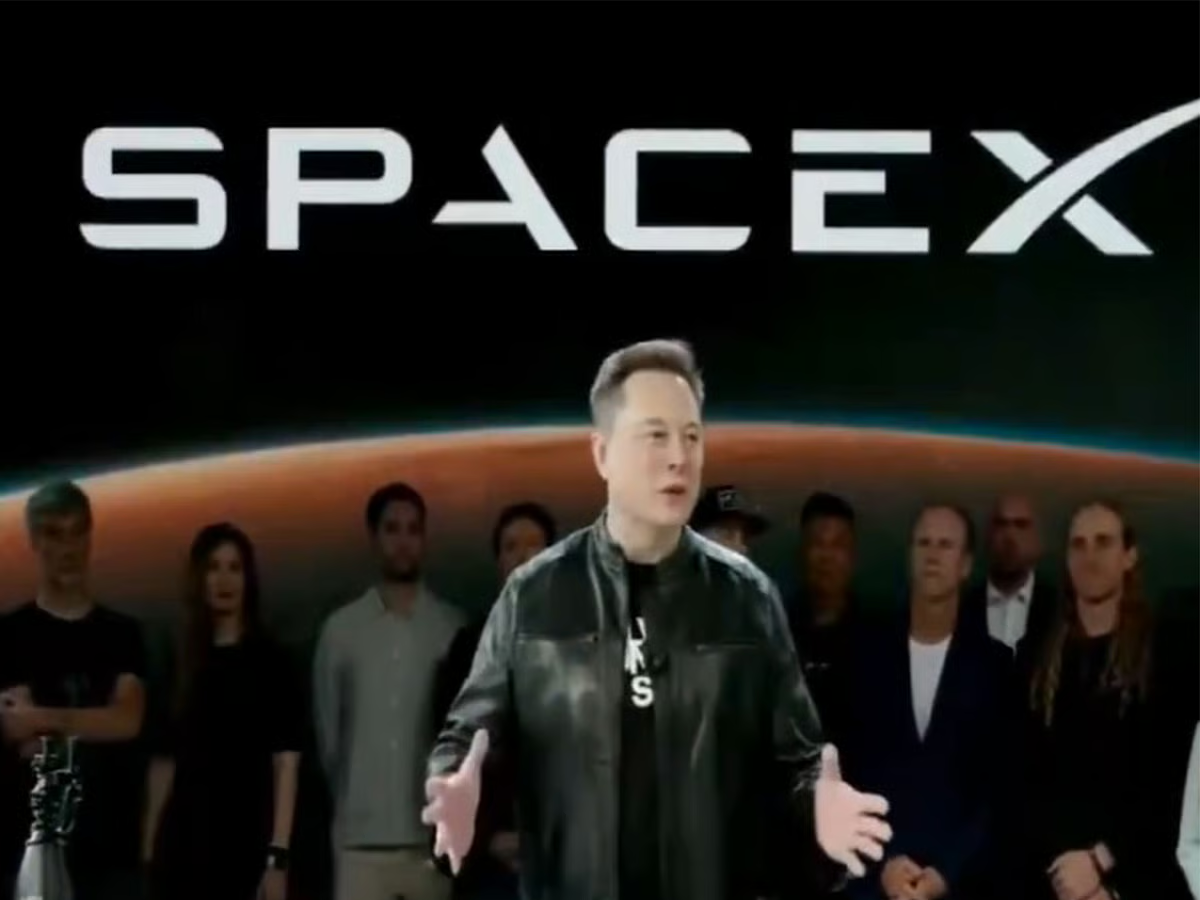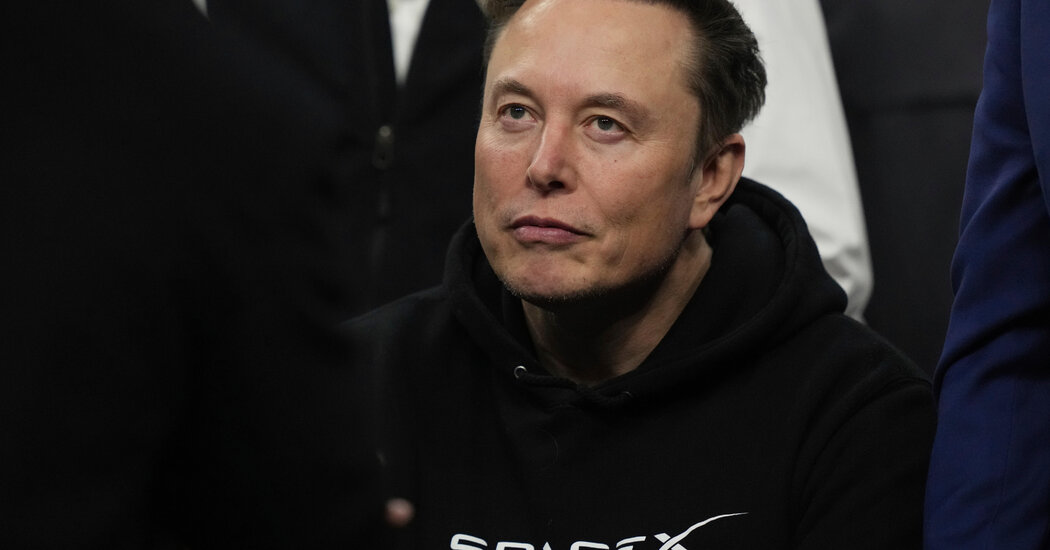
Latest PinnedHere’s the latest.SpaceX, Elon Musk’s rocket and artificial intelligence company, blasted through records as it began trading on the stock market on Friday, making the world’s richest man its first trillionaire and signaling a new era of ultra-affluence and widening wealth inequality.The stock opened at $150 per share, more than the price finalized in its initial public offering Thursday at $135 a share. It rose to $165 in the first 30 minutes of trading.Mr. Musk’s net worth also reflects stock in his electric carmaker, Tesla, as well as ownership stakes in other ventures, including the brain implant company Neuralink and the tunneling firm the Boring Company.Mr. Musk, 54, founded SpaceX in 2002, and has since revolutionized the space industry with partly-reusable rockets and with Starlink, a satellite internet offering that provides service to rural areas, airlines and the Ukrainian army. Earlier this year, SpaceX acquired xAI, Mr. Musk’s A.I. start-up, which has built massive data centers, created a chatbot called Grok and also owns X, the social media company formerly known as Twitter.Mr. Musk separately runs the electric car manufacturer Tesla and a handful of other start-ups.SpaceX could pave the way for other enormous debuts, including by the A.I. companies Anthropic and OpenAI, which both filed confidentially for I.P.O.s this month. Both of those start-ups have valuations approaching $1 trillion. The three offerings could unleash an avalanche of wealth across Silicon Valley and Wall Street, creating new corporate titans in the process.Earlier this year, Cerebras, an A.I. chip maker, kicked off the expected wave of offerings and rose 68 percent on its first day of trading, becoming the largest public offering so far this year and the biggest of any technology firm since 2019.Here’s what to know:SpaceX’s business: While investors have so far leaped at the opportunity to purchase a piece of SpaceX, the company is still a money-losing venture. It lost more than $4.9 billion last year, compared with a $791 million profit in 2024, because of increased expenditures on A.I., according to its I.P.O. prospectus. Revenue was $18.7 billion last year, up 33 percent from the previous year.Earlier than expected: So far today, SpaceX and its team of bankers are running ahead of projections. It typically takes until early afternoon for the stocks of large newly public companies to start trading. Cerebras went public last month and started trading around 1 p.m. For the largest I.P.O. ever, SpaceX got a relatively early start by kicking off trading before noon.First trades: SpaceX’s stock price could swing higher and lower today, and maybe for the next few months. Relatively few shares are trading, and a lot of investors are looking to buy, likely driving the price higher. As more stock becomes available to trade in coming days, either from current investors selling after the price rises or from insiders who are prevented from selling their stock on Day 1, the price is likely to fall again.The Magnificent 7: All of the behemoth tech stocks — Apple, Alphabet, Amazon, Meta, Microsoft, Tesla and Nvidia — rose on their first day of trading after their own I.P.O.s. Meta in 2012 had the most muted performance, rising just 1 percent before falling more than 30 percent over the next 12 months. Nvidia had the best debut in 1999, rising over 60 percent, extending that rally to a rise of 273 percent over the next year.Maureen Farrell and Joe Rennison contributed reporting.Investors looking to leverage their SpaceX bets will soon have a way by using exchange traded funds, investment vehicles which trade on public exchanges as single stocks. More than a dozen so-called leveraged E.T.F.s, which borrow against a market bet to amplify the size of its return, connected to SpaceX have been filed.Many financial experts consider the investment vehicles uniquely risky because they are designed only to be used for short-term trades. Nonetheless, they have proven especially popular with Musk fans who have poured billions into leveraged Tesla E.T.F.s.Musk posted about politics, race and the culture wars, even as he took SpaceX public.ImageElon Musk at the Kennedy Center in Washington, in 2025. Credit...Haiyun Jiang/The New York TimesElon Musk posted nearly 500 times on his social media site, X, over the past week as he prepared to take SpaceX public.In the run-up to SpaceX’s initial public offering, Mr. Musk shared promotional content encouraging investors to buy shares. But he also continued to post about politics, race and the culture wars — signature topics of his round-the-clock social media feed.Mr. Musk opined on a Monday knife attack in Belfast, where police arrested and charged a Sudanese man in connection with the assault. The incident has become a focus for anti-immigration groups.Mr. Musk reposted messages from Restore Britain, a far-right political party, saying that Britain has “an immigration problem” and that the party would “reverse the third-worldification” of the country.“Only by protesting REPEATEDLY and LOUDLY will there be any change!!” Mr. Musk posted about the attack. Mr. Musk’s posts and reposts drove mass attention to the incident, according to research from a nonprofit focused on combating online hate speech called the Center for Countering Digital Hate, generating more than 64 million views on content about the attack.Mr. Musk posted all of these messages as he successfully pursued making SpaceX’s initial public offering the largest in the world. Mr. Musk, the world’s richest man, often behaves this way, posting on social media nonstop even as he becomes embroiled in trials, undertakes diplomatic missions and runs some of the biggest companies in the world.Mr. Musk’s online posting habit has also landed the tech mogul in hot water. In 2018, Mr. Musk and his electric vehicle company, Tesla, each paid fines of $20 million to the Securities and Exchange Commission for online posts in which Mr. Musk falsely claimed he had secured funding to take Tesla private. In 2023, advertisers decamped from X after Mr. Musk endorsed an antisemitic conspiracy theory in a post.This year, a jury determined that Mr. Musk had misled investors in his social media company with his online posts and could owe them roughly $2.5 billion in damages.Over the past week, Mr. Musk reposted messages calling for mass deportation and saying that immigration would destroy Western societies, mixed in with reposts about how high SpaceX’s valuation ought to be.Mr. Musk also engaged with those posting conspiracies about the mayoral race in Los Angeles. The “level of fraud here is mind-blowing” in the vote count, in which a progressive candidate pulled ahead of a Republican, he said.He also criticized California’s policy against requiring identification from voters. “California made it illegal for any election in the state to require ID. This is nuts,” he posted.One X user questioned why Mr. Musk spent his time focused on culture wars instead of enjoying his wealth.“Nothing else matters if civilization falls,” Mr. Musk responded.AdvertisementSKIP ADVERTISEMENTFeeling left out because you didn’t get any shares? Consider what Katy Song, a former technology banker, has been telling her financial planning clients in recent weeks. “I show them their goals and put price tags on those goals,” Song said. “In none of these cases is someone going to sell 100 percent of their rollover I.R.A. and buy SpaceX.” Now, her query: “When you said you wanted security and safety, do you think investing directly in SpaceX is going to feel that way?”They can usually answer that one for themselves.Ryan MacReporting on SpaceX and Elon MuskEven though SpaceX is going public and allowing essentially anyone to own a part of the company, Elon Musk has ensured his voice is the only one that matters. He controls more than 82 percent of the shareholder votes in the company, in part due to his large ownership of supervoting shares, which grant him 10 votes for every share, and other corporate agreements.SpaceX is about to be in your 401(k) whether you like it or not.ImageSpaceX initial public offering signage is displayed at the Bank of America building in New York.Credit...Jeenah Moon/ReutersEarlier this year, the leaders of the world’s largest stock indexes found themselves in a pickle.SpaceX, Elon Musk’s rocket maker, had told them that it planned an initial public offering in the summer. The company said it wanted to be included in the top indexes — which are composed of a variety of public companies and act as a barometer of the broader stock market — shortly after going public, two people familiar with the process said.It was a big ask. Most indexes, like the Nasdaq-100, do not add companies until at least a year after they go public to protect index funds — the widely used investment vehicles that track the indexes — from trading volatility. If SpaceX was included faster than normal, it would compel large index funds run by giants like Fidelity and Vanguard to buy millions of SpaceX shares practically overnight. While that could boost SpaceX’s share price, it could expose index fund investors to more risk.But missing out on the biggest I.P.O. in history, in a year when other sizable offerings are also expected, was too much for Wall Street to bear, the two people said. Nasdaq, the exchange where SpaceX plans to list its stock, announced a rule change in May to allow “fast entry” into the Nasdaq-100 index by large private companies like SpaceX that go public.Others followed. FTSE Russell, the London-based index provider, recently altered its methodology, which will result in listing SpaceX in its indexes within a week of its going public.The changes mean a large swath of index funds — which millions of Americans own in their retirement funds, pension plans and personal portfolios — are poised to hold SpaceX shares soon after the company goes public. Anthropic and OpenAI, the artificial intelligence start-ups that are planning to go public this year, would also land in index funds quickly, potentially exposing everyday investors to more financial risk whether they like it or not.“It’s historically unprecedented,” said John Polonis, a former Wall Street lawyer who worked at J.P. Morgan and now offers financial analysis on social media. “You can try to reorient your retirement accounts to avoid funds invested in A.I. companies, but most people aren’t going to be doing that. They’re kind of left out in the dust here.”The changes by the indexes are just one way that Mr. Musk, 54, has upended I.P.O. norms. The tech mogul has bet that investors cannot resist a deal as enticing as SpaceX, the juggernaut behind the Starlink satellite internet service, private rocket launches and, most recently, artificial general intelligence research. The sheer size of his company — it is now valued at $1.77 trillion, larger than Meta — has given Mr. Musk the power to demand onerous terms from those who seek a windfall from its stock market debut.Among them: Mr. Musk has required Wall Street banks, law firms, auditors and other advisers working on the I.P.O. to buy subscriptions to Grok, his A.I. chatbot, which is part of SpaceX. And last week, he did not set a price range for the offering, as most companies going public would, providing just one share price — $135 — for buyers to take or leave.AdvertisementSKIP ADVERTISEMENTMaureen Farrell and Lauren Hirsch A lot of individual investors have won big so far today. SpaceX gave about 22.5 percent of its $135 I.P.O. shares to retail investors in accounts like Fidelity, Vanguard, Robinhood and banks’ wealthy clients. Another 2.5 percent of its I.P.O. shares went to a friends and family program, according to two people familiar with the allocations. But a lot of potential buyers missed out on those $135 shares. Of 900 orders in the SpaceX I.P.O. order book, roughly one third received zero shares, the two people said.About 20 new billionaires could be minted by 3 mega-I.P.O.sImageDario Amodei, the co-founder and chief executive of Anthropic, in December. Credit...Karsten Moran for The New York TimesThe back-to-back-to-back round of massive public offerings that began this week is going to make a select group of employees of three technology firms very, very rich.SpaceX, the rocket and artificial intelligence company, said on Thursday it had raised about $75 billion from its offering, putting its valuation at $1.77 trillion. Anthropic, the A.I. start-up that makes the Claude chatbot, and its ChatGPT-making rival, OpenAI, have also both filed to go public soon. Each of those companies has an estimated valuation approaching $1 trillion.The mega-listings are projected to create over 20 new billionaires from the companies’ ranks of current and former employees, according to an analysis for The New York Times by Sacra, a private markets research company.They will have access to publicly traded shares that can more easily be turned into very real spending power. (At least, they will at the conclusion of lockup periods, during which company insiders are not allowed to sell their shares.)That includes Gwynne Shotwell, the longtime SpaceX chief operating officer who controls a stake in the company projected to be worth under $2 billion.And when Anthropic and OpenAI go public, billionaires at those firms will eventually have mountains of public shares available to sell. That list will include people like Greg Brockman, the Open AI co-founder and president, who testified in a trial last month that his shares in the A.I. start-up were worth $30 billion. And Dario Amodei, the Anthropic co-founder and chief executive, has a net worth already estimated at about $8 billion.“The magnitude of wealth creation is unprecedented,” said Marcelo Ballvé, Sacra’s head of research.Sacra previously predicted that the three I.P.O.s could create more than 16,000 millionaires. Minting these new millionaires could lead to inflated real estate prices in already expensive markets like the Bay Area, higher demand for luxury goods like private planes and greater investments back into the start-up ecosystem.But the rise of the new billionaires could have much grander impacts on society. That group could lead a rash of new mega-philanthropy and political giving. Or they could buy private islands and sports franchises.Not to mention Elon Musk, already the world’s richest man, who became a trillionaire on Friday.To make the projections, Sacra analyzed the wealth distribution from previous large tech I.P.O.s. It then analyzed SpaceX’s I.P.O. documents and conducted simulations of Anthropic and OpenAI’s expected public offerings.The analysis included only current and former employees, not any new billionaires created among outside investors in the companies.Each of the companies would rank among the world’s largest ever public listings, competing only with the I.P.O. of the Saudi oil company Aramco in 2019, which went public at a $1.7 trillion valuation.The sudden boom of billionaire wealth stems in part from the companies waiting so long to go public, Mr. Ballvé said.Sheryl Sandberg, the former chief operating officer at Facebook, held 0.07 percent of the company’s stock in 2012 when it went public valued at $104 billion, Mr. Ballvé said. That minted her a $73 million equity stake.But what would the same percentage stake come out to at the much-loftier valuation for SpaceX, which has been private for 24 years? That would be worth $1.2 billion, Mr. Ballvé said.“That’s what happens when you get an I.P.O. that is 17 Facebooks,” he added.There’s a huge political dimension to Musk reaching the trillionaire threshold, too. Musk spent over $290 million on the 2024 election cycle. That’s a lot of money, but it’s obviously a very, very small amount of his net worth. Republicans are really hoping that Musk gets involved in the 2026 and 2028 elections. He could remain a conservative mega-donor for decades.AdvertisementSKIP ADVERTISEMENTSpaceX’s stock has gathered a lot of interest from everyday investors hoping to buy a piece of yet another company Musk has taken public. The I.P.O. was unique in offering roughly 30 percent of its stock to retail investors, higher than is typical for a company’s market debut. According to Citadel Securities, the largest retail wholesaler, this was the highest retail order activity for an I.P.O. auction ever.It’s early going, but we are now comfortably in the realm of a respectable first day “pop” for an I.P.O., with SpaceX shares up more than 20 percent. Considering all the skepticism on Wall Street around this offering, that would have to be considered a success. Let’s see if it can hold the line for the next three hours of trading.It’s hard to imagine there will be another trillionaire anytime soon. The next closest people behind Musk on the Bloomberg Billionaires Index, the Google co-founders Larry Page and Sergey Brin, are only about 30 percent of the way there. The Bloomberg Billionaires Index lists 18 other people over $100 billion as of Friday, including Jeff Bezos, Larry Ellison, Michael Dell and Mark Zuckerberg.Ryan MacReporting on SpaceX and Elon MuskI started my career at Forbes more than a decade ago, helping to calculate the Forbes Billionaires list. Back then, the world’s wealthiest people rarely had net worths that exceeded $100 billion. It’s almost unfathomable that someone now has a net worth that is more than 10 times that.Musk was worth around $350 billion in November 2024 shortly after he helped elect Donald J. Trump as president. His net worth has more than tripled in less than two years.ImageCredit...Doug Mills/The New York TimesAdvertisementSKIP ADVERTISEMENTRyan MacReporting on SpaceX and Elon MuskAfter the I.P.O., Musk owns around 6.4 billion shares in SpaceX. That is close to half of the total shares outstanding in the company. At SpaceX’s current stock price of $165.93, that stake is worth more than $1 trillion.Despite the records SpaceX has now broken, the I.P.O. is comparatively small, given the company’s enormous valuation. The record-breaking $75 billion raised came from the sale of slightly more than 4 percent of the company’s total shares. According to data from Refinitiv, a financial data firm, that’s low. Facebook I.P.O.’d in 2012 selling almost 20 percent of its shares, Tesla went public listing 14 percent of the company and Nvidia listed 12 percent.Ryan MacReporting on SpaceX and Elon MuskThere’s been a lot of chatter as to whether SpaceX would merge with Musk’s other public company, Tesla. Some stock analysts have also speculated that investors would sell off their Tesla stakes in order to invest in SpaceX’s I.P.O. Tesla’s shares are currently down around 2 percent in trading.ImageCredit...Justin Kaneps for The New York TimesAn update on today’s silliest subplot: Musk has posted a photo of what appears to be half the people who matter at Morgan Stanley posing in green shoes on the trading floor. They include the C.E.O., Ted Pick; the longtime I.P.O. whisperer Michael Grimes; and Kate Claassen, lead banker on the offering team. The footwear, you’ll recall, refers to the “green shoe” option that permits underwriters to backstop a company’s shares in early trading.AdvertisementSKIP ADVERTISEMENTAfter roughly 30 minutes of trading, the stock has continued to soar, rising over 20 percent to around $165.So far today, SpaceX and its team of bankers have run ahead of projections. Investors typically find out how many shares they receive in an IPO around the time of the opening bell. But in this case, some big investors received word by around 6:30 a.m. – well before most other IPOs, according to a mutual fund manager. It typically takes until early afternoon for the stocks of large newly public companies to start trading. Cerebras, a maker of A.I. chips, went public last month and started trading around 1 p.m. For the largest I.P.O. ever, SpaceX got a relatively early start by kicking off trading before noon.SpaceX’s early rise has made Elon Musk a trillionaire. The stock would need to stay above roughly $138 to keep his net worth at 13 figures.Ryan MacReporting on SpaceX and Elon MuskSpaceX rises 11% in largest I.P.O. ever.ImageTraders at New York Stock Exchange watch news about SpaceX’s I.P.O. at Nasdaq on Friday.Credit...Karsten Moran for The New York TimesSpaceX, Elon Musk’s rocket and artificial intelligence company, capped the biggest-ever initial public offering by rising 11 percent as it began trading on Friday, turning the world’s richest man into the first trillionaire and setting the stage for fast-growing A.I. companies to reach the stock market in a once-in-a-lifetime bonanza.SpaceX shares opened trading at $150, up from their I.P.O. price of $135 a share. That valued the company at nearly $2 trillion, exceeding the market capitalizations of other titans of American industry, including Walmart and General Motors combined.At that size, the offering dethroned Saudi Aramco, Saudi Arabia’s state-owned oil company, which was valued at $1.7 trillion and raised more than $29 billion when it went public in 2019. SpaceX raised $75 billion from its offering, more than the combined amount amassed by every other U.S. I.P.O. over the past two years, according to Renaissance Capital, a research and advisory firm.The pop in SpaceX’s share price also catapulted Mr. Musk, 54, to trillionaire status. The entrepreneur, who not only leads SpaceX but also runs the electric carmaker Tesla and other businesses, has long been the planet’s wealthiest person. But passing the trillionaire milestone is significant, further augmenting Mr. Musk’s fortune and influence.A coterie of Mr. Musk’s friends and venture capital and private investment firms were enriched by the I.P.O., many by billions of dollars. Thousands of SpaceX employees instantly became millionaires.Mr. Musk spent Friday at the company’s headquarters in Starbase, Texas, where he celebrated with employees, family, friends and investors. “It is certainly hard to believe that a little company that started in a warehouse in El Segundo is now going public,” he told them, referring to SpaceX’s founding in 2002 in Southern California. “I gave SpaceX less than a 10 percent chance of succeeding at all.”ImageElon Musk speaks via video call at the Nasdaq MarketSite during SpaceX’s initial public offering opening ceremony on Friday.Credit...Andres Kudacki for The New York TimesA SpaceX spokesman and Mr. Musk did not return requests for comment.SpaceX’s blockbuster I.P.O. paves the way for mega offerings by the A.I. start-ups OpenAI and Anthropic, which are each valued at nearly $1 trillion. Never have three trillion-dollar entities gone public in the same year. Their stock market debuts could signal that a new era of corporate power has arrived, with SpaceX, OpenAI and Anthropic joining the pantheon of tech giants like Google, Microsoft, Amazon, Nvidia, Apple, Netflix and Meta.For SpaceX, the first day of trading capped a long road. Mr. Musk founded the company 24 years ago with the idea of making humans a multiplanetary species. For years, his dreams of private spaceflight seemed to be out of reach.But Mr. Musk has remade the space race with partly reusable rockets and transformed communication with the company’s satellite internet service, Starlink. In February, SpaceX bought his A.I. company, xAI, which owned the social media platform X, creating a conglomerate of the tech billionaire’s various interests.Mr. Musk has used SpaceX as a kind of piggy bank over the last two decades, securing loans from the company to himself and relying on the firm to shore up several troubled businesses in his orbit. That was enabled partly because of Mr. Musk’s iron grip on SpaceX; he controlled around 85 percent of the shareholder votes before the I.P.O. because of a class of supervoting shares and other corporate structures.In its I.P.O., SpaceX sold more than 555 million shares, representing a little more than 4 percent of the company’s outstanding stock. The company and its bankers courted traditional institutional investors and encouraged wealthy individuals and retail investors to buy. SpaceX also wanted several indexes to change their rules so that its shares would be included faster than normal, which would eventually compel managers of large index funds to buy up the stock.ImageIn its I.P.O., SpaceX sold more than 555 million shares, representing a little more than 4 percent of the company’s outstanding stock.Credit...Karsten Moran for The New York TimesSpaceX’s stock price is expected to swing higher and lower in the weeks after its listing, not necessarily because of shifting opinions about the company but because of certain technicalities. SpaceX is expected to face high demand for its relatively low number of shares available, potentially leading to sharp price rises. That could change as investor enthusiasm dies down and more shares become available to trade.JPMorgan analysts said this week that the recent average I.P.O. share price increase stood at 32 percent after the first day of trading, but fell to a loss of 26 percent after 12 months.Daniel Hanson, a portfolio manager at the investment firm Neuberger Berman who oversees a fund with a $200 million investment in SpaceX, said the speed at which SpaceX went public — six months from when Mr. Musk first announced his intentions — was an example of its executive team’s “tenacity.”“It’s exciting to see the team recognized by the public for what they have accomplished since their founding 24 years ago,” he said.In recent weeks, SpaceX, which has contracts with NASA and other federal agencies, has also faced questions about its business, including its spending and how it can justify its valuation. In its I.P.O. prospectus, the company reported that it had lost more than $4.9 billion last year, compared with a $791 million profit in 2024 because of increased expenditures on A.I. Revenue was $18.7 billion last year, up 33 percent from the previous year.ImageStarbase, the headquarters of SpaceX, in Boca Chica, Texas.Credit...Jordan Vonderhaar for The New York TimesIn contrast, Meta, which owns Facebook, Instagram and WhatsApp, is valued at slightly less than SpaceX at just over $1.4 trillion, though it pulls in far more revenue and generates large profits. Last year, Meta’s revenue totaled $201 billion, and profit was $60.5 billion.SpaceX has said it plans to use the money it raises from its I.P.O. to pay off loans and fund various moonshots, including Mr. Musk’s goals of putting A.I. data centers into orbit, building a lunar factory and eventually sending humans to Mars.While skeptics have questioned whether these plans are feasible, Mr. Musk’s fans abound. In New York, an excited crowd of several dozen people gathered outside the Nasdaq building in Times Square on Friday morning, including Zach Boucher, 45, who flew in from California overnight to see SpaceX listed on the Nasdaq.Mr. Boucher said he was buying more than 2,200 SpaceX shares through Wells Fargo and was “never going to sell, I’m holding for the long term.”This moment is “like getting in on the ground floor of GE or GM, or being here when Microsoft opened,” he said.Goldman Sachs, Morgan Stanley, Bank of America, Citigroup, JPMorgan Chase and 18 other banks served as underwriters for SpaceX’s I.P.O.(The New York Times has sued OpenAI and Microsoft, claiming copyright infringement of news content related to A.I. systems. The two companies have denied the claims.)Joe Rennison and Lauren McCarthy contributed reporting from New York.AdvertisementSKIP ADVERTISEMENTSpaceX began trading at $150, up 11 percent from its I.P.O. price of $135 a share. It continues to trade up.ImageCredit...Jeenah Moon/ReutersAll of the Magnificent 7 group of behemoth tech stocks — Apple, Alphabet, Amazon, Meta, Microsoft, Tesla and Nvidia — rose on their first day of trading following their own I.P.O.s. Meta in 2012 had the most muted performance, rising just 1 percent before falling more than 30 percent over the next 12 months. Nvidia had the best debut in 1999, rising over 60 percent, extending that rally to a rise of 273 percent over the next year.It only took the world’s biggest I.P.O. to get David M. Solomon, Goldman Sachs’ chief executive, to make his first post on X. “I’ve known Elon for more than 15 years, as have several of my colleagues, and it’s been incredible to see his vision come to life,” he wrote, along with a not-so-subtle reminder that Goldman beat out rival Morgan Stanley to lead the banks that have organized the offering.Musk responded with a “thank you!” and three rocket ship emojis.SpaceX’s senior executives, including Gwynne Shotwell, just arrived at Morgan Stanley’s headquarters, which is a stone’s throw from Nasdaq’s offices in the middle of Times Square. Morgan Stanley’s team will set the opening price from their trading floor there. In Morgan Stanley’s version of the Wizard of Oz’s Emerald City, the trading floor was filled with bright green shoes. The footwear appears to be a reference to what’s known as a “green shoe option” in an I.P.O. That means a company’s underwriters can purchase additional shares beyond those sold to investors. Underwriters can then use those shares to stabilize the stock in the early days of trading.ImageCredit...Jeenah Moon/ReutersAdvertisementSKIP ADVERTISEMENTAntonio Gracias, one of Musk’s closest friends and a SpaceX board member, was just asked on CNBC whether he could envision a merger between the company and Tesla, where he used to serve on the board.“That’s way above my pay grade,” Gracias said, adding that it was something for the companies “to think about in the future.” In an earlier CNBC interview, SpaceX’s chief operating officer, Gwynne Shotwell, said such a merger “might make Elon’s life a little easier, actually.”Ryan Mac and Mike IsaacRyan Mac reported from Los Angeles, and Mike Isaac from San Francisco.Is SpaceX worth $1.77 trillion? It’s a pie in the sky, some investors say.ImageSpaceX set an initial public offering price of $135 a share, valuing it at $1.77 trillion. Some investors are skeptical that the valuation is justified.Credit...John Raoux/Associated PressSpaceX’s blockbuster initial public offering hit a valuation of $1.77 trillion on Thursday. But Mr. Musk and his investment bankers’ lofty propositions about what the company, which makes rockets and develops artificial intelligence, will achieve, coupled with Mr. Musk’s history of overpromising, have some investors increasingly worried that SpaceX may burn them.“It really does feel very much a ‘don’t look at the man behind the curtain’ situation,” said Jim Chanos, the founder of the investment firm Chanos and Company, who predicted the 2001 collapse of Enron, the energy company that was found to have engaged in accounting fraud.Mr. Chanos and others said they were concerned with SpaceX’s finances. The company lost $4.3 billion in the first three months of the year alone and is spending heavily on A.I. development. Revenue was $4.7 billion and growing, but it was far lower than that of tech giants like Meta, which brought in $56.3 billion in the same period and has a stock market valuation of $1.4 trillion.At the same time, SpaceX has promised that its total addressable market — its revenue opportunity if it captures all the demand across its various industries — is the largest “in human history” at $28.5 trillion. The figure, which depends on SpaceX proving that it can put A.I. data centers in space and develop factories on the moon, dwarfs China’s annual gross domestic product by more than $8 trillion.Michael Burry, a hedge fund investor featured in the book “The Big Short” for his predictions of the 2008 financial crisis, said in a Substack discussion last month that any increase in SpaceX’s stock after its I.P.O. would “be on hype and technicals.”“Nothing in that S-1 suggests it is worth $1 trillion let alone $2 trillion,” Mr. Burry wrote, referring to the company’s I.P.O. filing.Even some SpaceX shareholders have doubts. Ross Gerber, the chief executive of Gerber Kawasaki, an investment firm that owns SpaceX stock, said the company’s projections reminded him of unverified information that young start-ups used to woo investors. He said he was alarmed by SpaceX’s likely valuation of $1.77 trillion, which would be more than four times the $400 billion that the company was valued at just 13 months ago.“Investors are paying an extremely high price for this stock,” Mr. Gerber said.Ryan MacReporting on SpaceX and Elon MuskSpaceX appears to be gearing up for celebrations tonight around its Starbase headquarters in Texas. There is an employee-only event this evening at which executives are expected to make speeches At least one bar on South Padre Island, near Starbase, has been reserved for a party.AdvertisementSKIP ADVERTISEMENTAdvertisementSKIP ADVERTISEMENTAdvertisementSKIP ADVERTISEMENTAdvertisementSKIP ADVERTISEMENTWhen will SpaceX start trading?ImageSpaceX advertisements in Times Square on Friday morning, ahead of its stock’s debut trading. Credit...Jeenah Moon/ReutersThe U.S. stock market opens at 9:30 a.m. Eastern, but don’t expect shares of SpaceX to begin trading right away.Delaying the start of trading in shares in a newly public company is part of an elaborate effort to ensure that the stock’s introduction into the market goes as smoothly as possible.A key part of the effort is deciding what price SpaceX should begin trading at.Bankers will spend Friday morning trying to assess from traders how much demand there is to sell — and buy — SpaceX shares at various prices. They are looking for an “equilibrium” price — the price at which there is generally the same amount of sellers as buyers.The goal is to make sure the company’s shares are relatively stable when they begin to trade. Ideally, underwriters hope they will rise gradually throughout the trading day. Ultimately, the price bankers land on for the opening trade could be below or above or the same as the $135-a-share initial public offering price that was determined on Thursday night.For such a large offering as SpaceX, it could take hours for the process to play out before the trading can start.Several past high-profile listings happened in the late morning: Shares of Alibaba, the Chinese e-commerce giant, began trading at 11:53 a.m. on Sept. 19, 2014, and shares of Twitter began trading a little before 11 a.m. on Nov. 7, 2013.Matthew Kennedy, a senior I.P.O. market strategist at Renaissance Capital, noted that some recent deals haven’t started trading until the early afternoon.For a deal as large as SpaceX, Nasdaq and SpaceX’s bankers will “want to feel confident” that they have settled on the right opening price, Mr. Kennedy said. “And the stock is not just immediately cratering.”AdvertisementSKIP ADVERTISEMENT
SpaceX IPO Live Updates: Elon Musk Becomes World’s First Trillionaire as Stock Begins Trading
Mr. Musk’s rocket and satellite maker opened at $150 per share, up 11 percent from its I.P.O. price, and then shot to well over 20 percent.
TL;DRAI
SpaceX opens at $150/share (IPO $135); Musk first trillionaire with $18.7B revenue but $4.9B 2025 loss. IPO unlocks wave of mega-cap AI debuts (Anthropic, OpenAI ~$1T); signals consolidation surge and venture capital reallocation to infrastructure.
5,582 words~25 min read