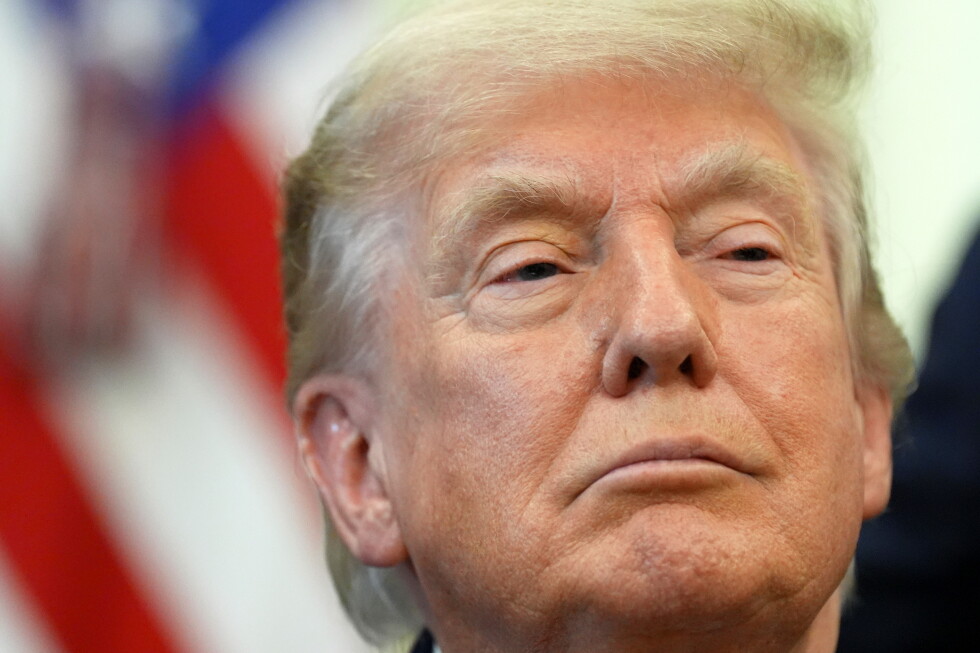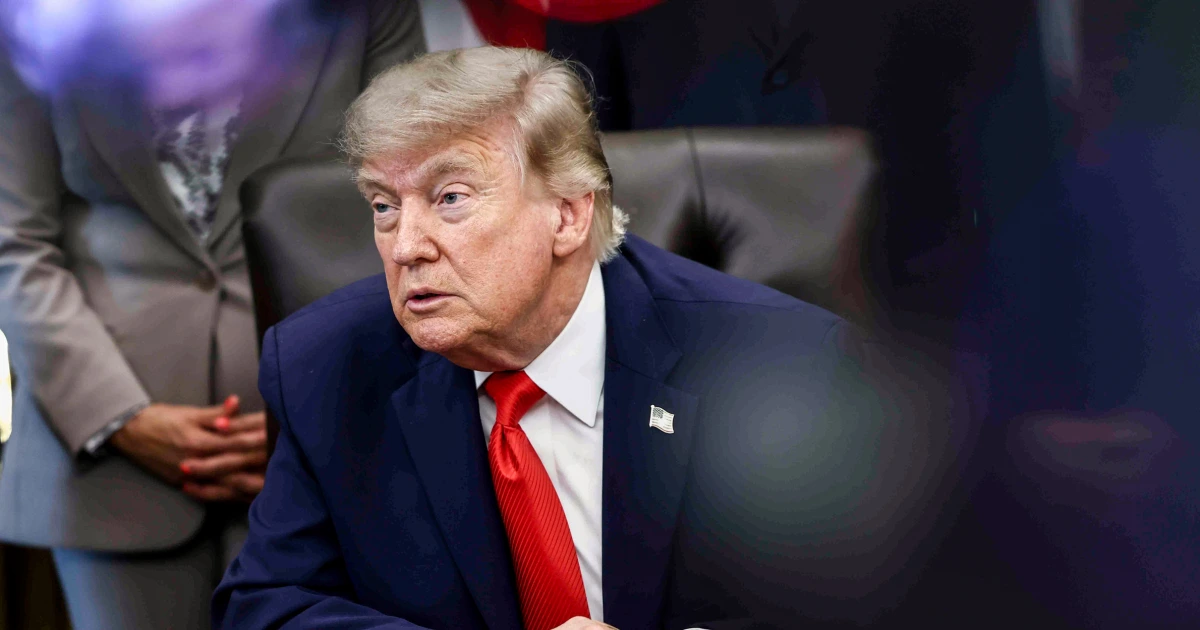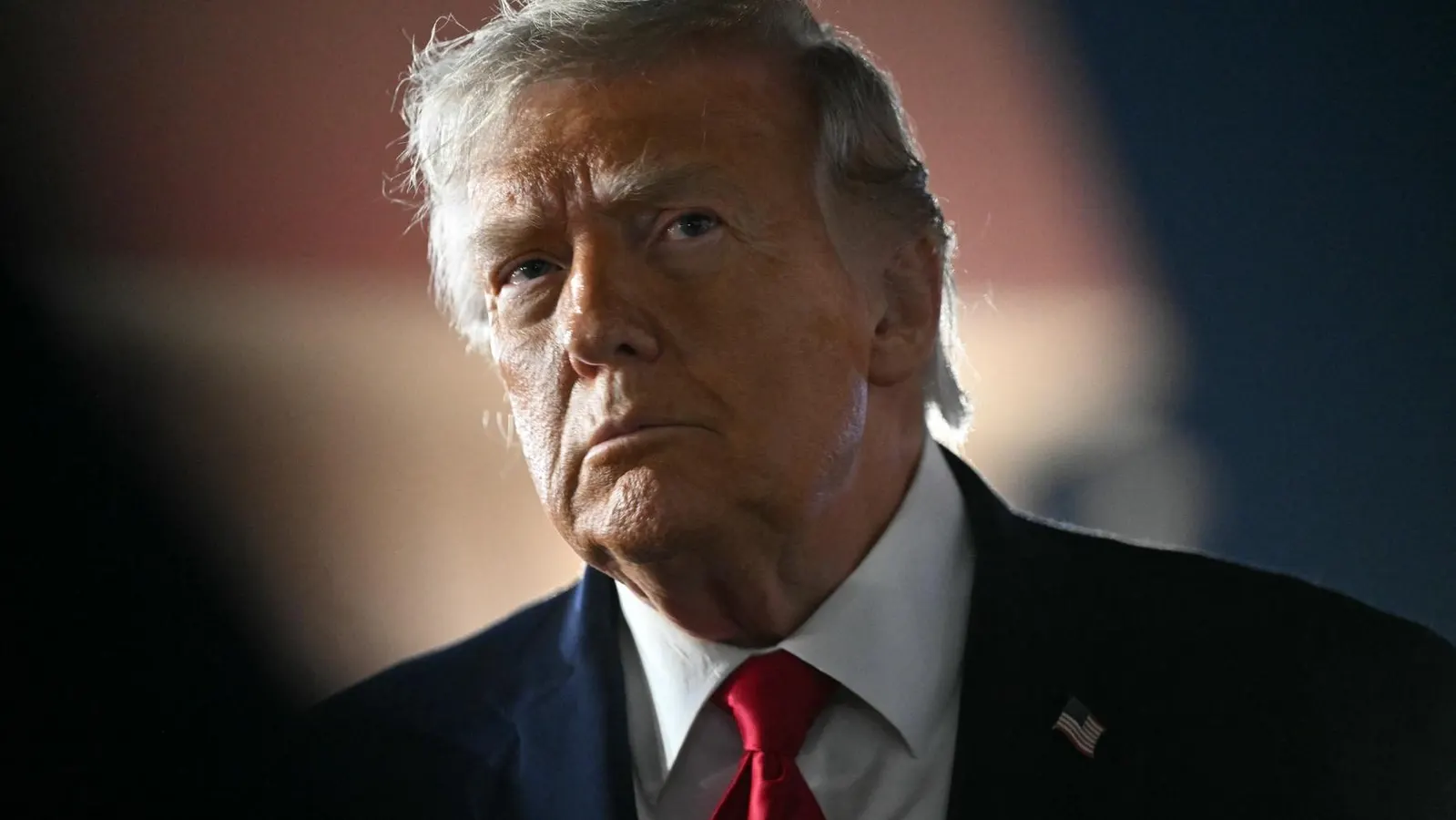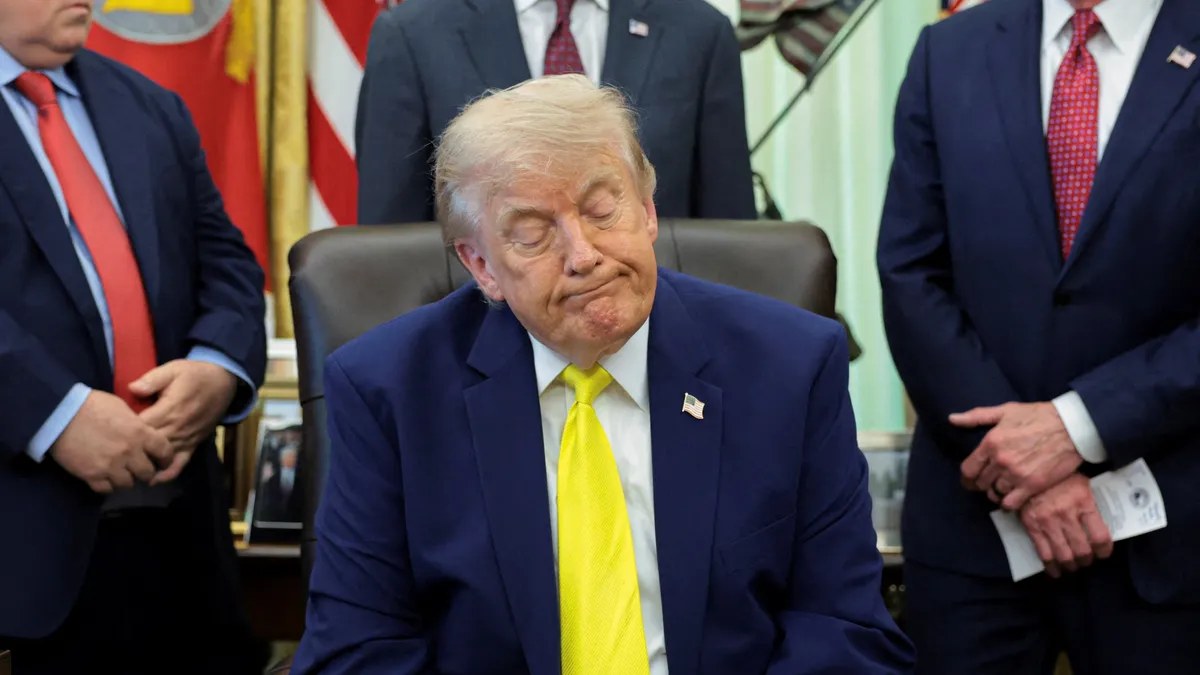
Democrats and other critics have blasted the proposal as a 'slush fund' to reward Trump's allies.Show Caption
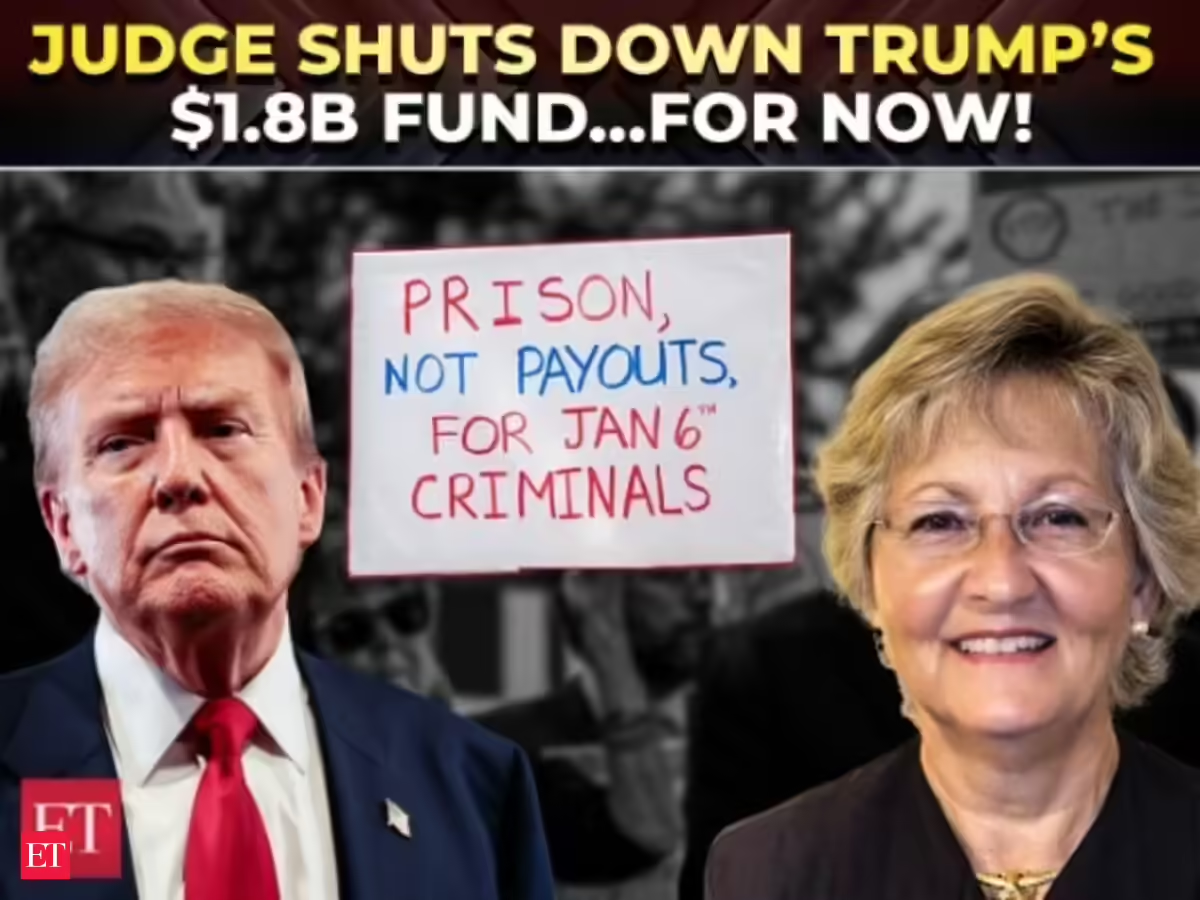
WASHINGTON – A federal judge blocked indefinitely President Donald Trump’s proposed $1.8 billion fund to compensate people he argued were investigated unfairly by the Justice Department even as the administration said the fund was dead.U.S. District Judge Leonie Brinkema in Virginia previously ordered the administration temporarily to halt funding for creation or operation of the fund while her case was litigated. She scheduled the June 12 hearing to decide whether more action was needed to ensure that no funds are transferred to the Anti-Weaponization Fund, even though Acting Attorney General Todd Blanche said the administration would abandon it.But Trump continues to defend the proposed fund.Brinkema said it was “problematic” that the administration sought to set up a pool of taxpayer money to favor “an extremely small group” that many Americans feel engaged in “unacceptable” conduct.Skye Perryman, CEO of Democracy Forward, which represented the people opposing the fund in the lawsuit, called the decision "a significant victory for the Constitution, the rule of law, and people in America."“The court recognized the serious legal concerns raised by the Trump-Vance administration’s attempt to create a secretive, taxpayer-funded compensation program operating outside the constitutional safeguards that govern public spending," Perryman said in a statement.Brinkema's decision came after another federal judge declined to block the fund.U.S. District Judge Richard Leon in DC declined a request June 10 from the advocacy group Citizens for Responsibility and Ethics in Washington to block the fund."Don't play possum with this court," Leon told a government lawyer before ending the hearing.Trump proposed the fund as part of a settlement of a $10 billion lawsuit against the IRS by the president, his sons Don Jr. and Eric, and The Trump Organization, which includes many of Trump's businesses.The contractor, Charles Littlejohn, was sentenced in 2024 to five years in prison for disclosing thousands of tax returns, including those of Trump and many other wealthy individuals.As part of a settlement to drop the lawsuit, Blanche agreed that the IRS wouldn’t audit Trump or his family over their taxes. But Blanche said the administration dropped the creation of a fund to compensate people who were investigated, such as those convicted of attacking the Capitol on Jan. 6, 2021."We are not moving forward with the fund," Blanche told lawmakers June 2. "Period."Brinkema gave Blanche and Treasury Secretary Scott Bessent a week to sign off on a sworn statement declaring the fund would not go forward − or the lawsuit would move forward.“I don’t have in this record the type of uncontested evidence that this will not be repeated,” she said.Trump defended the fund on NBC's "Meet the Press" on June 7."If it was up to me, I'd pay them the kind of money that they deserve," the president added. "People have been destroyed. Lives have been destroyed."Congressional Democrats and other Trump critics called it a “slush fund” and asked the courts to block it. Dozens of members of Congress said the court should consider the risk that Trump could use the $1.776 billion fund to "siphon billions of taxpayer dollars into the pockets of the President, his family, and his allies."The Justice Department had said the attorney general would choose five commissioners to run the fund, one of them "in consultation with congressional leadership." The president may remove any commissioner he wants, with a replacement chosen the same way the person he dismisses was chosen.Trump said on May 18 that the five people would have been "talented" and "highly respected."The case in Brinkema's court was filed by Andrew Floyd, a former assistant U.S. attorney in Virginia; Jonathan Caravello, a professor at California State University Channel Islands; the city of New Haven, Connecticut; and the advocacy groups Common Cause and the National Abortion Federation."I will continue this litigation to ensure that this unconstitutional fund does not erase the accountability imposed by judges and impartial jurors − and the hard-earned work of the victims, witnesses, law enforcement officers, and prosecutors who delivered it,” Floyd said in a statement.