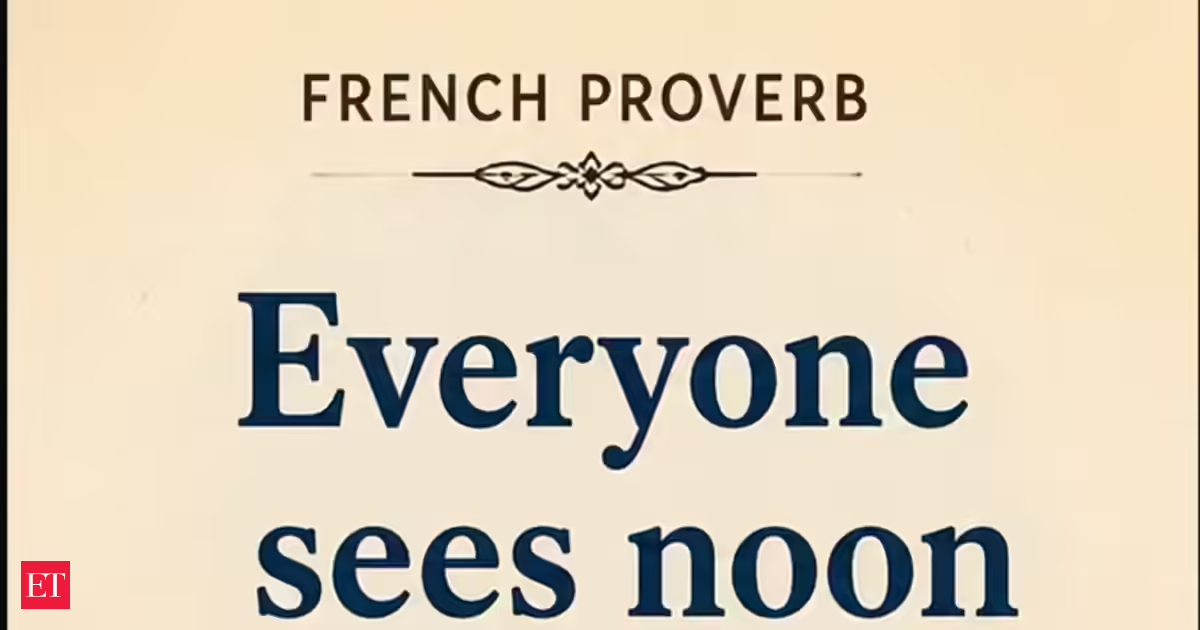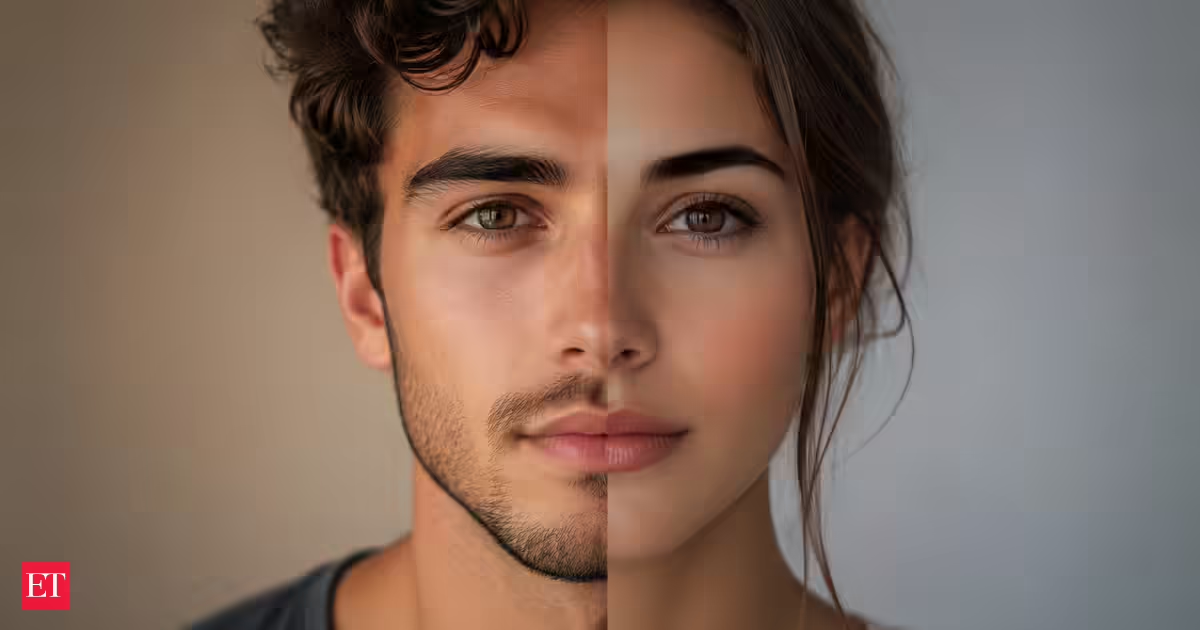
French Proverb of the Day highlights a traditional saying that reflects patterns of human experience, perception, and the way similarities and differences influence human relationships in everyday life. The proverb “Between man and woman there is little difference, but vive la différence” offers insight into how shared human nature and individual distinctions coexist in shaping identity, behavior, and interaction. It suggests that while men and women are fundamentally alike in emotions, experiences, and aspirations, the subtle differences between them still hold meaningful value.Many people turn to such proverbs to better understand human relationships in simple, relatable terms. These sayings are often rooted in cultural observation and lived experience, passed down through generations. Over time, they have become part of daily reflection, reminding us that connection and understanding are shaped not only by what we share as human beings, but also by how we appreciate and respect individual differences.French Proverb of the Day — Why everyone is unique in their own way “Between man and woman there is little difference, but vive la difference”French proverb of the day highlights a timeless idea about human relationships, perception, and the balance between similarity and difference in everyday life.The first part of the proverb suggests that men and women share far more in common than is often assumed. It challenges the idea that gender alone defines human behavior, emphasizing instead the shared emotional experiences, thoughts, and aspirations that connect people as human beings.The second part, expressed in “vive la différence,” highlights how differences still play an important role in shaping identity and interaction. It suggests that these distinctions are not contradictions to equality, but natural variations that add depth, interest, and balance to relationships.Together, the proverb teaches that understanding human connection requires recognizing both what unites people and what makes them distinct. Rather than focusing only on similarity or difference, it encourages a balanced view where both coexist, shaping richer and more meaningful relationships.Why No Two People Are the SameNo two people are the same because every individual is shaped by a unique combination of genetics, upbringing, experiences, and personal choices. From childhood environments to cultural influences, each factor contributes to how a person thinks, feels, and responds to the world. Even when people share similar backgrounds, their interpretations and reactions often differ based on their internal mindset and life journey. This diversity is what makes human interaction rich and meaningful. It allows for different perspectives, creative ideas, and varied ways of solving problems. Recognizing that no two people are identical also helps reduce judgment and encourages empathy, as it reminds us that everyone carries their own story. Instead of expecting uniformity, understanding individuality leads to better communication and stronger relationships. Ultimately, human uniqueness is not a barrier but a strength that shapes society in dynamic and valuable ways.Life lessons from the French proverbThe proverb carries practical lessons about relationships, perception, and how individuals understand both similarities and differences in human interaction.1. Shared humanity forms the foundation of connection Men and women are far more alike than different, and recognizing this helps build stronger understanding and mutual respect.2. Differences add value, not division Small distinctions between individuals are not barriers but enriching elements that bring balance, variety, and depth to relationships.3. Perspective shapes how we interpret differences Whether differences feel significant or minor often depends on mindset and cultural framing rather than objective distance.4. Balance leads to healthier relationships Healthy interaction comes from appreciating both what is shared and what is unique, without overemphasizing either side.Why this proverb is still relevant todayIn modern life, this proverb extends beyond traditional ideas of gender and relationships. It applies to how people understand identity, communication, and connection in a world shaped by diversity, media, and rapidly changing social norms. Even today, discussions about similarity and difference influence how individuals see themselves and others in families, workplaces, and broader society.The proverb encourages awareness and balance in perspective. It reminds us that while people share a common human foundation, differences in personality, culture, and experience still play an important role in shaping interaction and understanding. In many cases, how we interpret these differences depends more on mindset than on the differences themselves. Ultimately, it teaches a simple but powerful truth: human relationships are built on both shared humanity and meaningful differences. When both are acknowledged with respect, they create stronger understanding and more harmonious connections.English equivalent and related expressionsOther English expressions that reflect similar thinking include:“We are more alike than different.”“Different strokes for different folks.”“Unity in diversity.”“Respect differences, embrace similarities.”“Harmony comes from balance, not sameness.”Each of these highlights the idea that both shared human nature and individual differences are essential in shaping understanding, relationships, and social harmony.
French Proverb of the Day: “Between man and woman there is… — Life lessons on perception, balance, perspective, cultural expectations and why understanding begins with acceptance
French Proverb of the Day highlights the meaning of “Between man and woman there is little difference, but vive la différence.” The saying reflects how men and women share a common human nature, emotions, and life experiences, while still possessing meaningful differences that shape identity, behavior, and relationships. It suggests that these differences should not be seen as divisions, but as natural variations that add depth and balance to human interaction.
778 words~4 min read