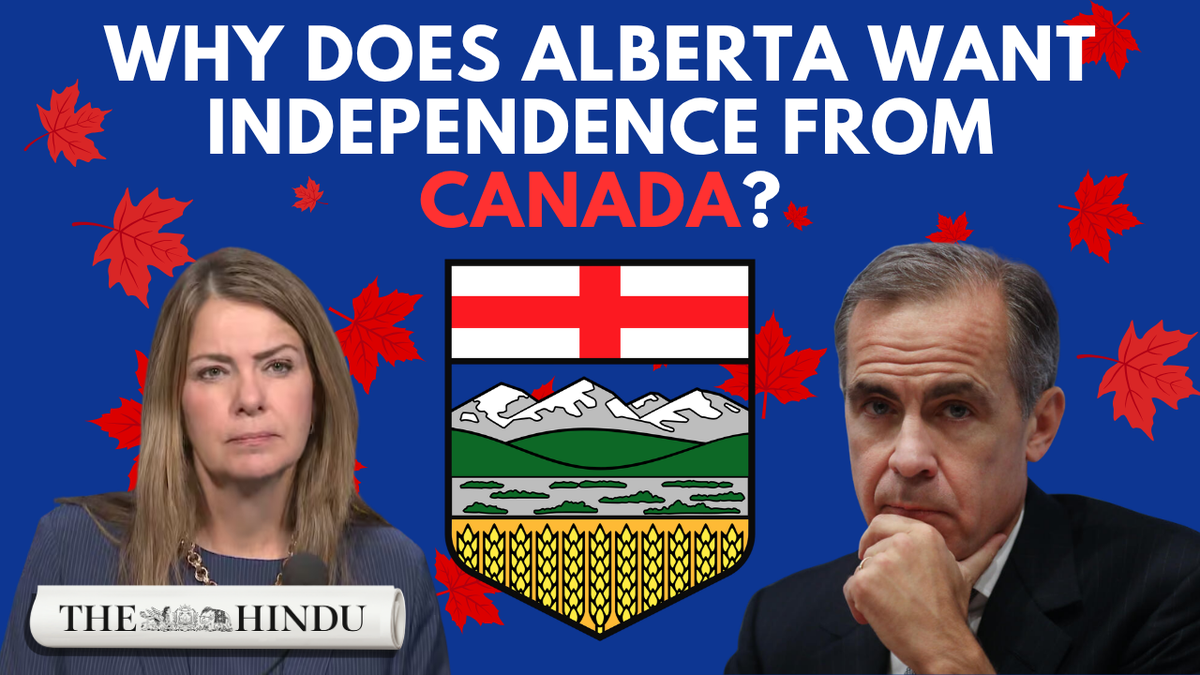
The Canadian federation is currently facing its most significant internal challenge in decades. On October 19, 2026, Albertans will head to the polls for a historic multi-question plebiscite. What began as the “Alberta Next” town halls in early 2026 has evolved into a formal referendum on the province’s place within Canada. Driven by the Alberta Referendum Act, the ballot features ten questions, culminating in a pivotal “tenth question” that asks if the provincial government should commence the legal process for a binding referendum on separation. This movement is not a sudden outburst but the culmination of a century of “Western Alienation,” further fueled by grievances over federal carbon pricing, resource caps, and an equalization system that many Albertans view as a structural drain on their provincial wealth.
The Quebec precedent: A union by consent
To understand Alberta’s strategy, one must look to the Quebec referendums of 1980 and 1995. The latter saw the “No” side survive by a razor-thin margin of 50.58% to 49.42%, a moment that brought Canada to the brink of dissolution. However, the aftermath established two fundamental pillars of Canadian federal democracy. First, it proved that the federation respects the right of its people and founding provinces to determine their own destiny. Despite the existential threat to the country, neither the federal government nor the Canadian public resorted to violence, military threats, or civil backlash. The union remained a dialogue, not a conquest.