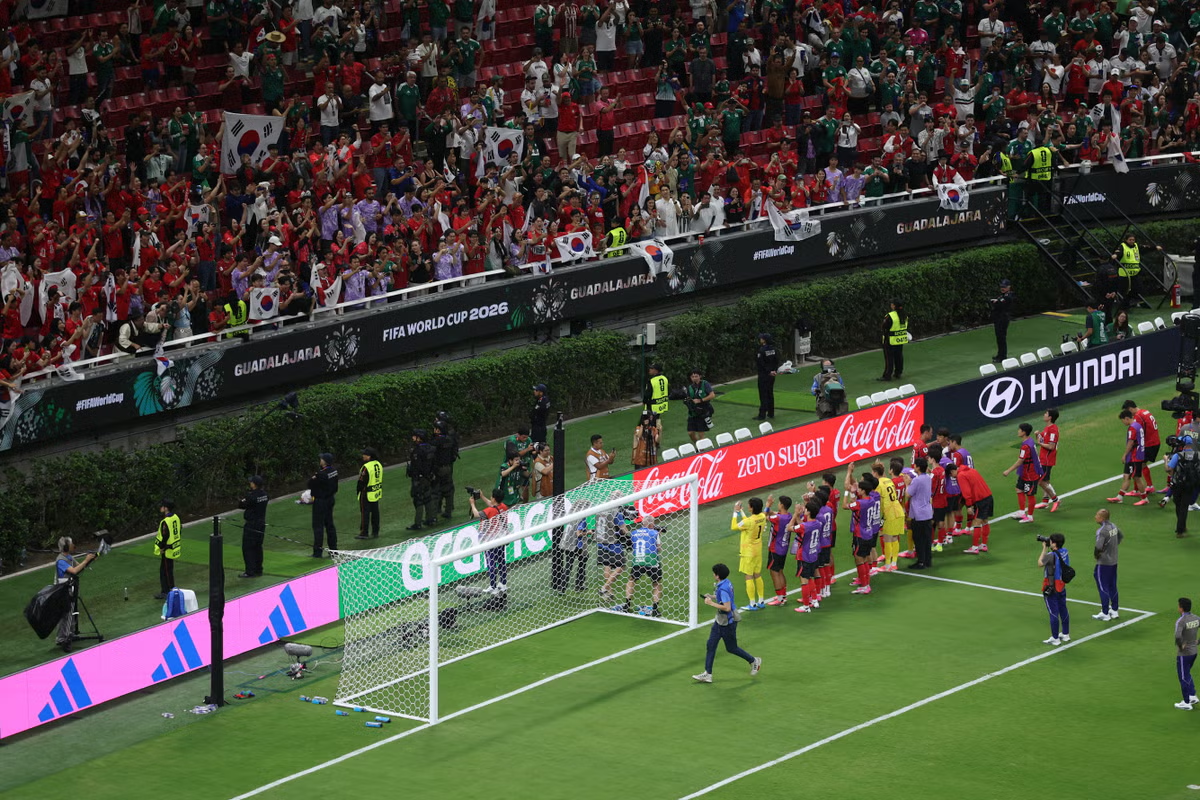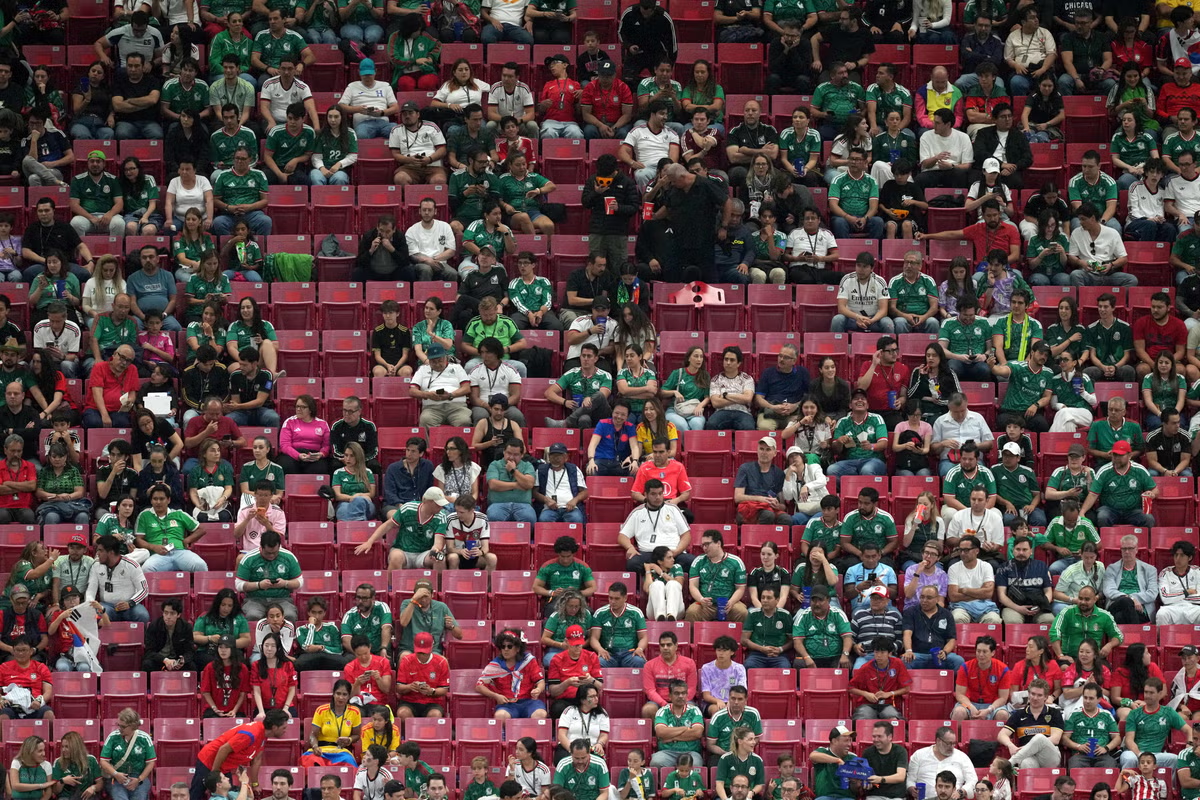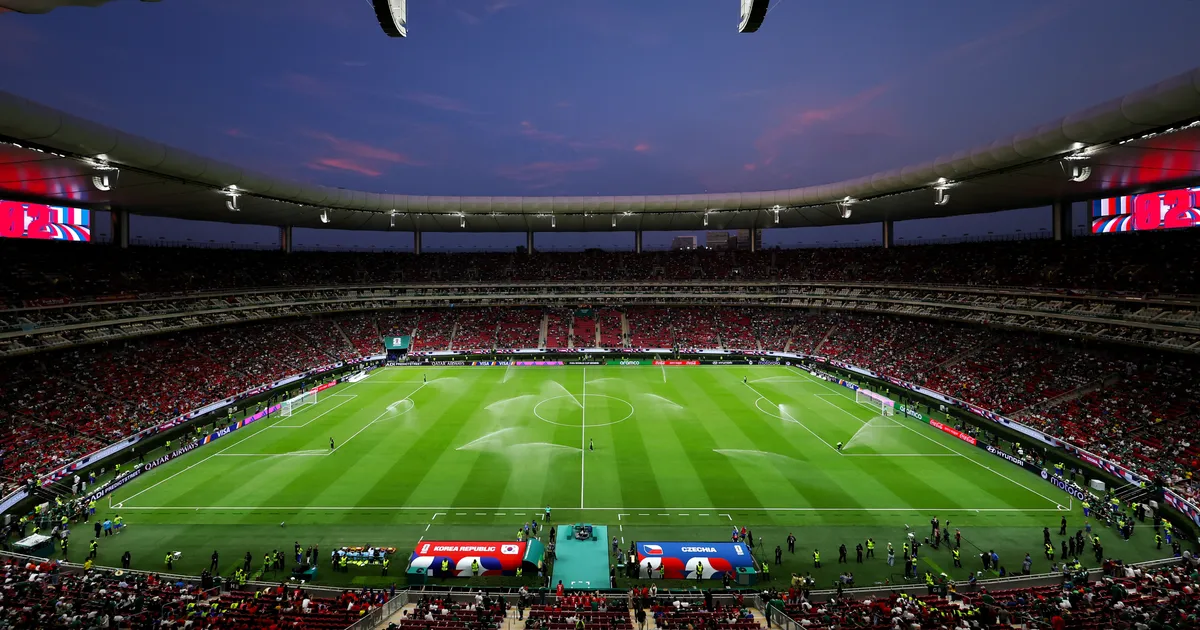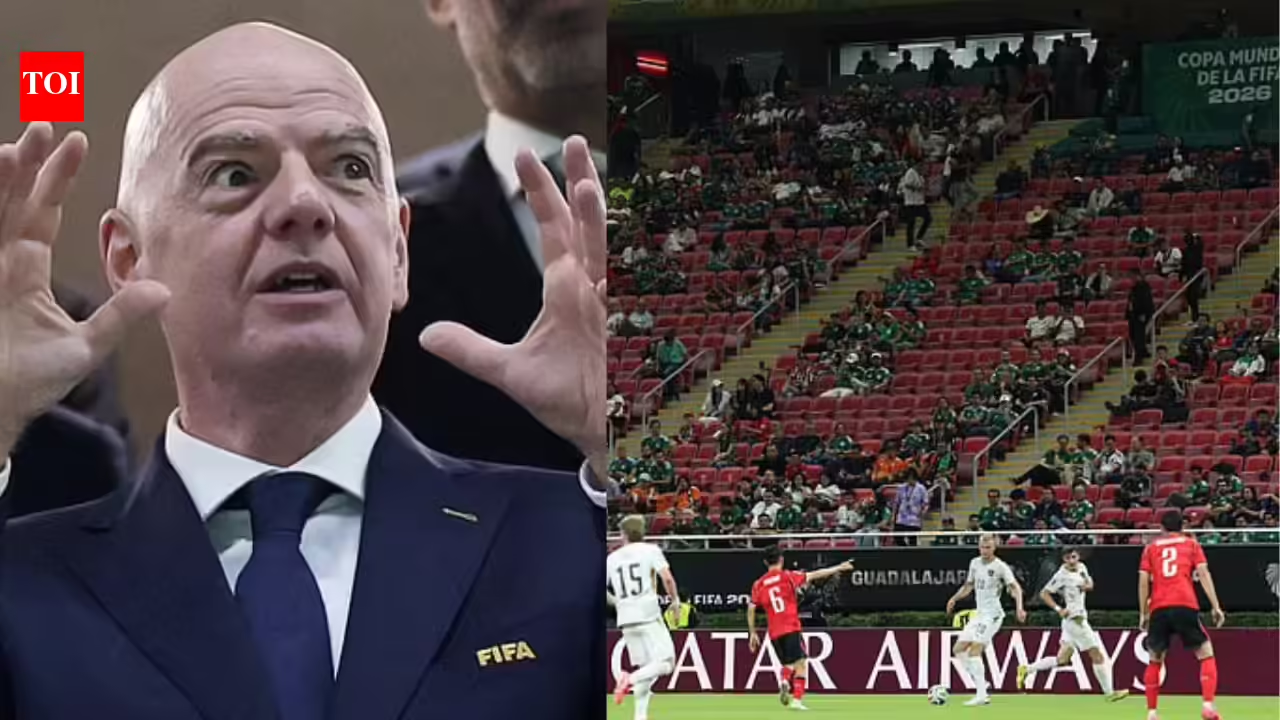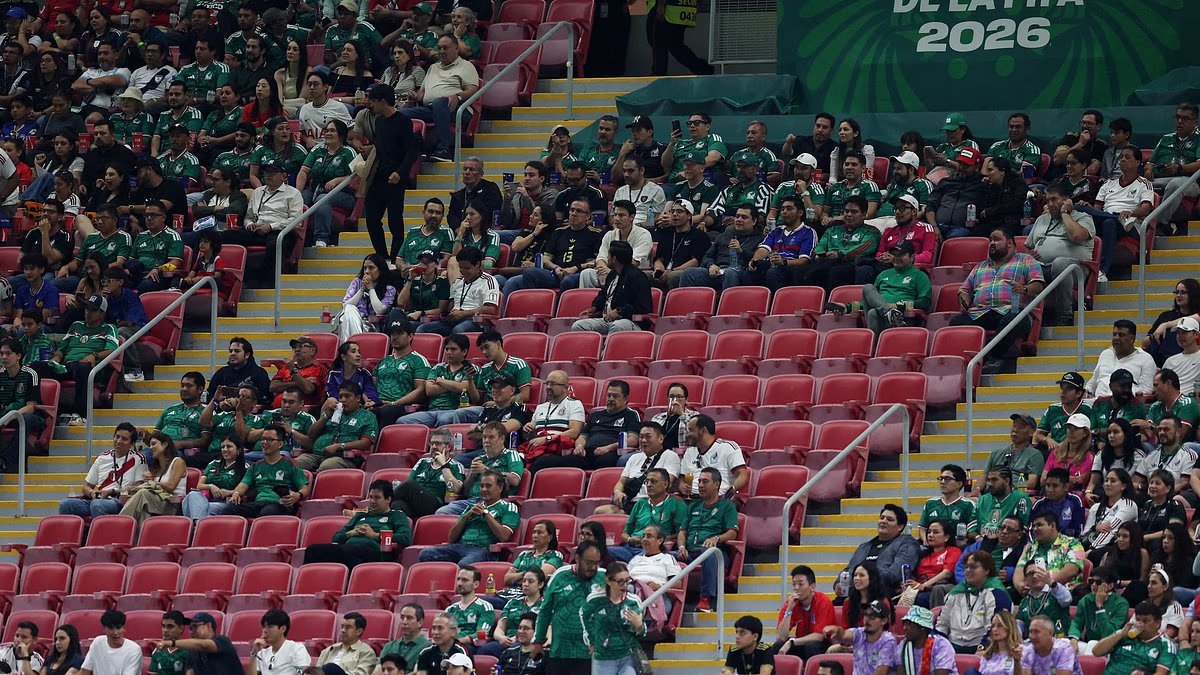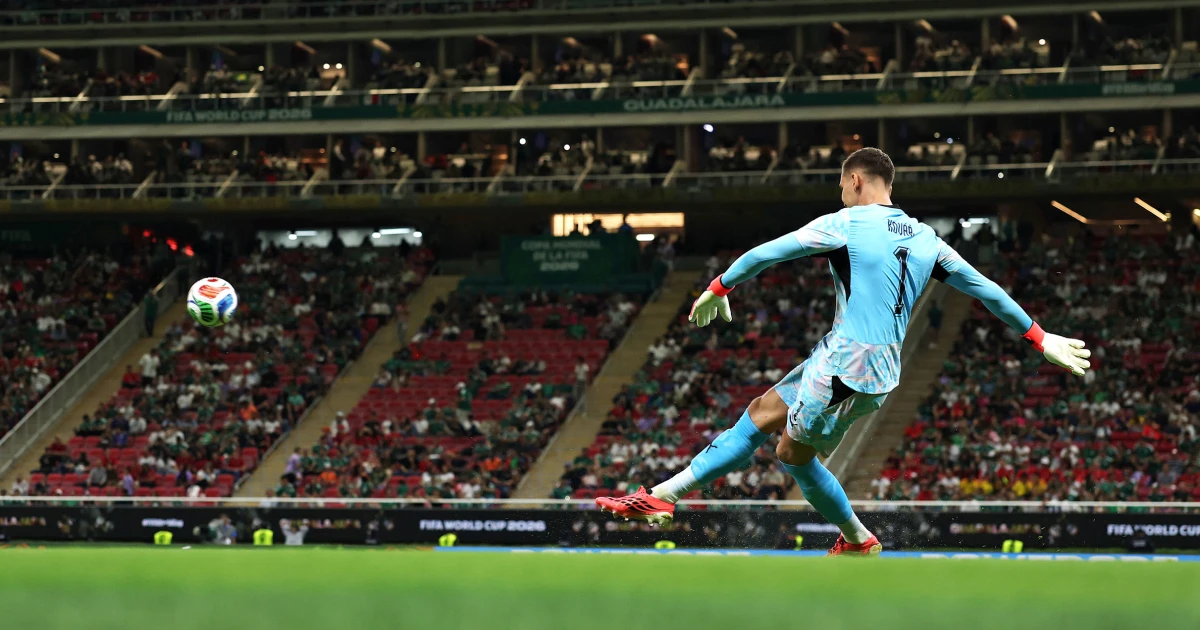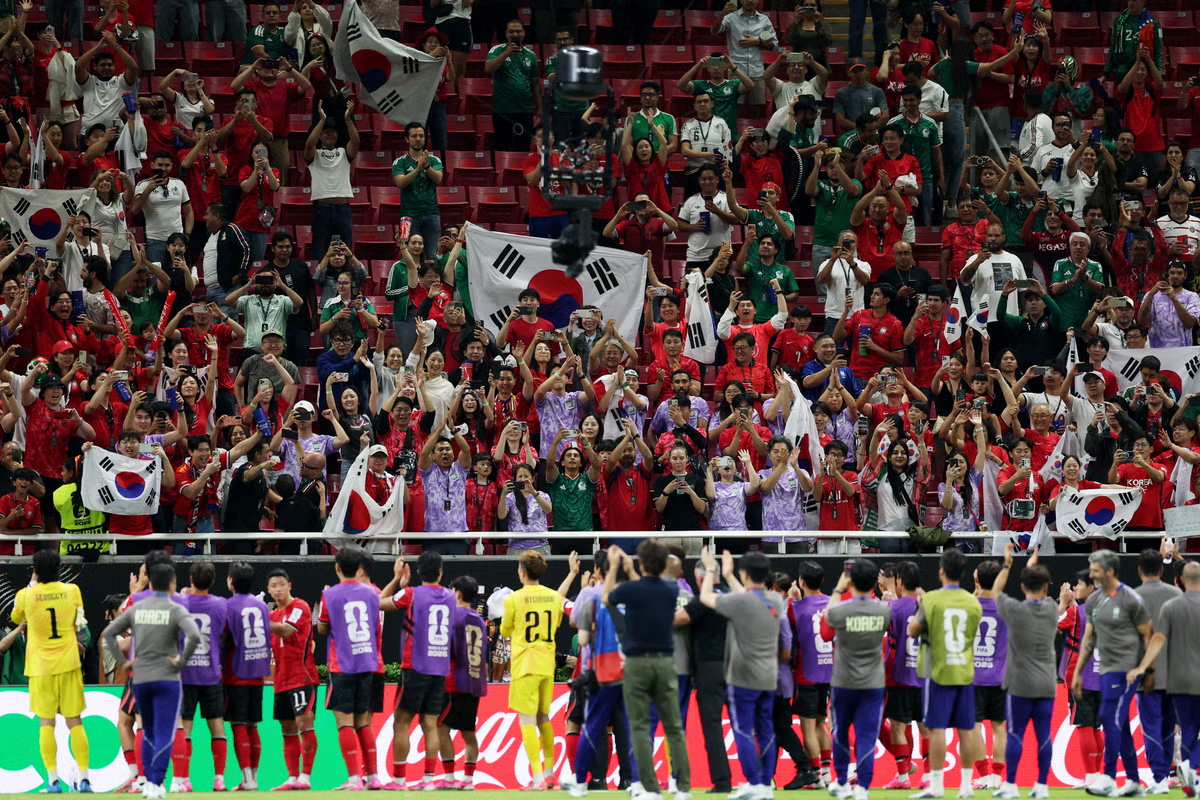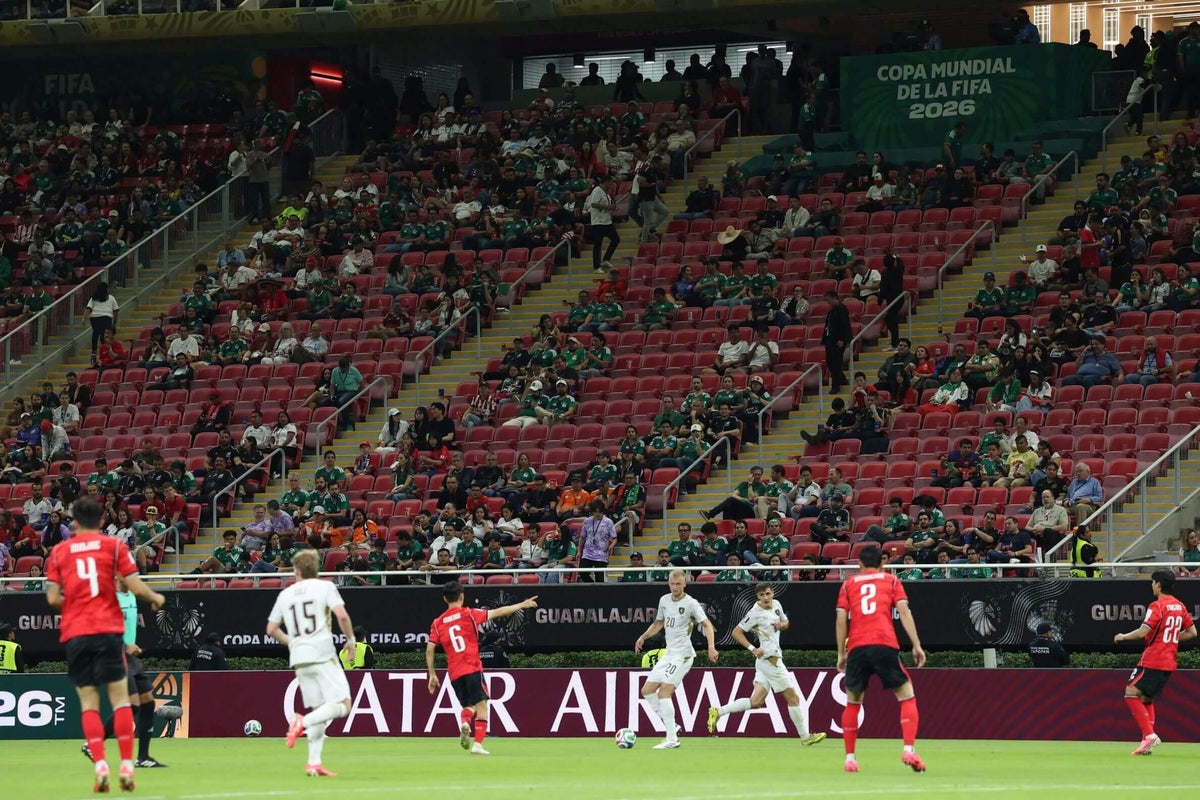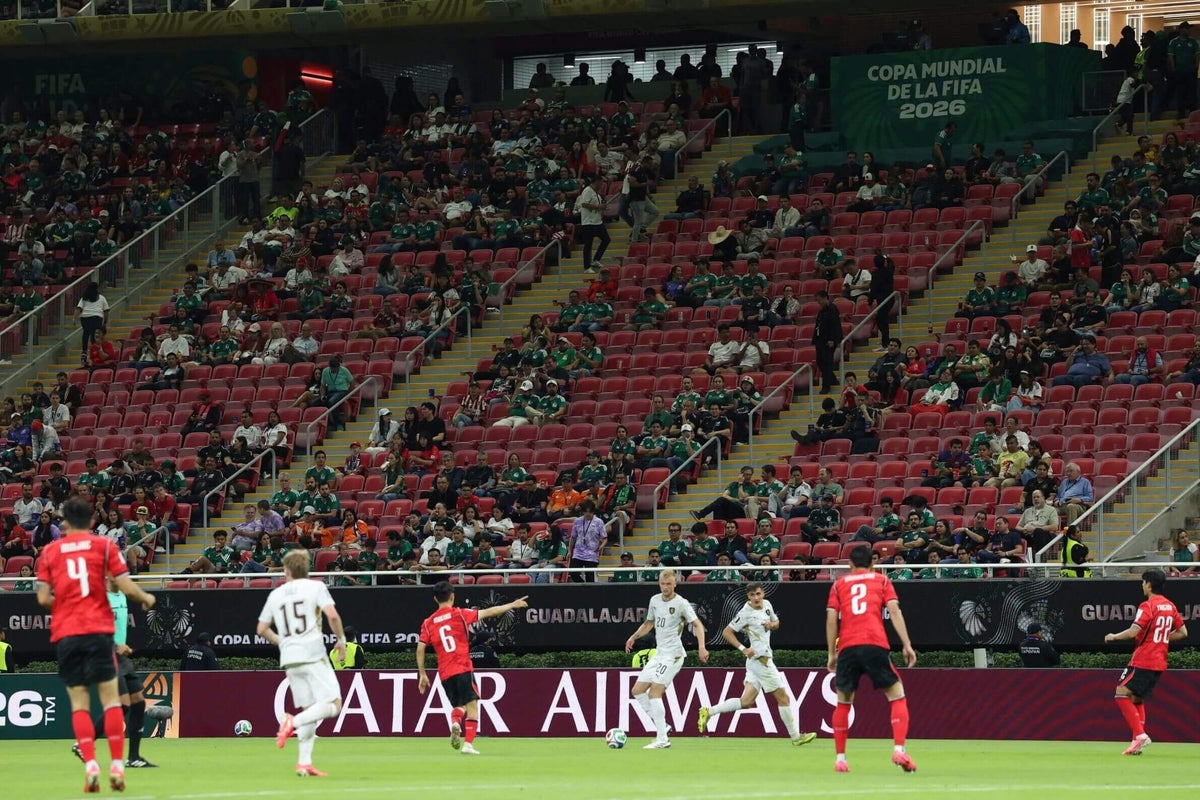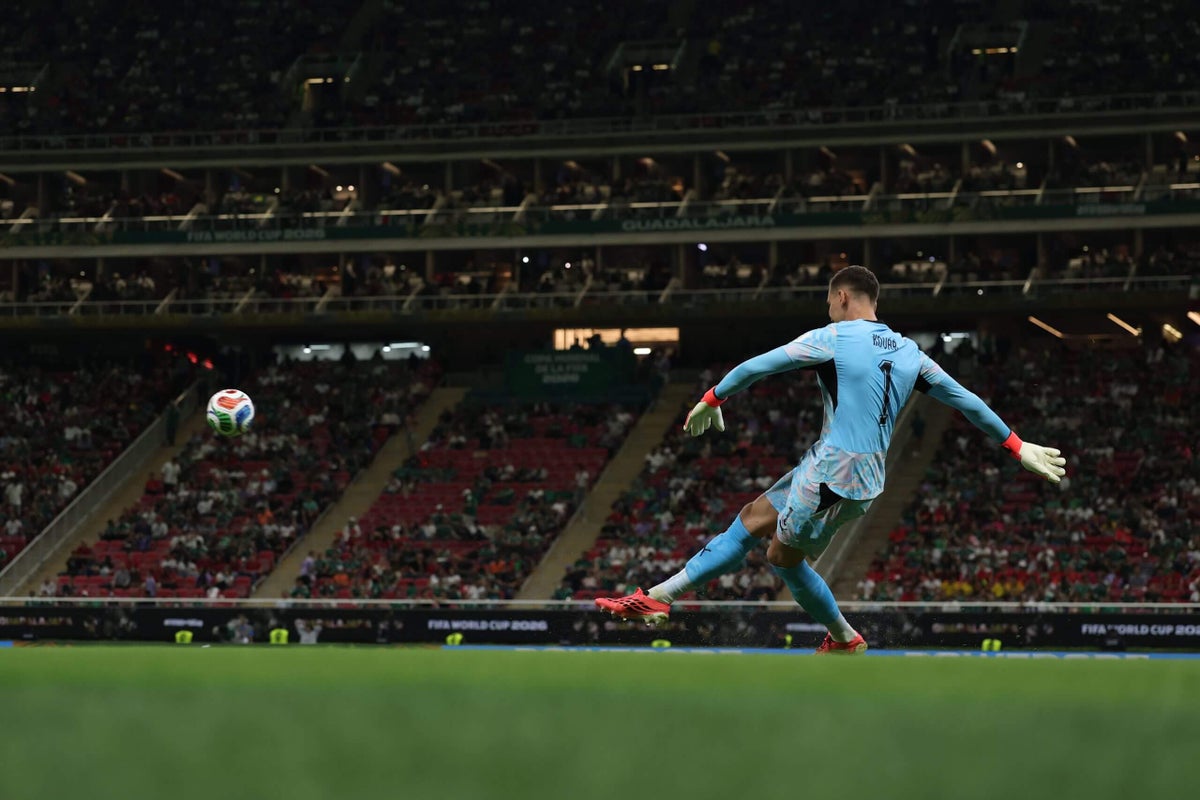
If you are an avid football fan, or indeed watched South Korea vs the Czech Republic on the opening day of the World Cup, you might be wondering why the recorded attendance and the number of empty seats in the stadium did not necessarily correlate.For the second game of the tournament, the attendance at Guadalajara Stadium was officially set at 44,985, just under 700 seats short of the stadium’s listed capacity (45,664), according to FIFA. With that in mind, you would expect to need a keen eye to spot empties, and certainly not be taken aback by the sight of so many vacant seats.Well, that proved to be the case as South Korea won 2-1 to go level on points with Mexico at the top of Group A. Thousands of seats, particularly starkly concentrated around the centre circle, were left empty, raising questions about whether the recorded attendance figure actually reflects how many people were present at the game.Here, The Athletic explains why the recorded figures often do not match actual attendance.Why can attendances be announced as higher than they seem?Put simply, football clubs and tournament organisers tend to publish the number of tickets sold rather than actual attendance. This is particularly true for domestic league games, where season-ticket holders may decide not to attend certain matches, leaving their seats unoccupied, even though the records show they are paid and accounted for.Tournament football can also be particularly at risk, given the high proportion of tickets given to corporate sponsors. This affects other sporting events like tennis’s French Open, where corporate sections (which are often front-and-centre on television) are empty or sparsely populated until the latter rounds of the grand slam.While there was a spread of empty seats in Guadalajara, the heavy concentration around the halfway line may be, in part, related to corporate ticket-holders not travelling down to the Mexican city for the game.Why are World Cup capacities lower than stadium maximums?There are a couple of reasons, centred on the structural changes needed to meet FIFA’s requirements.
Why were there so many empty seats at a World Cup match that was supposedly almost sold out?
The announcement of official attendances does not always tally with what we can see with our own eyes. This is why
841 words~4 min read