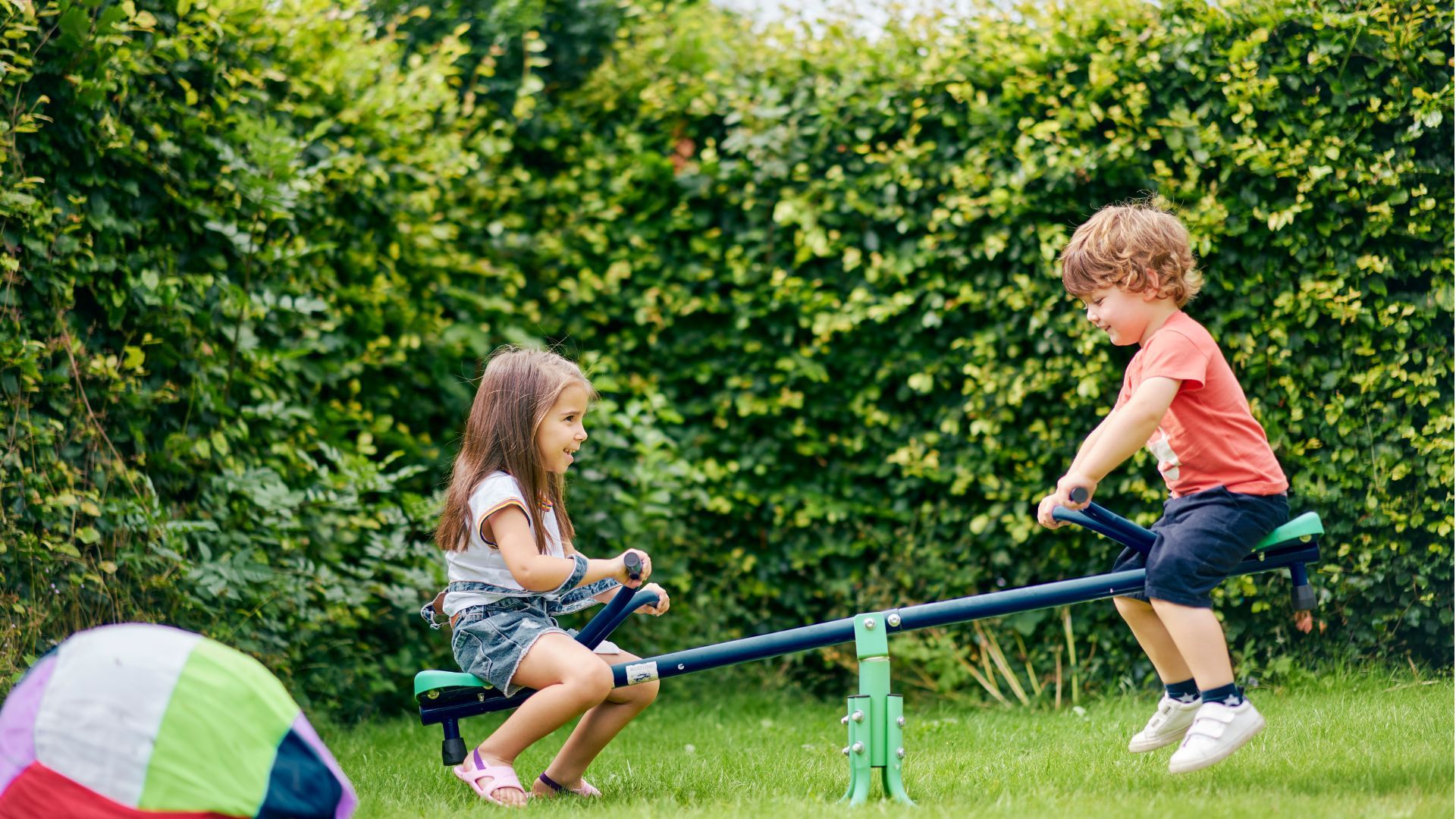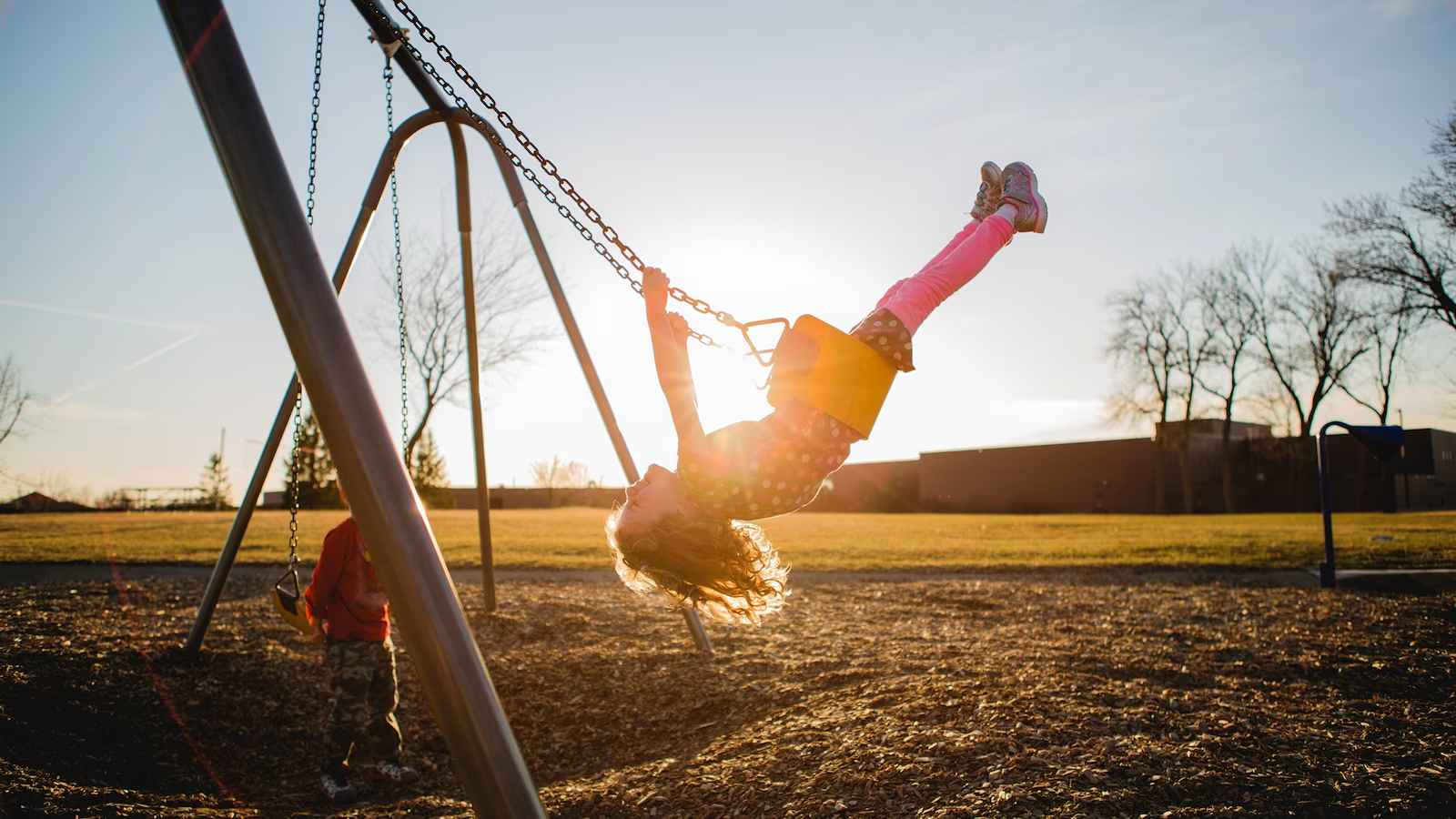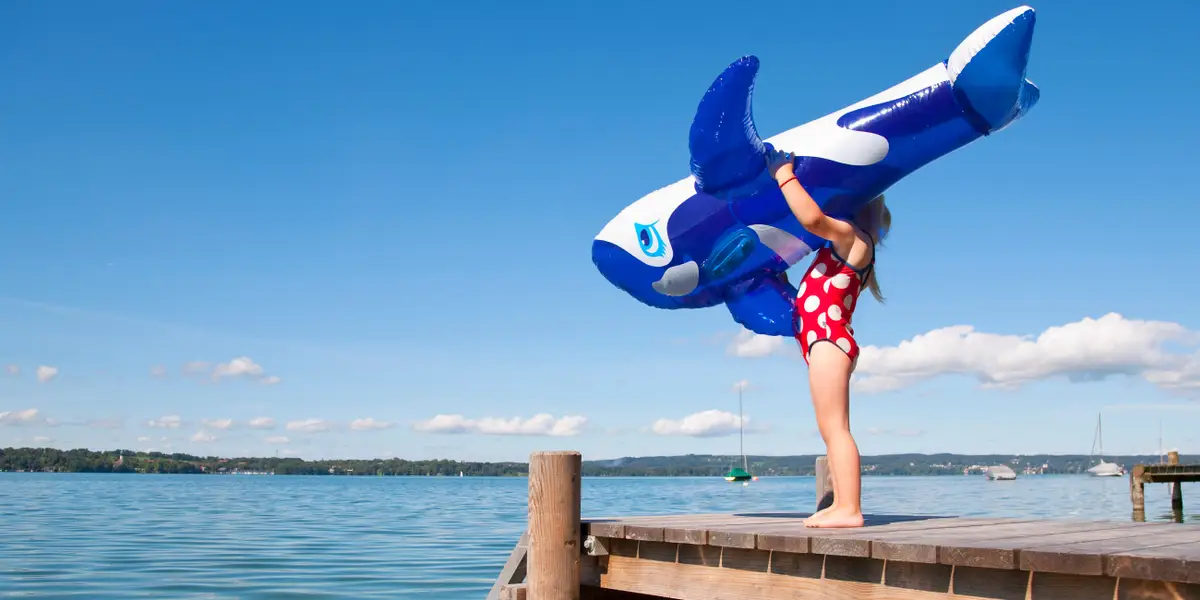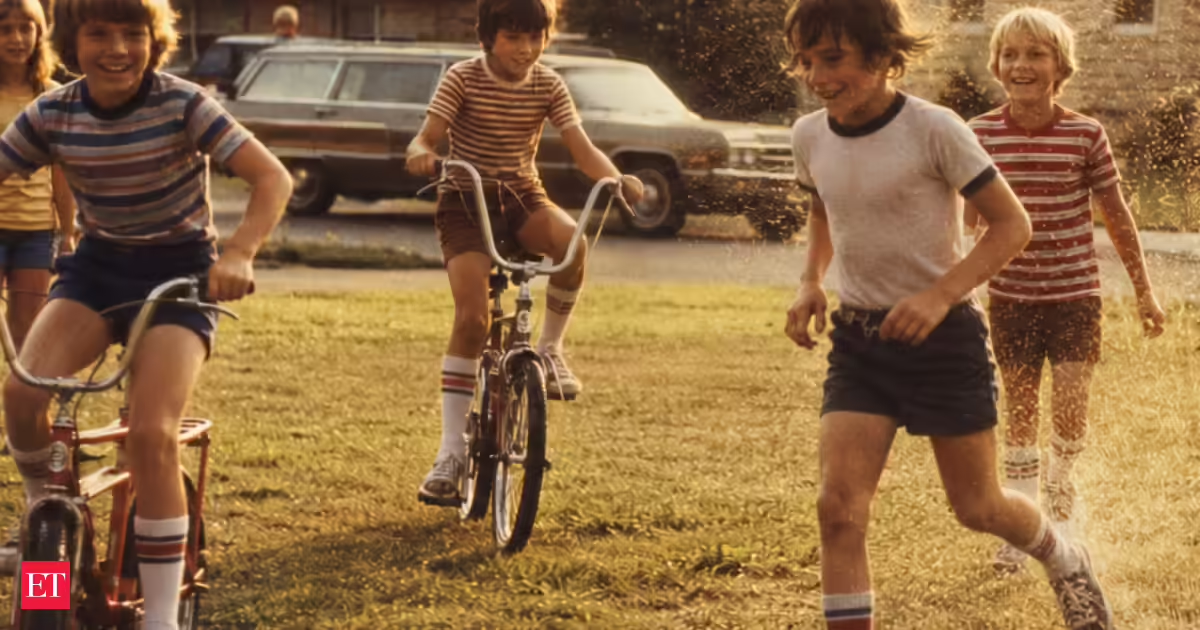
If you grew up in the 1970s or earlier, you probably remember summer as one long, shapeless stretch of nothing. There were no camps, no extra classes, no color-coded chart on the fridge. Just mornings that started with “go outside” and ended with someone yelling dinner was ready.To a modern parent staring at that picture, that could be a red flag, months of unsupervised time with no plan attached. But the American Academy of Pediatrics says newer research has provided stronger evidence of the critical importance of play in facilitating parent engagement and promoting safe, stable, and nurturing relationships. In other words, that “wasted” summer may have been doing more for kids than any jam-packed schedule could ever do.Today's kids get a packed calendar; you got an empty oneThe modern American summer isn’t the one many millennials grew up with. It’s usually a lineup of camps, lessons, and programs to keep kids busy and supervised, and to build a resume, even before they get to middle school. That’s not parents being overprotective; that’s what two incomes, safety issues, and a more competitive culture have bred.But the empty summer had something the busy one didn’t: total responsibility for one’s own time. No activity arrived at ten, and no pickup arrived at three: just you, the house, the yard, hours to fill.So you filled them in. Couch cushion forts. Digging projects in the backyard for no real reason. Games in which the rules took longer to argue than to play.Boredom often became the starting point for creativity. Image Credits: ChatGPTBoredom was quietly building your creativityThat stretch of nothing wasn’t really empty. It was doing something. The American Academy of Pediatrics has noted that play isn't just about fun. It can involve risk-taking, experimentation, and testing limits, and is linked to children's cognitive, physical, social, and emotional development.If you don’t give a kid something, the mind will make something up. A sword is a stick. A cardboard box is a spaceship. Turning a dull afternoon into something built from scratch. When a kid’s schedule is full, he hits that wall of boredom less often, because there’s always new stuff to fill the space. Kids with empty summers constantly hit that wall, and learned to climb over it.Going all in on one thing instead of trying a bit of everythingA modern summer often plays like a sampler plate. A week of soccer, a few days of coding camp, a swim clinic, an art class. The idea is exposure: let kids try a little of everything and find out what clicks.What that kind of schedule can't easily provide is time. Real, unbroken time to obsess over one thing. You can give yourself completely to an interest if it’s your season and no one is pushing you onto the next thing. Building model airplanes. Identifying which bird species are in your yard. Shooting basketball until it was too dark to see the rim.That is a different experience than sampling, and it builds a different muscle. That’s how a child learns that effort over weeks builds real skill, and the boring middle part of learning is where the real progress happens.Skinned knees were part of the deal, and that was a good thingSummers without supervision were also more physical and far less monitored. Riding bikes for miles with no phone, climbing way too high in trees, building sketchy ramps and riding them anyway. There were skinned knees and the occasional bruise, and always a story to go along with it.In child development research, this kind of thrilling, physically challenging play is called risky play. Many activities that are good for children’s development are increasingly being viewed as activities to be avoided, but research from the Queen Maud University College of Early Childhood Education in Norway suggests that positive risk-taking in the context of outdoor physical play is important for children’s optimal health and development.The scrapes weren't a bug; they were the point. In a 2011 study on the evolutionary function of risky play, published in the journal Evolutionary Psychology, researchers found that thrilling outdoor experiences have what they call “anti-phobic effects,” meaning they reduce fear and anxiety as children get older. A kid who never gets to test a limit never learns where that limit is at all. A warning can never teach you as much about heights as falling off a low wall does.Unproductive time was actually the best partSum up a modern American summer and just about everything points somewhere. Camps develop skills. Activities look good on a college application. Even fun is often framed in developmental terms.Climbing trees and testing limits was part of growing up. Image Credits: ChatGPTOld-fashioned summers were different. Most of the time gave nothing back, and no one expected it to. Lying in the grass and naming the cloud shapes. Watching ants carry crumbs across a patio and floating in a pool until your fingers were wrinkled. None of it was heading anywhere, and none of it needed to.That unstructured time off was more important than it appeared. According to a report from the American Academy of Pediatrics, unstructured free play provides children with time to use their creativity, figure out what they really like, and practice social skills and problem-solving. Children who get lots of unstructured free play may become more resilient. The same report noted that some children today are becoming stressed by a lack of real downtime, as parents push more structured “development activities” in an effort to give their kids an edge.A kid who learns that every hour has to earn its keep often becomes an adult who feels guilty relaxing. A kid given a whole summer of useless, gloriously unproductive time learns something rarer: time doesn't have to earn its keep to be worth having.That was one of the real freedoms of those long childhood summers. Not just an empty calendar, but the permission to spend hours on nothing, and be the only one deciding how. Looking back, the strange thing is that you always figured out what to do with it anyway.
People who grew up in the 60s and 70s know there was a particular freedom in a summer with no schedule, no camps, no enrichment, just a long empty stretch you were expected to fill yourself, and somehow always did
Explore the benefits of unstructured summer play for children, often overlooked in today's busy schedules. Learn how free time fosters creativity, resilience, and independence.
1,008 words~5 min read