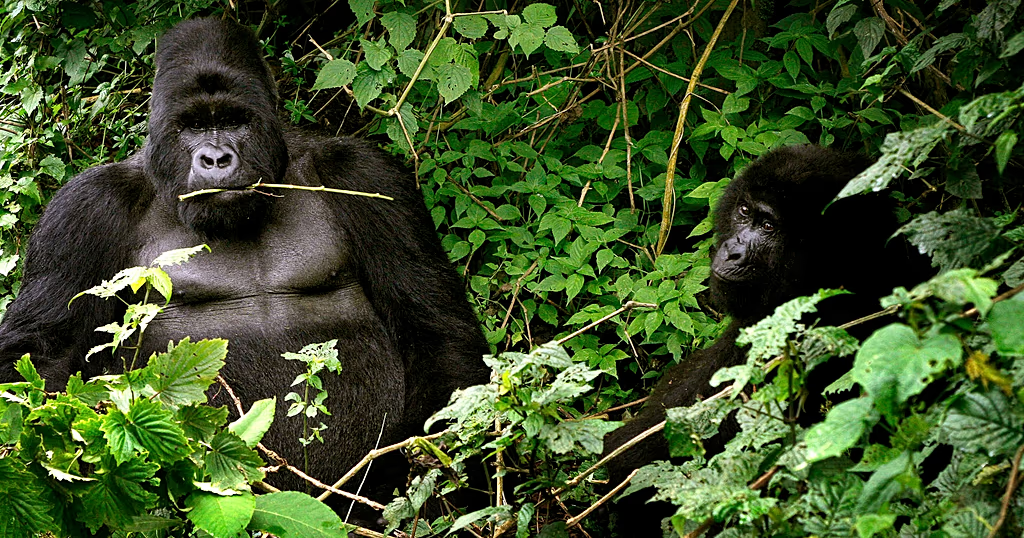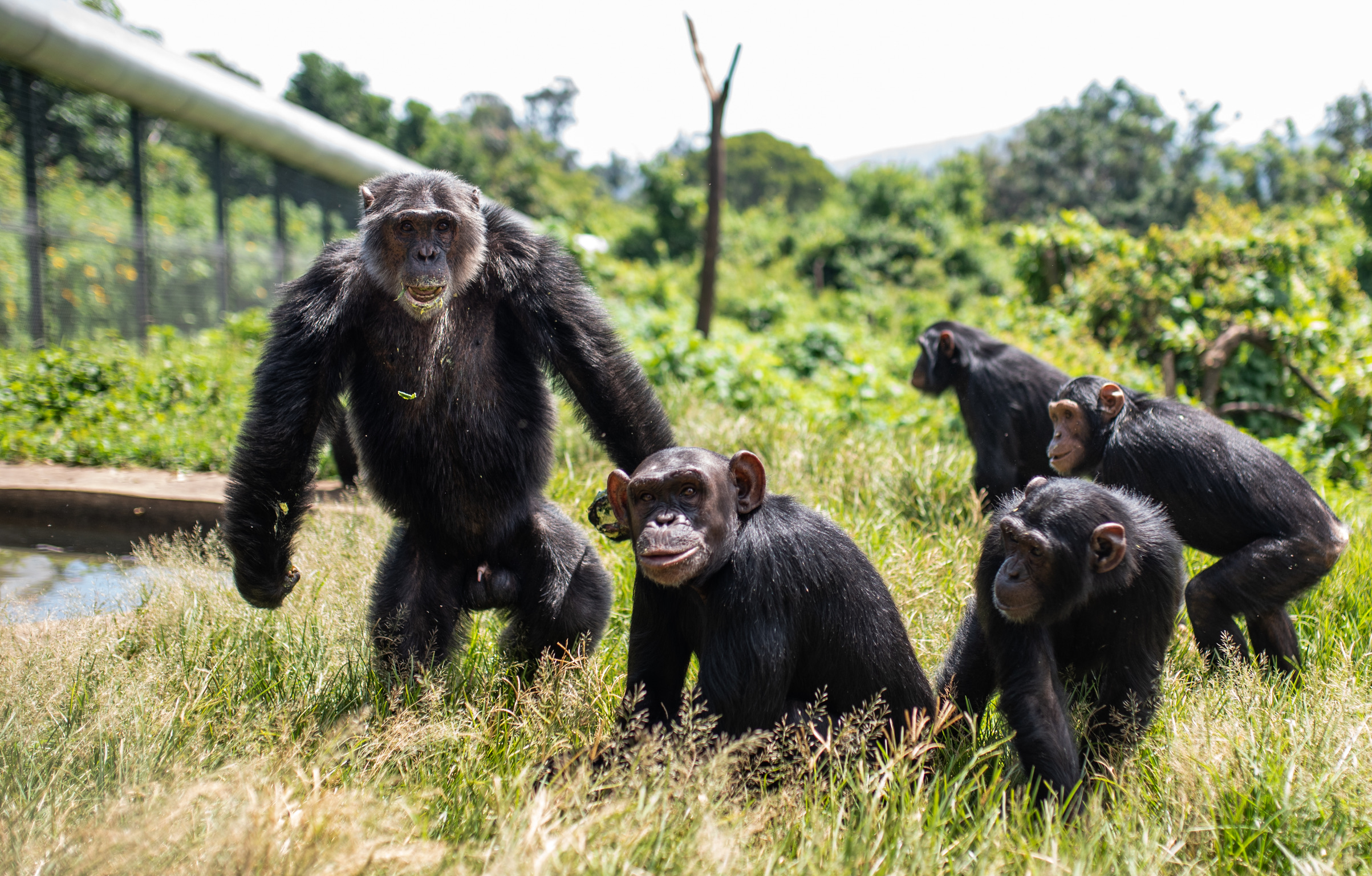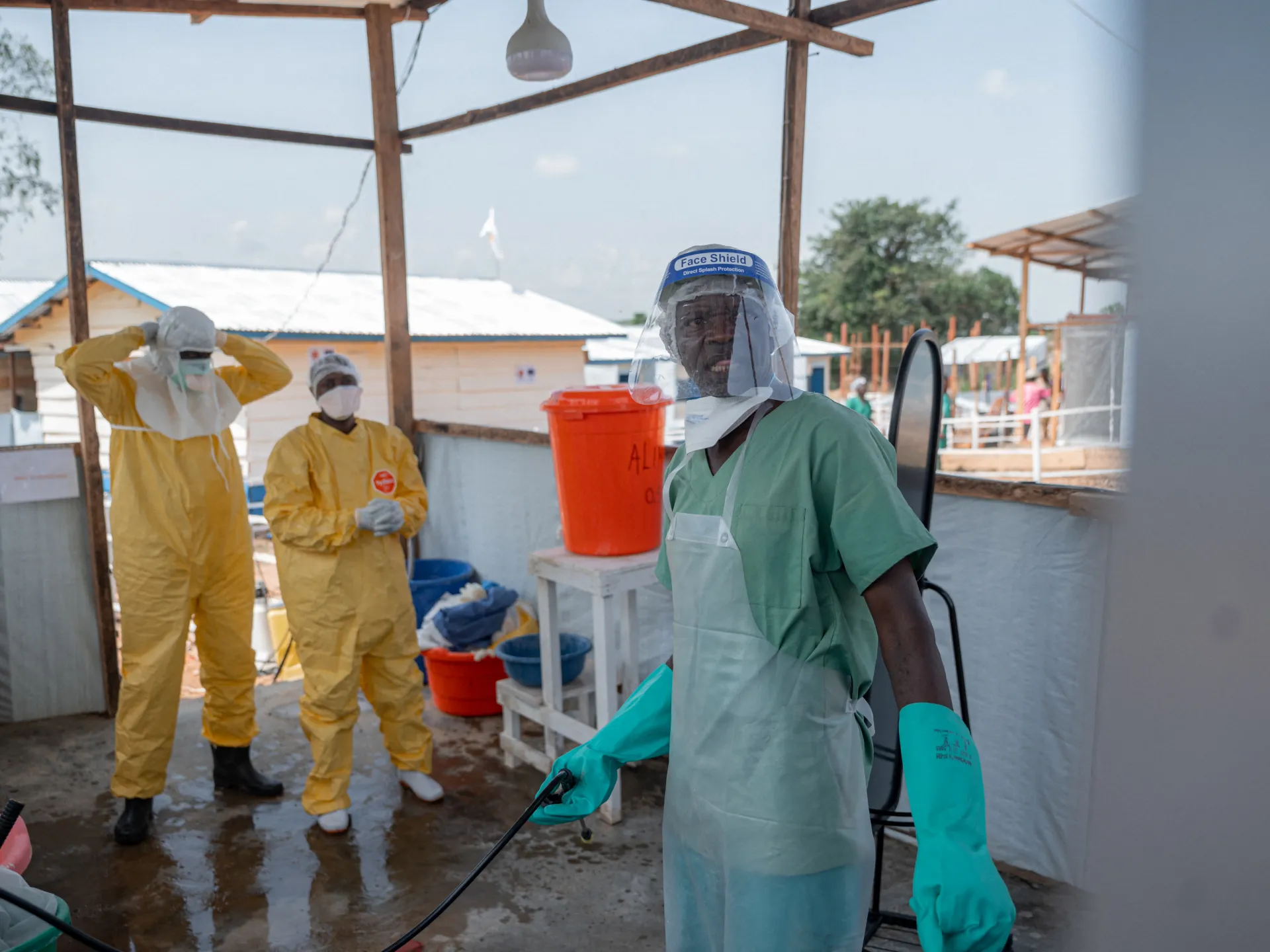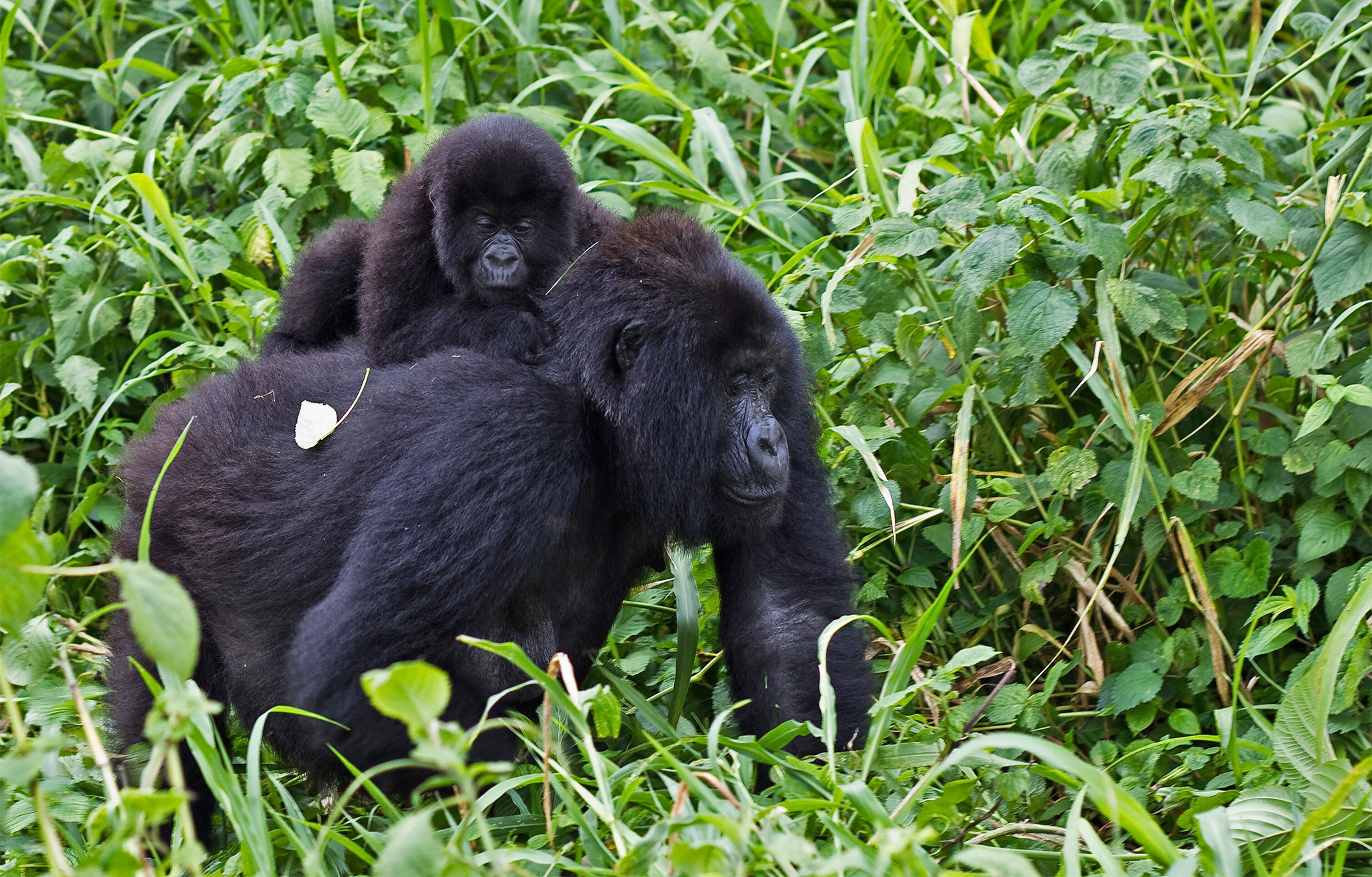
Gorillas are vulnerable to communicable diseases that infect humans and other non-human primates, including the Ebola virus.A new Ebola outbreak was announced in the Democratic Republic of Congo in mid-May, but so far, there have been no reported cases of gorilla infection. Previous outbreaks have devastated western lowland gorillas.Armed conflict hampers both conservation and efforts to monitor both Grauer’s and mountain gorilla populations in DRC. They also impair the public health response, which has also been seriously impacted by cuts in U.S. funding under the Trump administration.Gorillas are highly social animals, which facilitates spread of infectious disease. Infants and females are disproportionately affected, which has serious consequences for recovery of devastated populations.
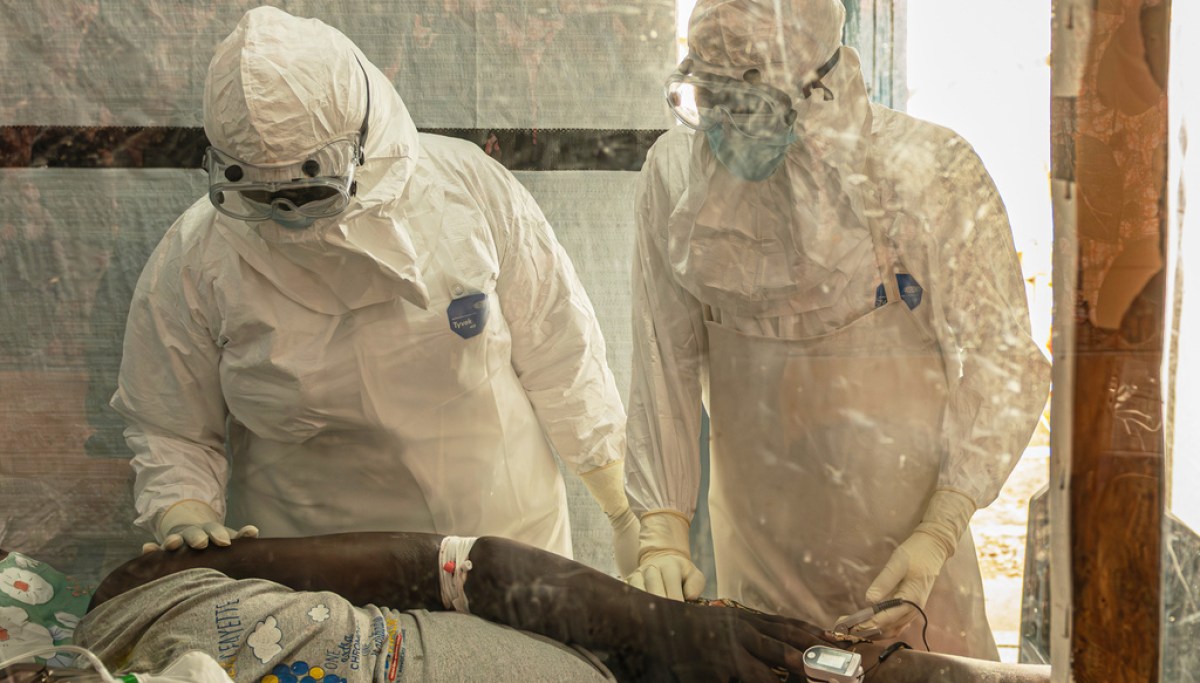
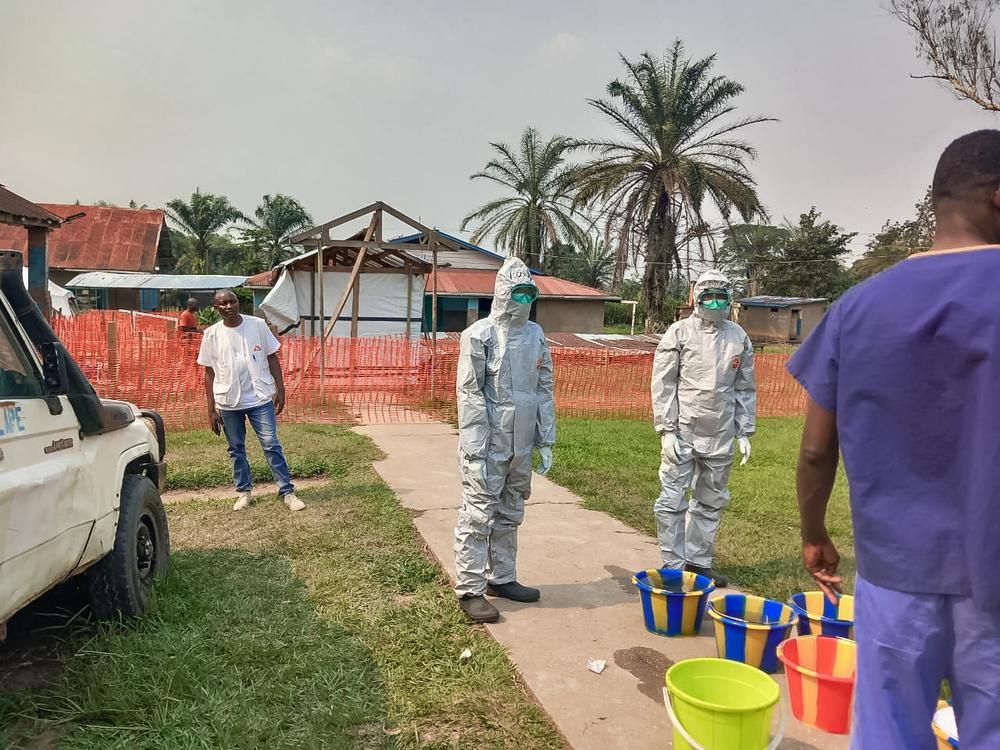
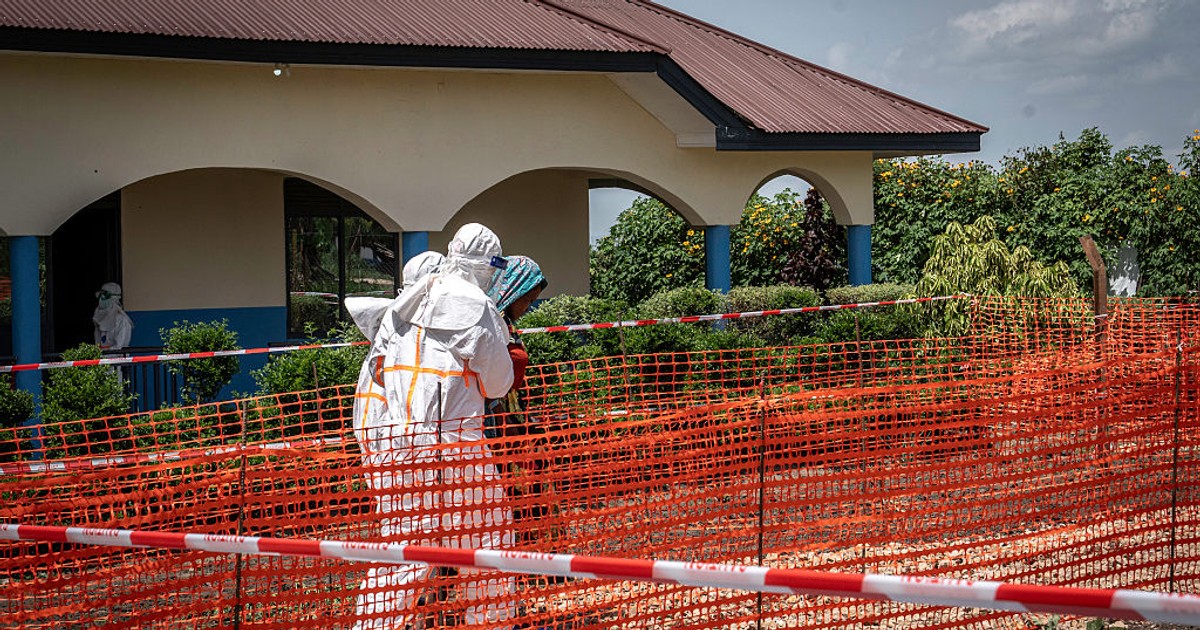
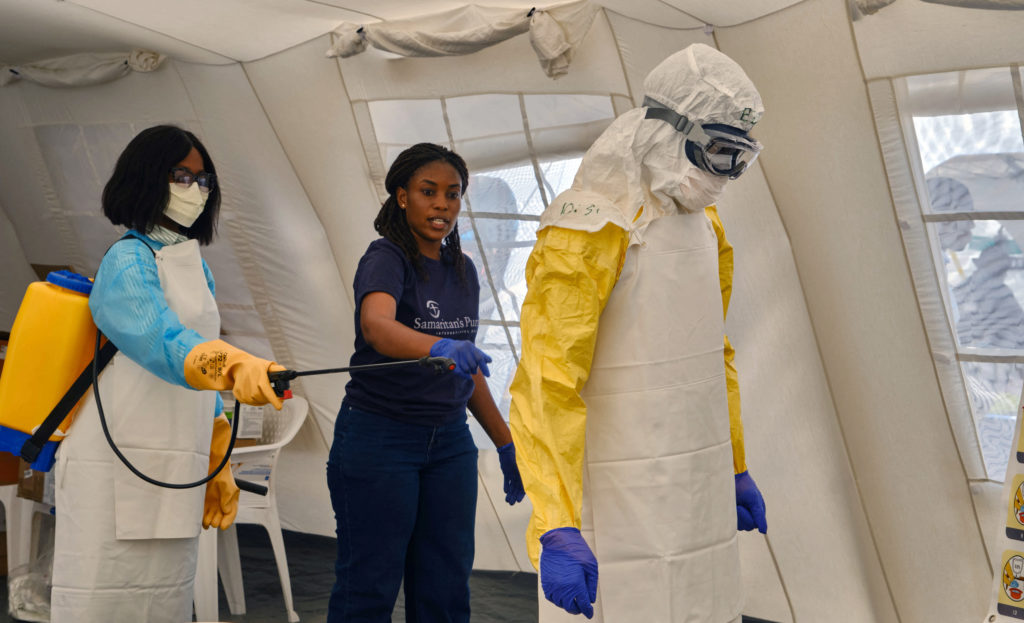
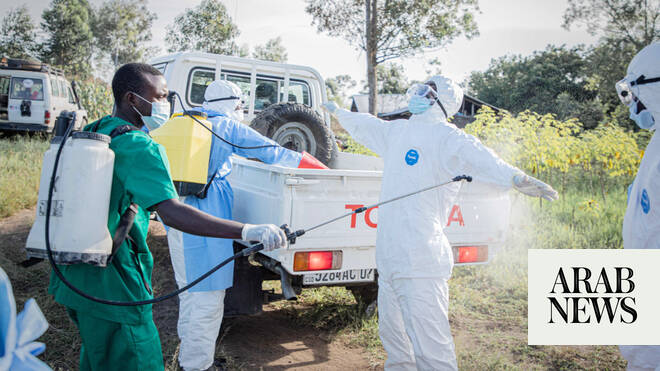
As human cases continue to climb in the latest outbreak of the deadly Ebola virus in the Democratic Republic of the Congo, concern is growing for the gorilla population, which have been devastated by the virus during previous outbreaks.
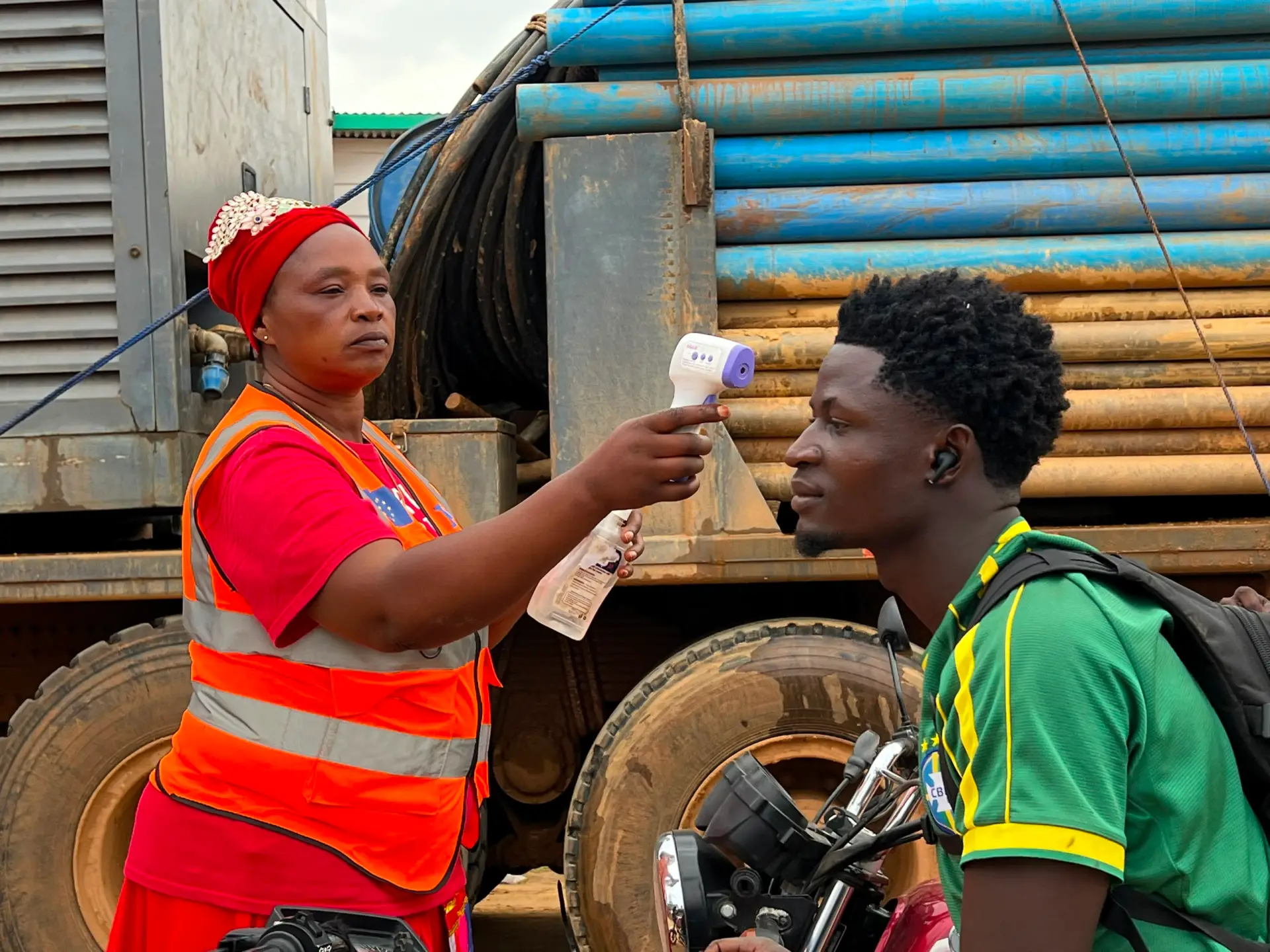
On May 15, the Congolese Health Ministry announced a new outbreak of the lethal virus, which has struck the country at least 17 times over the past half-century; the World Health Organization (WHO) declared it a Public Health Emergency of International Concern.