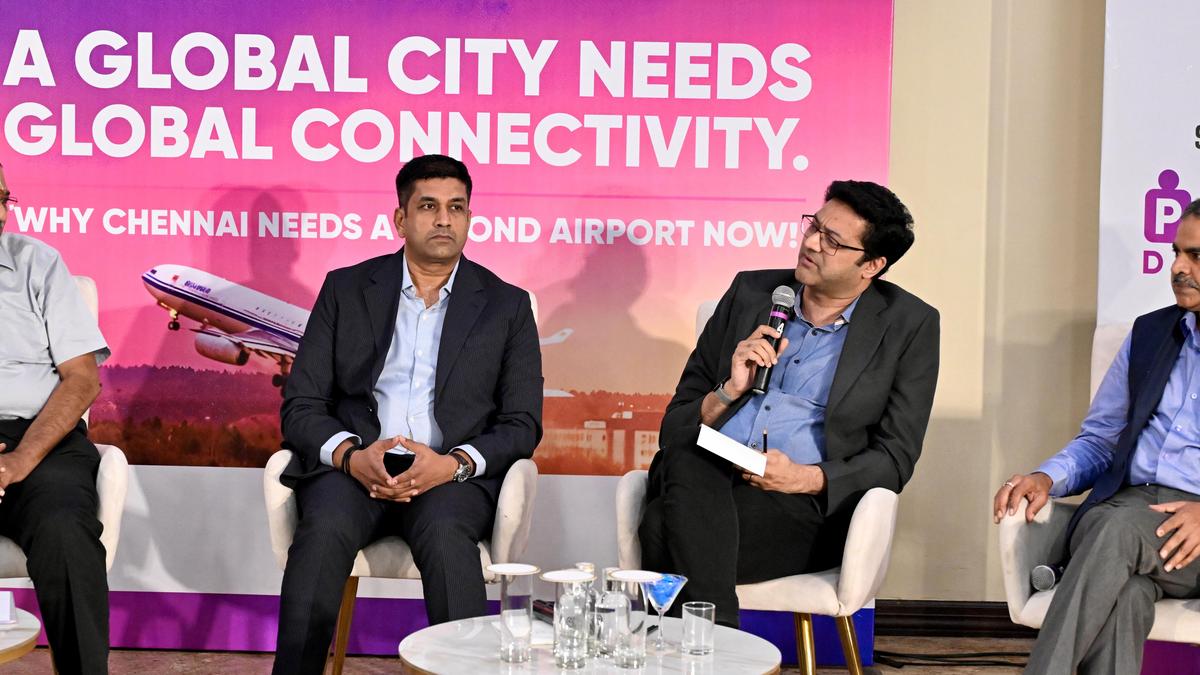
From left) J. Krishnan, Partner, S. Natesa Iyer Logistics LLP; V.K. Girish Pandian, President, Industrial Estate Manufacturers Association, Guindy; Vijay Gopalan, former CFO, AirAsia; and K. Phanindra Reddy, IAS (Retd.), at a panel discussion on ‘The Need for a Second Airport at Parandur’, organised by Super Chennai, in Chennai.
| Photo Credit:
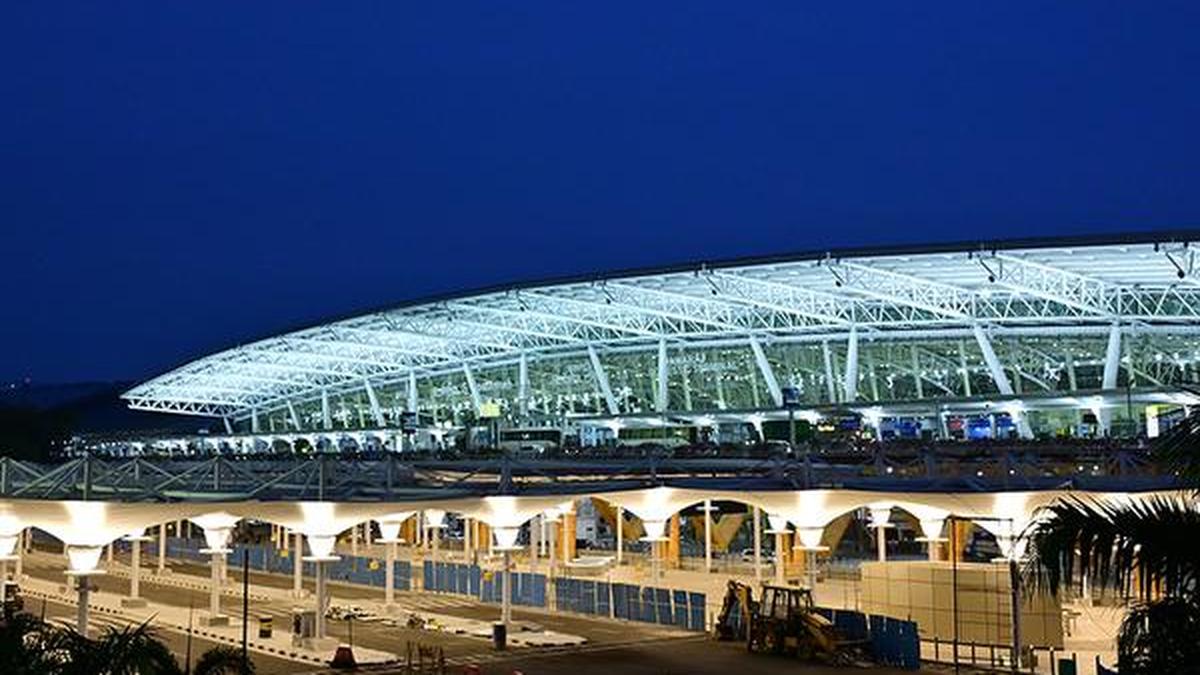
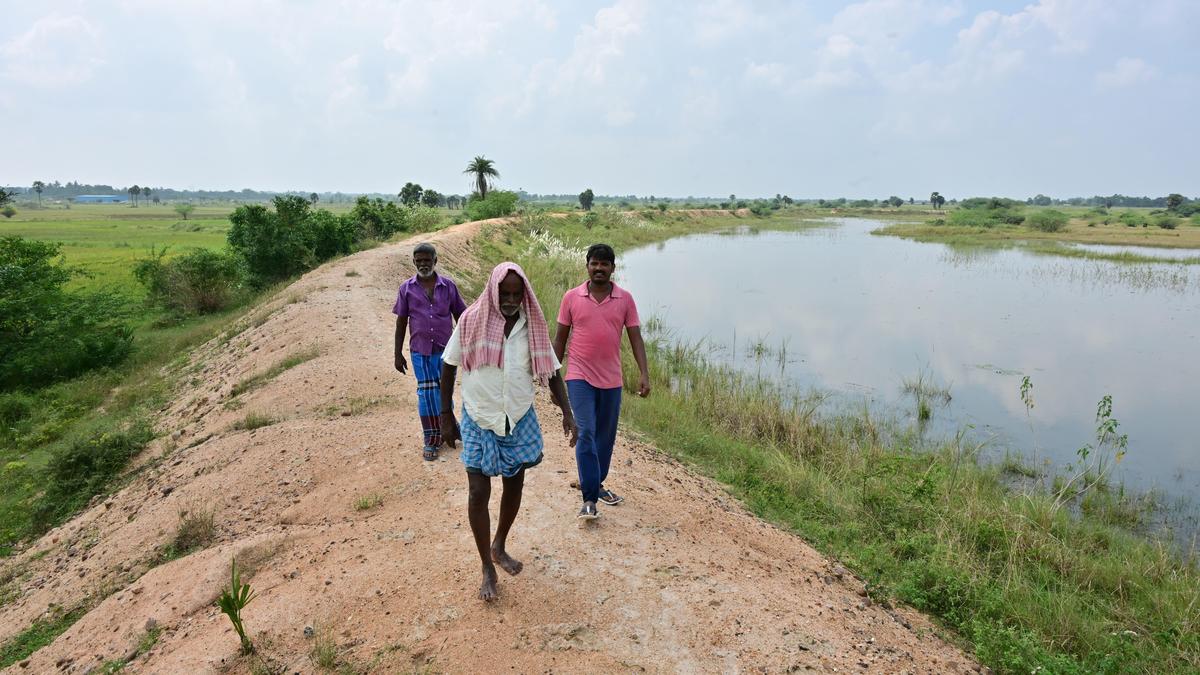
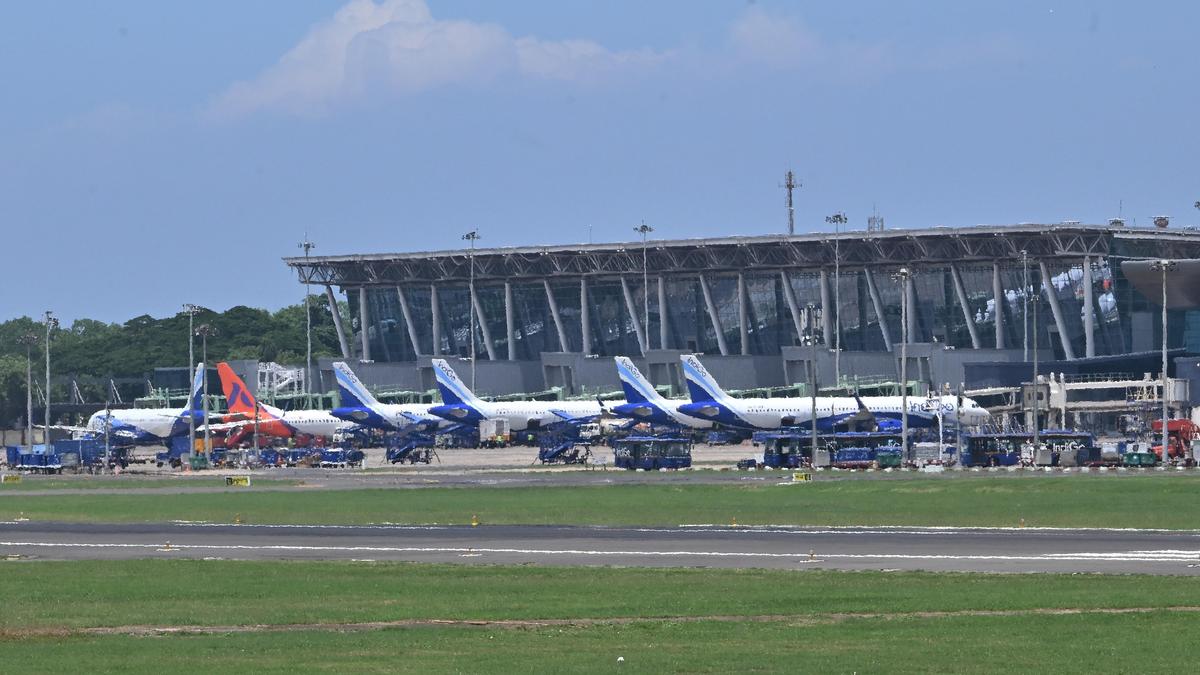
Tamil Nadu’s goal of becoming a $1.5-trillion economy by 2036 could face a setback if the proposed greenfield airport at Parandur is delayed, industry leaders and former bureaucrats said here on Friday.The project is critical to sustaining Chennai’s competitiveness, attracting investments and supporting future growth, as capacity constraints at the existing airport could become a major bottleneck, they add.Parandur airport seen as key economic enablerAt a panel discussion on ‘The Need for a Second Airport at Parandur’, organised by community platform Super Chennai on Friday, participants argued that the project is no longer merely an aviation initiative but a strategic economic enabler that will determine Tamil Nadu’s ability to attract investments, global capability centres, advanced manufacturing, high-value exports and international business over the coming decades.The speakers cautioned that Chennai’s existing airport is nearing its capacity limits and could become a bottleneck for economic growth.Experts warn of capacity constraints at Chennai airportK Phanindra Reddy, a former IAS officer, said infrastructure planning should begin well before facilities reach saturation. He noted that Chennai airport’s expanded capacity is expected to be exhausted by 2028, making the case for a second airport increasingly urgent.J. Krishnan, Partner, S. Natesa Iyer Logistics LLP, said that while Chennai’s ports have successfully expanded to meet growing demand, aviation infrastructure failed to keep pace. “Air cargo accounts for only about 3 per cent of global trade by volume but nearly 35 per cent by value. As Tamil Nadu focuses on semiconductors, electronics and technology sectors, air cargo will become increasingly important,” he said.Vijay Gopalan, Chief Financial Officer of Entellus Industries Ltd and former AirAsia India executive, said Chennai was once India’s third-largest airport and was viewed as a potential aviation hub for Southeast Asia. “When AirAsia India was launched in 2013, Chennai was our preferred base because of its market potential. Unfortunately, opportunities were lost while competing cities moved ahead with airport expansion and privatisation,” he said.According to Gopalan, Chennai’s airport faces structural constraints, particularly in apron space and aircraft parking capacity, limiting future growth.“We lost opportunities during the IT boom despite starting early. We cannot afford to lose the next wave involving AI, electronics and knowledge industries. Connectivity is a key factor for investors and decision-makers,” he added.Parandur could create a new industrial growth clusterV.K. Girish Pandian, President of the Industrial Estate Manufacturers Association, noted that many multinational executives prefer Bengaluru due to its superior aviation infrastructure.“The proposed airport at Parandur is strategically located near emerging industrial corridors, the Chennai-Bengaluru Expressway and future rail connectivity. It can become the nucleus for a new economic cluster,” he said.The experts stressed that Parandur should be developed as a comprehensive aviation ecosystem rather than just a passenger airport. They advocated for cargo villages, free-trade zones, maintenance-repair-overhaul (MRO) facilities, cold-chain infrastructure, convention centres and multimodal transport connectivity.Published on June 12, 2026