Show Caption
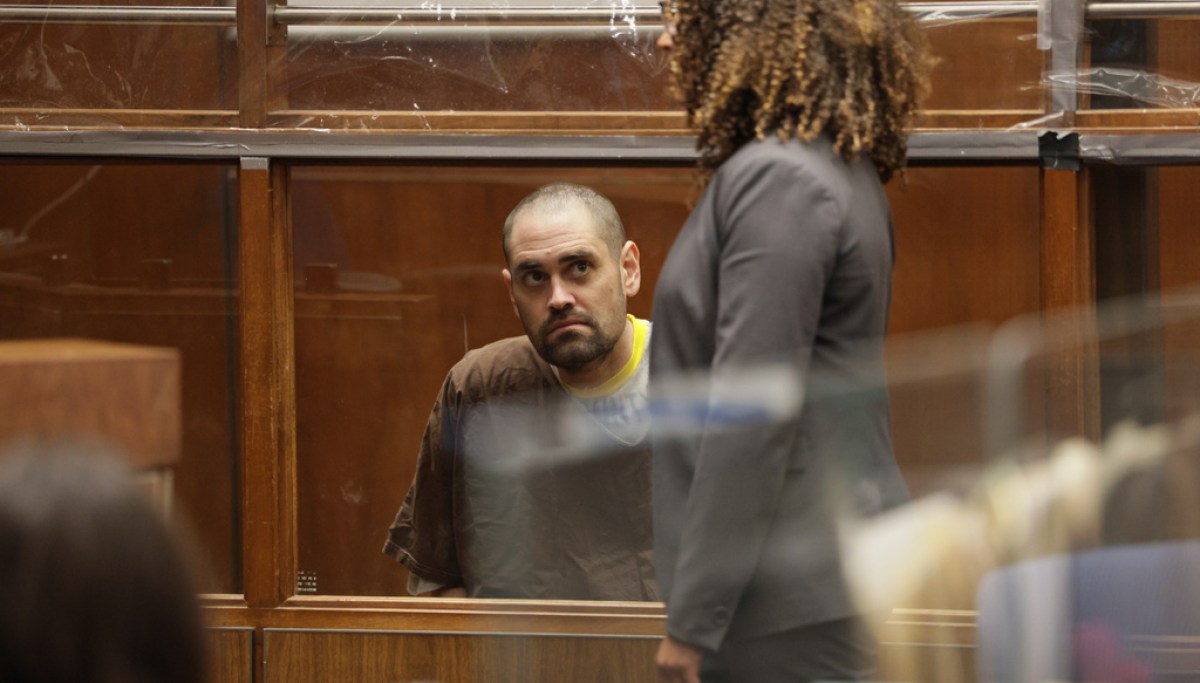
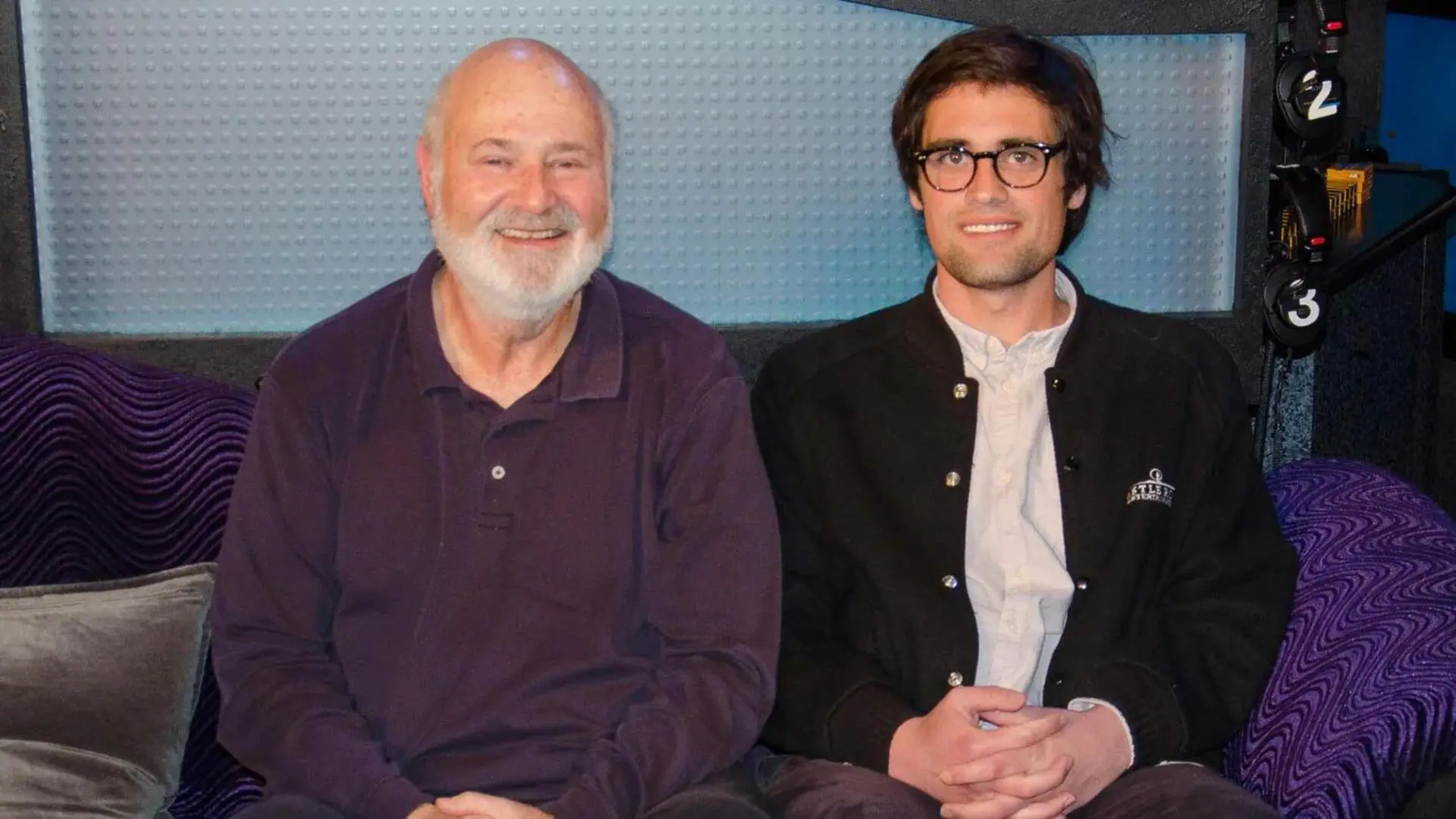
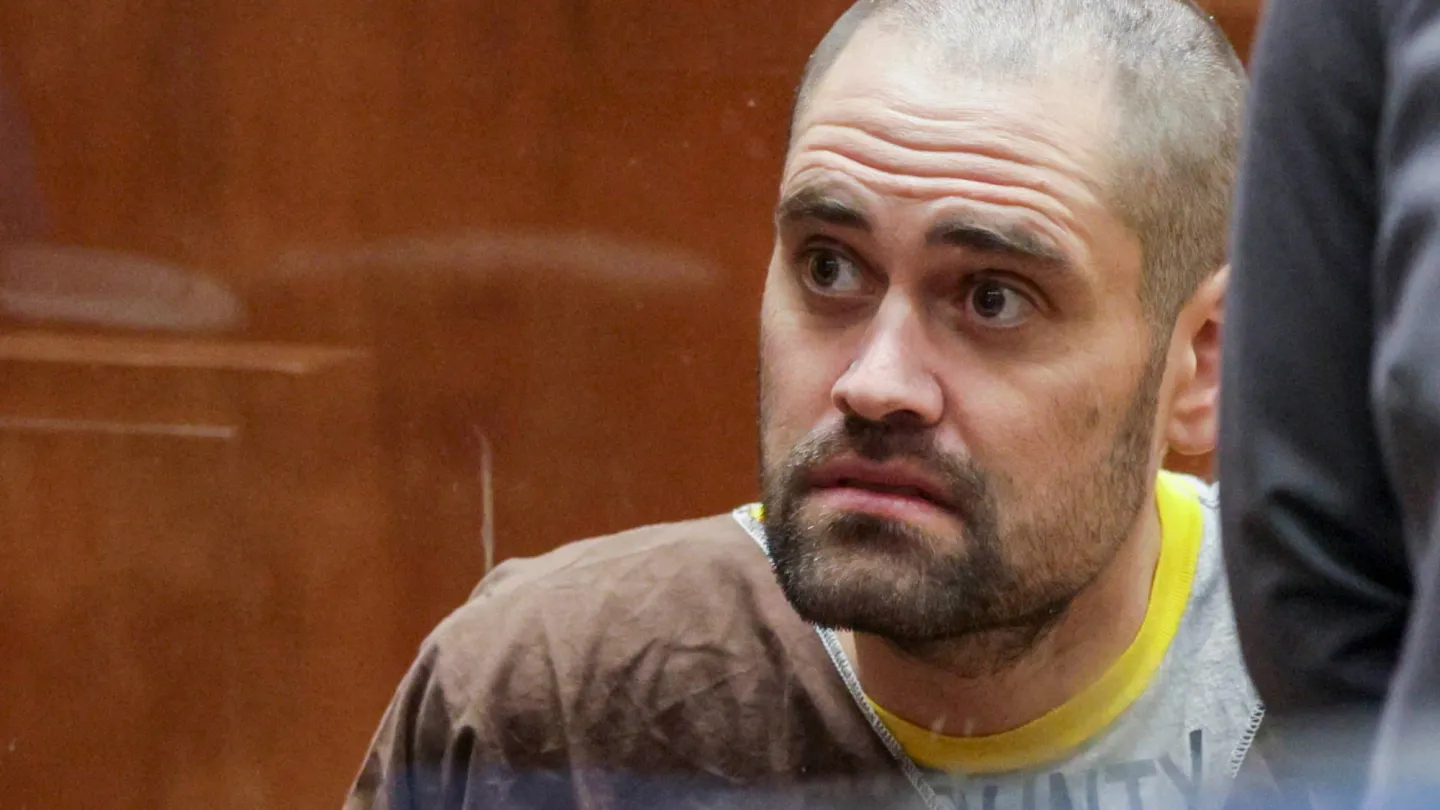
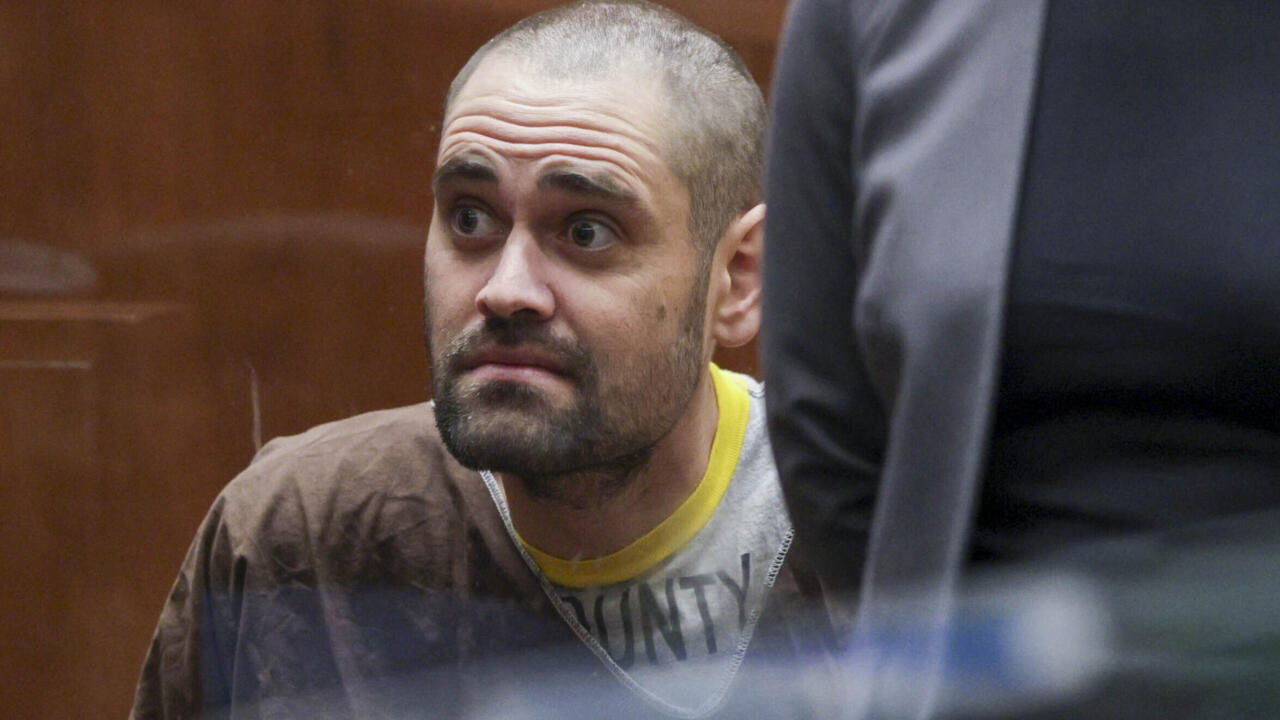
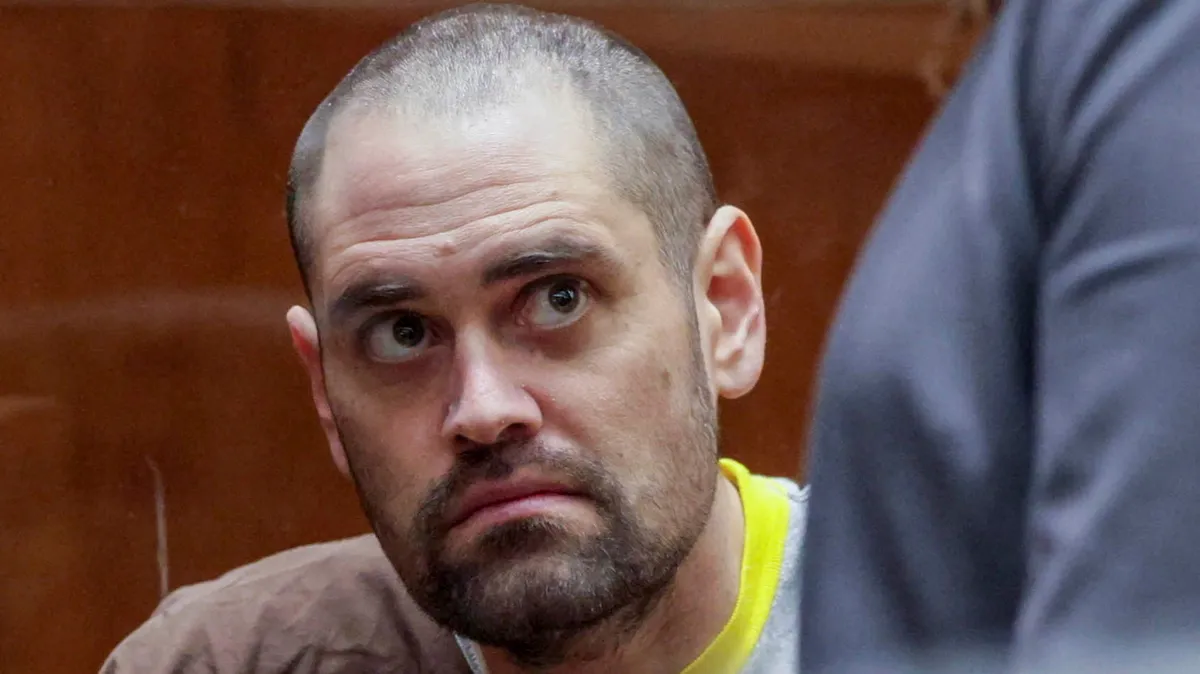
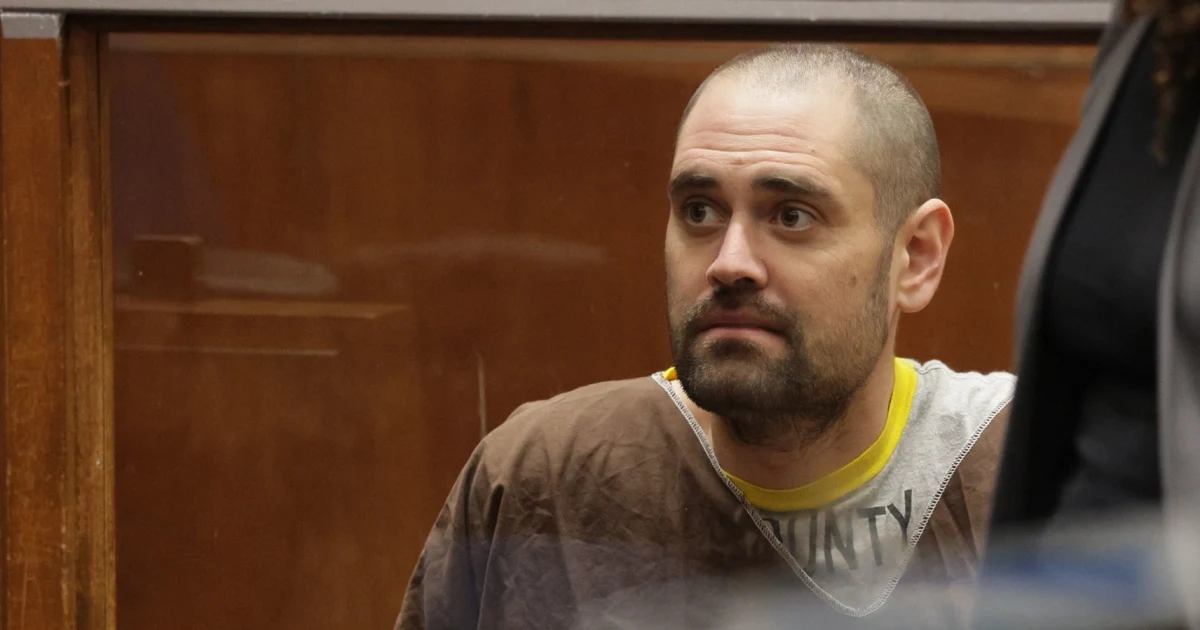
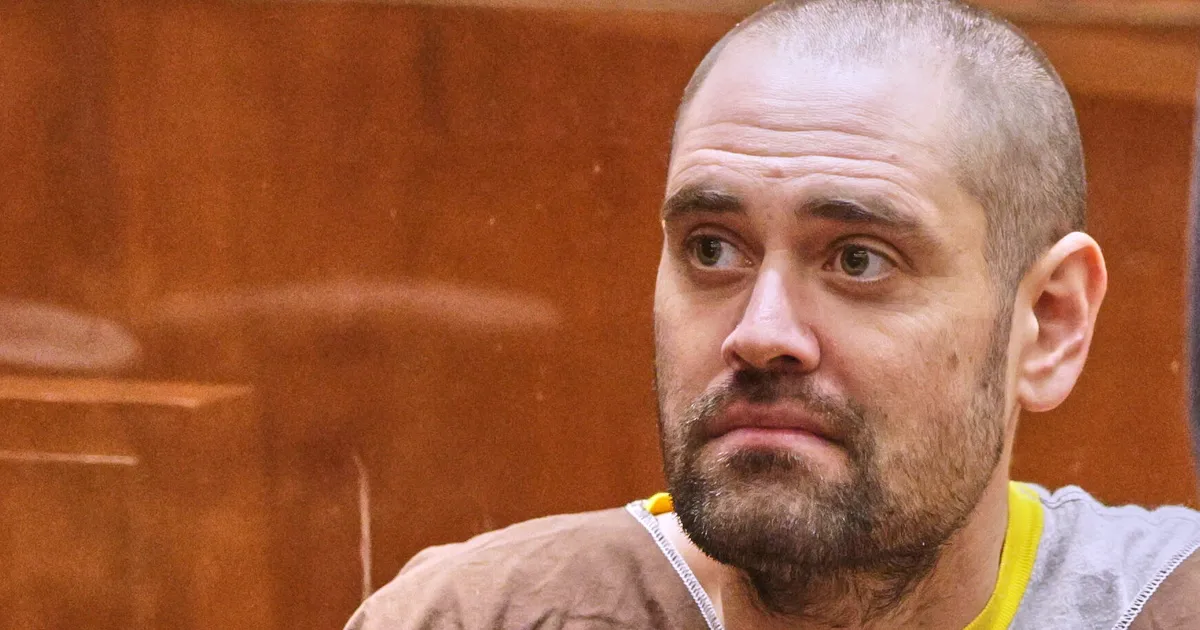
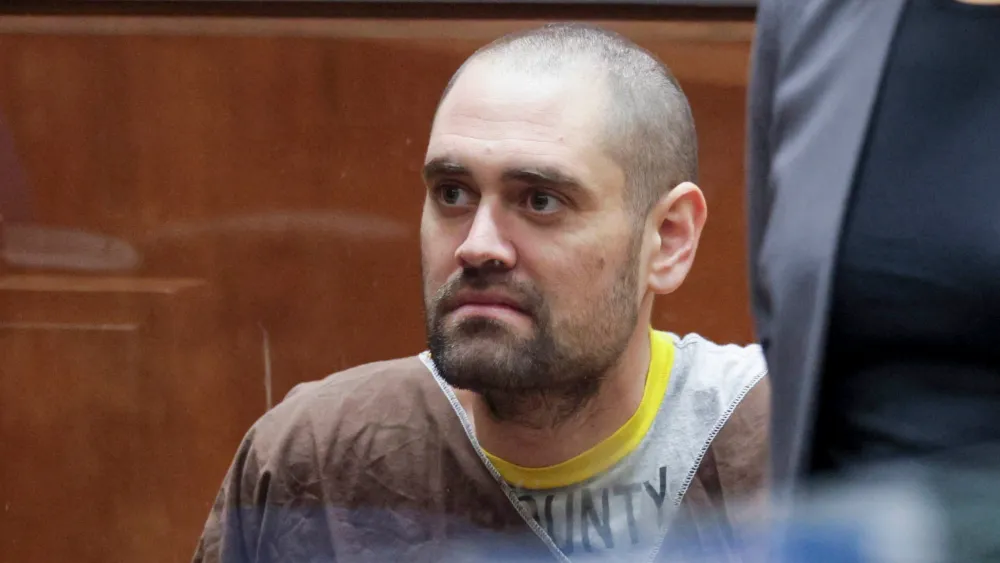
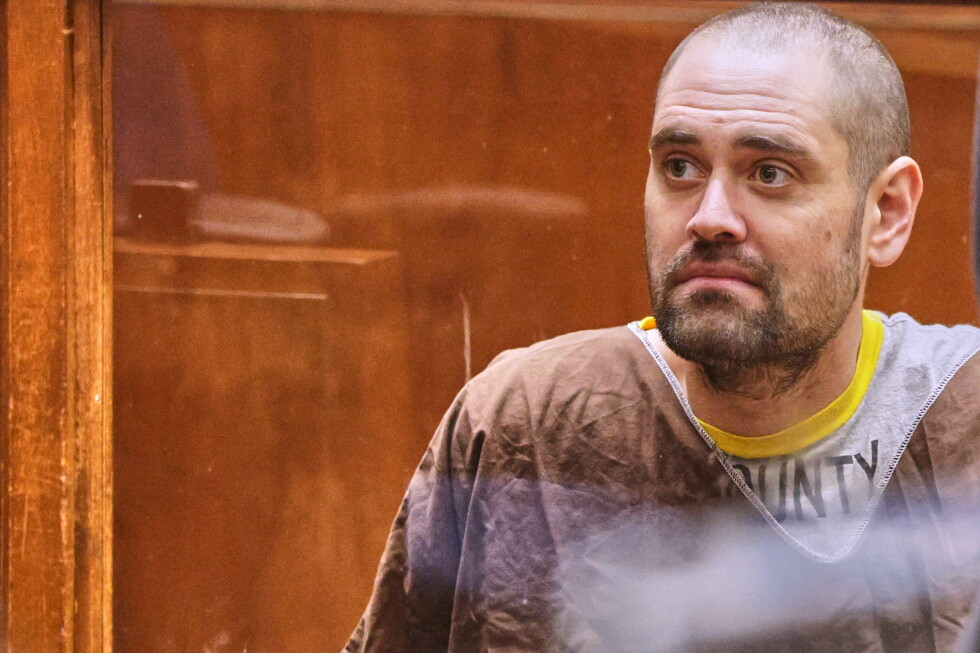
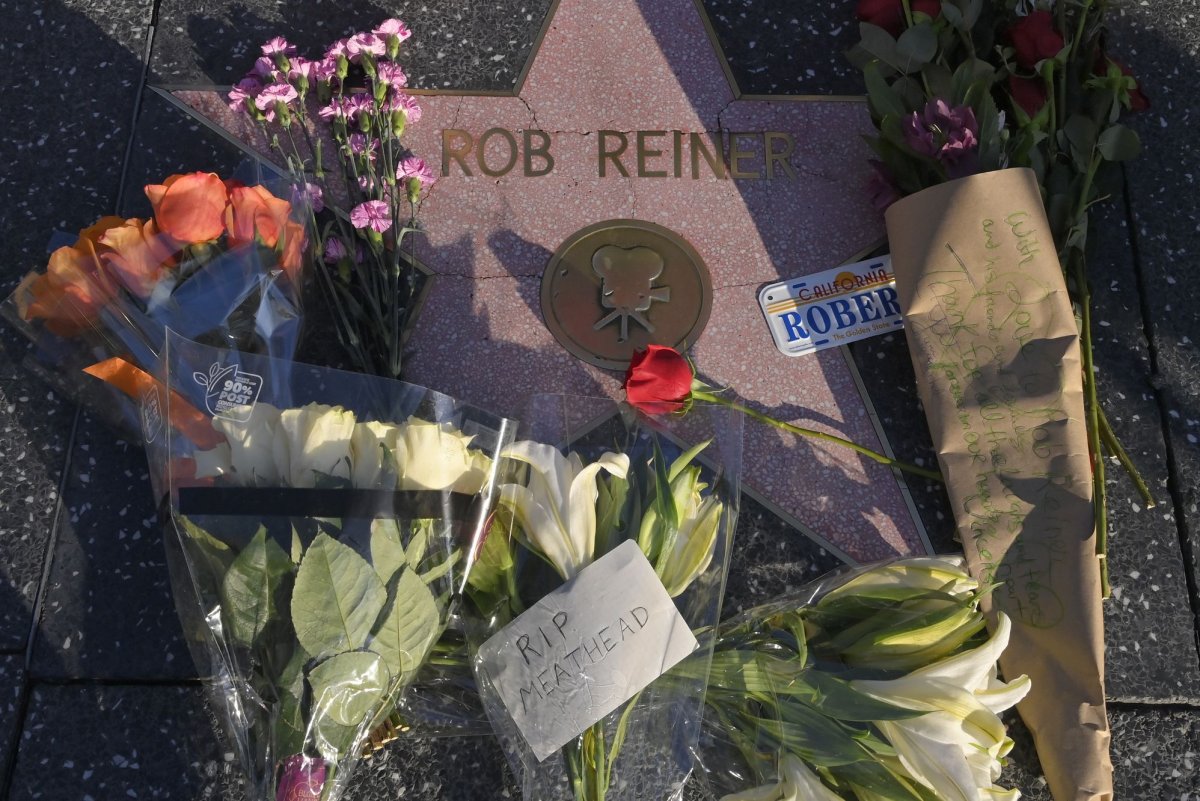
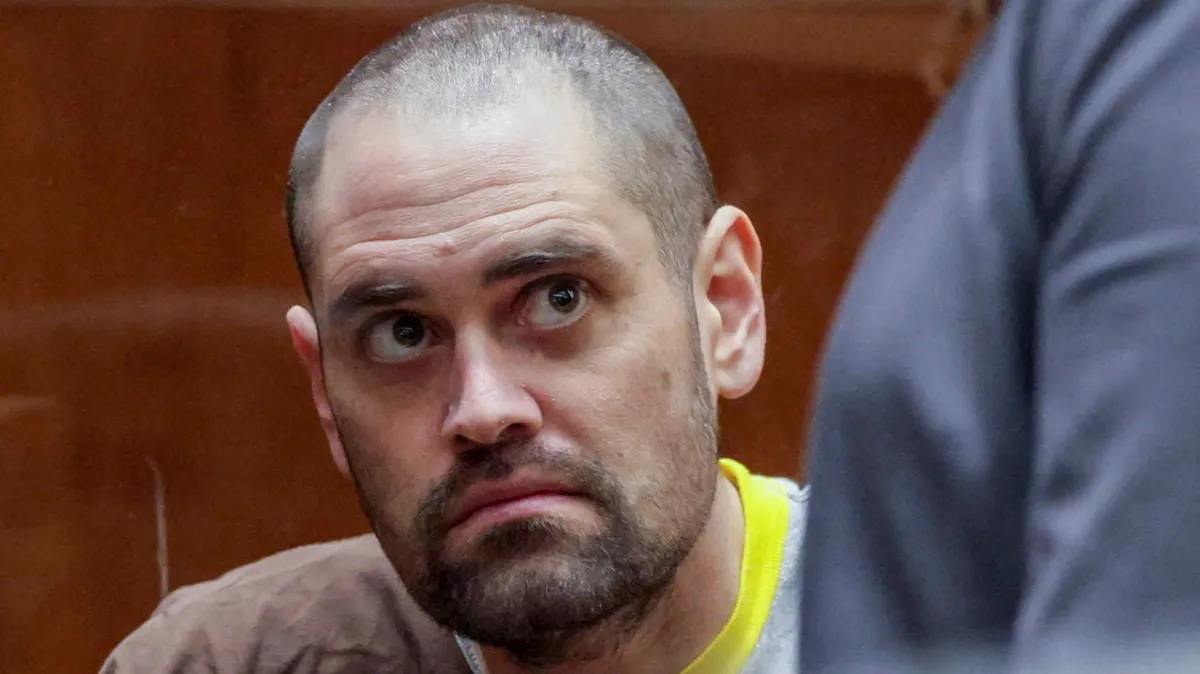
Nick Reiner, son of the late director Rob Reiner, is petitioning to access a trust fund to pay for his legal defense.Reiner is currently incarcerated and has pleaded not guilty to charges of murdering his parents, Rob Reiner and Michele Singer Reiner.Amid Nick Reiner's legal battle over his parents' deaths, his demand for access to a trust fund they established for him may be more complex than it seems.The 32-year-old son of famed Hollywood director Rob Reiner and producer Michele Singer Reiner is behind bars for allegedly fatally stabbing his parents in December. As he faces a first-degree murder trial, Nick Reiner, who has pleaded not guilty, filed a petition on Monday, June 8, to obtain money from his trust fund to fight the charges.The outcome of the dispute could come down to the specific terms of the trust, experts say – and California's Slayer Statute, which prohibits a beneficiary from inheriting from a person they are convicted of killing or were proven to have killed.Questions continue to swirl around the deaths of the beloved "Princess Bride" director and his producer wife, as well as what their son's defense may look like.How California Slayer Statute applies to Nick Reiner's $1.5 million trust fundA copy of Nick Reiner's trust – containing at least $1.5 million – reveals that he was supposed to receive half when he turned 30 and the remainder when he turns 35. However, he says in court docs the first payment was never distributed. That may give Reiner grounds to collect some money, estate attorney Sean Weissbart tells USA TODAY."When Nick turned age 30, that was about two years before [his arrest], and so that 50% of the trust really vested and should have been distributed to him," Weissbart says. The second payout, however, would be impacted by the California statute if Reiner is ultimately convicted.Nick Reiner's petition states that the current trustee, estate lawyer Paul Kanin, has continued to deny the funds due to alleged "'concerns' about Nick's so-called competence to 'manage a trust,'" but Reiner's lawyers argue the distribution dates are mandatory, and the "trustee's subjective views" are not valid reasons to withhold the money.Weissbart, who is not affiliated with either party or the case, says from his understanding of Reiner's trust and petition, there are "hold back provisions" in place, which allow for the trustee to use their discretion "if there are certain extenuating circumstances" to deny distribution until "those issues may have resolved."While it remains unclear why Reiner was not given the money when he turned 30, Weissbart adds that a trustee has full control – meaning even Rob and Michele Reiner would not have had decision-making power despite being alive at the time.If convicted, Nick Reiner would be prohibited from obtaining the funds he was set to receive at age 35, as anything he would have received after his parents died becomes inheritance, which falls under the Slayer Statute. Instead, Reiner will be "treated as having predeceased his parents," Weissbart says, and the remainder of the trust and the estate in its entirety would be distributed "as if Nick was not alive at the time of Rob and Michele's death.""The Slayer Statute is absolute. It doesn't give you a potential entitlement for certain reasons" such as a legal defense, Weissbart says. "It cuts you off completely from any type of inheritance if you killed the person."Rob Reiner's death sent shockwaves through the entertainment industry as he left behind a legacy remembered by some of Hollywood's biggest names, including Martin Scorsese and Conan O'Brien. At the the Oscars in March Billy Crystal called Rob Reiner a "best friend" in a touching tribute speech.In addition to Nick Reiner, Rob and Michele Reiner, who were married for 36 years, shared son Jake Reiner and daughter Romy Reiner, along with Rob Reiner's adopted daughter Tracy Reiner. In April, Jake Reiner penned an emotional essay on Substack titled "Mom and Dad," in which he said the deaths of his parents "too devastating to comprehend.""They were the last people in the world to deserve what happened to them," Jake Reiner wrote.Calling his mom "the heart of our entire family" and his dad a "hero," Jake Reiner said "we lost more than half our family that night," addressing his brother's alleged role in their deaths. "Sure, any loss of a parent is devastating, but nothing compares to losing both of them at the same time and, on top of that, having your brother be at the center of it. It's almost too impossible to process."How Nick Reiner trust fund could be used – and why Alan Jackson is speaking outReiner's petition says he needs the money to pay for his legal counsel and "basic necessities while incarcerated," noting his trust fund is completely separate from "the larger Reiner family trust" and is intended "for his individual benefit."It also says Reiner hopes to rehire celebrity defense attorney Alan Jackson, who stepped down in January because of "circumstances beyond his control." Jackson submitted a declaration stating that Reiner's siblings initially agreed to "act as third-party payors" to retain and fund his representation, but in late December, he said "the family representative informed me that none of the anticipated third-party funding would be provided."Jackson writes that if the funds become available, his "firm stands ready, willing, and able to resume representation of Mr. Reiner."Reiner's case could quickly become expensive, especially if he enters a plea of not guilty by reason of insanity, says Seth Zuckerman, a celebrity criminal defense attorney and former New York City prosecutor."[Reiner] is likely trying to access these funds not only to pay for his attorney, but also for that defense, because hiring an expert on his mental state would probably be very important," Zuckerman tells USA TODAY. "I suspect it's to pay for a very well qualified expert who would be able to testify that he was legally insane at the time of the offense, so therefore he is not criminally responsible."Reiner reportedly was diagnosed with schizophrenia years ago and was being treated for serious psychiatric disorder at the time of the crime, according to NBC News. The New York Times later reported Reiner was in a mental health conservatorship from 2020 until 2021, citing confirmation from a clerk for the Los Angeles Superior Court.What were Rob Reiner’s most iconic films?While the deaths of Rob and Michele Reiner have shaken Hollywood, some of their most iconic works are being remembered.In order for Reiner to meet the qualifications of an insanity plea, Zuckerman says, his defense team would have to prove "that he suffered from a mental disease or defect, and that due to that condition he was incapable of understanding the nature and quality of his act, and couldn't distinguish right from wrong."Reiner has spoken out about his substance abuse, telling People magazine in a 2016 interview that he went to rehab 17 times beginning at the age of 15. At one point, he said he became homeless because he refused to return to treatment. In 2015, he and dad Rob Reiner worked together on a romantic drama, "Being Charlie," loosely inspired by Nick Reiner's own battle with addiction.If Reiner does not win his efforts to access the trust fund, he will still have representation, like he does now, from a public defender. However, Zuckerman says he would have fewer options when it comes to experts, and they would be "taking lower rates to work with the public defenders, because they're getting paid by the local government.""If you want the most experienced and you can handle it, both for experts and the attorneys, it's going to cost you," Zucherman says.Contributing: Edward Segarra, David Oliver, Anthony Robledo, Taijuan Moorman and Ralphie Aversa, USA TODAY