This content was published on
June 12, 2026 - 12:05
3 minutes
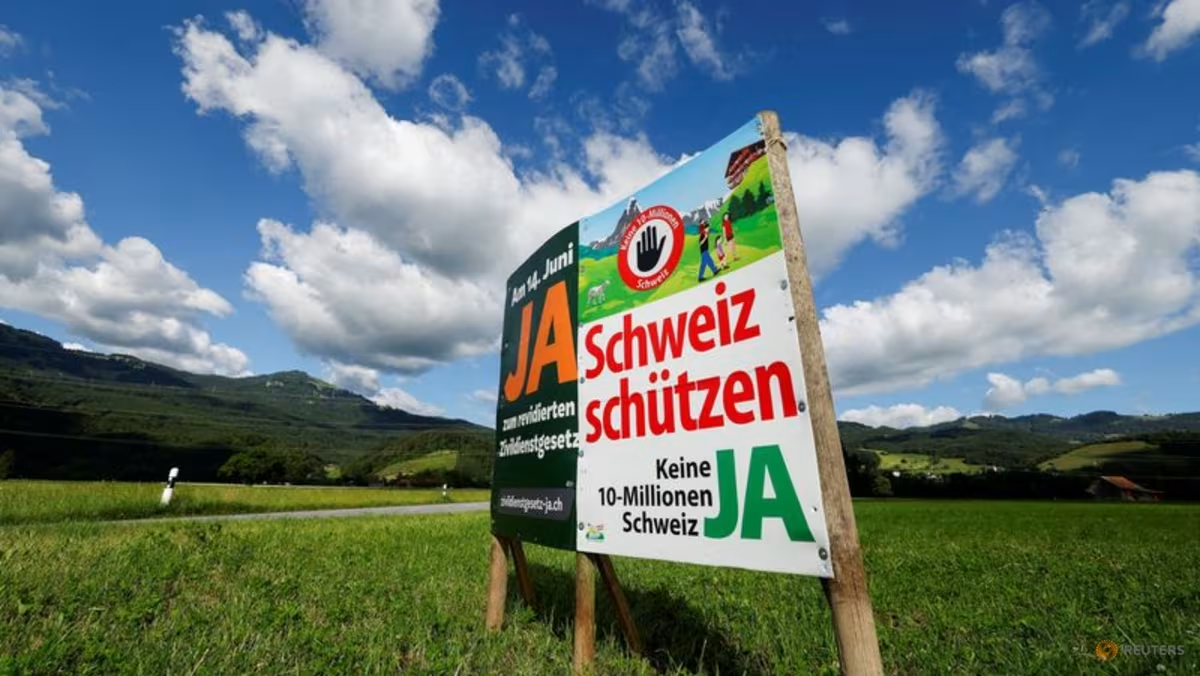
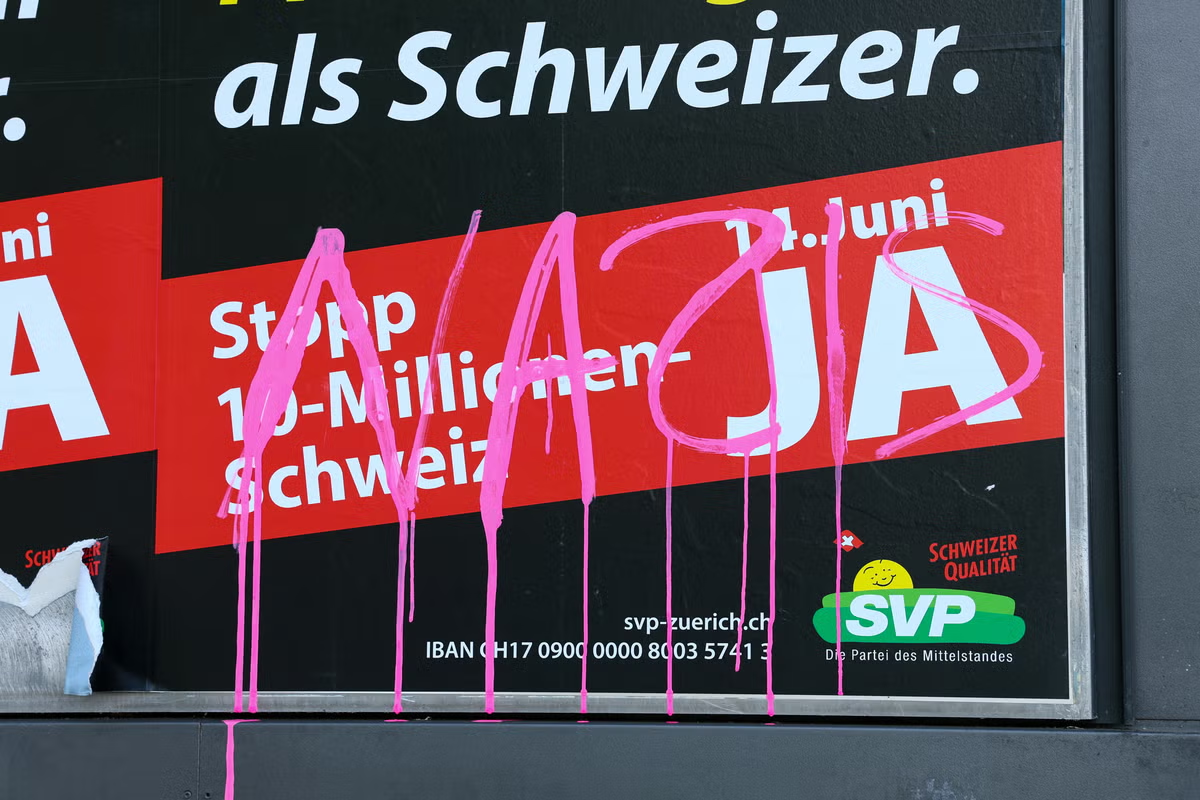
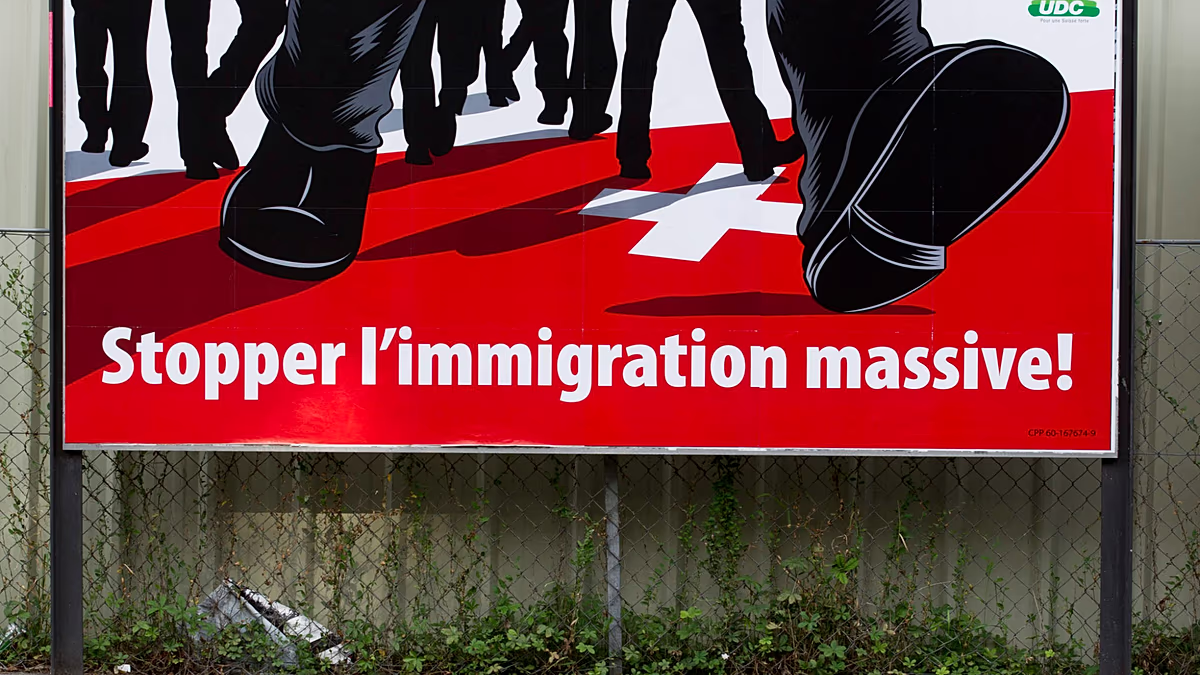
(Bloomberg) — Swiss companies expect the government to water down the proposed population cap if voters back it, according to the country’s main business lobby.“In Switzerland we have a saying that the soup isn’t eaten as hot as it is cooked,” Economiesuisse Chief Economist Rudolf Minsch told Bloomberg Television on Friday, adding that “some pragmatic solution” will be found to ensure Swiss firms can continue to recruit workers from abroad.On Sunday, Switzerland will vote on whether to limit the number of residents to 10 million people in 2050, from 9.1 million currently. Polls predict a close outcome on the measure, which right-wing campaigners initiated to force the government to rein in immigration.Minsch added that a key task for Switzerland’s leaders in case of a “yes” vote would be to calm concerns of the European Union, which wants to reaffirm bilateral cooperation with a new set of treaties based on the free movement of people.“We have to explain that initially nothing will happen,” Minsch said.Minsch’s optimism about implementation contrasts with the view of Lombard Odier. Earlier this month, the bank highlighted that the nature of the initiative would make it difficult to dodge the concrete policy triggers spelled out in the proposal.The government could be forced to quit the free movement accord with the EU if the population rises persistently above 10 million, which could be the case in the 2040s. That would then threaten wider bilateral agreements including on access to the bloc’s common market.“The free movement of persons is a key component of our relations,” a spokesperson for the European Commission said this week. “It is on this basis that we will look at the outcome of this vote.”The plebiscite could be one of the most disruptive in years, as apart from political fallout it also threatens significant economic damage. Swiss companies say recruiting abroad is vital for their success and the government has estimated output could be 12% lower at the end of the century.“In the long term it’s a big concern,” Raiffeisen Switzerland economist Alexander Koch told Bloomberg Television earlier on Friday. “We would have much lower growth.”With supporters arguing population expansion has pushed rents higher and is stretching infrastructure, the proposal has forced a debate over whether Switzerland’s economic model has become too dependent on immigration. First results are expected Sunday at noon.–With assistance from Guy Johnson, Anna Edwards, Tom Mackenzie and Andrea Palasciano.©2026 Bloomberg L.P.