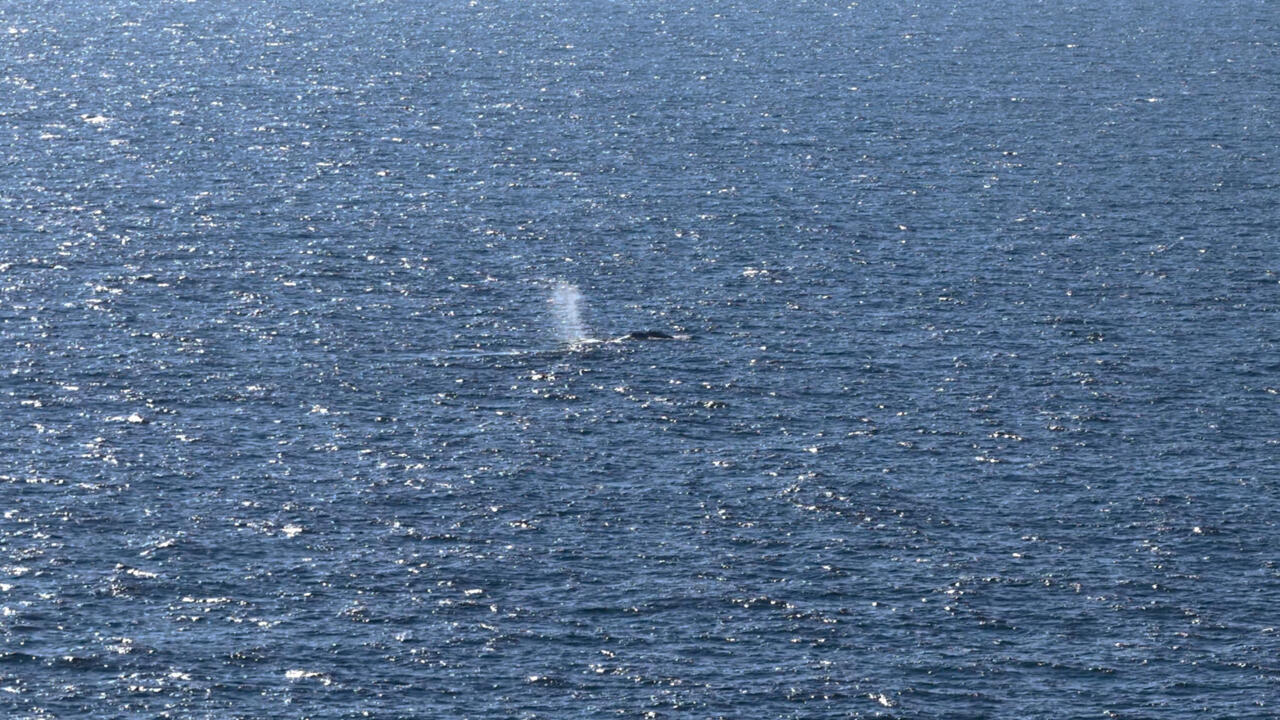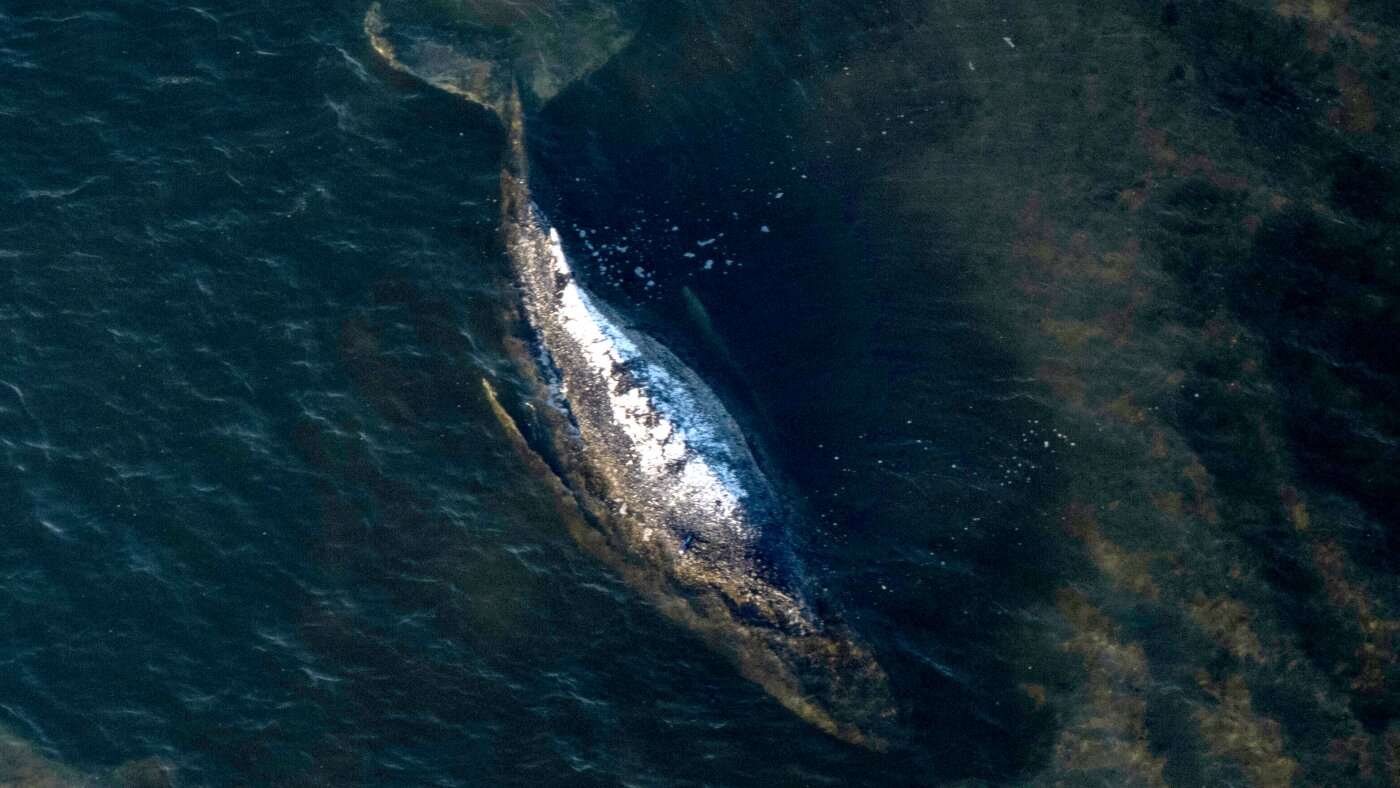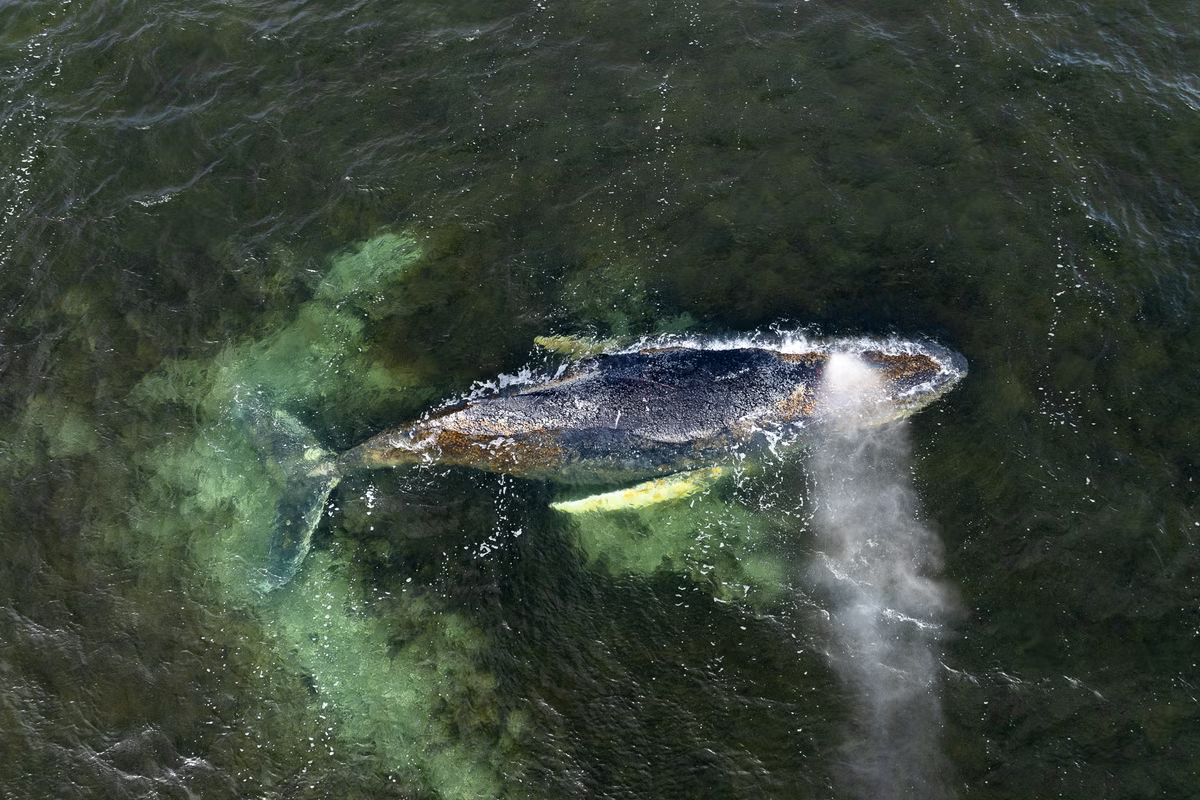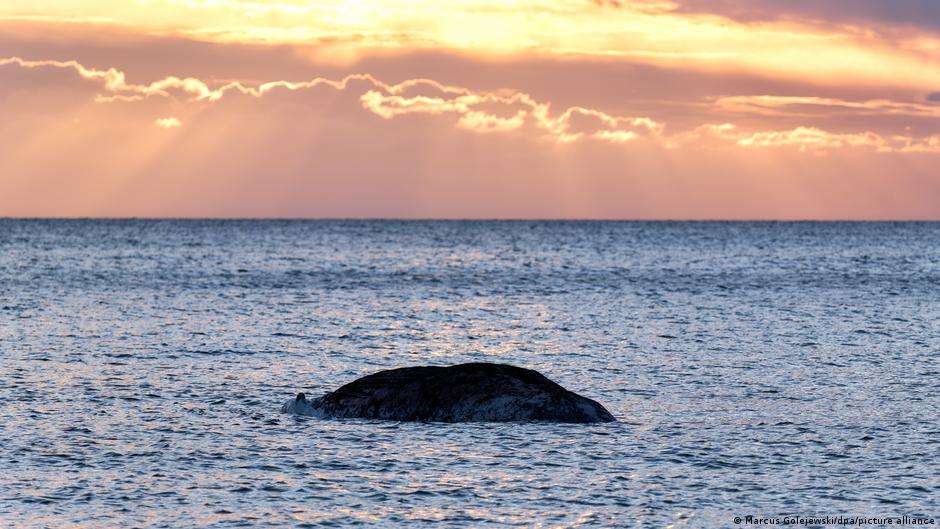
BERLIN (AP) — The remains of Timmy, the humpback whale whose life and death captivated Germany for months, will be turned into biodiesel as some of the mammal’s bones are set to go to a Danish museum. A series of failed rescue attempts split the scientific community and a private initiative over whether it was more humane to let the weakened and sick animal die on its own or continue the efforts.The whale, nicknamed “Timmy” and “Hope” by German media, was found dead on May 14, stranded just off the small island of Anholt in the Kattegat, the broad strait between Denmark and Sweden that connects the Baltic Sea to the North Sea.Here’s what to know:
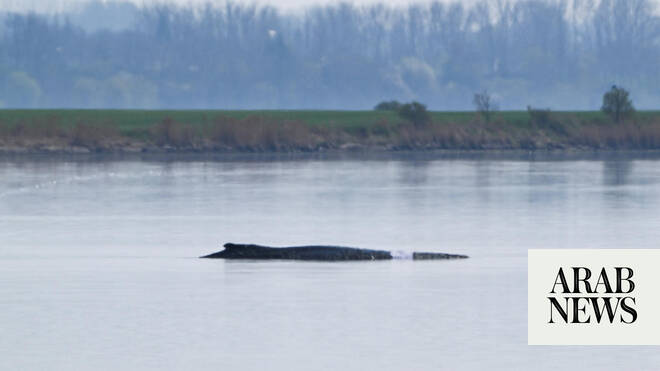
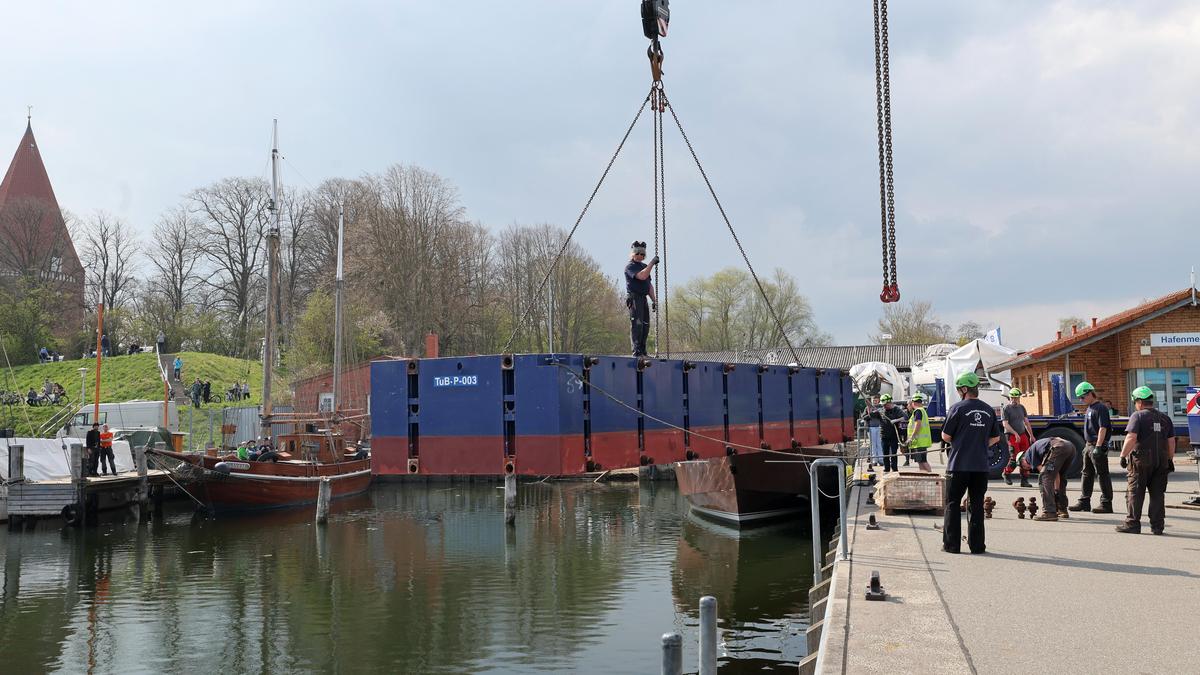
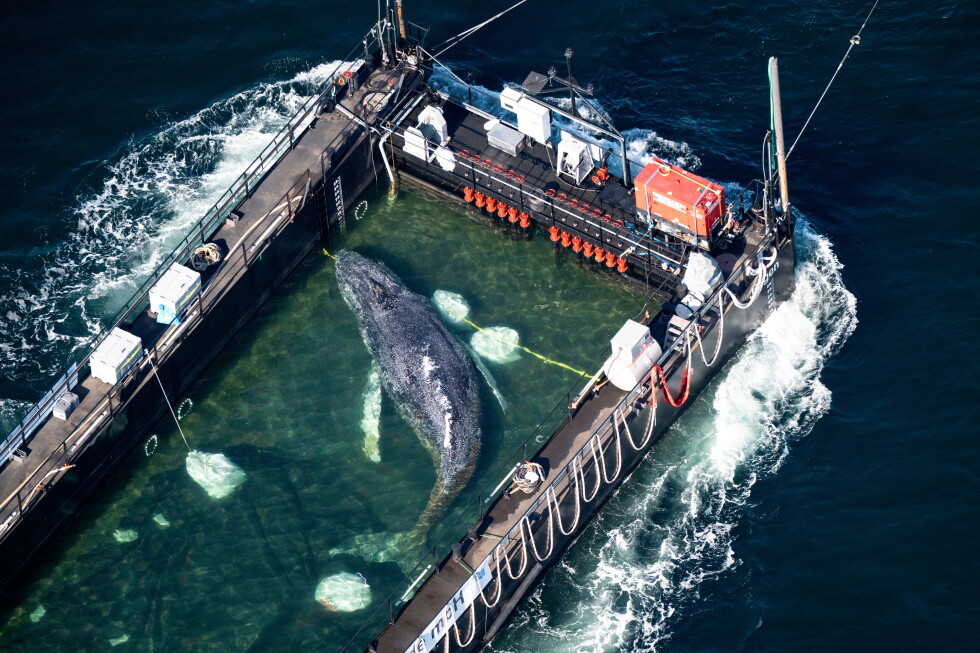
Whale was far from its natural habitatTimmy, measuring 12 to 15 meters (39 to 49 feet) long and weighing 12 metric tons (nearly 26,500 pounds), was first spotted swimming off the German coast on March 3. It’s not clear why the whale swam into the Baltic Sea, far from its natural habitat in the Atlantic Ocean. Some experts say the animal may have lost its way while swimming after a shoal of herring or during migration.The mammal then became repeatedly stranded in shallow waters. It was in clear distress, breathing irregularly and mostly barely moving for days. Timmy also suffered from a bad skin condition, related to the Baltic Sea’s low salt content, and rescuers applied zinc ointment.Tracking data from a transmitter on its dorsal fin showed that it had likely lived roughly five days after the final controversial rescue attempt failed on May 2, when the mammal was transported toward the North Sea in a barge. It had swum roughly 215 kilometers (around 135 miles) over the five days and was heading back toward the Baltic Sea, which is the wrong direction for it to reach the Atlantic Ocean.