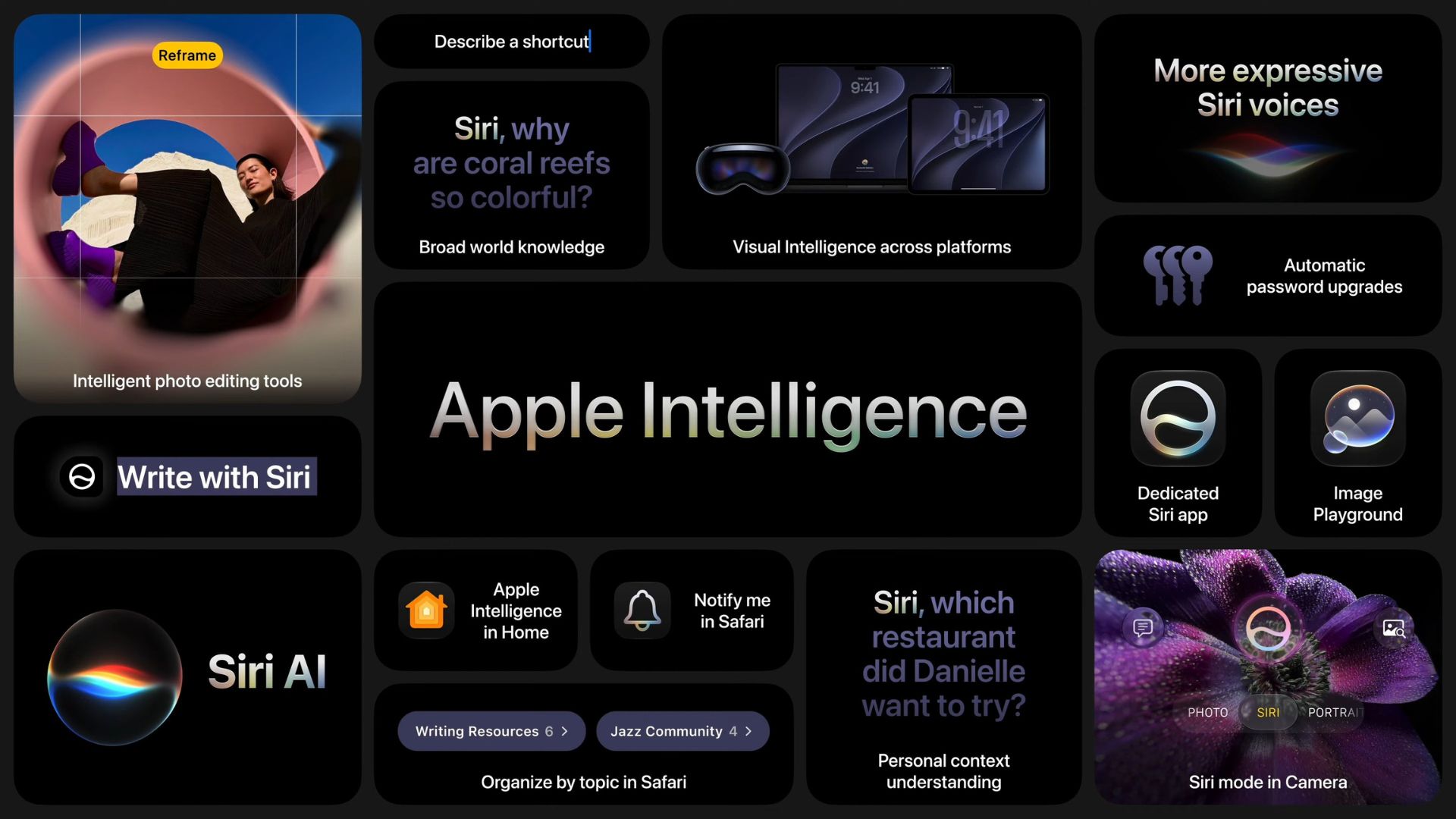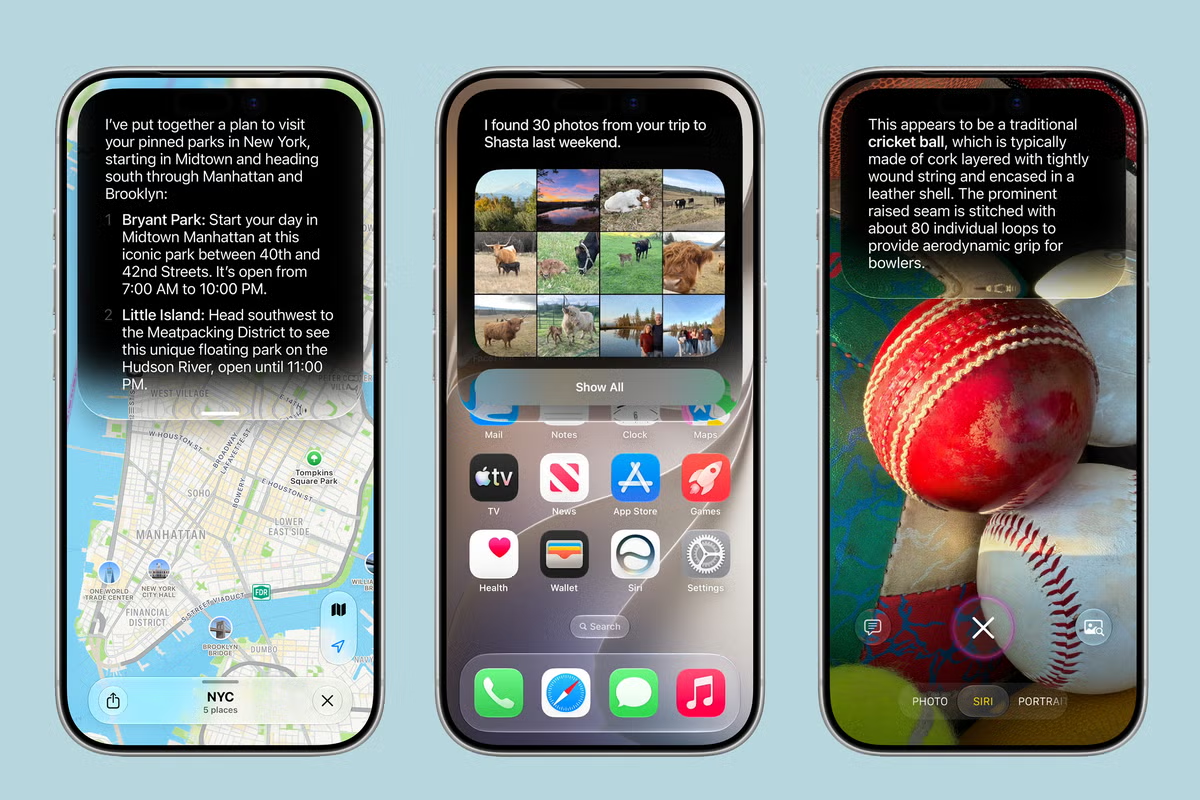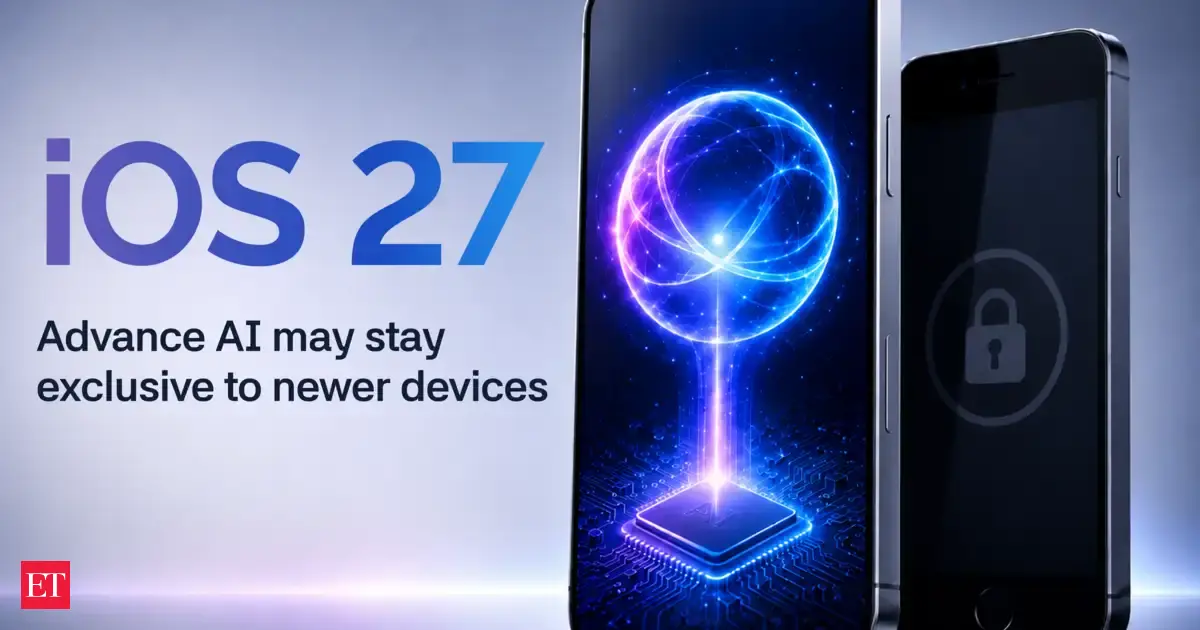
SynopsisApple’s AI ambitions are entering a new phase. Reports suggest that iOS 27 will introduce a new generation of advanced Apple Intelligence features, but not every device will be able to access them. As AI becomes increasingly tied to hardware performance, Apple appears to be drawing a sharper line between software updates and true AI readiness.ET OnlineFor years, software updates have been viewed as great equalisers. A new operating system arrived, users downloaded it, and millions of devices gained access to the latest features overnight. Artificial intelligence, however, appears to be rewriting that equation.Apple’s next major software update, iOS 27, is expected to introduce a new wave of Apple Intelligence capabilities. Yet the conversation surrounding these features is not centred on what they can do. Instead, it revolves around a more intriguing question: who will actually be able to use them?The answer points toward a broader transformation unfolding across the technology industry. AI is no longer just software. Increasingly, it is becoming a function of hardware capability.The latest reports suggest that Apple is preparing more sophisticated on-device AI experiences, including improvements to Siri, voice interactions, and contextual intelligence. These systems demand substantial computing resources, memory, and neural processing power. As a result, some of the most advanced features may remain exclusive to newer devices such as the iPhone 17 series and select M4-powered products.This distinction is significant because it highlights a shift in how innovation is delivered. Traditionally, smartphones were upgraded for better cameras, larger batteries, or improved displays. Today, AI performance is emerging as a defining factor in device value.What makes this transition particularly interesting is that Apple has consistently positioned privacy as a central pillar of its AI strategy. Rather than sending every request to the cloud, the company continues to push intelligence directly onto the device. This approach offers greater control over personal data, but it also raises the technical requirements necessary to run advanced AI models efficiently.Consequently, the gap between devices that can run AI and devices that can run advanced AI is beginning to widen.The implications extend beyond Apple’s ecosystem. Across the technology landscape, AI is becoming increasingly dependent on specialised hardware. The future of user experience may therefore be determined not only by software innovation but by the silicon powering it.As AI assistants become more conversational, context-aware, and capable of understanding user intent, the smartphone itself is evolving into something different. It is no longer merely a communication device. It is becoming an intelligence platform.This evolution raises a compelling consideration for consumers. In the coming years, purchasing decisions may not revolve around screen size or camera quality alone. Instead, users may evaluate devices based on a new metric: how much intelligence they can access.The arrival of iOS 27 may therefore represent more than another software upgrade. It could signal the beginning of an era where AI capabilities are no longer universally distributed, but selectively unlocked through hardware. The real story is not that Apple is bringing more AI to its devices. It is that the future of AI may increasingly belong to those devices built specifically to handle it.Disclaimer Statement: This content is authored by a 3rd party. The views expressed here are that of the respective authors/ entities and do not represent the views of Economic Times (ET). ET does not guarantee, vouch for or endorse any of its contents nor is responsible for them in any manner whatsoever. Please take all steps necessary to ascertain that any information and content provided is correct, updated, and verified. ET hereby disclaims any and all warranties, express or implied, relating to the report and any content therein.Read More News onRead More News on
The most important Apple iOS 27 feature may be the one many users can't access
Apples AI ambitions are entering a new phase. Reports suggest that iOS 27 will introduce a new generation of advanced Apple Intelligence features, but not every device will be able to access them. As AI becomes increasingly tied to hardware performance, Apple appears to be drawing a sharper line between software updates and true AI readiness.
608 words~3 min read