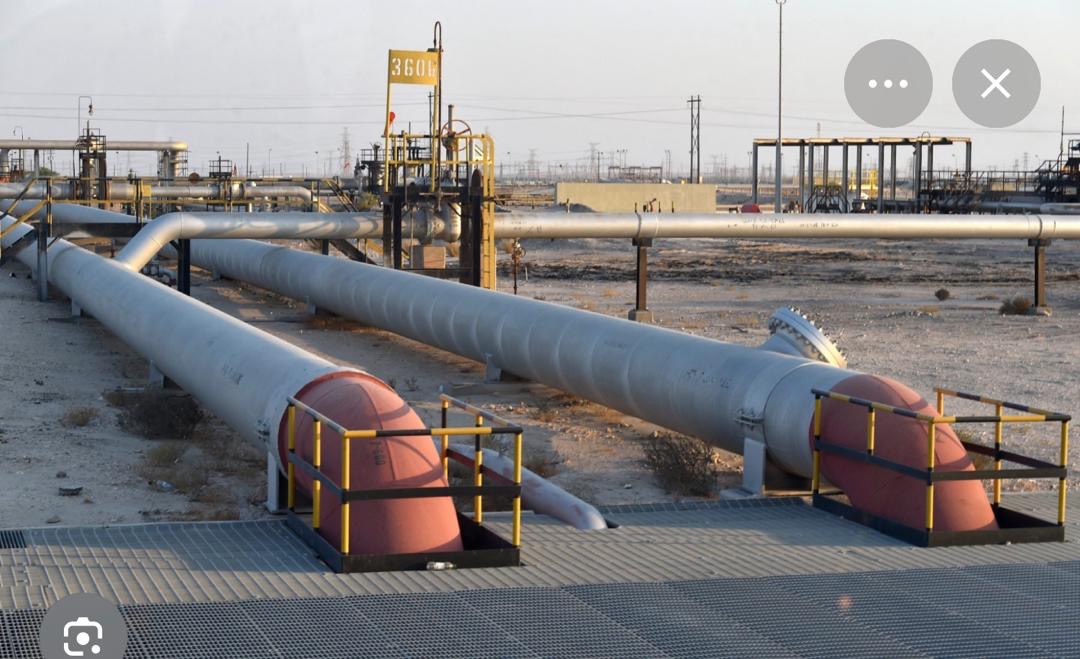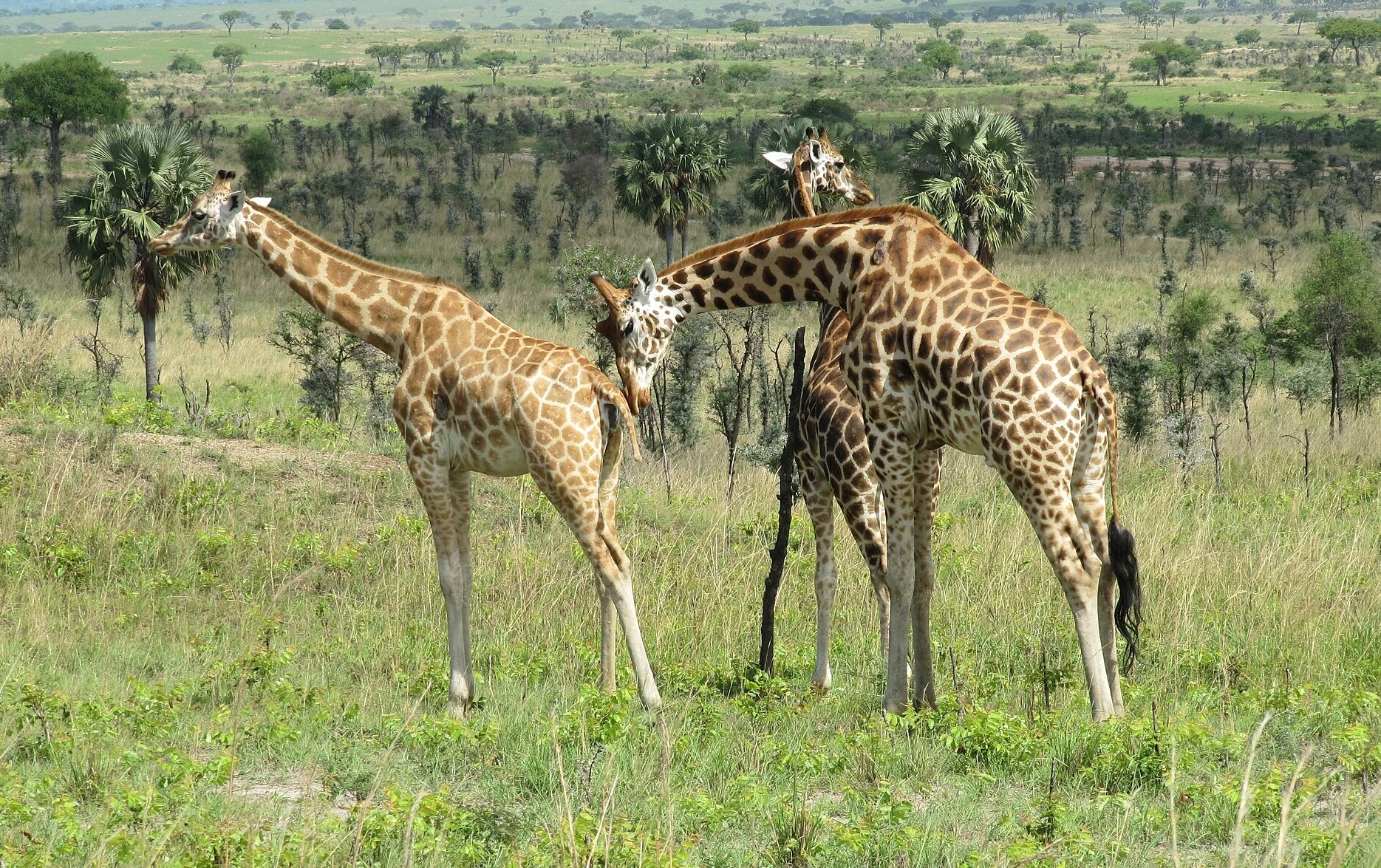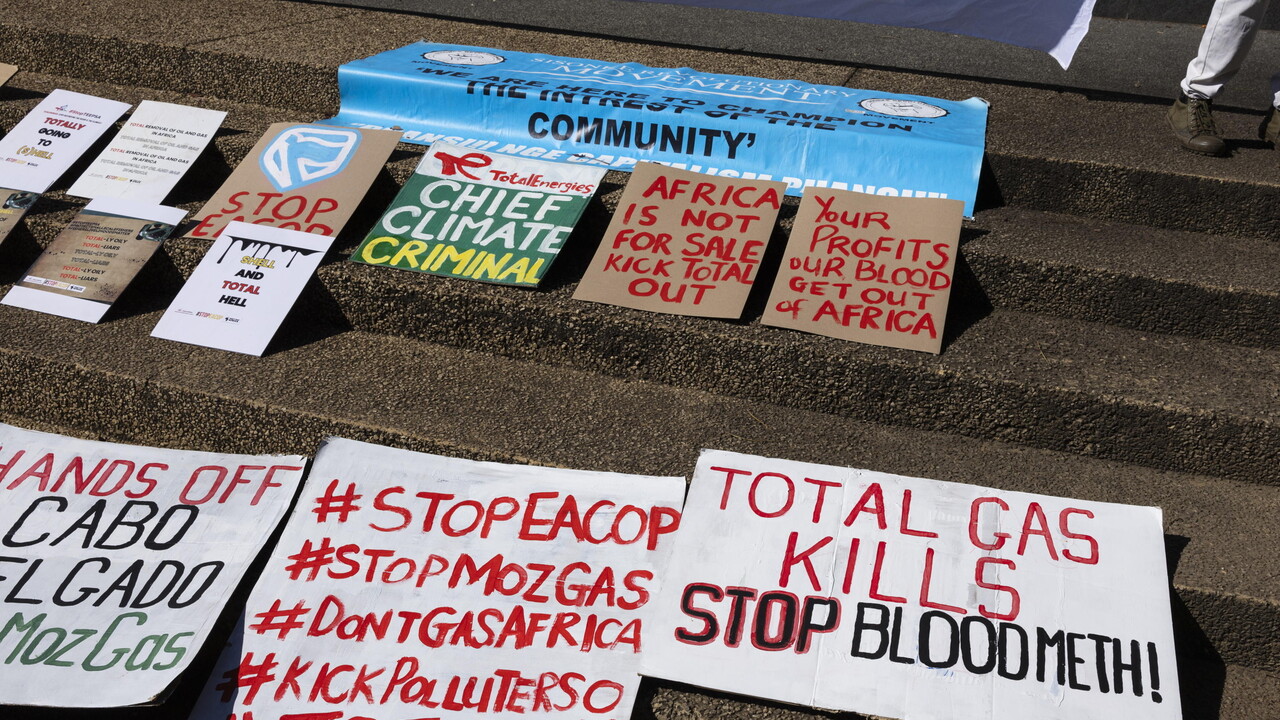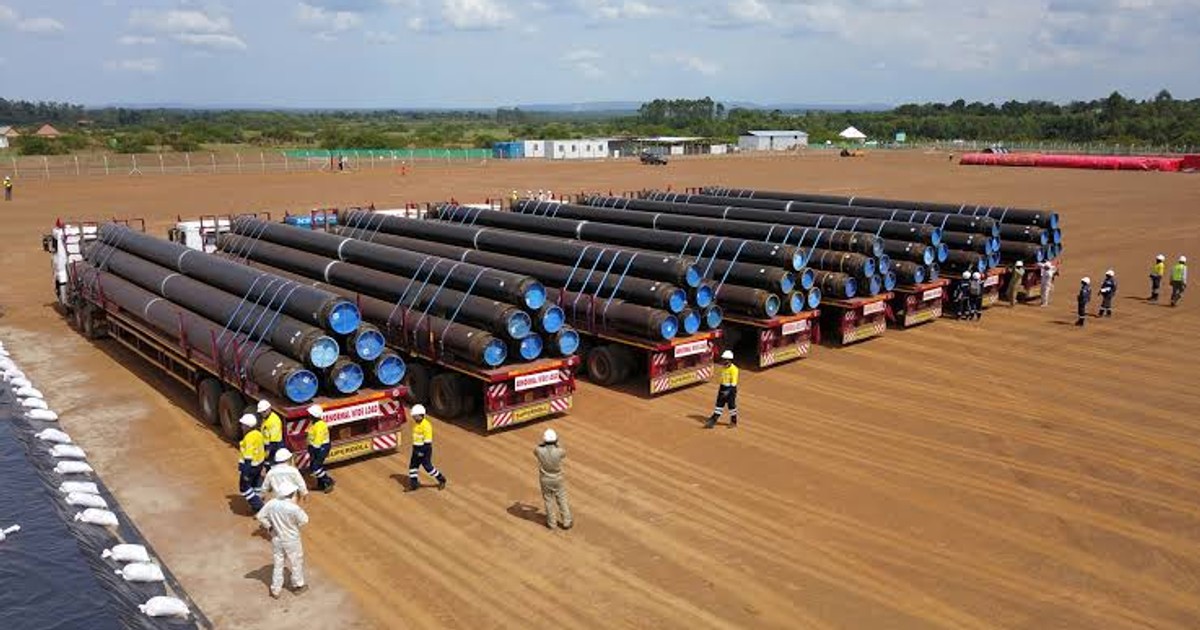
As the construction of the East African Crude Oil Pipeline nears completion in Uganda and Tanzania, a new report highlights the environmental risks associated with the project.The pipeline runs close to and through sensitive ecosystems and wildlife corridors and could have adverse effects on humans and the environment.The pipeline’s risks are compounded by new oil and gas developments across the African Great Lakes region.
The East African Crude Oil Pipeline (EACOP), which stretches from oil fields in Uganda’s Lake Albert region to Tanzania’s port town of Tanga, is once again under scrutiny after a new report mapped out the biodiversity areas and wildlife habitats it runs through or passes by.
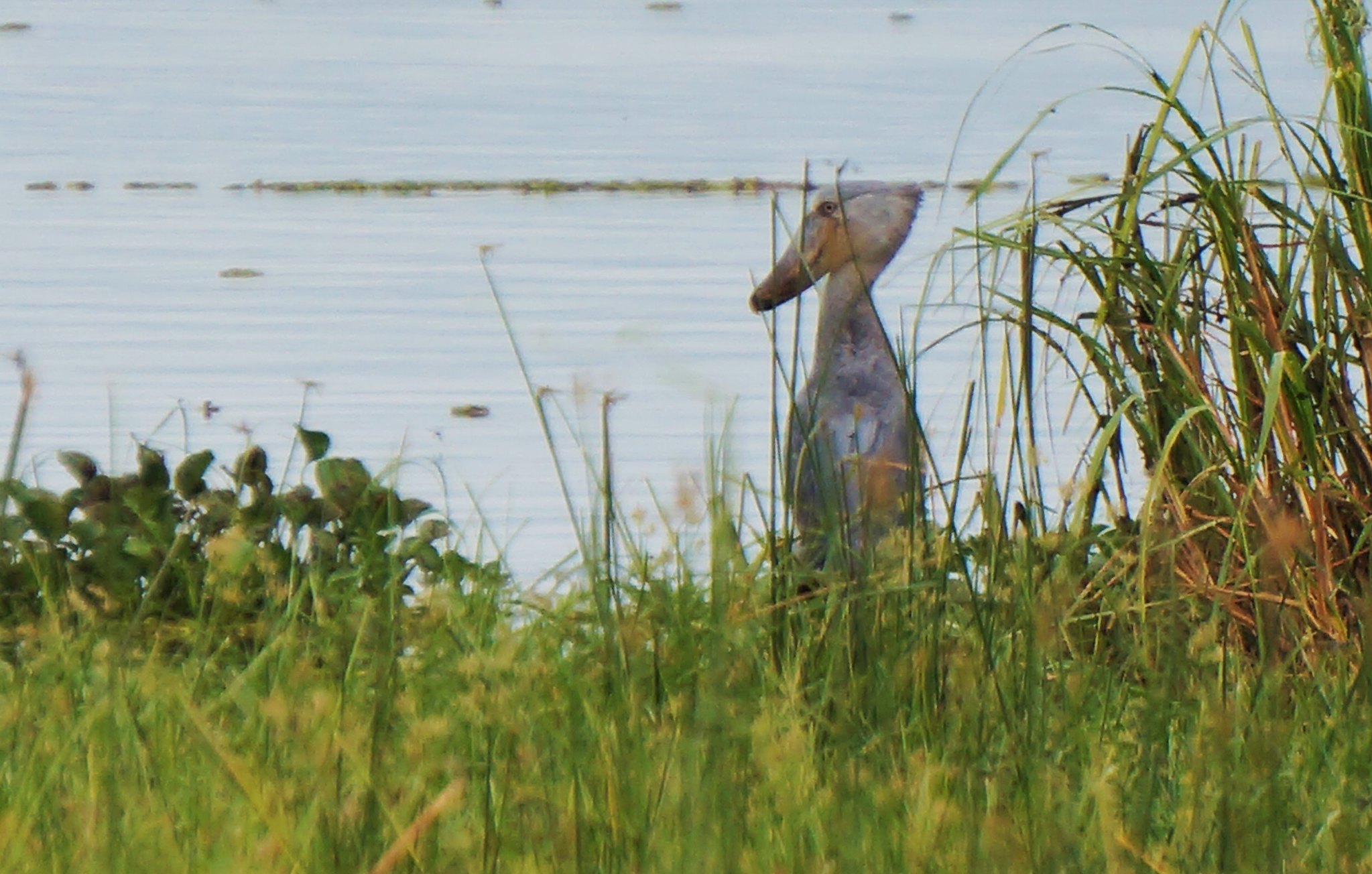
Drawing data from maps and economic value estimates, the report by U.S.-based NGO Earth Insight shows that the 1,443-kilometer (990-mile) pipeline is close to areas that are important for livelihoods and water security for millions of people and serve as migration corridors for animals. The report concludes that the construction of the pipeline has already disturbed communities and the environment and that oil transportation will bring further long-term risks.
EACOP is a joint project involving TotalEnergies (62% stake), the governments of Uganda (15%) and Tanzania (15%), and the China National Offshore Oil Corporation (CNOOC, 8%). EACOP will carry oil extracted from two oilfields in the Lake Albert region: Kingfisher, owned by CNOOC, and Tilenga, owned by TotalEnergies.