In an age of vibecoding and AI assistants, there’s something admirable about the desire to work within a set of limitations when coding. Last week, we covered an assembly program that managed to generate both visuals and music within only 16 bytes of code, and this week we’ve got something even more arcane: the results of the 29th International Obfuscated C Contest, which may well be the world’s strangest and most esoteric programming competition.
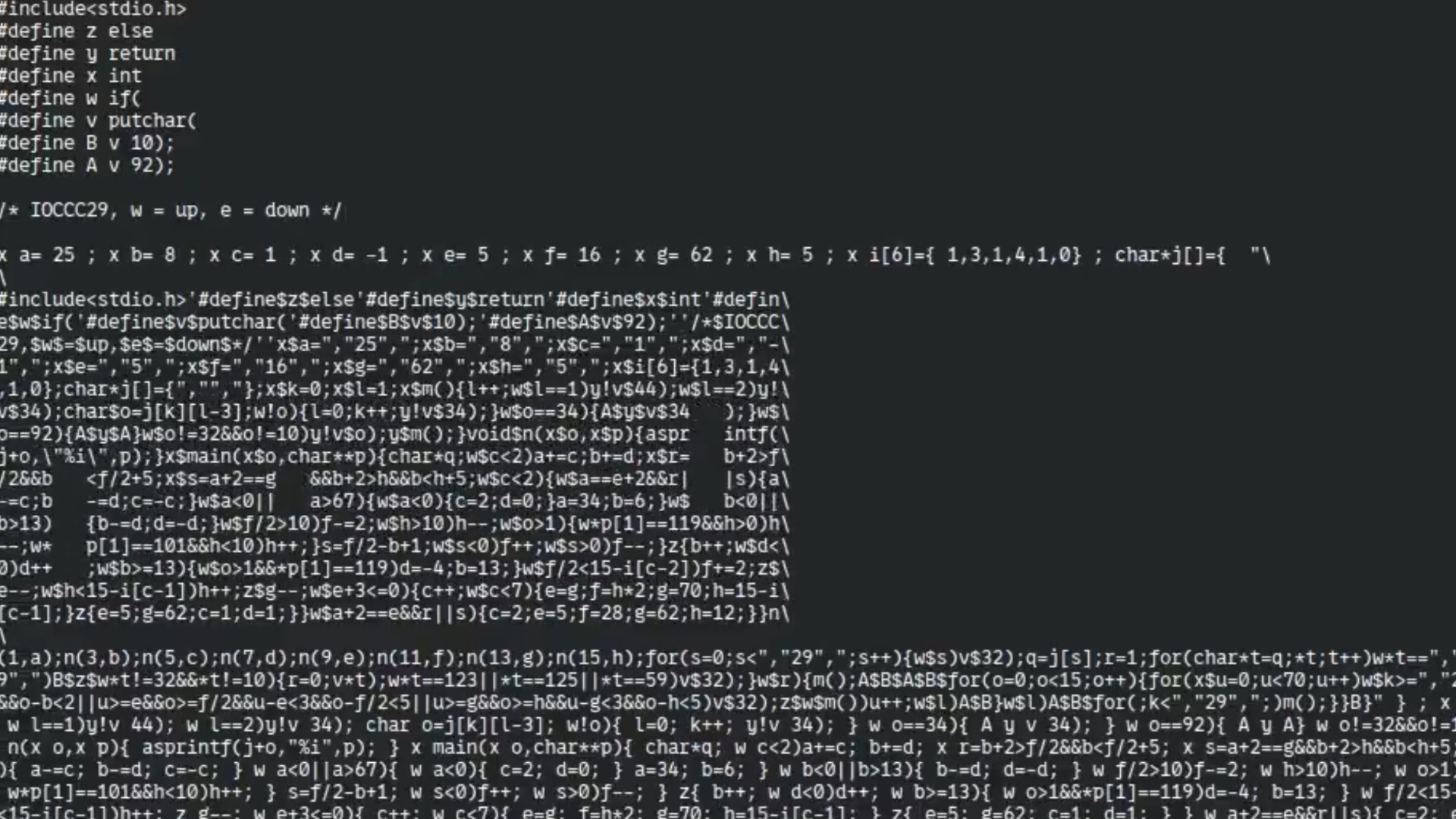
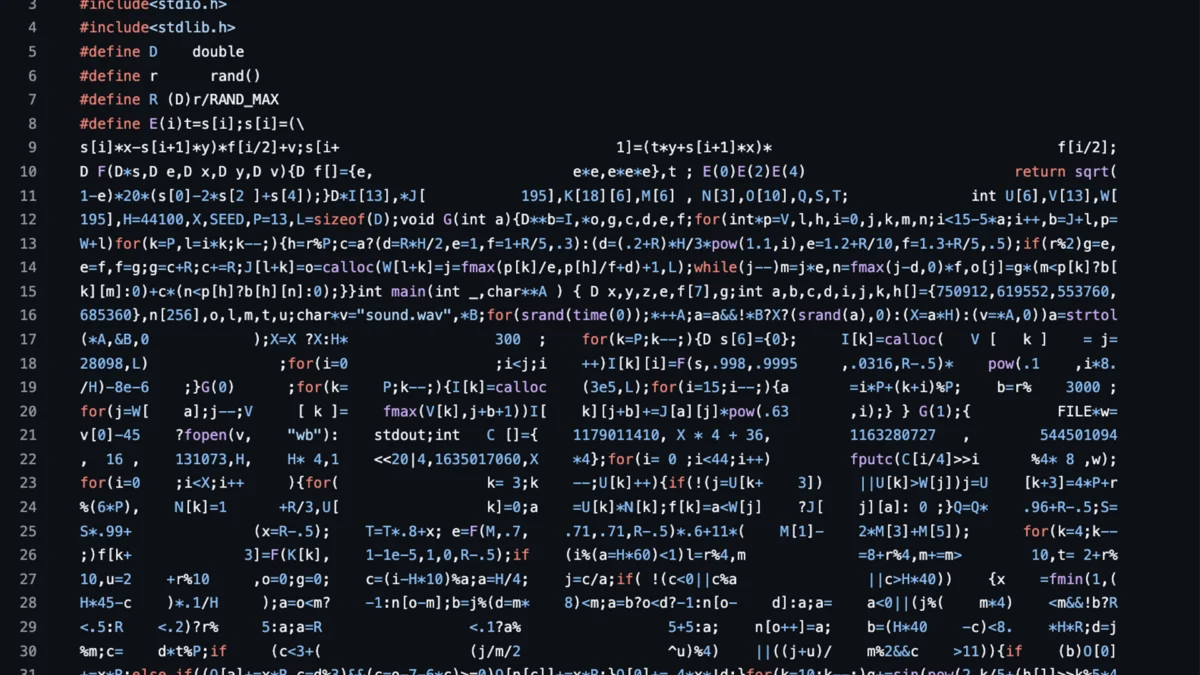
The basic idea is simple: write a program in C that compiles and runs properly, but whose purpose and means of operation are as difficult as possible to figure out by looking at the program’s source code. And boy, do people write some crazy-looking code. Here’s an example from this year’s competition: © IOCCC The above is one of this year’s winners, and if you can take a look at it and figure out what it does, you get all the gold stars. So what does it do? Glad you asked! It creates a pretty nifty simulation of a Lichtenberg figure:
© Gizmodo A few months back, security researcher and YouTuber LaurieWired posted a video about last year’s competition in which she used a decompiler to pull apart the binaries of various entries and then tried to predict what they actually did. Her success rate was about 50%, and that’s working from the decompiled programs, not the actual code. If she’s only batting .500, you can bet that the rest of us are going to be hovering around .000.