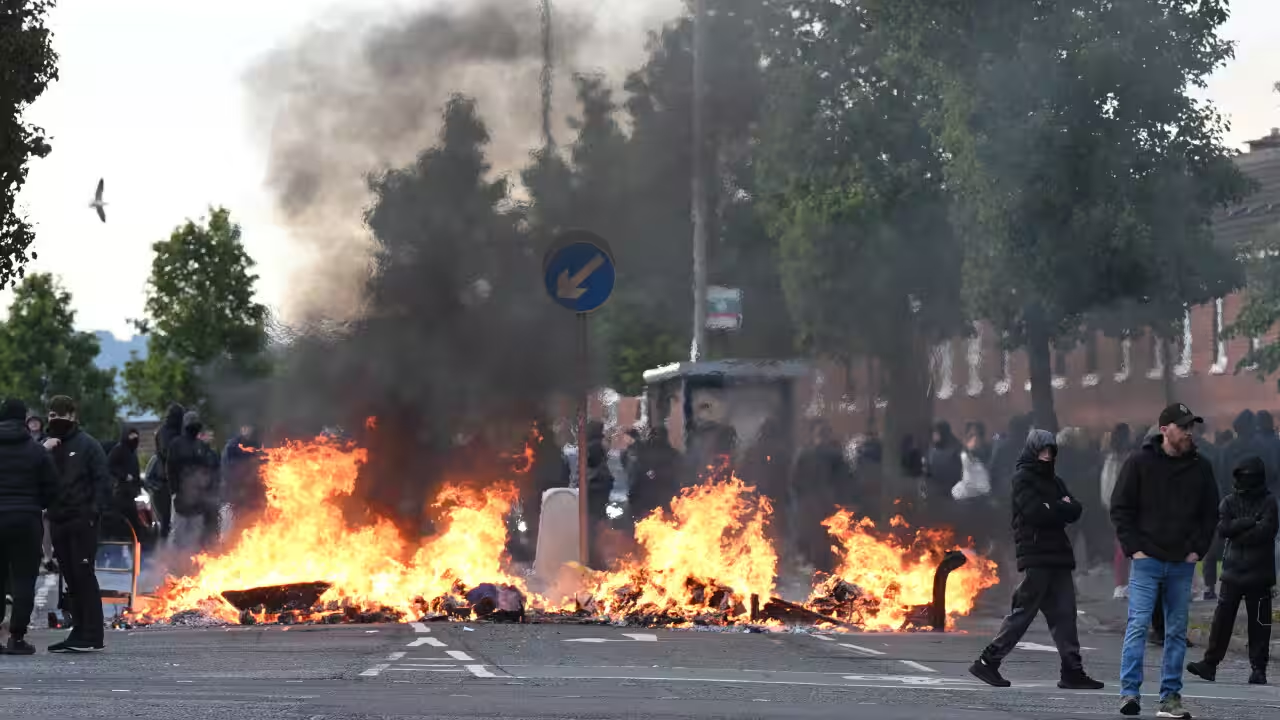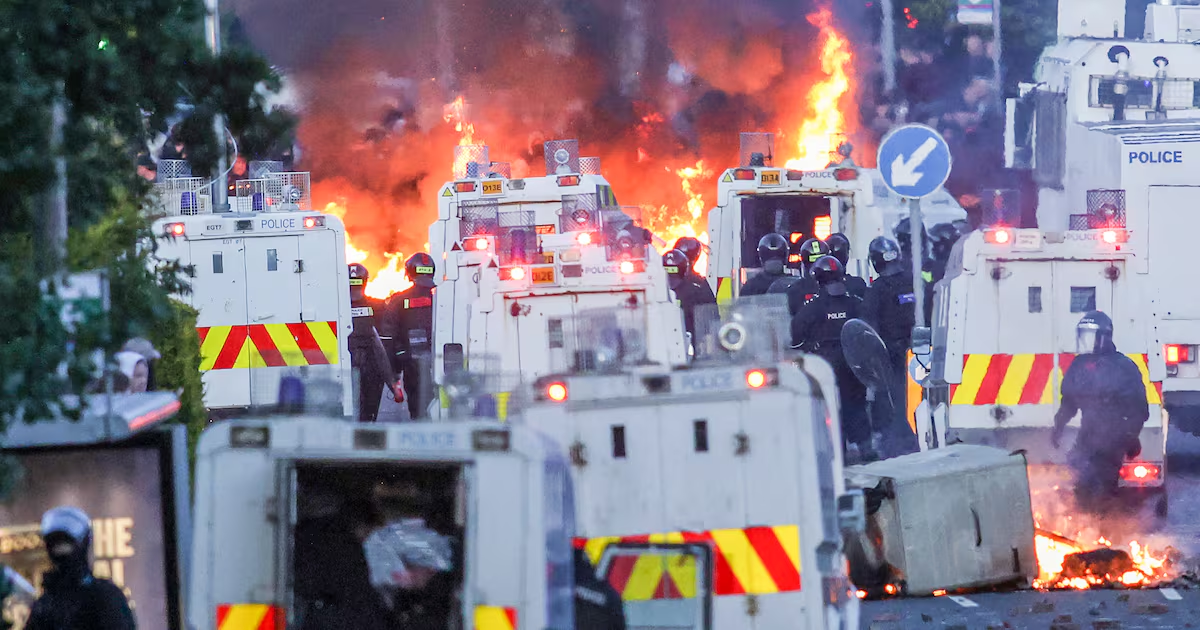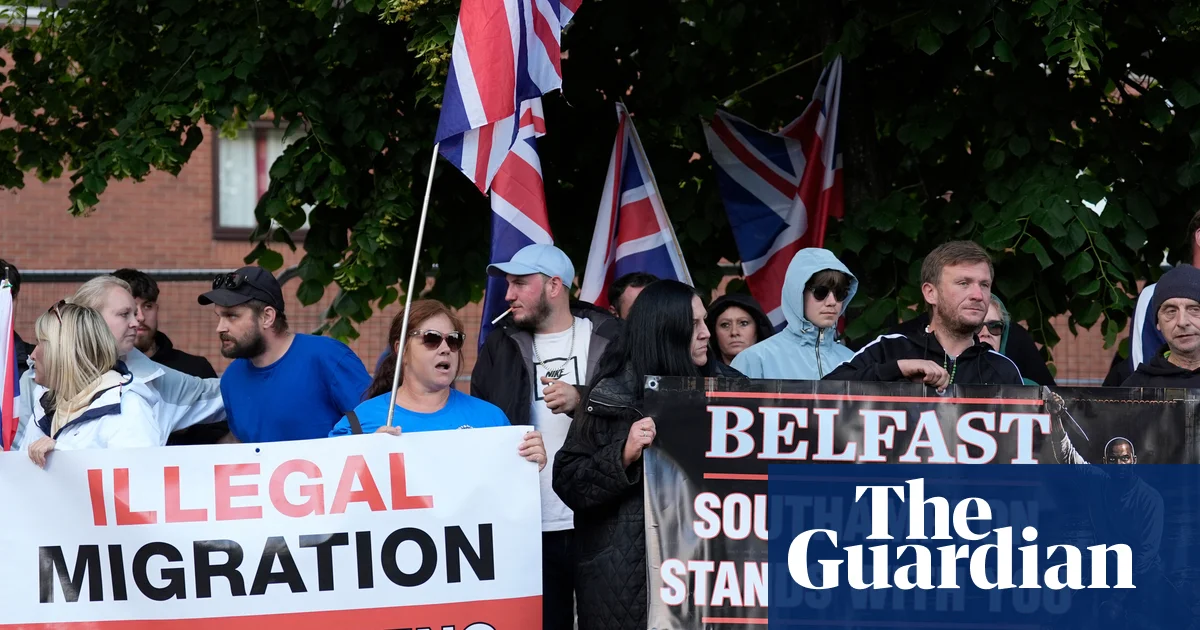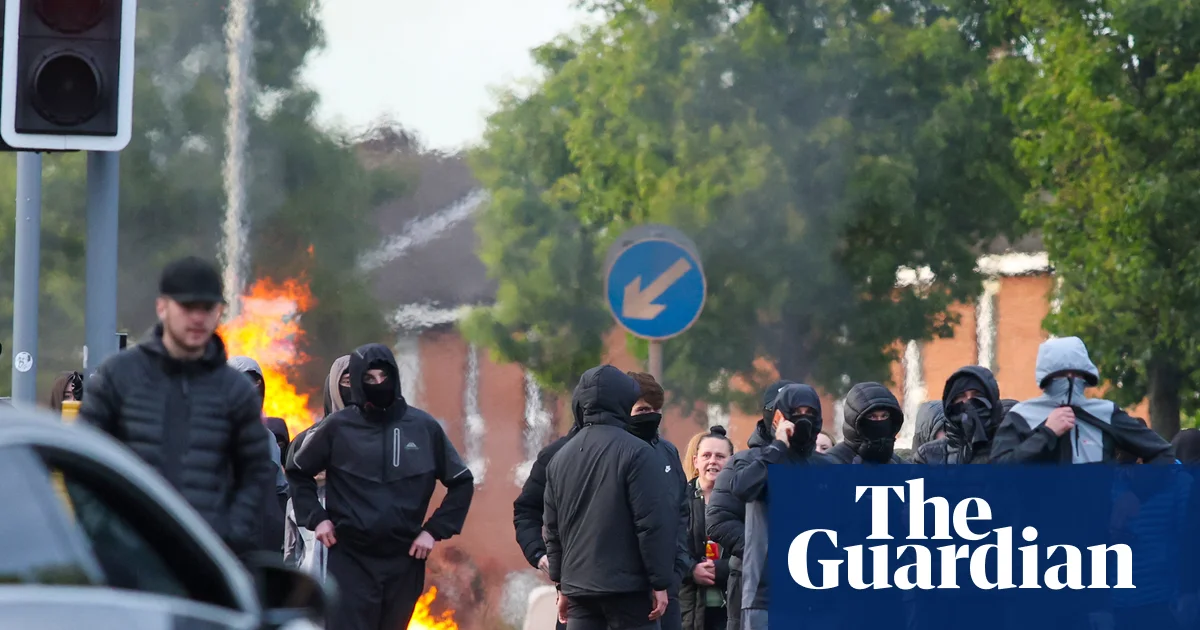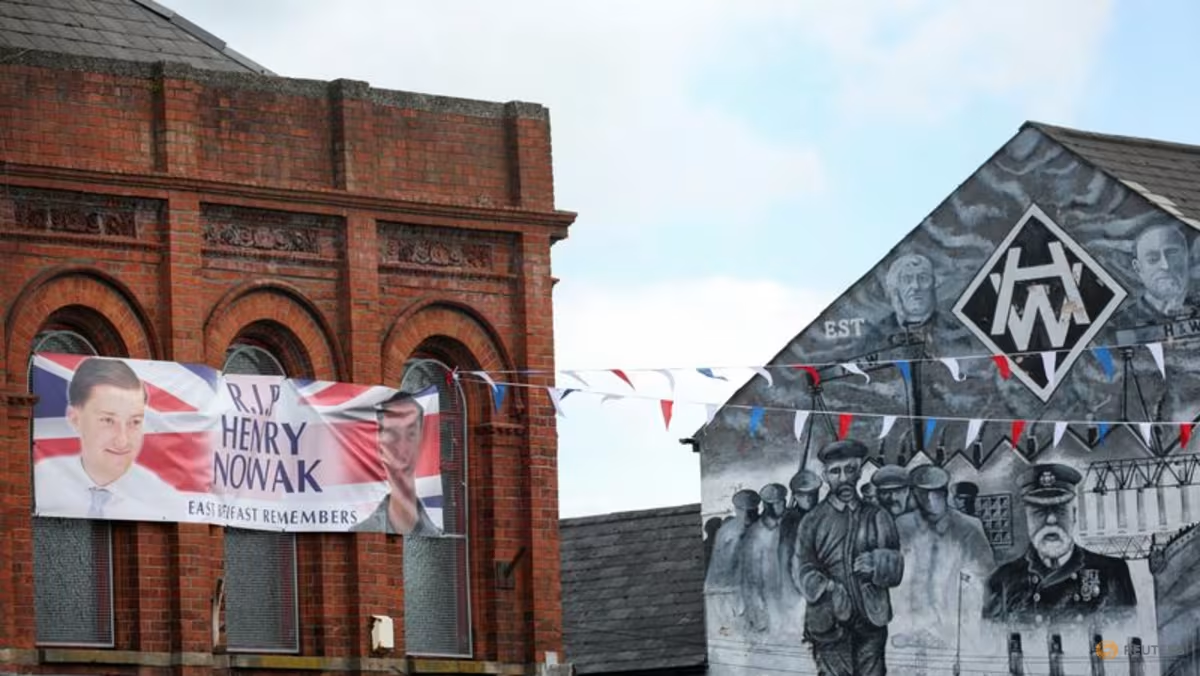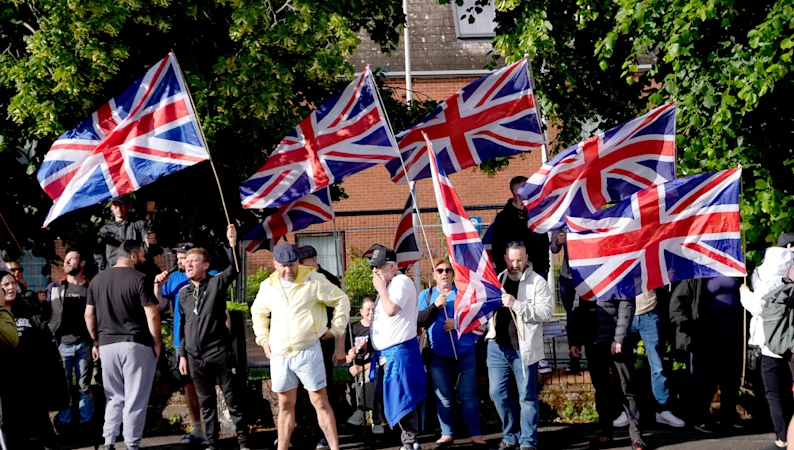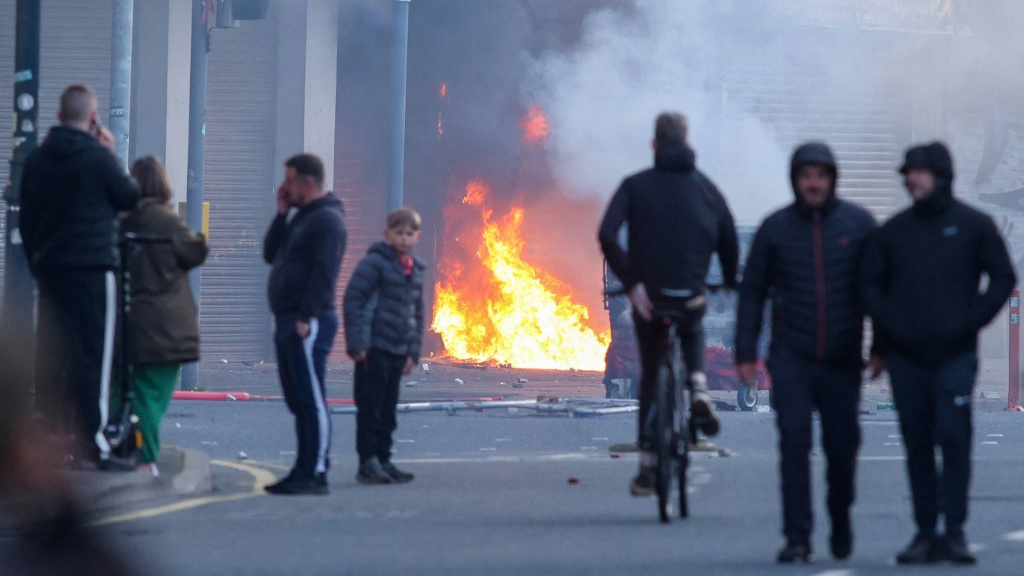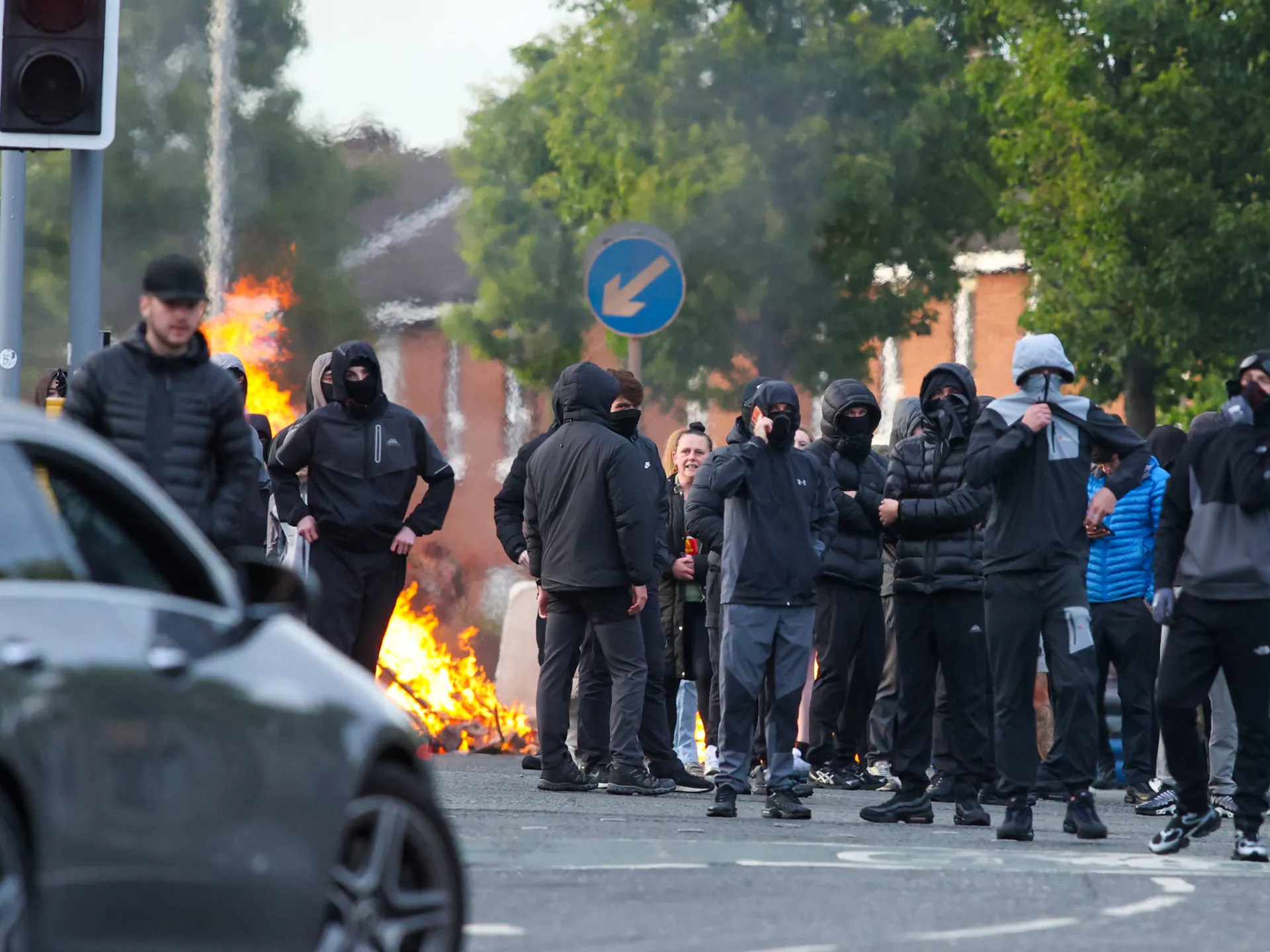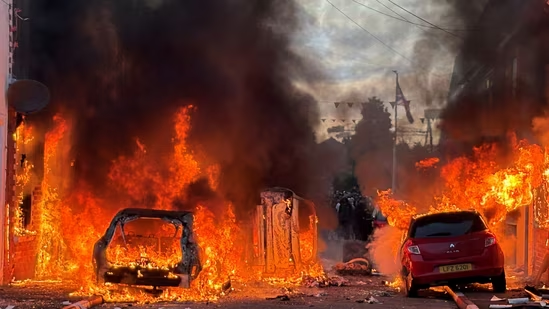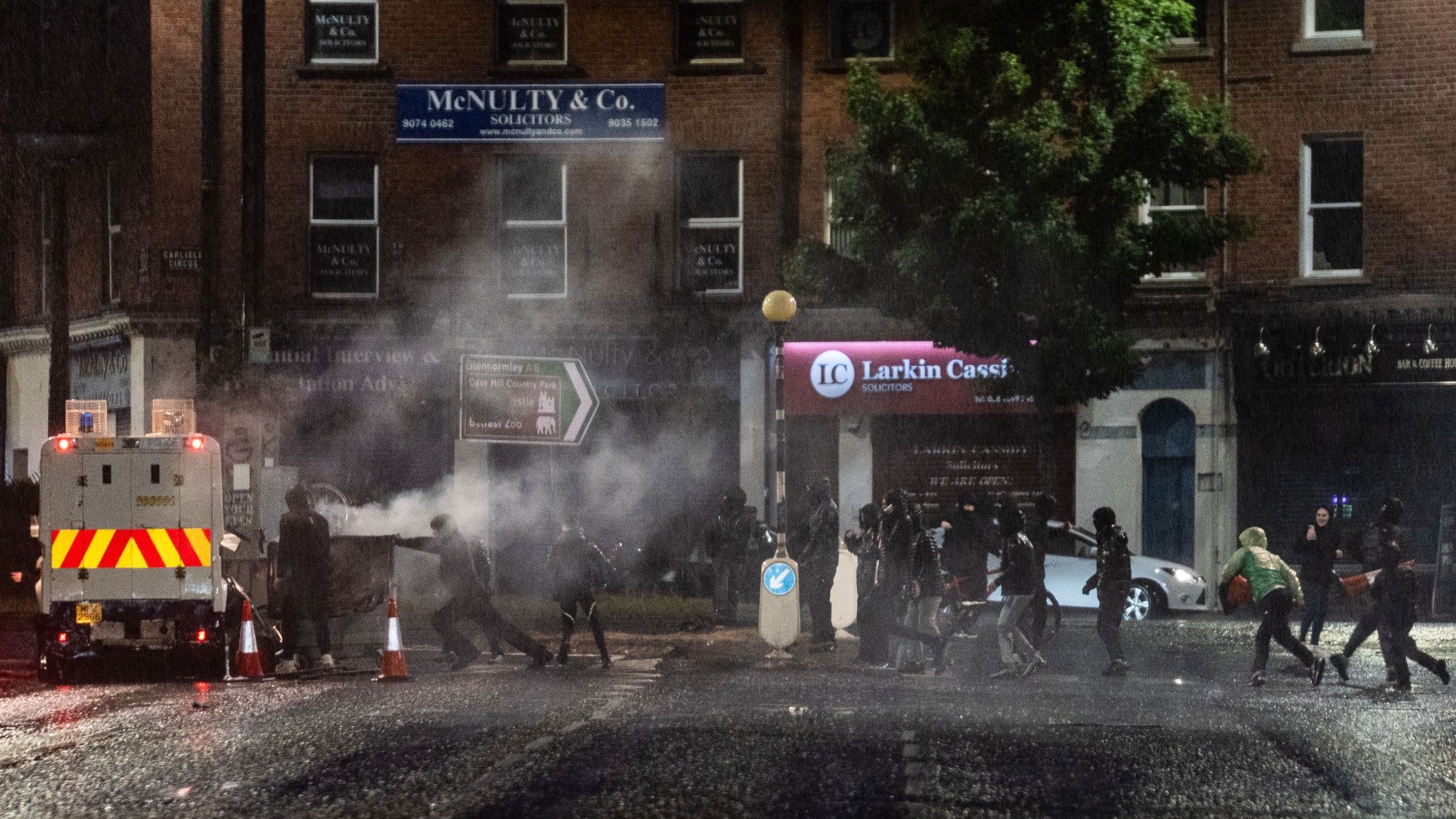
The horrific attack on Stephen Ogilvie in Belfast on Monday night was captured on a phone. Within hours, that video was circulating on the sprawling world of far-right online channels that have become the primary information infrastructure for Britain’s nativist movement. There, the attack was stripped of any context, supercharged with outrage, and transformed into a rallying cry. By the following day, the machinery was running, and Belfast’s streets burned.
Inevitably, politicians are now calling for social media companies to take responsibility. On Thursday, Northern Ireland Secretary Hilary Benn condemned companies hosting disinformation, illegal content and residential addresses intended for targeting during riots.
But the task of muzzling the murky ecosystem of alternative online media that fuels protests would be considerable, not least because it exists as a decentralised, amorphous web of interconnected nodes comprising influencers, far-right organisations and self-styled citizen journalists, who mobilise crowds and sow hatred.
Shorts
This week it was at work in Northern Ireland but analysis shows stark similarities between earlier violent episodes in Surrey, Southampton and Epsom – where I live.