The case is linked to the edtech company’s disputed $1.2 billion term loan and ongoing legal proceedings involving lenders across multiple jurisdictions
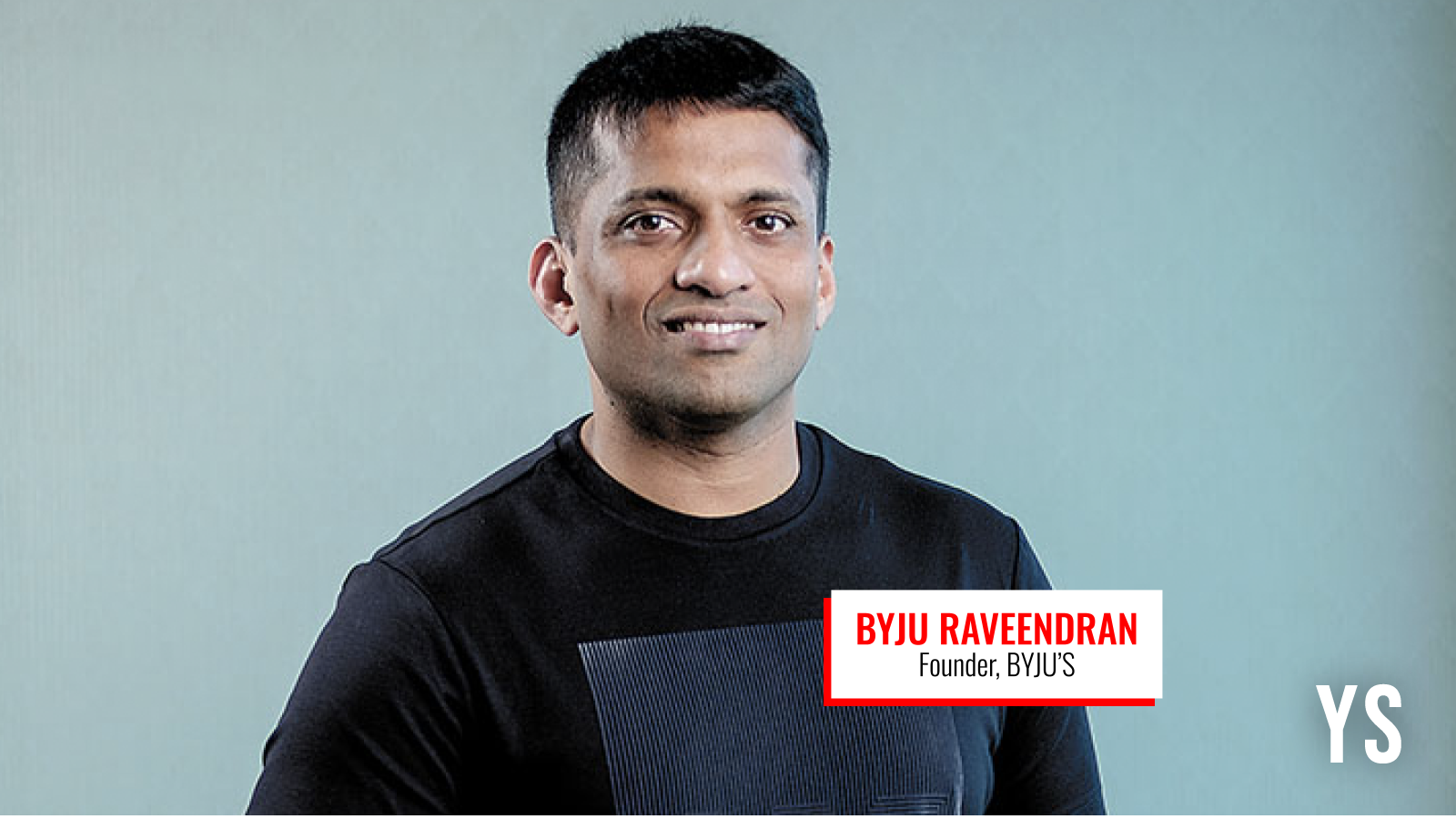
Embattled edtech Byju’s founder Byju Raveendran has secured temporary relief from a Singapore court after the General Division of the High Court of Singapore granted a stay on the committal and surrender provisions of its civil contempt order issued on May 25, 2026.The stay, granted on June 10, means that Raveendran is not required to surrender to authorities, and no term of imprisonment will take effect while his appeal is being heard.The development comes amid an ongoing legal battle linked to the edtech company’s disputed $1.2 billion term loan and related arbitration proceedings.Raveendran challenges contempt orderRaveendran has also filed an appeal against the contempt finding, arguing that the underlying orders and disclosure obligations remain contested and are themselves subject to separate proceedings seeking to set them aside.In a statement issued on Thursday, the company and its legal representatives said media reports suggesting that an arrest warrant had been issued against Raveendran were inaccurate. According to the statement, the original May 25 order only required him to appear before the court on June 15 and did not involve any arrest warrant.“There was an absolutely incorrect public narrative created post the selective verbal leak of the earlier order by the Singapore Court falsely claiming an arrest warrant had been issued against Mr. Raveendran,” said J. Michael McNutt, Senior Litigation Advisor to Raveendran and the founders at Lazareff Le Bars.Legal team denies allegations of wrongdoingMcNutt described the matter as a civil contempt proceeding arising from a contractual dispute related to a loan guarantee provided by Raveendran for Think & Learn, Byju’s parent entity. “There is no criminal charge against Mr. Byju Raveendran in that respect. It is not a finding on the merits of the underlying dispute, and it is certainly not a finding of fraud, dishonesty, diversion of funds, or personal wrongdoing. No court, in any jurisdiction, has made such a finding against Mr. Raveendran,” he said.Commenting on the latest court order, McNutt added that the stay was “a significant step in ensuring that the matter is examined fairly and in the correct legal context,” adding that the legal team would continue to pursue remedies to overturn the civil contempt finding.Raveendran says he will contest ‘misleading narrative’Raveendran said he remains committed to contesting what he described as a misleading narrative surrounding the case.“I welcome the stay granted by the Singapore Court. At a time when parties have been engaged in settlement discussions, it is unfortunate that a misleading impression of wrongdoing is being created. I remain committed to correcting this narrative through the appropriate legal process,” he said.The Byju’s founder also reiterated that neither he nor the company’s founders personally benefited from the disputed funds. “Neither I nor any of the founders personally received any portion of the disputed funds. On the contrary, my family and I have put over ₹5,000 crore of my personal wealth back into the company,” he said.Dispute linked to $1.2 billion loanThe legal dispute stems from the fallout of Byju’s $1.2 billion term loan B facility raised in 2021, which later became the subject of litigation and arbitration involving a group of lenders. The lenders have alleged irregularities in the transfer and use of loan proceeds, allegations that the company and its founders have consistently denied.Multiple proceedings related to the loan are underway across jurisdictions, including the United States, India and Singapore.Byju’s continues restructuring amid legal battlesOnce valued at $22 billion, Byju’s has faced a series of challenges over the past three years, including delayed financial reporting, governance concerns, investor disputes and mounting legal battles. The company has been undergoing restructuring efforts while simultaneously contesting claims made by lenders and other stakeholders regarding the management of its finances and assets.Published on June 12, 2026