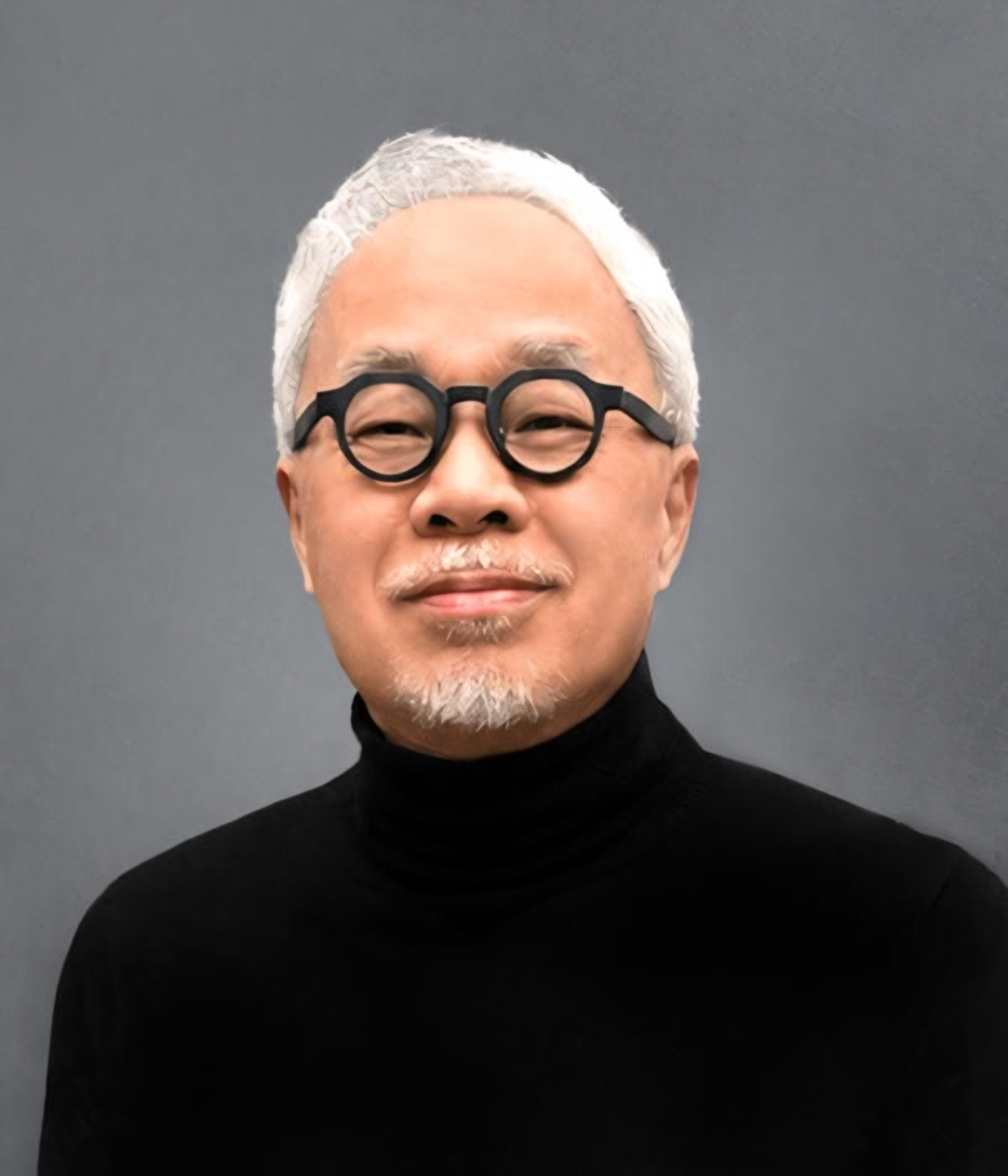
Samsung Electronics’ foundry chief Han Jin-man (Samsung Electronics) Samsung Electronics’ foundry chief Han Jin-man said Friday the company’s contract chipmaking business is unlikely to turn profitable next year, making 2028 a more realistic target for a turnaround.Han, president and head of Samsung Electronics’ foundry business under its Device Solutions division, made the remarks during a management briefing for employees held both online and offline, according to industry sources.“Turning the foundry business profitable next year does not look easy,” Han said during the session.Han cited a mix of cost burdens and structural weaknesses behind the continued losses expected this year and next year. They include expenses related to special performance-based incentives, delays in reducing the business’ reliance on mobile clients, insufficient technology readiness, low-margin orders and shortcomings in the company’s strategy for mature, or legacy, process nodes.“Ultimately, management is responsible for the losses,” Han said, stressing that the division needs to improve its business fundamentals and restore profitability.On compensation, Han said a recovery in business competitiveness should come first, but added that management would seek to raise rewards to levels employees can feel once the division starts delivering tangible results.Han also addressed Samsung’s 8-inch foundry business, which remains profitable but faces intensifying competition.“The market has become increasingly crowded and price-driven,” Han said, explaining that Samsung plans to gradually wind down the 8-inch operation.Some customers secured during the COVID-19 pandemic had been signed at relatively low prices, according to Han, while recent customer wins were coming with better profitability.Samsung’s foundry business has been trying to regain momentum by securing higher-value orders in artificial intelligence, automotive chips and advanced process technologies. The company has secured orders related to Groq’s third-generation language processing unit for high-speed AI inference, as well as automotive system semiconductors for autonomous driving platforms.Nvidia's Groq 3 chip is being produced on Samsung’s advanced 4-nanometer process at its Pyeongtaek campus in Gyeonggi Province, with shipments targeted for the third quarter.Samsung also secured a 22 trillion won ($14.5 billion) order from Tesla last year to produce AI6 chips for the US electric vehicle maker’s sixth-generation autonomous driving system. The AI6 chips are expected to be manufactured on Samsung’s 2-nanometer process at its new foundry plant under construction in Taylor, Texas.“As head of the business, I feel a heavy sense of responsibility,” Han said. “We have the technology and execution capability needed to regain our competitiveness. I ask everyone to trust one another and work together.”
Samsung foundry chief sees profit turnaround in 2028
Samsung Electronics’ foundry chief Han Jin-man said Friday the company’s contract chipmaking business is unlikely to turn profitable next year, making 2028 a mo
TL;DRAI
Samsung foundry chief delays turnaround to 2028 citing cost burdens and technology maturity gaps across process nodes. Tesla's $14.5B 2nm AI6 order and Groq GPU contracts target AI/automotive, but extended timeline signals execution risks versus TSMC.
404 words~2 min read