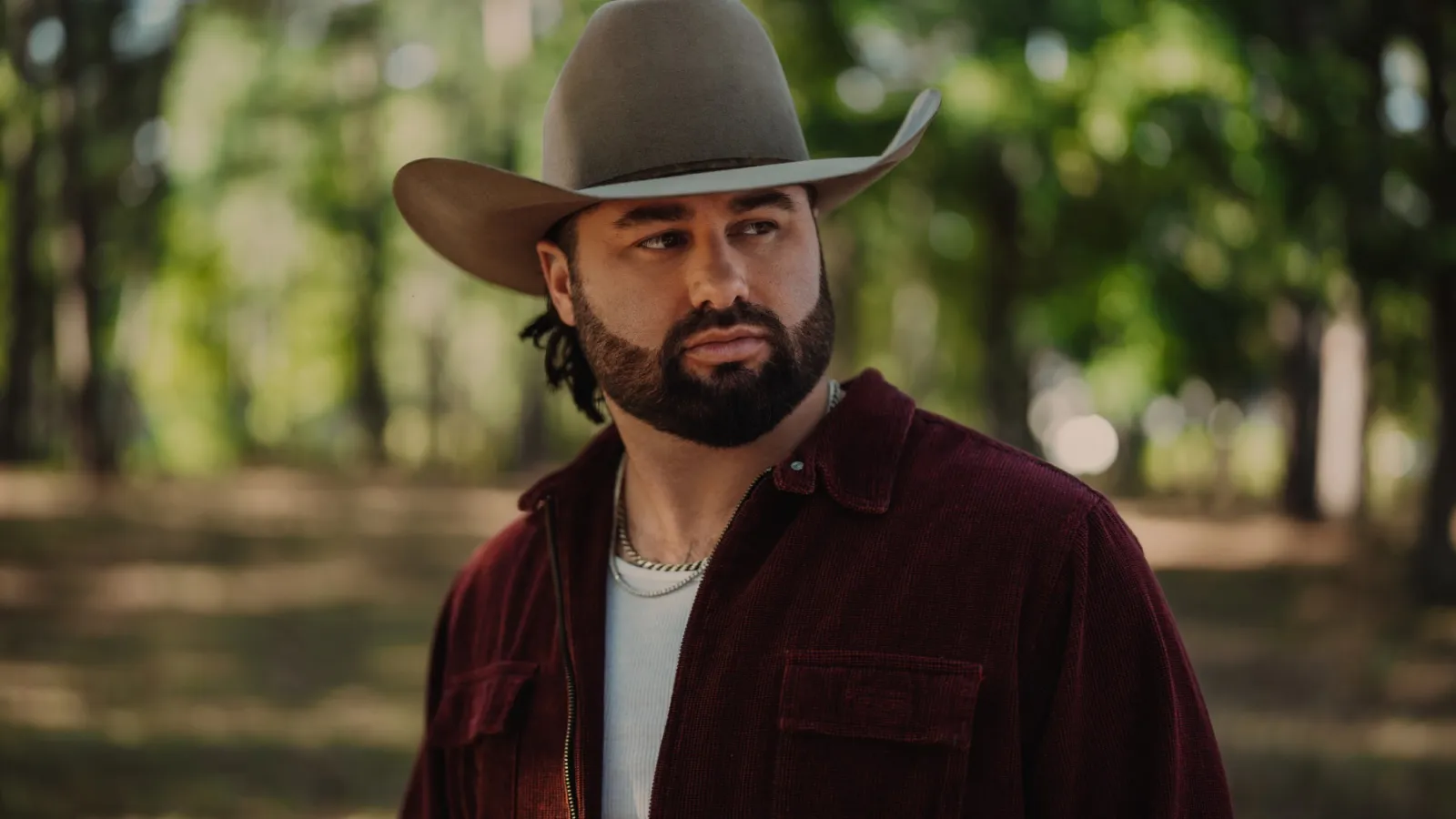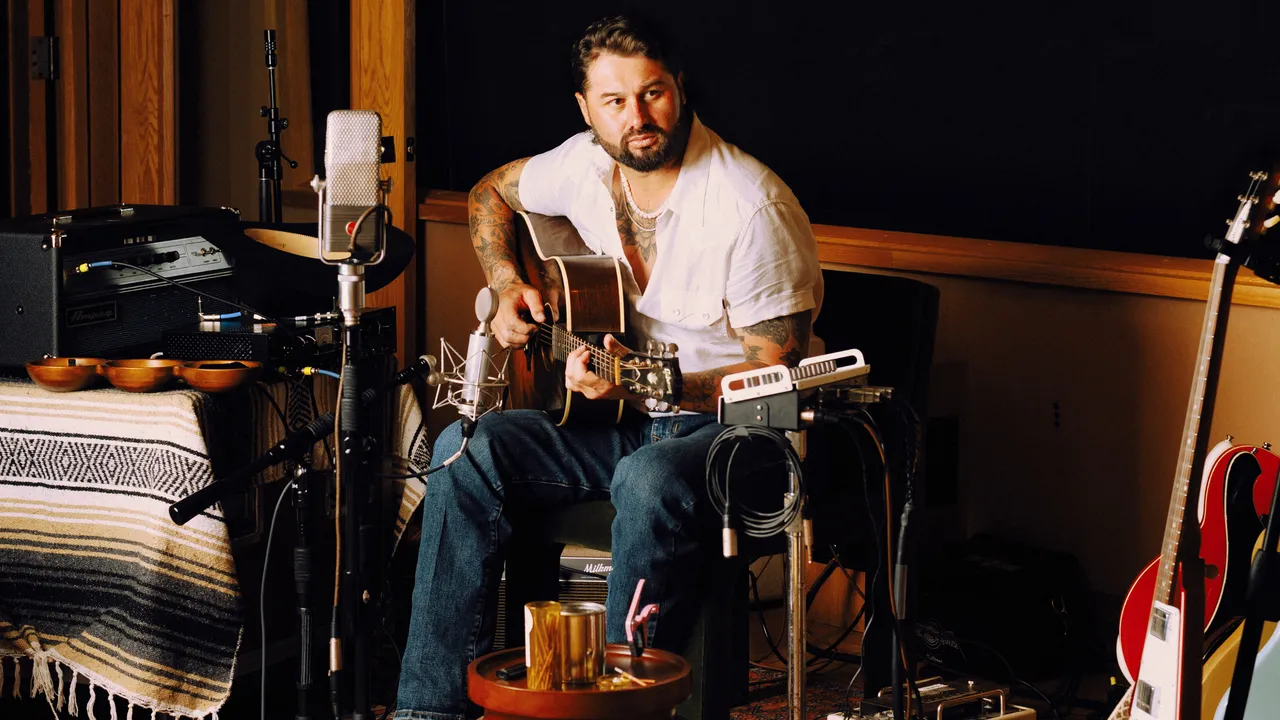
About a decade ago, an aspiring rock star from Texas named Koe Wetzel had the mixed fortune of writing a song that stuck to him. The verses chronicled one of the most miserable nights of his life, which involved a handle of cheap vodka and an ill-advised food run in his pickup truck; it ended with him face down in a field, where he was arrested for public intoxication. In the refrain, a drunken question from that night was reborn as a surprisingly euphonious lyric, one that crowds now howl back at him at every show he plays: “Who is sober enough to drive me to Taco Bell?” Wetzel called the song “February 28, 2016,” after the text under his mug shot. It became a fan favorite, helping Wetzel and his band sell out increasingly large halls, especially but not only in Texas. And his fans began observing Koe Wetzel Day every year, sending him messages in early March to tell him about the hell they’d raised in his honor.“I fucking hate that song, dude,” Wetzel told me, sitting on his tour bus. “On a craft level, I like it. But what it represents—like, I’m not the same person anymore.” It was February 27th, the day before his holiday, and he had returned to his home town for a surprisingly wholesome celebration. Wetzel grew up in Pittsburg, in East Texas, where his father ran highway-construction crews, and this year a good chunk of the local population turned out to honor him. At a ceremony downtown, the mayor presented Wetzel with a key to the city and unveiled a mural depicting him in a cowboy hat, flanked by a guitar and his old high-school football jersey. “We’re doing this for tomorrow, for the uniqueness of February 28th,” the mayor said—a delicate way of acknowledging that the day of civic pride had been inspired by a night of debauchery. After the ceremony, Wetzel led a procession to Pittsburg Hot Links, a beloved sausage restaurant, trailed by high-school cheerleaders and a marching band. He held his baby daughter, Woods, who, he said, inspired him to avoid the kind of night that might require police intervention. “I’ve got responsibilities now,” he told me. “Back then, I didn’t have any.”Wetzel’s personal evolution has accompanied a professional one. His group, which was originally called Koe Wetzel and the Konvicts, started out as a bar band, known for giving local audiences what they wanted, which was a mix of Texas country music and bare-bones rock and roll. He found ways to maintain this no-frills approach even as the stages got bigger. One of his songs is called “FGA,” which is an exhaustive list of the chords it requires: F, G, and A minor. Bar bands in Texas have been playing rowdy rock music for generations, but Wetzel’s brawny and sometimes bleak version of it reflected the influence of Nirvana and other grunge bands he loved as a kid. Often, he wrote songs about melancholy outlaws. “Forever” begins by introducing us to an antihero—“Well, I left town with a chip on my shoulder / Toting twenty-seven dollars’ worth of cheap cocaine”—but ends up more interested in the woman who tells him, in the chorus, “If you want, I can just stay with you forever.”As Wetzel’s audience grew, he signed to Columbia Records, and occasionally found himself booked to play festivals alongside country singers who were popular in a different way: they didn’t sell as many tickets as he did, but their songs were much better known. This is the power of country radio, and Wetzel began to wonder whether he, too, might find a way to harness it. He knew that fans back home might not like the change. “Whenever Texas artists make that jump to mainstream, it kind of deteriorates them a little bit in Texas,” he said. But he began travelling to Nashville, and eventually fell in with Gabe Simon, a songwriter and producer who is best known for his work with the folk-pop star Noah Kahan. Wetzel came to see collaborative songwriting as a way not to mute his point of view but to sharpen it. “High Road,” a scornful breakup song, was written with a team that included Simon and the pop songwriter Amy Allen, and featured a verse by the country-influenced pop singer Jessie Murph. It’s a rock ballad, but it was so popular online that label executives thought it could become a country hit, and Wetzel agreed to make a small but significant revision, recording a radio-friendly version in which “I don’t need a ticket to your shit show” became “I don’t need a ticket to your freak show.” This experiment worked better than anyone could have predicted: in late 2024, the song went to No. 1 on country radio and stayed there for five weeks; it was the most-played song on country radio in 2025.Wetzel’s new album, “The Night Champion,” is his chance to introduce himself to some new fans and maybe reintroduce himself to his old ones. It was mainly produced by Simon; he also helped write most of the songs, along with Carrie K, a Nashville songwriter, and Josh Serrato, Wetzel’s longtime guitarist and friend. “The Night Champion” is a recognizably country album, and Columbia Records is encouraging radio stations to play “Hurts Like You,” a country-rock song about a man who realizes he’d rather suffer a tumultuous relationship than suffer alone. The Nashville approach prioritizes clear story lines and catchy refrains. Wetzel sings, “Drag me through the dirt like you always do / I can take the pain if it hurts like you,” and the brisk tempo suggests that this might be a love story, after all. (As it happens, Wetzel announced his engagement to his longtime girlfriend this past April.) Fans who miss the old Koe might be somewhat mollified by “Nowhere Fast,” a snarling rock song that gives Wetzel a chance to hyperventilate into a harmonica and sing about being sick of just about everything: “Maybe try something new / Fuck a bitch with a face tattoo / Anything right now will do / ’Cause I’m bored straight outta my mind.” Perhaps Wetzel is already thinking about a radio-friendly alternate line. Make a friend with a face tattoo?It is a good moment, apparently, for Texas rock and roll. One of the TikTok accounts celebrating Koe Day this year belonged to Dexter and the Moonrocks, a band from Throckmorton, west of Dallas, which has cited Wetzel as an influence and is responsible for perhaps the year’s most viral rock hit: a fuzzy, slow-motion song called “Freakin’ Out.” (The band has described its sound as “Western space grunge.”) Last month, Dexter and the Moonrocks released a song titled “12 Steps,” featuring another Texas act, Treaty Oak Revival, from Odessa, known for a strikingly pretty combination of loud guitars and twangy singing; the band spent part of 2024 as the opening act for Wetzel, who, at the age of thirty-three, is starting to seem like an elder statesman of this scene. He celebrated February 28th this year in Fort Worth, at Koe Wetzel’s Riot Room, a bar he owns. (There is also one in Houston.) It’s big, but not nearly big enough for the crowd that Wetzel draws, so he shut down the street and built a stage on it, and fans filled the block. “Ten years is a long time to be doing this shit,” he told them, with a smile. “Thank you for coming out to celebrate the night that I went to jail.” Wetzel told the audience that he had recently spoken with the police officer who’d arrested him that night, and that he’d turned out to be “a really great guy.” And then he headed offstage and downstairs to a private basement bar, where dozens of family members and friends seemed ready to celebrate with him for as long as he could keep the party going. ♦
The Hell-Raising Rocker Who Conquered Country Radio
Koe Wetzel, who broke out with a song about driving drunk to Taco Bell, reintroduces himself on a new album, “The Night Champion.”
1,322 words~6 min read