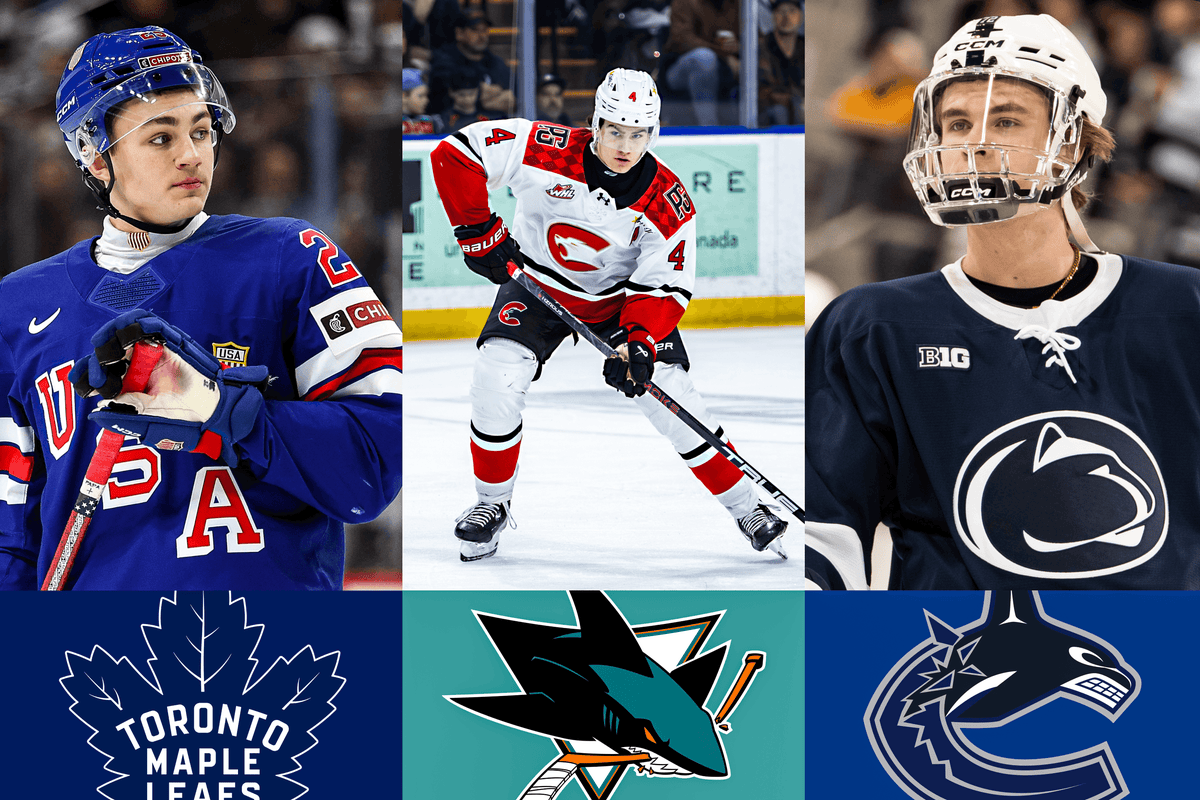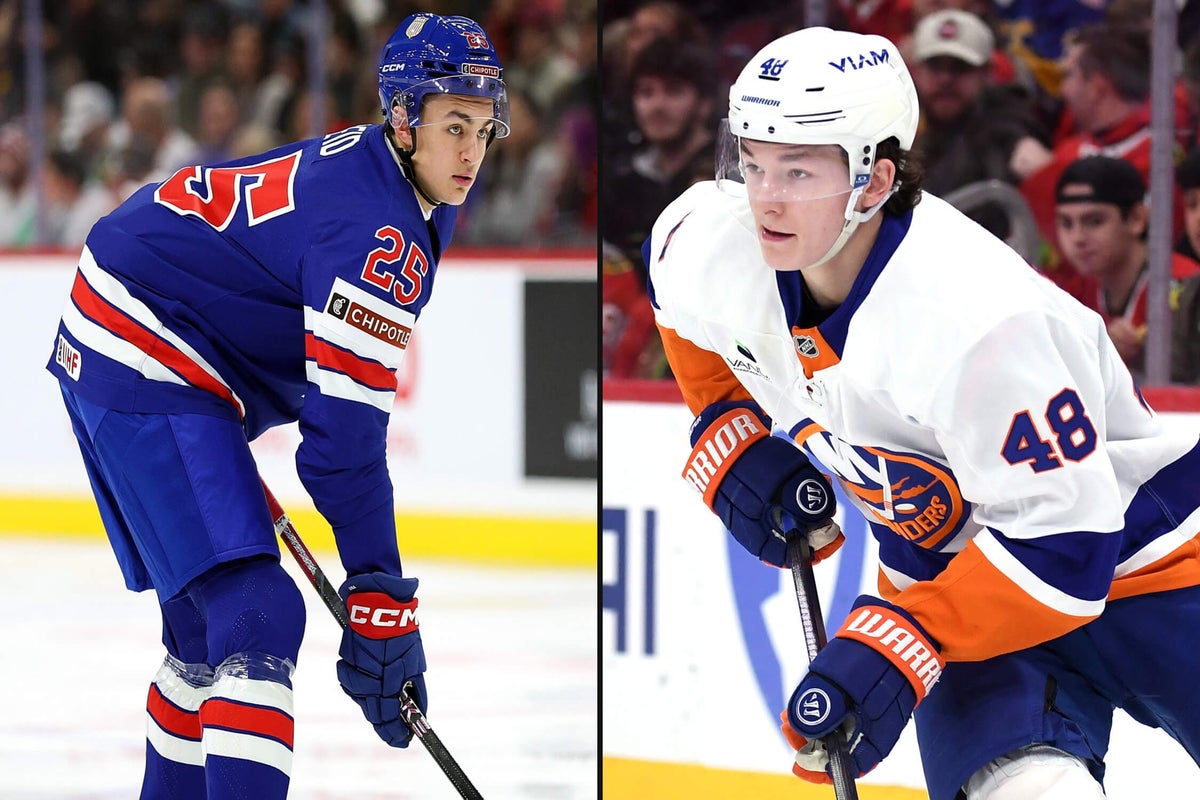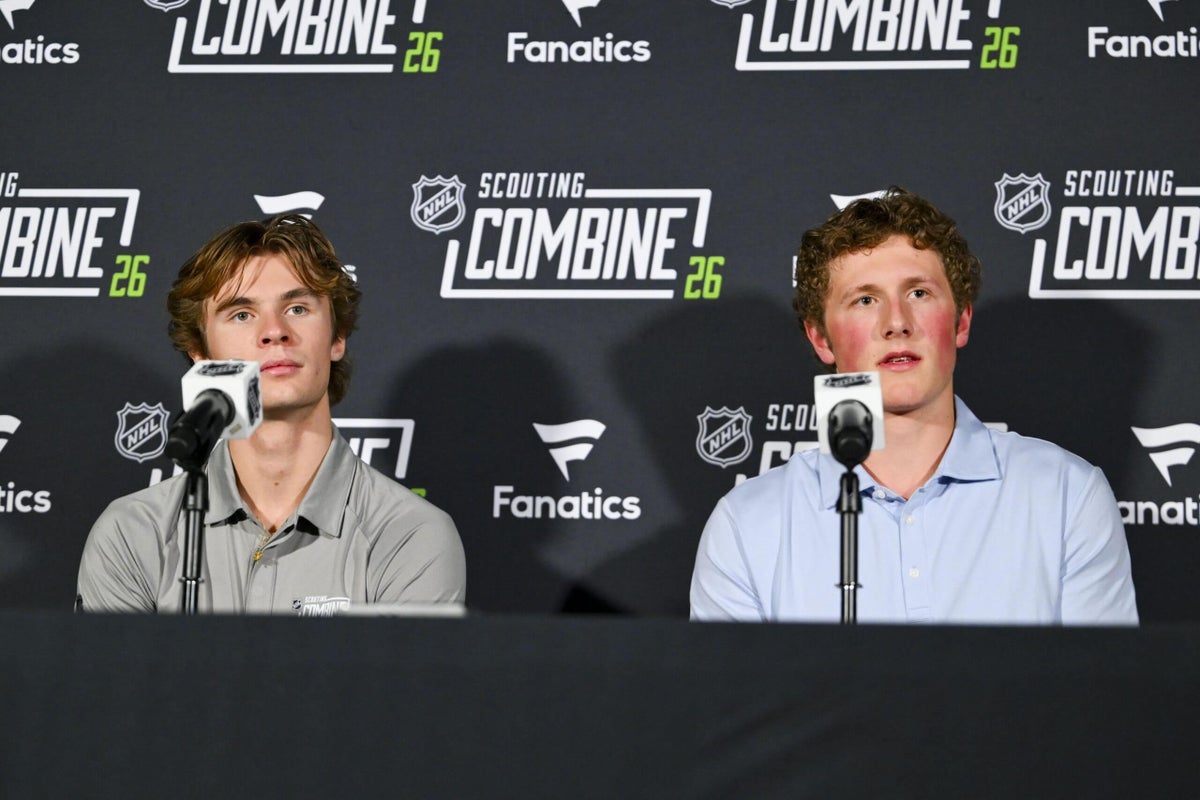
You’ve seen their rankings. You’ve read their evaluations. Now, it’s time to hear The Athletic’s NHL prospect writers debate each other.Today, Corey Pronman and Scott Wheeler go head-to-head on the players and topics they most disagree about in the 2026 NHL Draft. You can judge the arguments for yourself, but the real value in this exercise is hearing the cases for each side on each of these debates.How big is the top tier of players in this class? Does Gavin McKenna belong at No. 1? These are questions that could define the draft, and this conversation between Corey and Scott is a window into the different perspectives driving them.Max Bultman: Let’s start here: You two define the top group of names in this class very differently. Scott, your most recent ranking has only two players in the top tier, Gavin McKenna and Ivar Stenberg. Corey’s top tier has five names.Why do McKenna and Stenberg stand alone?Scott Wheeler: It starts with what they’ve accomplished. From a pedigree standpoint, their body of work stands alone, and they’re the only two players who have done things (McKenna at his first U18s, in the WHL, etc., and Stenberg in the SHL and at men’s worlds) that put them in a historic all-time context as draft eligibles.I think it’s important to see that from a player when you’re picking them at the very top of a draft, and none of the D in this class have lived in rarified air like that. If Chase Reid, who is my third-ranked player, had had the kind of offensive production that Zayne Parekh, for example, had at the same age (well, actually, younger), and then he had the 6-foot-2.5 frame, and the skating, and the better defending than Parekh, then that’s how you go from No. 3 to No. 1 worthy. But he hasn’t done that.If you were to take one of these D at No. 1, I think you’re hoping you’re getting an Aaron Ekblad/Owen Power tier of player and not a Matthew Schaefer, Rasmus Dahlin, Cale Makar, Quinn Hughes tier of one. And as good as those two players are, in the history of No. 1 picks, they’re disappointing outcomes. I think McKenna has a clear path to finishing in a higher historical echelon in that fraternity.Then there’s the players, and from a skill standpoint, I also think we’re talking about the two most talented players in the class with McKenna and Stenberg (in that order), and so I think there’s another gap that presents there.Bultman: Corey, you have not only more players in your top group (McKenna and Stenberg, plus defenders Reid, Alberts Šmits and Keaton Verhoeff), but your most recent list has the three defensemen all above the two wingers, with Reid at No. 1.What makes those three blueliners compelling enough picks to take ahead of McKenna and Stenberg? And is McKenna’s offensive ceiling not enough to overcome some of the positional factors with wingers?Corey Pronman: I think all three players project as 22-24 minutes per game defensemen who can play on both special teams and be go-to guys at even strength, matching up with good players. Stenberg and especially McKenna have way more skill than them, but those defenders are also way more athletic and projectable to the NHL. If I felt like McKenna was going to be a 90-100 point threat regularly, it would get him over the hump for me, but I have his offensive projection a notch below.I agree with Scott that these aren’t typical No. 1 overall type of defensemen, but I would have McKenna/Stenberg 3 or 4 in last year’s draft and in next year’s draft too, based on my way too early projection of 2027. That’s just what this draft is, and I’ve actually compared it to the Power draft in 2021.Bultman: With McKenna, specifically, there has been huge hype for years. So, when you say this year is more like the Power draft, what changed that McKenna wouldn’t be seen as a special type of prospect?Pronman: I never really shared that opinion. If you go back to all my way too early previews of this draft class.Aside from his world U18s two years ago, I’ve never really walked away from a viewing thinking this guy is a freak/future elite NHL player. I could be wrong, but he’s a lot closer to someone like Will Smith (although better than Smith) as a player than Connor Bedard for me. His skill is elite, his brain is elite, but he’s a 5-foot-11 winger without great speed or compete. The number of guys with that athleticism/compete combination who become superstars is incredibly small.In terms of his season, he had a great season, but it’s fair to say it fell below expectations to a degree after how dominant a junior player he was. He basically did what Adam Fantilli did in the Big Ten, but not as a 6-foot-3, physical center (and McKenna had a way better World Juniors than Fantilli).Bultman: You mentioned McKenna having a clear path to become one of those elite NHL players. So first, how would you respond to Corey there? And second, since you have Stenberg tiered with McKenna, does that mean you believe Stenberg can similarly be an elite NHL producer?
Who belongs at the top of the 2026 NHL Draft? Pronman and Wheeler debate
The Athletic's prospect experts go head-to-head on the players and topics they most disagree about in the upcoming draft.
2,678 words~12 min read