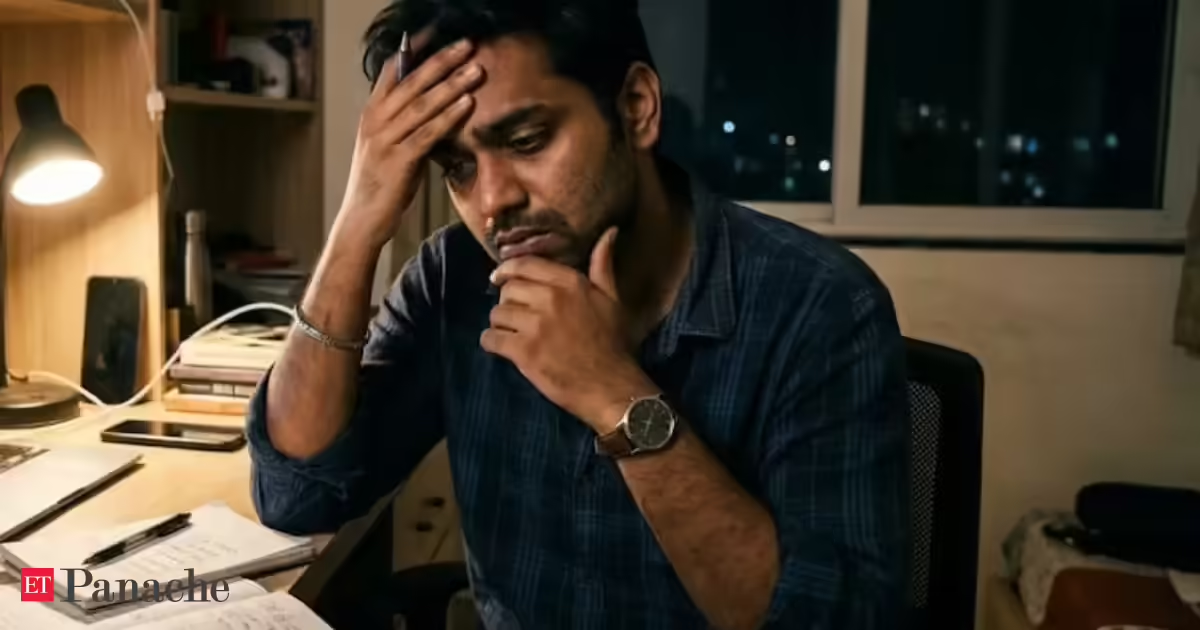
Most people have experienced it at some point: lying awake at night, replaying problems that have not even happened yet. The mind races through worst-case scenarios, imaginary conversations and possible setbacks, leaving us exhausted long before reality arrives. That is why the proverb, “Worry doesn’t take away tomorrow’s troubles; it takes away today’s peace,” continues to resonate across generations. In a single sentence, it captures a truth many learn the hard way: anxiety often steals far more from the present than it protects us from the future.At first glance, the saying may sound simple, but its message is profound. It reminds us that worrying and problem-solving are not the same thing. When people worry excessively, they often convince themselves they are preparing for the future. In reality, they may be draining their mental energy on situations that never materialise. The challenges of tomorrow remain untouched, while today's peace, focus and emotional balance slowly disappear.The proverb suggests that uncertainty is a part of life. No amount of worrying can completely eliminate future difficulties. However, constant anxiety can affect our ability to enjoy the present moment and respond effectively when genuine problems arise. The deeper lesson is not that people should ignore their responsibilities or pretend everything will work out perfectly. Instead, it encourages a healthier approach: address what can be controlled today and avoid becoming trapped in endless cycles of fear about what might happen later.This idea was echoed by spiritual leader and motivational speaker Gaur Gopal Das in a video where he used a memorable analogy to explain how unchecked thoughts can affect well-being. He compared worry to khichadi being cooked in a pot. When food cooks in a pot, it can nourish and help a sick person recover. But when that same "cooking" happens endlessly inside the mind, even a healthy person can begin to feel unwell.The metaphor highlights how repetitive negative thinking can consume emotional resources. Problems that may have been manageable can start appearing larger and more threatening simply because they are constantly being replayed in the mind. How to stop negativity?Gaur Gopal Das also shared practical ways to stop what he described as "cooking stuff" in our minds.Avoid dwellingOne of his suggestions was to avoid excessively dwelling on problems, negative thoughts and difficult emotions. While acknowledging feelings is important, repeatedly revisiting them without taking action can create a cycle of stress that becomes hard to escape.Channel energy into constructive actionHe also encouraged people to channel their mental and emotional energy into constructive action. Rather than allowing worries to dominate the mind, that energy can be redirected toward solving problems, learning new skills, helping others or pursuing meaningful goals.Share or write your thoughtsAnother recommendation was to share thoughts and feelings with someone trustworthy or write them down in a journal. Expressing concerns can often make them feel more manageable and provide a clearer perspective on what is actually happening.Meaningful contentIn addition, he stressed the importance of consuming meaningful content and engaging in meaningful interactions. The information people absorb and the conversations they participate in can significantly influence their mindset. Positive influences can help create mental space for clarity, gratitude and resilience.Together, the proverb and Gaur Gopal Das's reflections point toward the same insight: worrying does not remove tomorrow's challenges. What it often removes is the calm, strength and clarity needed to face them. By becoming more aware of how our thoughts shape our emotional state, it becomes easier to protect the peace that exists in the present rather than to sacrifice it to fears about the future.
Indian proverb of the day: ‘Worry doesn’t take away tomorrow’s troubles, it takes away today’s peace’, timeless lesson on overcoming anxiety
Worrying about future problems steals present peace. Excessive worry drains mental energy on imagined scenarios. Spiritual leader Gaur Gopal Das compares unchecked thoughts to endlessly cooking khichadi. He suggests channeling energy into constructive action and sharing concerns. Meaningful content and interactions also foster clarity. Protecting today's peace is key to facing future challenges.
590 words~3 min read