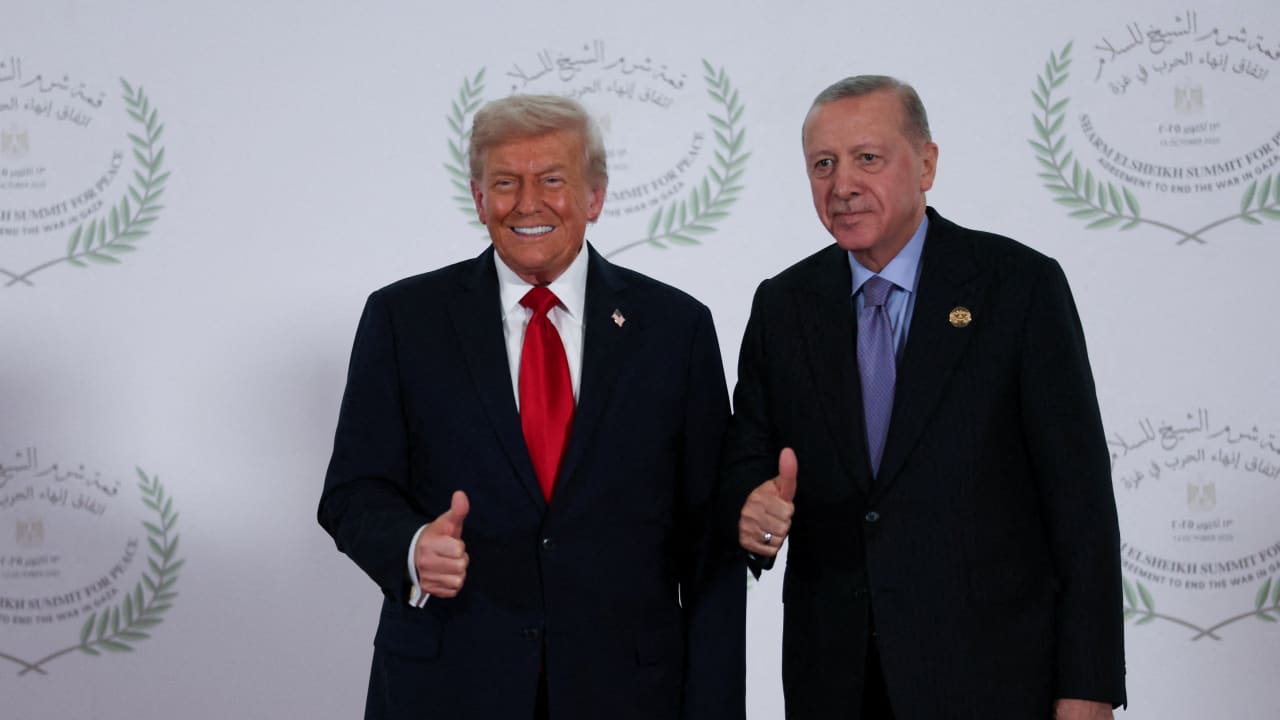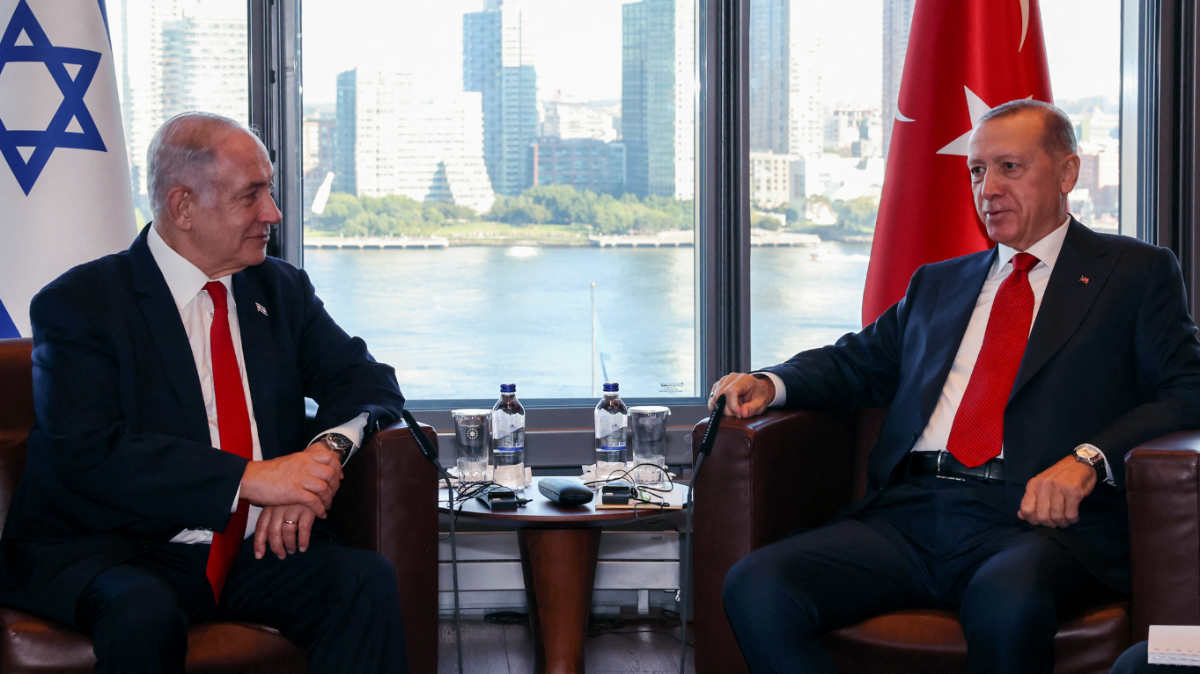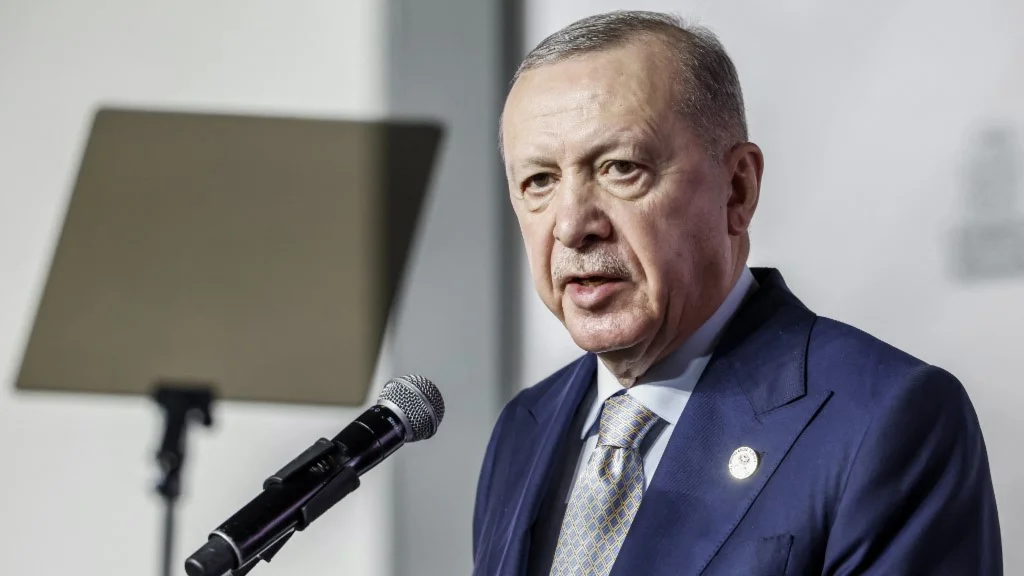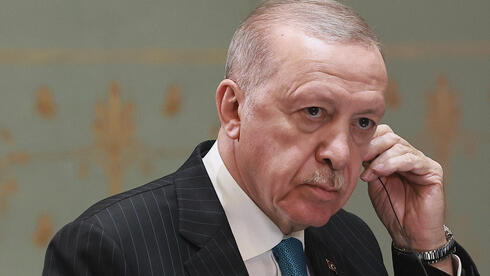
Exiled Turkish journalist claims Ankara is expanding emergency powers and military readiness as Israel becomes a central target, though experts caution moves may also reflect coup-prevention efforts; 'Probably trying to find allies here in Israel' Related TopicsTurkish exile journalist Abdullah Bozkurt, founder and editor of the investigative website Nordic Monitor, claimed in an article that President Recep Tayyip Erdogan’s government is taking steps that suggest gradual preparation for a possible war scenario, with Israel emerging as a potential central target.According to Bozkurt, Ankara has not formally declared Israel an enemy. But he argued that regulatory changes, expanded presidential emergency powers, accelerated missile and drone development and harsher anti-Israel rhetoric from Turkish officials point to a shift in which Israel is increasingly portrayed as a major security threat to Turkey.2 View gallery Turkish President Recep Tayyip Erdogan (Photo: Vladimir Smirnov, Sputnik, Kremlin Pool Photo/AP)Bozkurt said one of the most significant steps was a presidential regulation that took effect in May 2024, greatly expanding the state’s authority to mobilize civilian resources, private companies, transportation assets and citizens with special skills for war or crisis. He said the rules allow Turkey to move quickly into emergency footing even without a formal declaration of war.The article also said that after the failed 2016 coup attempt, Erdogan carried out a broad purge of Turkey’s military leadership, removing or arresting thousands of officers, including many viewed as pro-Western and pro-NATO. Bozkurt argued that the purge strengthened Erdogan’s grip over the security establishment and reduced internal resistance to his strategic decisions.The report also said Turkey has deepened ties with Hamas in recent years, allowed its operatives to work from Turkish territory and granted Turkish citizenship to some of them. It claimed Ankara has cracked down on Israeli activity inside Turkey while turning a blind eye to jihadist elements and Iranian networks operating in the country.Bozkurt assessed that if Erdogan decides to pursue a direct confrontation with Israel, the most likely theater would be Syria, where Turkish and Israeli forces operate in overlapping areas with competing interests. But he emphasized that he has no proof of a Turkish decision to go to war, only a series of indications suggesting preparations and a strategic shift in Ankara’s security policy.2 View gallery Turkish troops (Photo: AP Photo/Petros Karadjias)The article is analysis and commentary from Nordic Monitor, a website associated with exiled Turkish journalists and opponents of Erdogan, and does not represent an official position of the Turkish government.An Israeli expert on Turkey, who asked not to be identified, told ynet that the dramatic decisions cited in the article were intended to increase control over the Turkish military. “The explanations appear in a Turkish-language document attached to the original article, and the decisions can also be interpreted as a preventive measure against a future coup attempt,” the expert said. “It places the military’s activities under a magnifying glass.”The expert said that when recent developments are placed inside Bozkurt’s broader narrative, “it does look as though something very troubling is approaching.”But he added: “Although I do think there is a significant and real threat, in this case I believe the article was also written to attract attention. Bozkurt and other followers of Fethullah Gulen are probably trying to find allies here in Israel.”Comments
Is Erdogan preparing Turkey for war with Israel?
Exiled Turkish journalist claims Ankara is expanding emergency powers and military readiness as Israel becomes a central target, though experts caution moves may also reflect coup-prevention efforts; 'Probably trying to find allies here in Israel'
TL;DRAI
Journalist Bozkurt claims Erdogan is preparing Turkey for war with Israel: May 2024 emergency powers, weapons acceleration, hardened anti-Israel policy. Tech decision-makers reassess Turkish-Israeli R&D partnerships and Middle East operations as geopolitical risk escalates.
541 words~2 min read