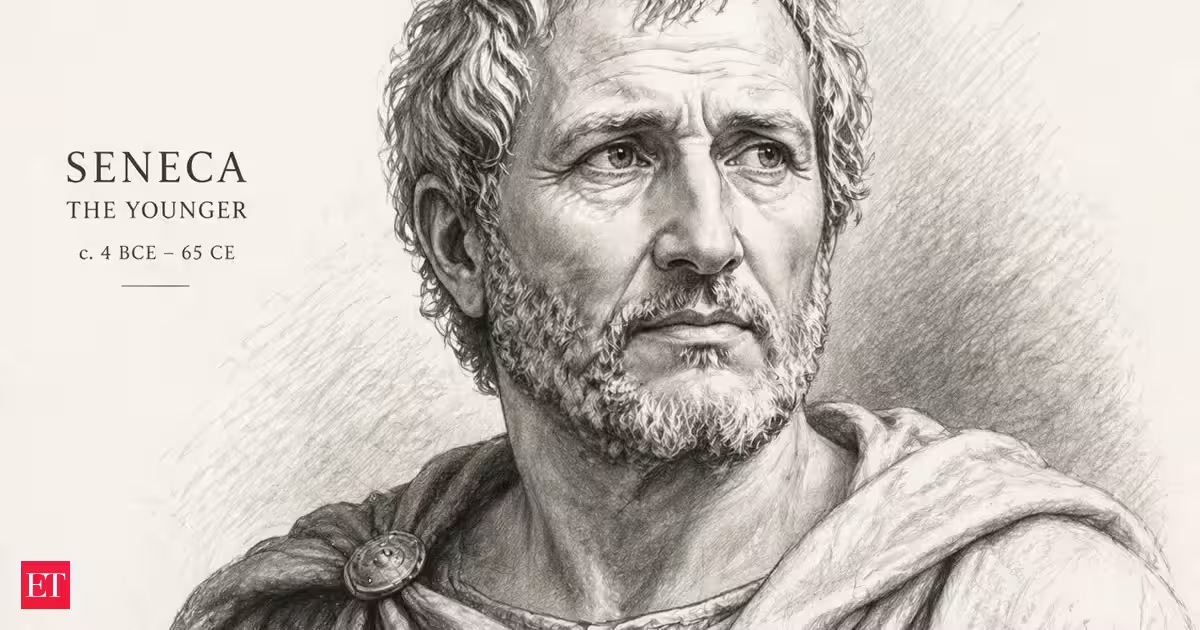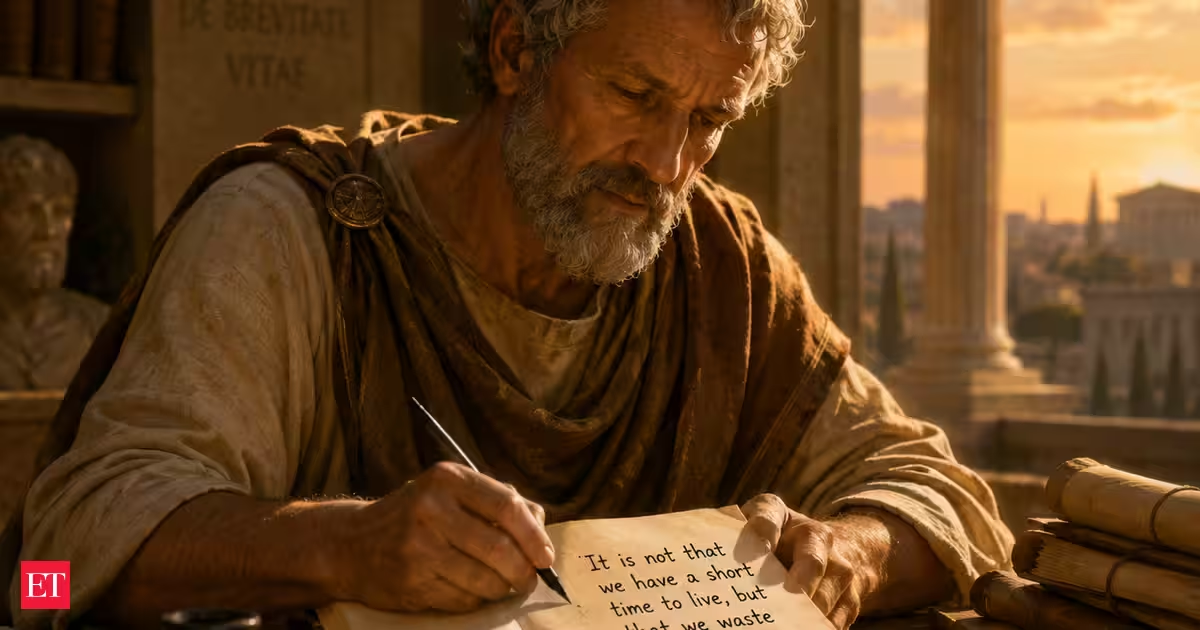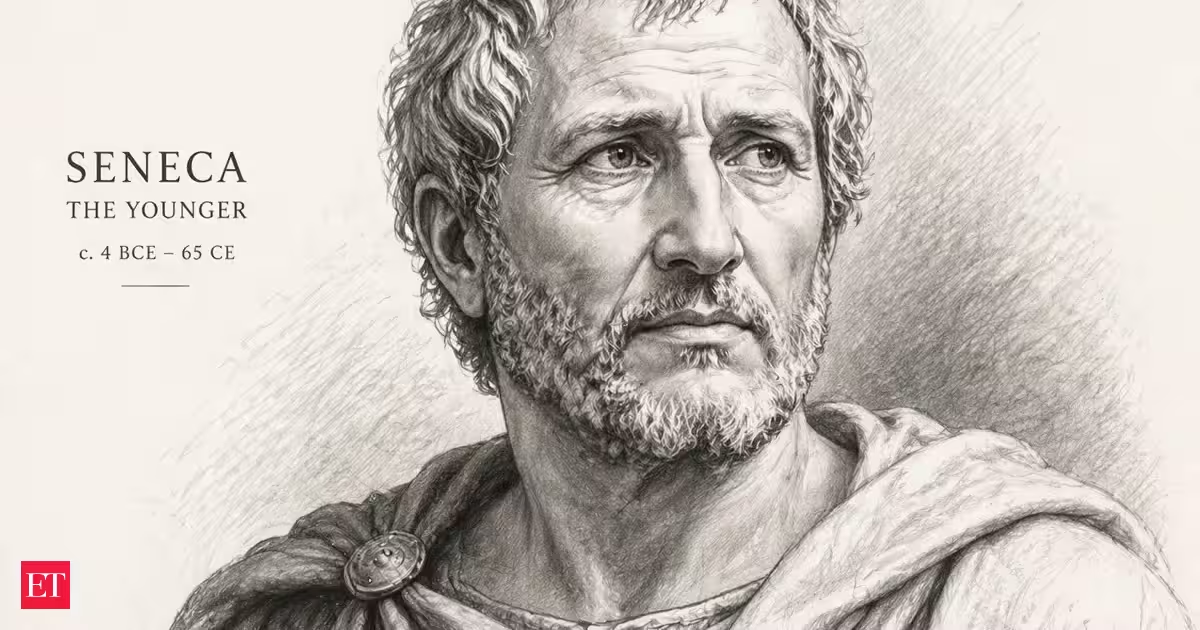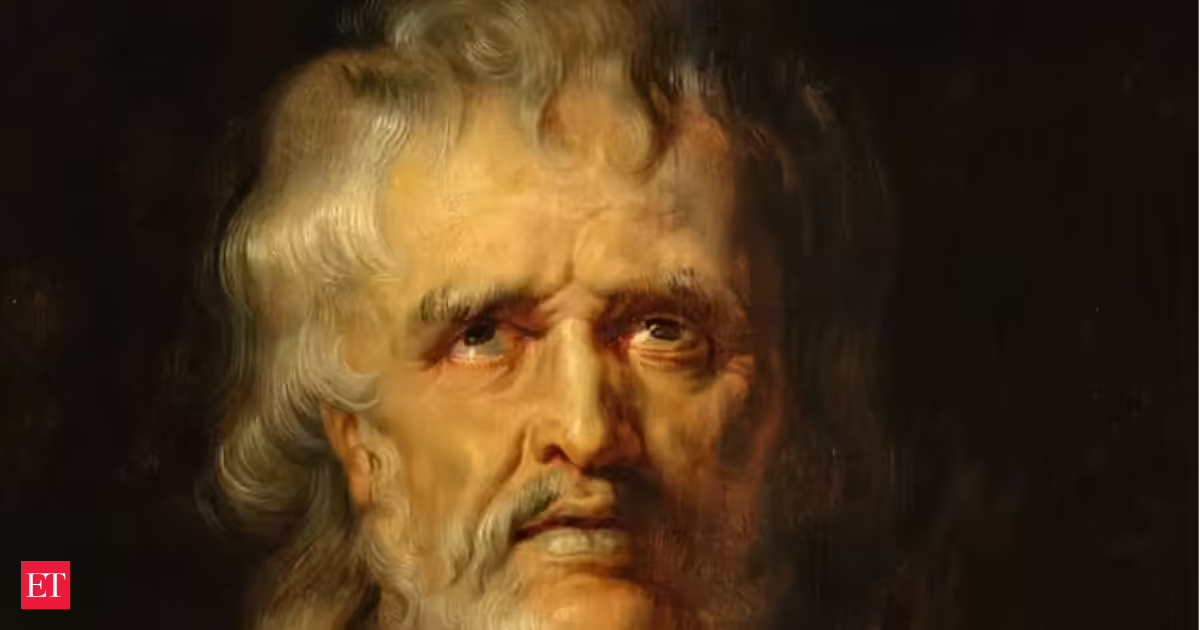
Quote of the Day: The quote comes from the Roman philosopher and statesman Seneca, one of the most influential thinkers of the Stoic school. Born around 4 BCE in Corduba, Hispania (modern-day Spain), Seneca was educated in Rome and rose to prominence as a lawyer, writer, and political advisor. He served as tutor and later advisor to the Roman Emperor Nero. Despite his political success, Seneca’s life was marked by exile, court intrigue, and eventual forced suicide in 65 CE, following accusations of involvement in a conspiracy against Nero.Seneca’s legacy rests largely on his philosophical writings, particularly his essays and letters that explored ethics, self-discipline, resilience, and the pursuit of a meaningful life. His work influenced generations of thinkers, leaders, and writers. Today, he remains one of the most widely read Stoic philosophers, admired for his practical wisdom on how to navigate life’s challenges with clarity and purpose.Quote of the Day by Seneca: ‘Life is long, if only you knew how to use it’Seneca Quote: Context, meaning and interpretationAt first glance, the quote appears to contradict a common human experience, the feeling that life passes by too quickly. Yet Seneca argued that life itself is not short; rather, people often squander much of it through distraction, procrastination, trivial pursuits, and constant worry. According to him, the problem is not the amount of time we are given but how we choose to spend it.In its deeper context, the quote reflects a central Stoic belief that time is our most valuable possession. Seneca observed that people guard their wealth and property carefully, yet frequently allow their time to be consumed by activities that contribute little to their growth or happiness. He believed that those who live deliberately, focusing on meaningful goals and personal development, experience life as rich and abundant, regardless of its actual length.The meaning of the quote extends beyond simple time management. It serves as a reminder that a fulfilling life is created through intentional living. When people devote themselves to worthwhile pursuits, meaningful relationships, learning, and self-improvement, they gain a sense of depth and purpose. Conversely, when life is spent chasing distractions or dwelling on things beyond one’s control, even many years can feel insufficient. Seneca’s message encourages individuals to become conscious stewards of their time and attention.This timeless observation offers valuable lessons for modern life. It teaches the importance of prioritizing what truly matters, avoiding needless distractions, and recognizing that every day presents an opportunity to live more meaningfully.It reminds us that fulfillment is not measured by the number of years we accumulate but by the quality of our experiences and choices. Seneca’s words continue to resonate because they challenge us to view time not as something that happens to us, but as a resource that can be shaped by wisdom, purpose, and thoughtful action.ALSO READ: Quote of the Day by Mahmoud Darwish: ‘I love women whose hidden desires make horses put an end to…’ Palestinian poet's metaphorical take on power of attraction, mystery, and desire
Quote of the Day by Seneca: ‘Life is long, if only you knew how…’ Stoic thinker’s powerful wisdom on length and value of life
Roman philosopher Seneca believed life is not short but often wasted. He urged people to use time wisely, focusing on meaningful goals and personal growth. Seneca's timeless wisdom teaches prioritizing what matters and avoiding distractions. Fulfilment comes from quality experiences and thoughtful action, not just years lived. His message remains relevant today.
498 words~2 min read