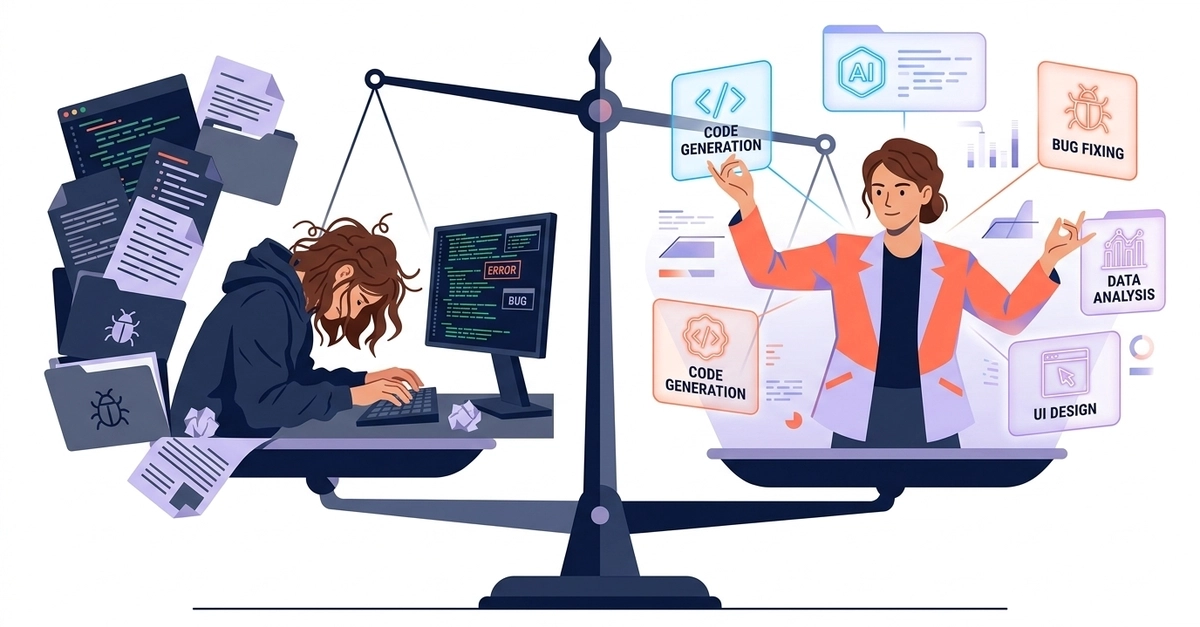
When people say AI will speed up drug development or fear that it will bring about mass layoffs, what they have in mind—whether they know it or not—are AI agents. ChatGPT made large language models a mass consumer product. But to change the world, AI needs to do more than just talk back: It needs to do stuff. And that’s where agents come in. Now, after much hype, the first bona fide multi-agent tools are starting to show their colors. OpenClaw—a personal AI assistant that you could talk to from your phone—got everyone’s attention. Beneath the buzz, OpenClaw had a limited set of tricks—and a saboteur’s approach to security. But it felt like the future. And so companies from Nvidia to Tencent have been quick to build their own safer, more reliable bots on top of OpenClaw’s open-source code. But the real power of agents comes when they can work as a team rather than as lone-wolf bots carrying out single tasks, such as using a browser to make a restaurant reservation or sending you a summary of your inbox. New tools can yoke together multiple agents, give each of them a different job, and orchestrate their behaviors so that they all pull together to complete tasks more complex than an individual agent could do by itself.
Agent orchestration
The assembly line upended manufacturing last century—could teams of agents do the same for white-collar work?
546 words~2 min read