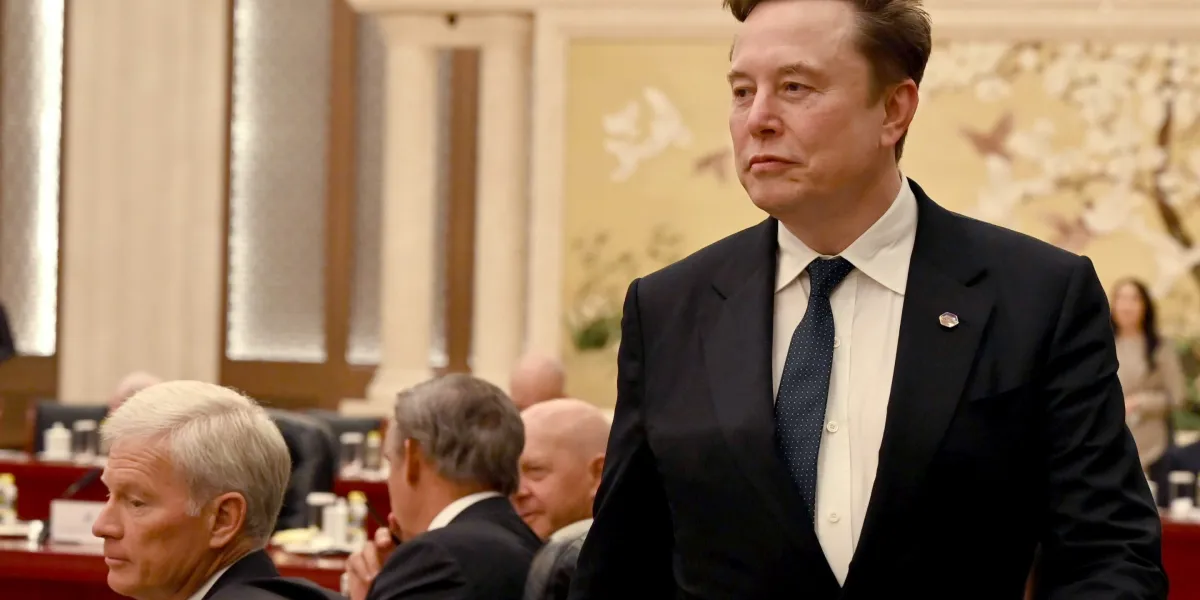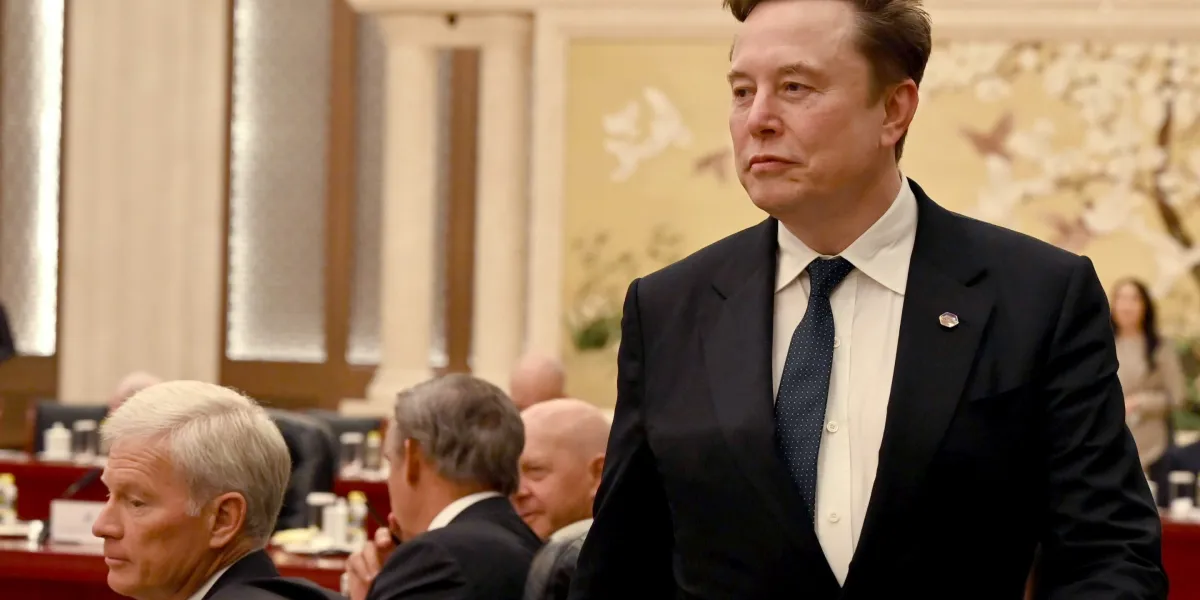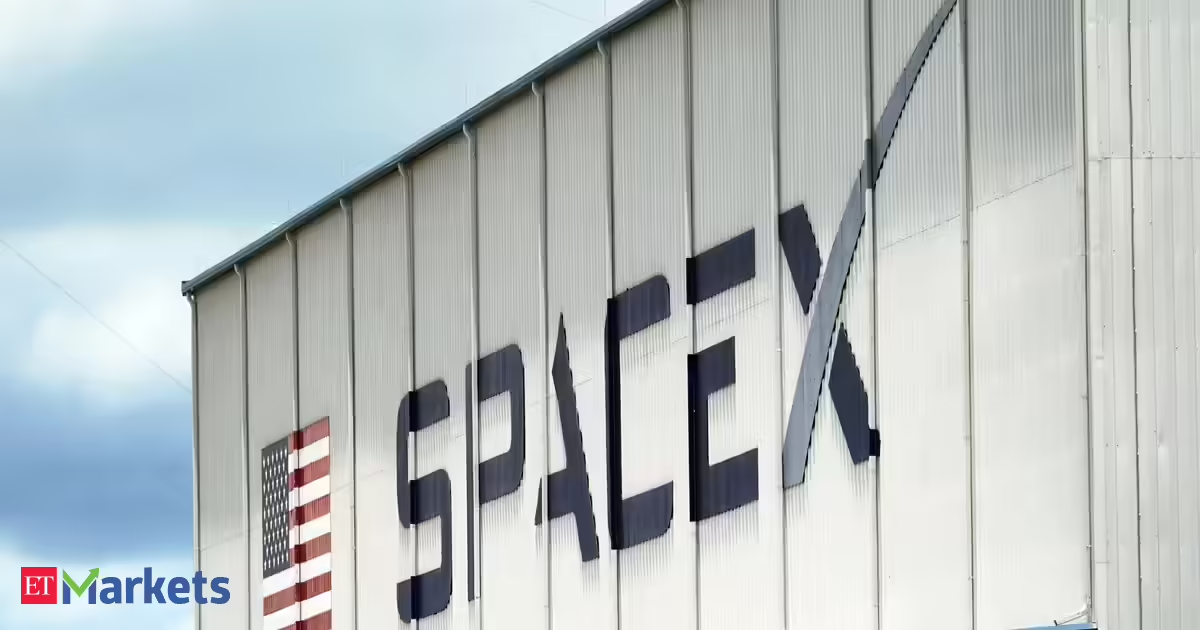
Good morning. It’s SpaceX IPO day! Hooray? Odds are high that investors will clamor for some of the $75 billion worth of shares, a small sliver of equity that puts the market cap of Elon Musk’s aerospace and satellite company at an eye-watering $1.77 trillion. Never mind that Morningstar says it’s being optimistic in valuing the stock at $63, or 53% below that IPO price. BlackRock alone has reportedly put in a $5 billion order to get a piece of this money-losing operation that has ambitions to, among other things, put a million people on Mars.
What can leaders learn from this sci-fi thriller that they can adapt into their own playbook? Um, well, maybe a few things.
You don’t have to be shareholder-friendly to get shareholders excited. Governance experts were outraged when Google went public in 2004 under a dual-class structure, which gives more power or votes to one class of shareholders. As founders Sergey Brin and Larry Page wrote at the time: “Google is not a conventional company. We do not intend to become one.” In other words, if you don’t like it, don’t buy it. (If you’d invested $1,000 then, you’d have around $75,000 today.) Fast forward to SpaceX, and dual-class structures are now common in tech IPOs, reinforcing the myth that founders know best how to steer their public companies and giving shareholders almost no choice over how the company is governed. Case in point: Musk can’t be fired as CEO of SpaceX. Ever.