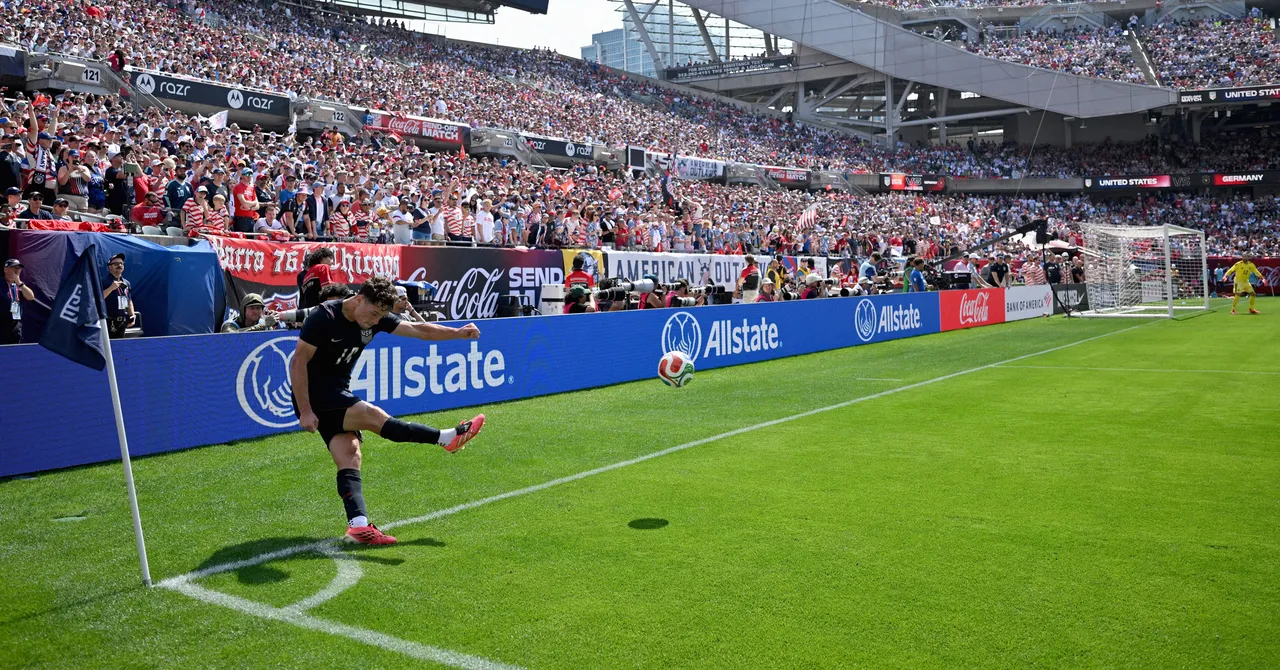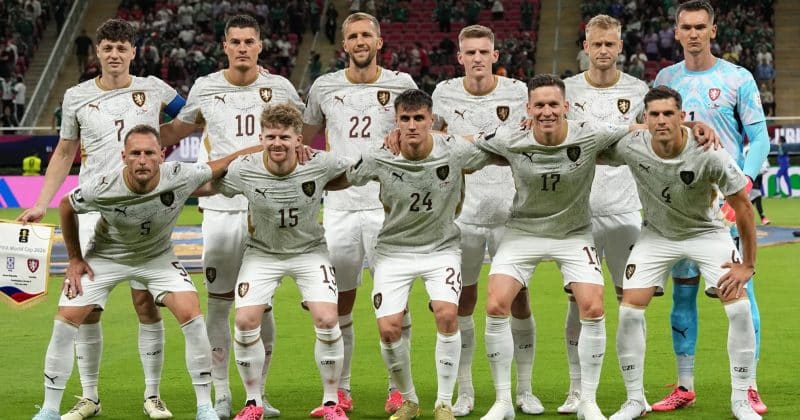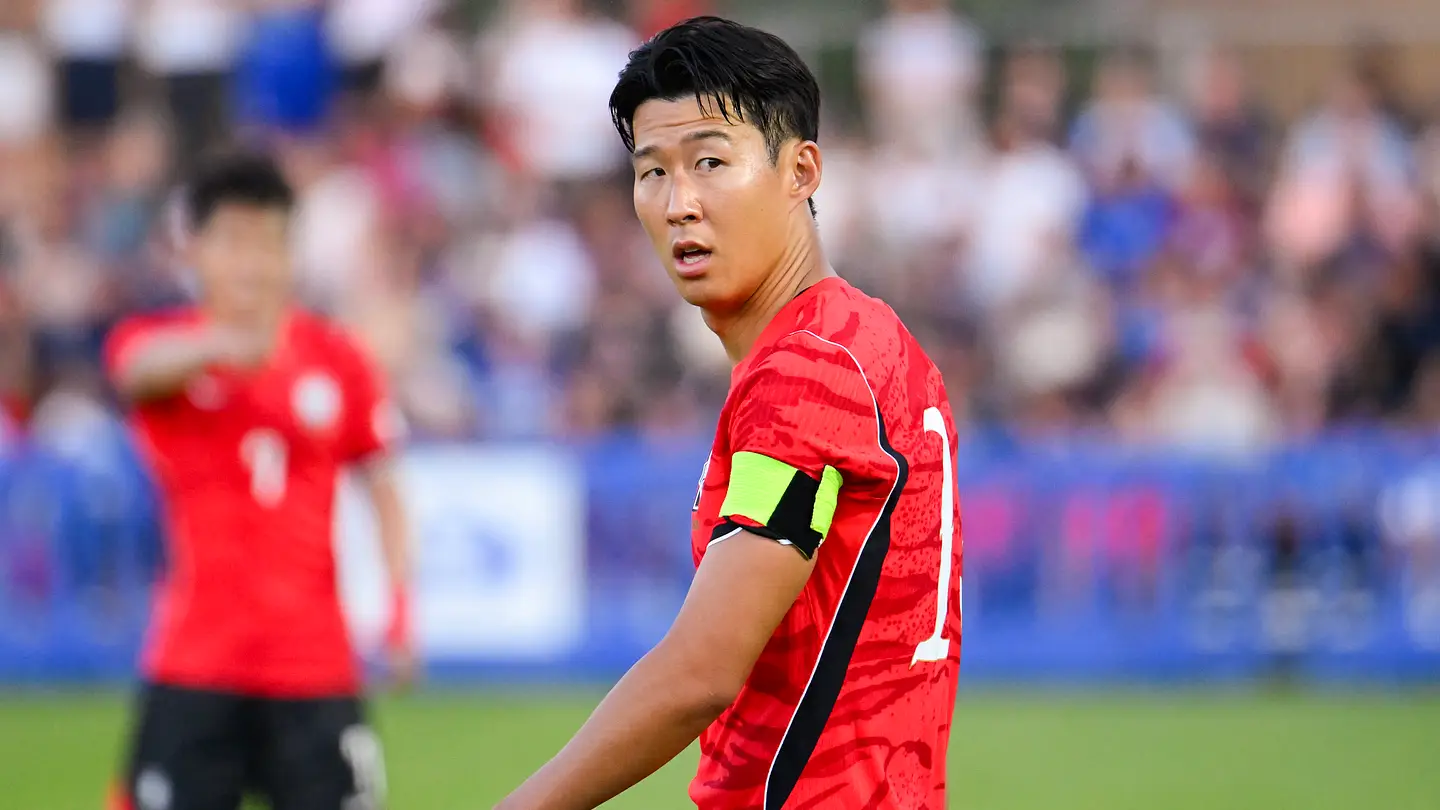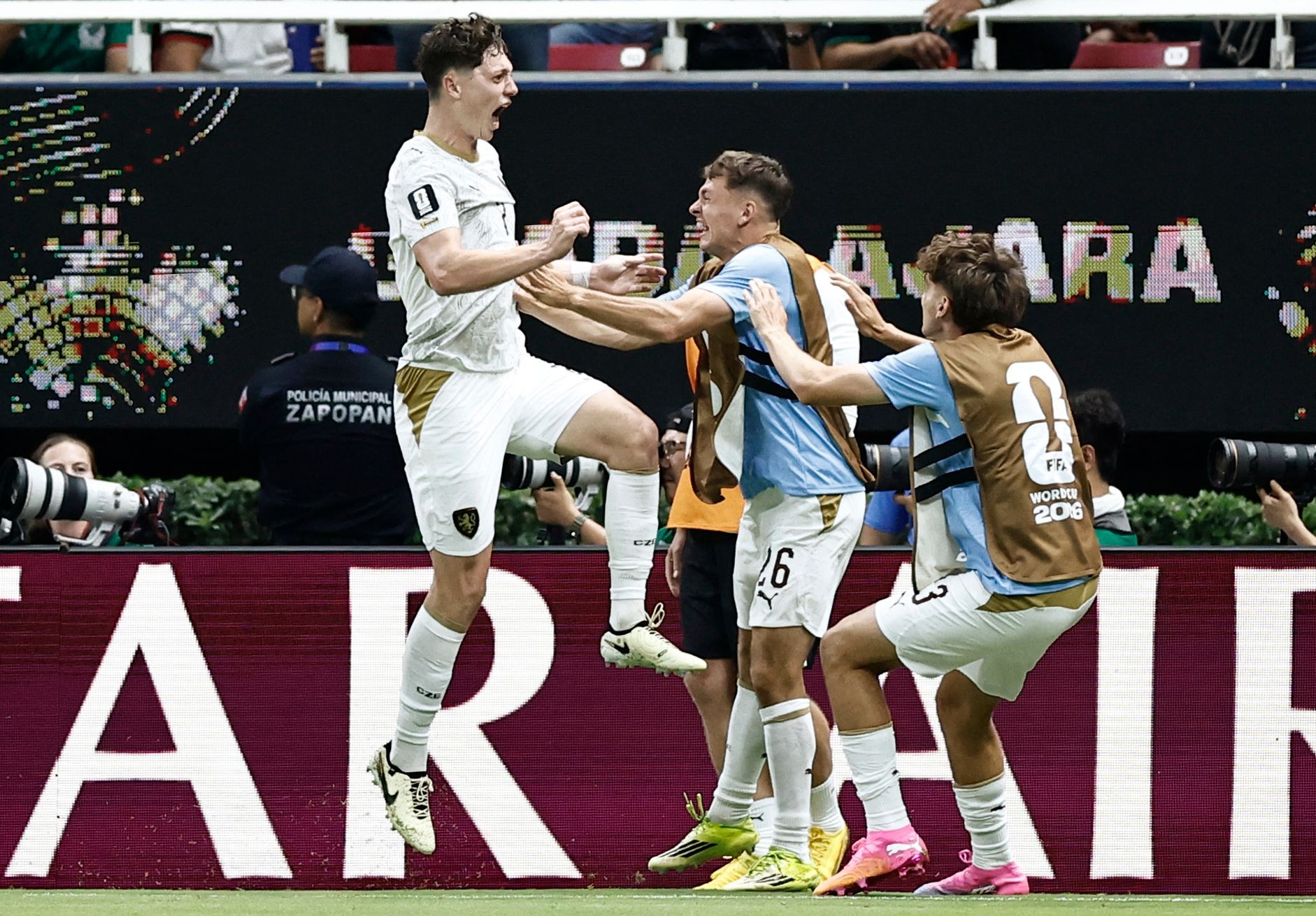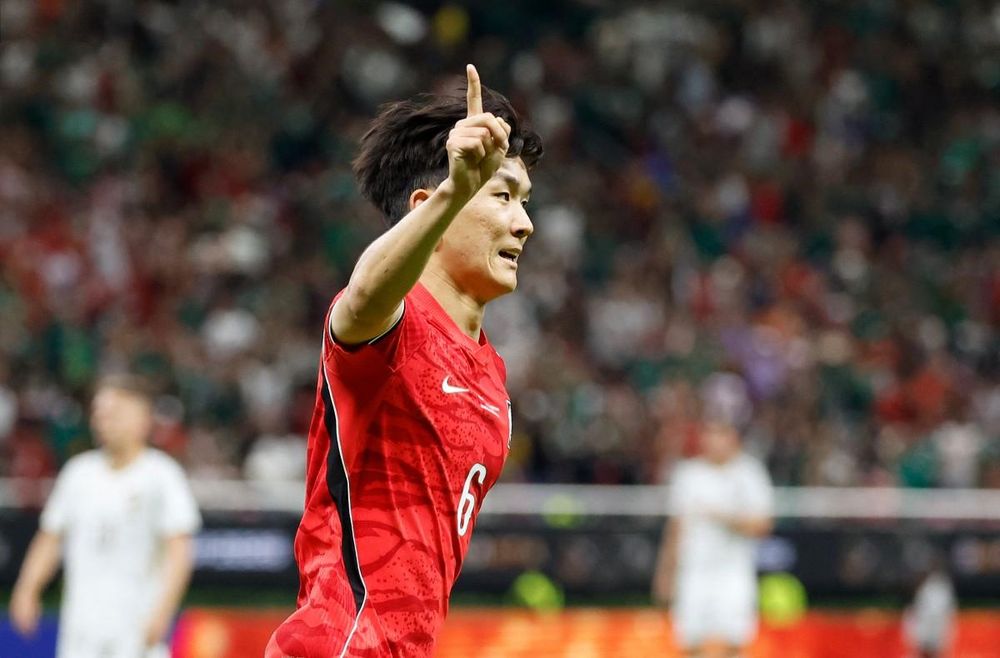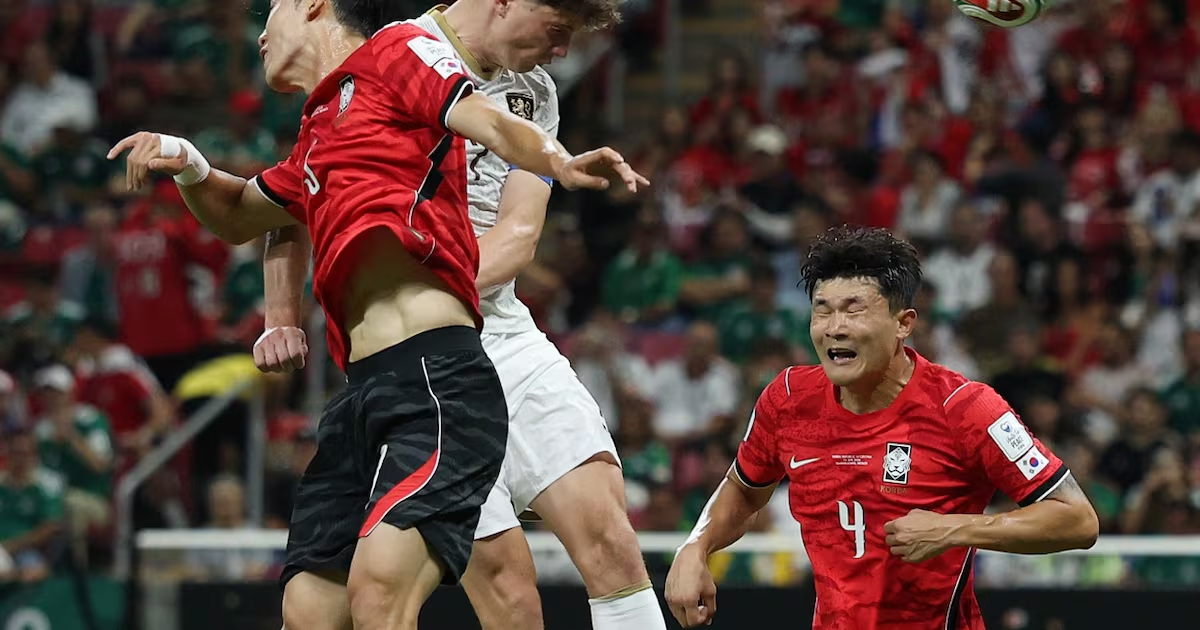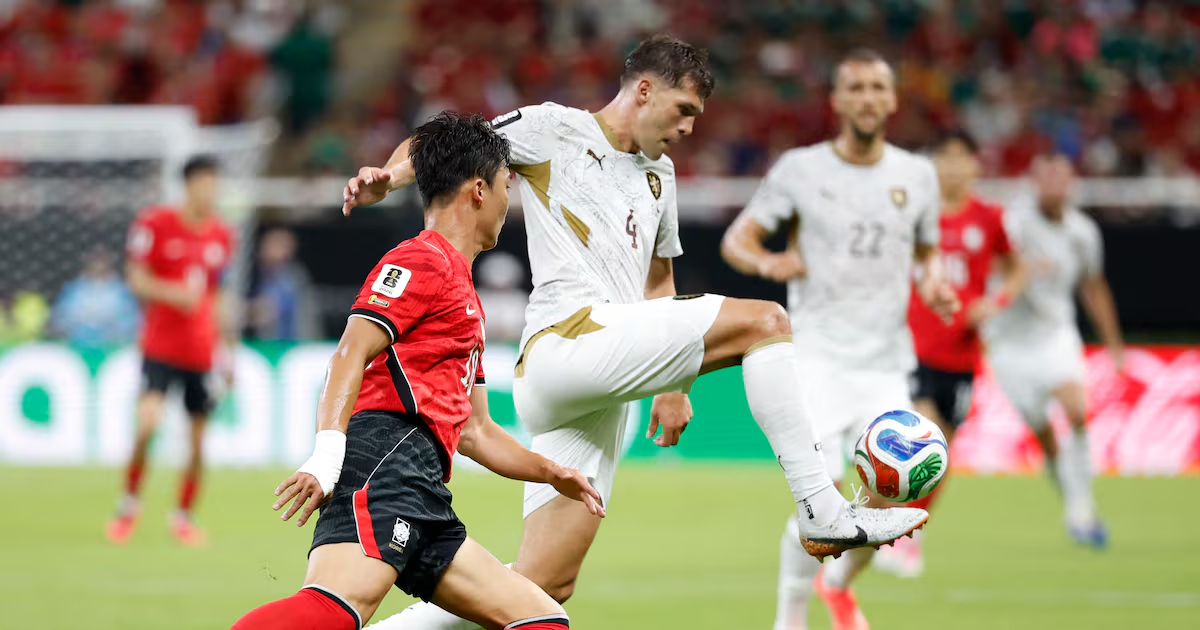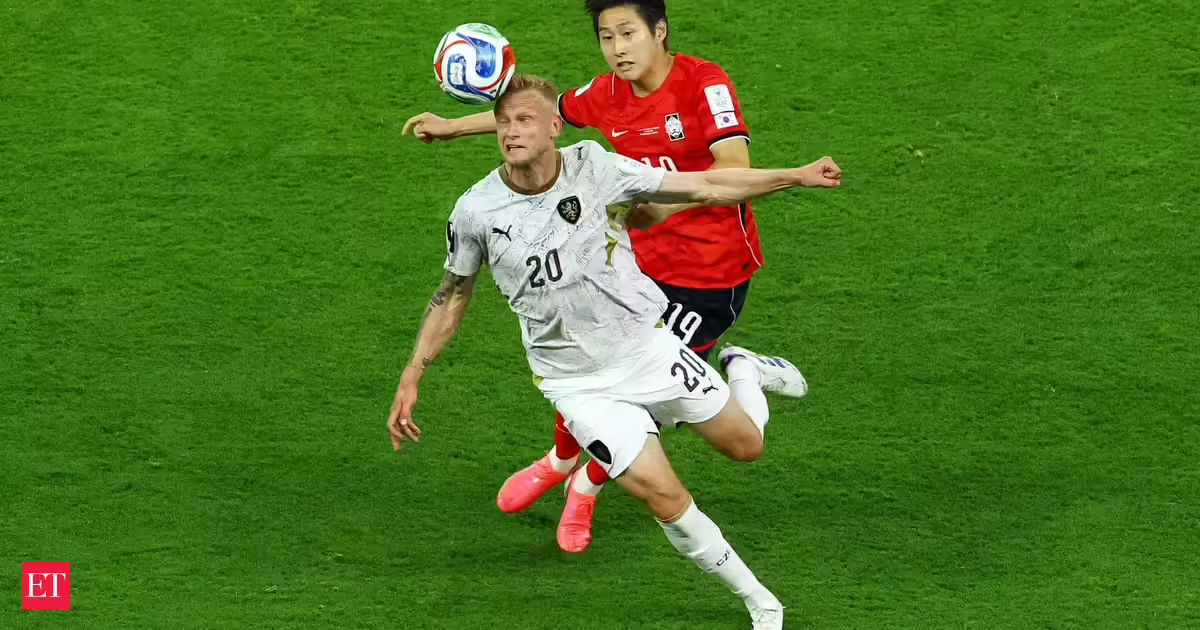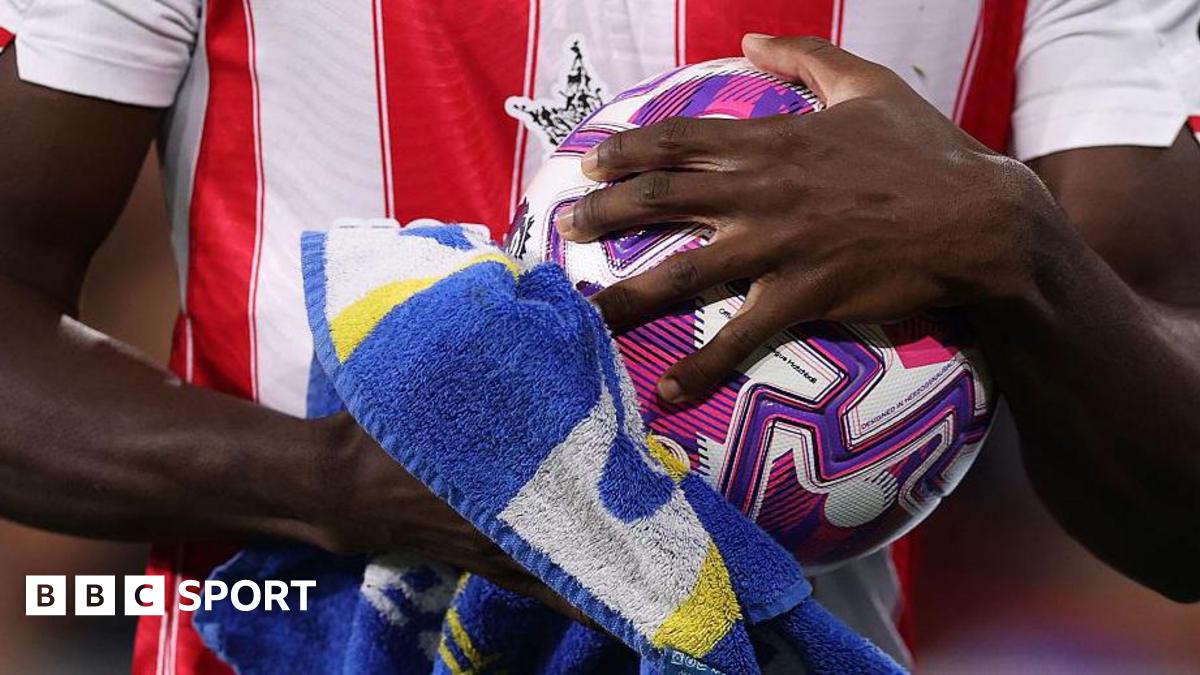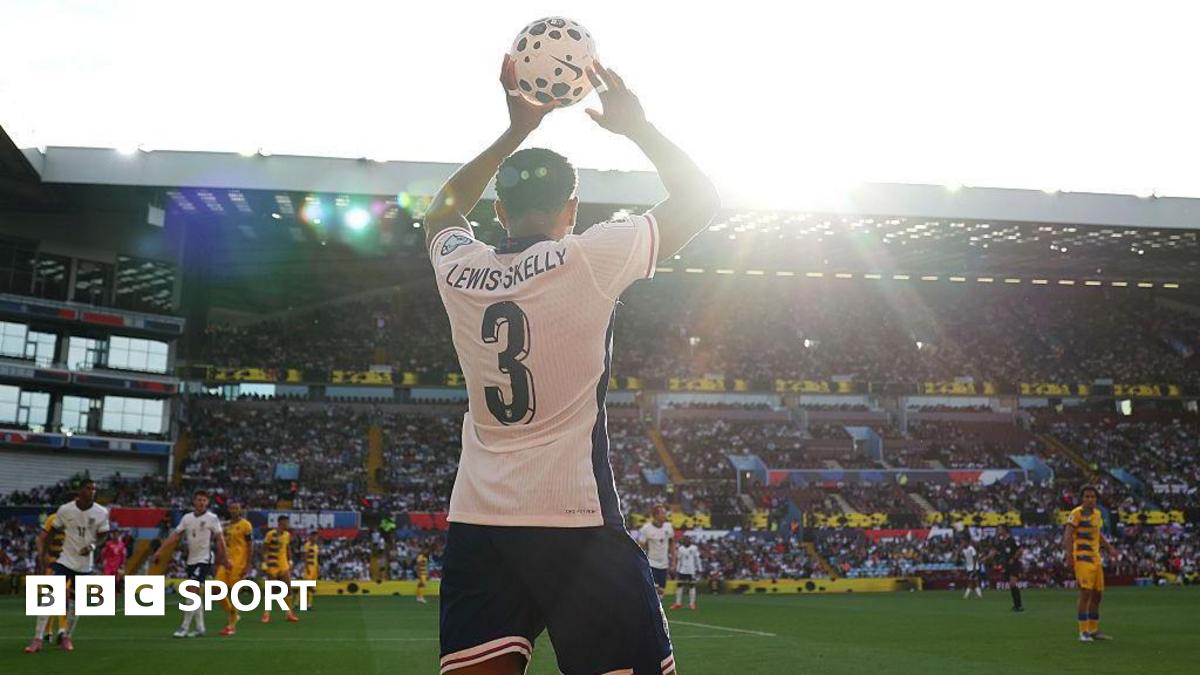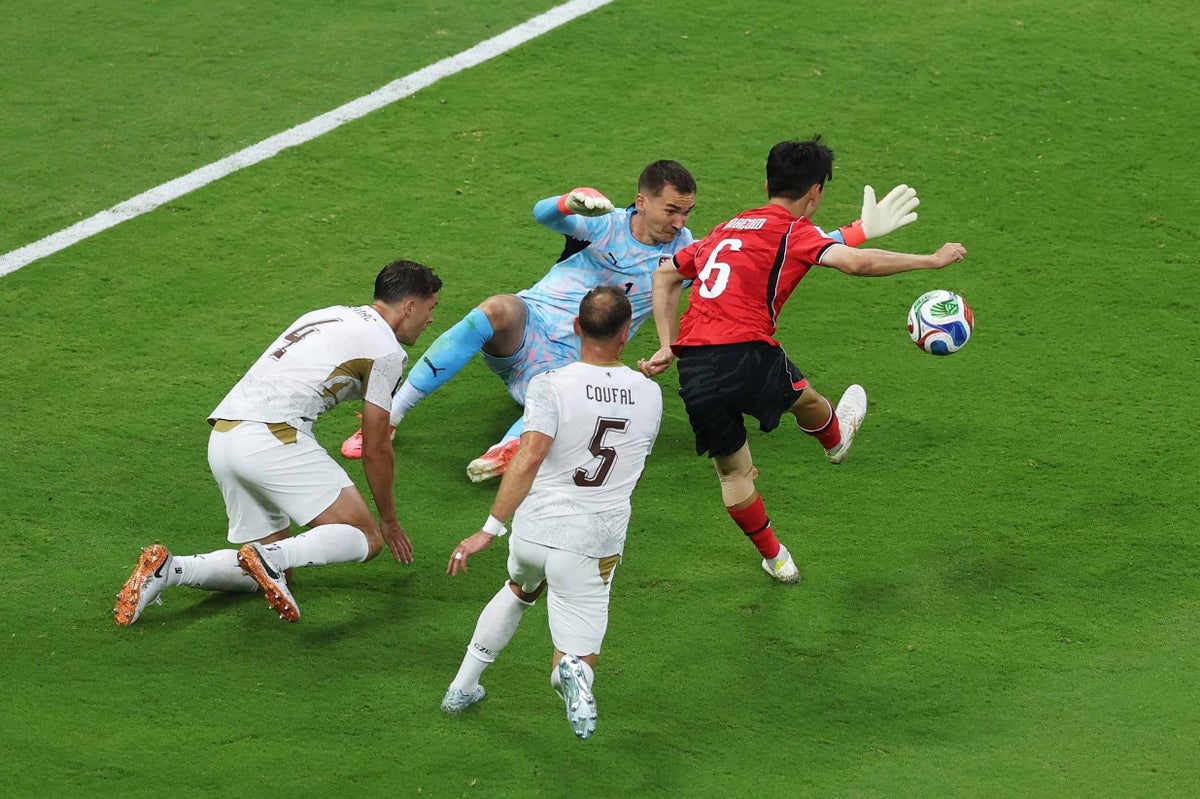
It was beautiful, in some ways, maybe, to a few people.Vladimir Coufal wiped the ball against his shirt and launched it flat and fast; a stinging trajectory more commonly shaped by a frisbee than the undulating arc of a long throw.Czech captain Ladislav Krejci met it sweetly and at full sprint. His header was past South Korea’s Kim Seung-gyu before he even flinched.There were few Czech fans in the stadium, their team having qualified at late notice via the play-offs in March — but back home (local time in Prague: just after 5.00am), watching their first World Cup appearance in 20 years, supporters surely witnessed an artist’s brush.But to the masses, Czech Republic’s surprise opener against the run of play, was a goal that only its mother would love — and that mother is the Premier League.Throughout the 2025-26 season, the world’s strongest, most watched, and most powerful domestic league was criticised for its product, on trial for generating matches dominated by set-pieces, physicality, and gamesmanship, and typified, perhaps unfairly, by Mikel Arteta’s champions Arsenal.Ladislav Krejci heads in the opener (Michael Regan/Getty Images)So while this World Cup might promise escapism, the reality is slightly different — from this tournament’s politics, to its finances, to, potentially, the games on its pitches.The Premier League’s influence lived on in the Czechs’ approach, a team intent on forcing an arm-wrestle from Lukas Provod’s barge in the opening minute.Their goal, after sitting back and absorbing South Korea’s pressure, was almost a satire of how the Premier League looked last season — former West Ham stalwart Coufal linking up with Wolves’ starting centre-back to power a header home. The goal was their first shot on target, in the 59th minute.That it came from a long throw, the most-derided of all the set-pieces, principally due to its links with the supposed ‘anti-football’ played by Tony Pulis’ Stoke City teams at the end of the 2000s, only underscored that notion. There was even a brief check by VAR.
Long Throws 1, Football 2: How many Premier League tactics will be seen at this World Cup?
After sitting back and absorbing pressure, the Czechs scored a goal almost a satire of how the Premier League looked last season
879 words~4 min read