(Image credit: Future)
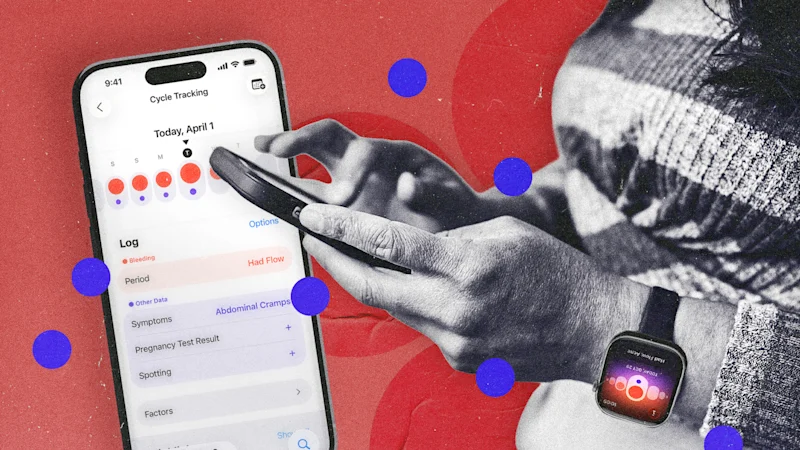
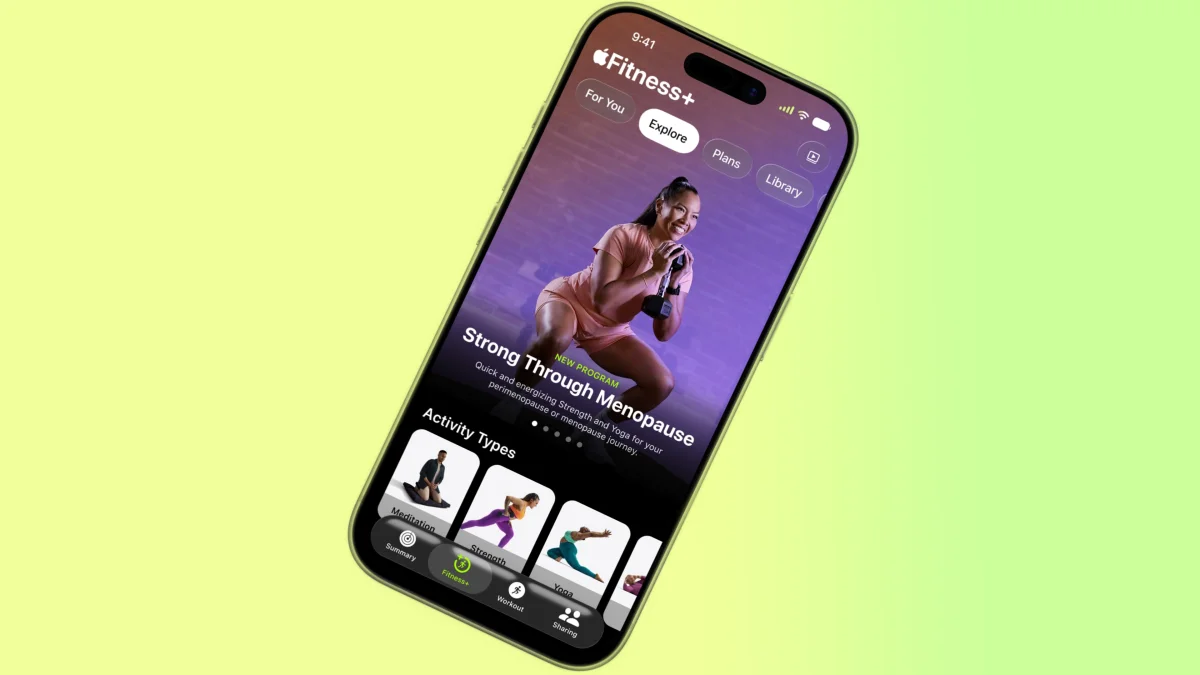
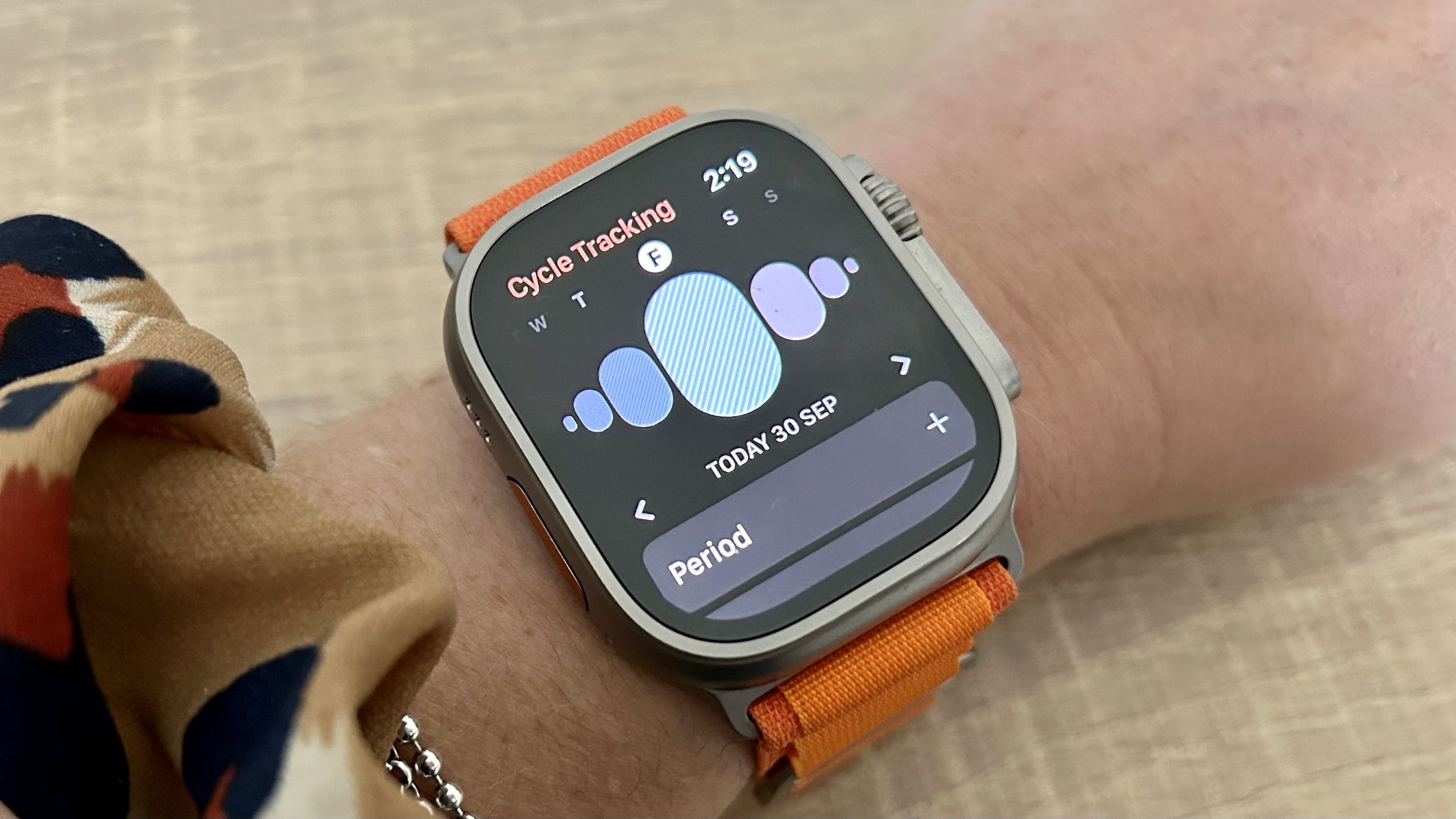
Perimenopause — the transition leading up to menopause — remains one of the most significant gaps in modern medicine. For years, clinical criteria have focused on a woman’s bleeding cycle, rather than symptom patterns, but research shows that hormonal fluctations and neurological symptoms like anxiety, brain fog, and sleep disruption can occur years before a woman’s period becomes irregular.Apple is striving to change this, adding menopause and perimenopause tracking to the Health app. Sitting under Cycle Tracking, users can track their symptoms and monitor their cycles. Many women don’t recognize they are in perimenopause, so with iOS 27, users aged 40 and over can receive a notification if a deviation in their logged cycle is suggestive of perimenopause. Users don’t need an Apple Watch to do this — they can use the Cycle Tracking feature on iPhone or iPad. There’s also a new Strong Through Menopause Fitness+ program designed to build strength, improve balance and mobility, and reduce stress.I’ve been writing about the Apple Watch since before it could even track periods (a feature that was added in September 2019 for anyone wondering), so I was keen to sit down with Apple Health Director, Doctor Lauren Cheung, and Director of Fitness at Apple, Julz Arney, to find out more about its new Women’s Health features.Why the focus on perimenopause and menopause now? Dr. Cheung: From the beginning of our journey in health, we've designed the health ecosystem to meet people where they are throughout every stage of life. For us, it's been really important to help users turn their health information into meaningful insights they can better understand and act on. We believe everyone deserves powerful personalized health tools, and so we have a track record of focusing on health needs that have often been overlooked and building thoughtful solutions, whether that's for fall risk to hearing health, to heart rhythm notifications, and as you know, cycle tracking and women's health has been long, long been one of those areas of health that's been underserved.And so cycle tracking is a feature that we design to grow with you from logging a first period to family building, to pregnancy, to ongoing health awareness, and what makes this powerful is that continuity. So it's a system that offers the right tool at the right moment. With our newest updates, we're extending that continuity into a life stage that, as you know, probably affects roughly half the world's population, but again has historically been underresearched, misunderstood, and very often stigmatized, and that's perimenopause and menopause.What's changing in the Health app in iOS 27?Dr. Cheung: So the health app is now adding new support and cycle tracking, so users can now log whether they're in perimenopause or menopause, they can track symptoms, and they can monitor their cycles over time.This is a life stage that probably affects roughly half the world's population, but has historically been underresearched, misunderstood, and very often stigmatized, and that's perimenopause and menopause. Apple Health Director, Doctor Lauren CheungAnd then we've added educational articles into the health app on perimenopause and menopause to help you better understand this new chapter, because it can be very bewildering for many people.Get instant access to breaking news, the hottest reviews, great deals and helpful tips.Perimenopause and menopause can impact so many aspects of health, including sleep, stress, and anxiety, and overall well-being. And starting during this phase of life, women's risk for diseases like cardiovascular disease increases. So regular movement and strength-focused fitness can help support both physical and mental health during this transition. And so we've developed some routines to help users better engage in their physical health.How are you encouraging staying active during menopause?Jules Arney: Staying active, it's one of the most powerful things you can do for your body and mind, especially during this transition, and we just really wanted to make sure we were showing up for users in this moment specifically. We've always believed that fitness should be accessible and welcoming for everyone, and so we looked at what users going through perimenopause and menopause actually mean.And what we landed on is that it isn't about performance metrics necessarily in this stage of life. It's about resilience and finding ways to protect your health and feel strong and really feel more like yourself through the journey. So we designed a progressive 3-week program.It hits 7 out of 7 clinical priorities for fitness in menopause in just three 20-minute sessions a week. It's built around yoga and strength training, and that's to support pelvic floor health, overall strength for your muscles, and even cardiovascular health, and we're just excited about supporting even more users to get active, stay active, and that's exactly what Fitness Plus was made for.How many consecutive months of cycle data are required before the health app triggers a perimenopause alert?