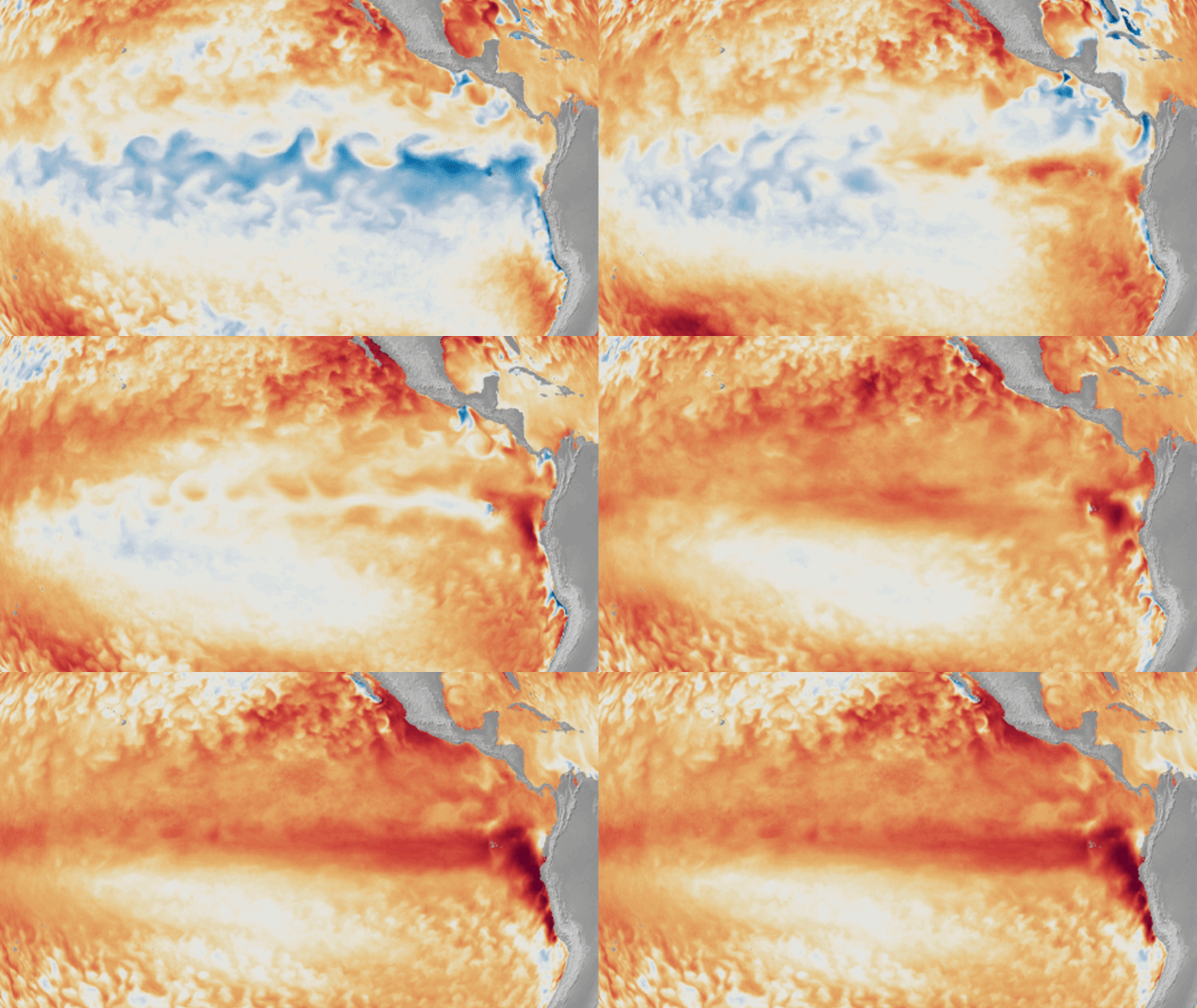
El Niño, nature's chaotic climate agent, has formed in a warmed-up Pacific Ocean and is expected to grow to historic strength, meteorologists announced on 11 June.
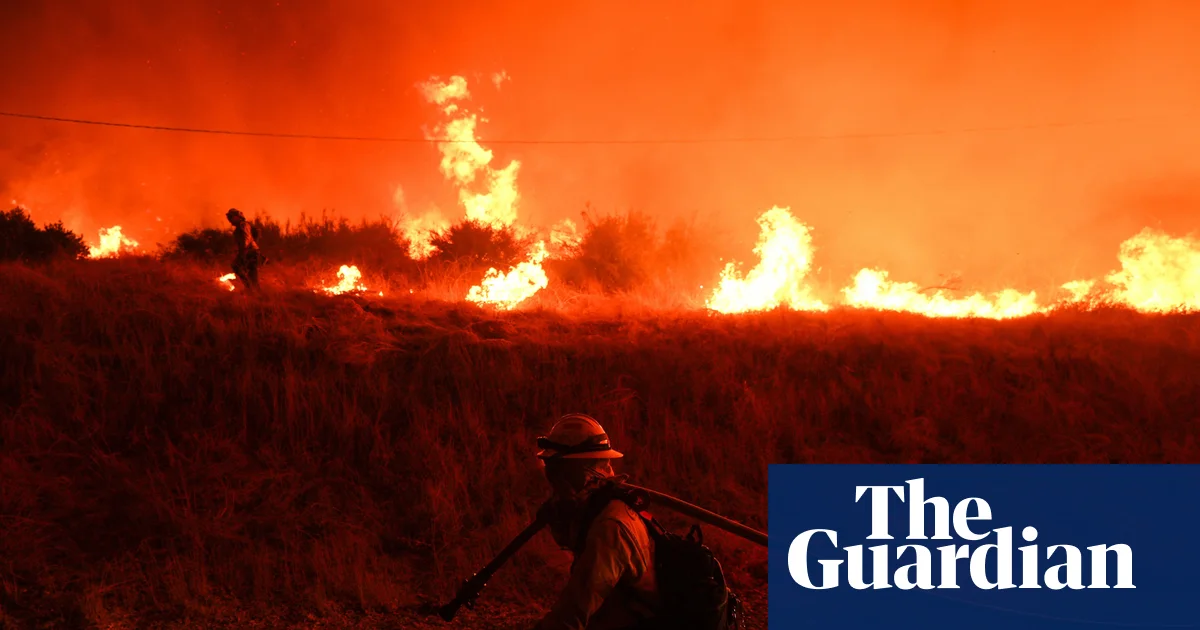
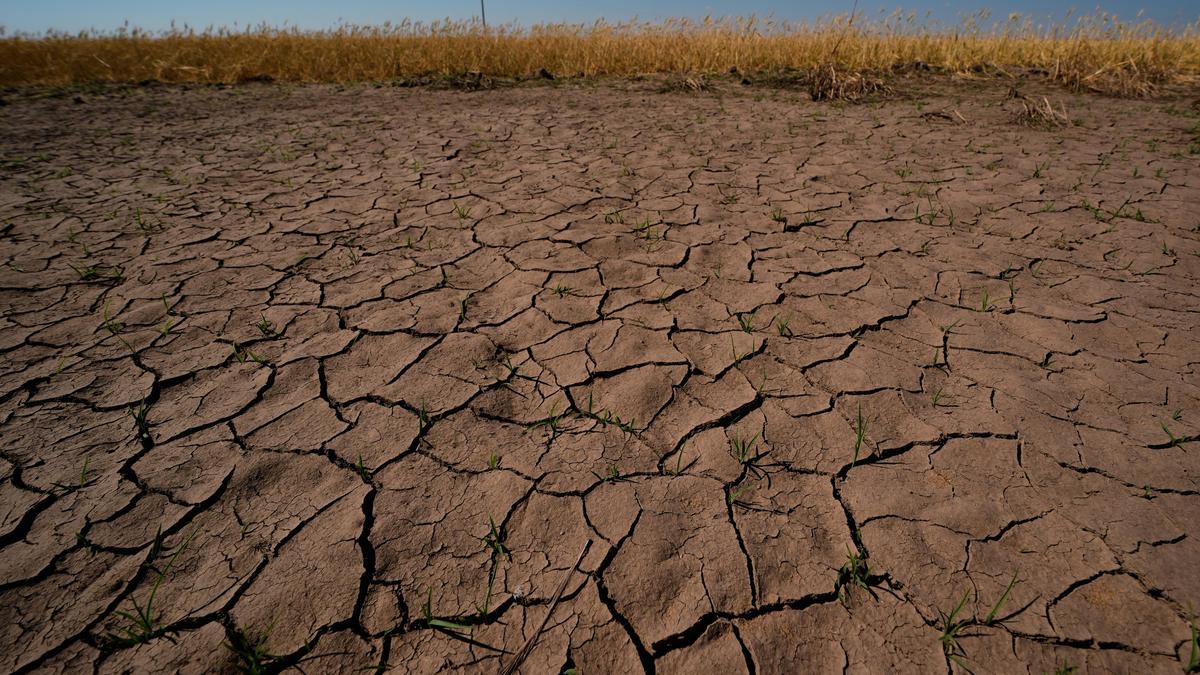
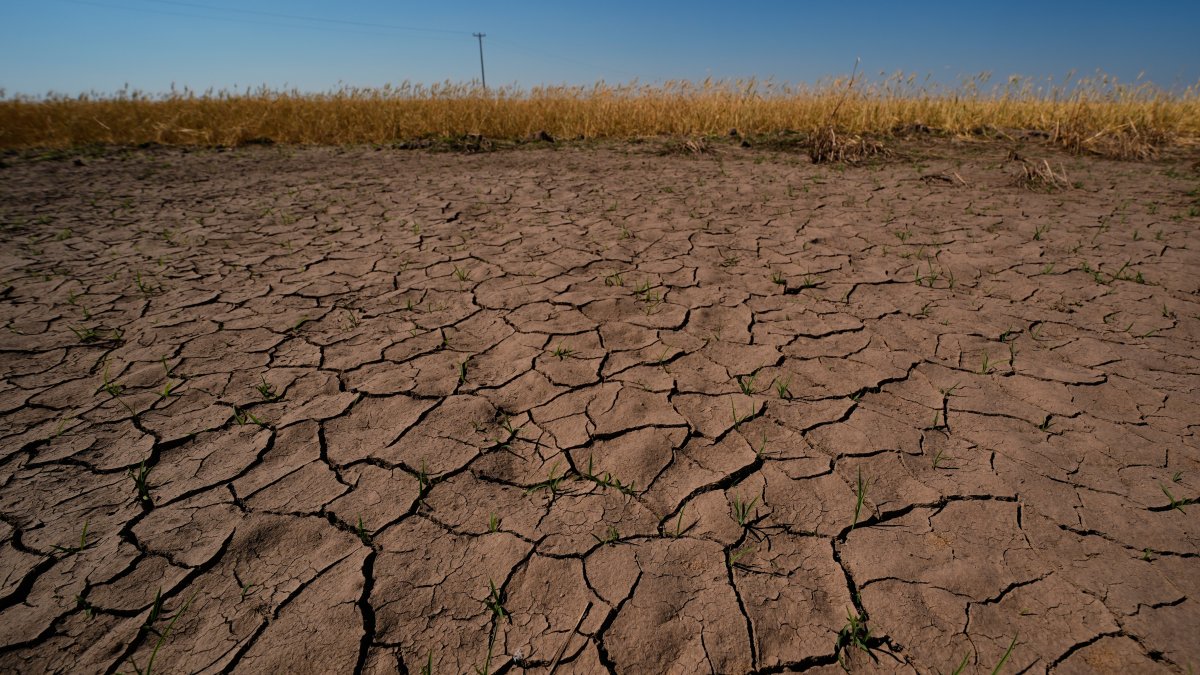
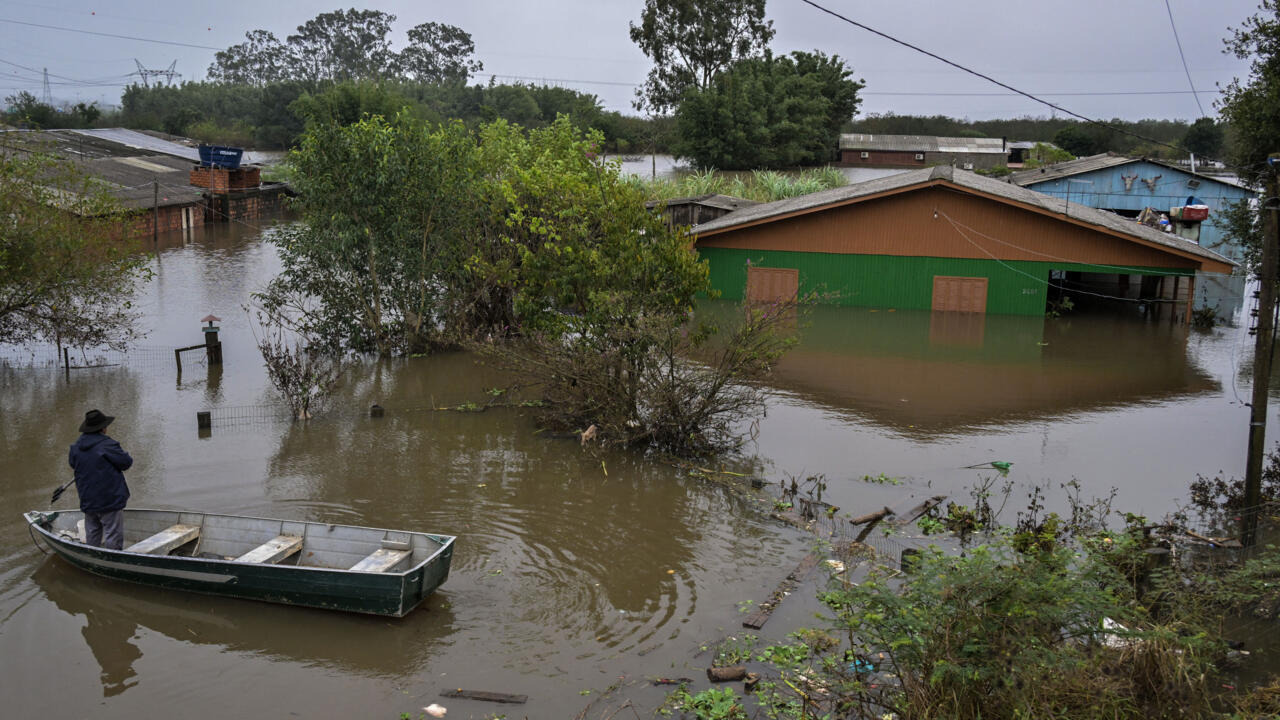
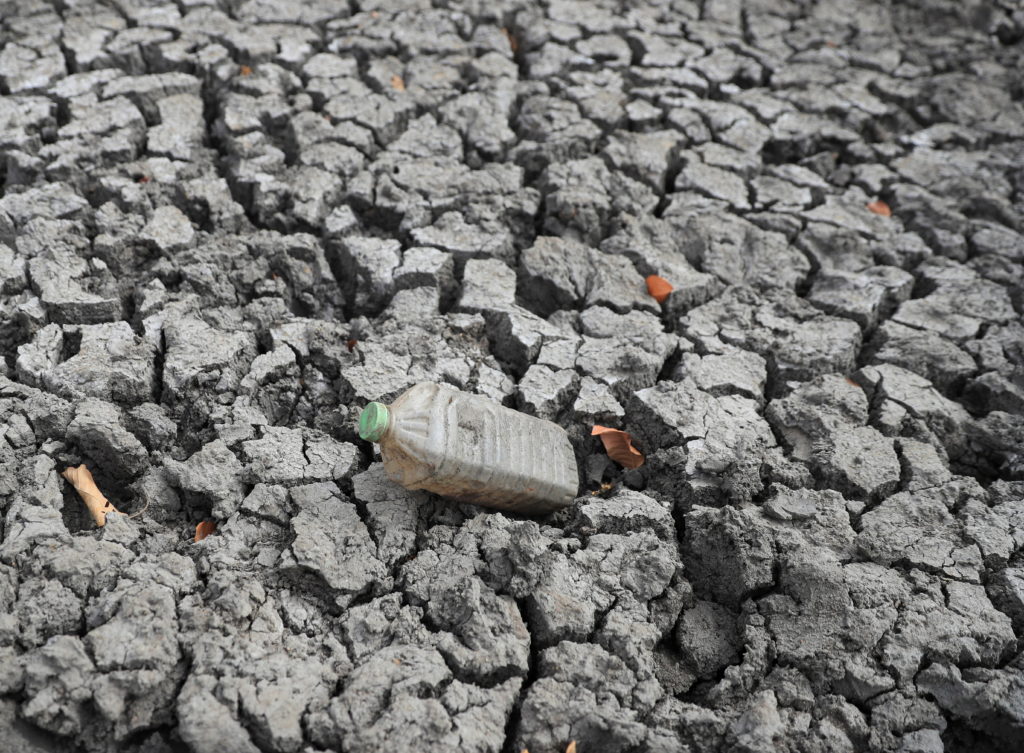
Experts said the El Niño, a natural warming cycle, should further heat a globe already warming from fossil fuel pollution and will likely turbocharge extreme weather across the planet.
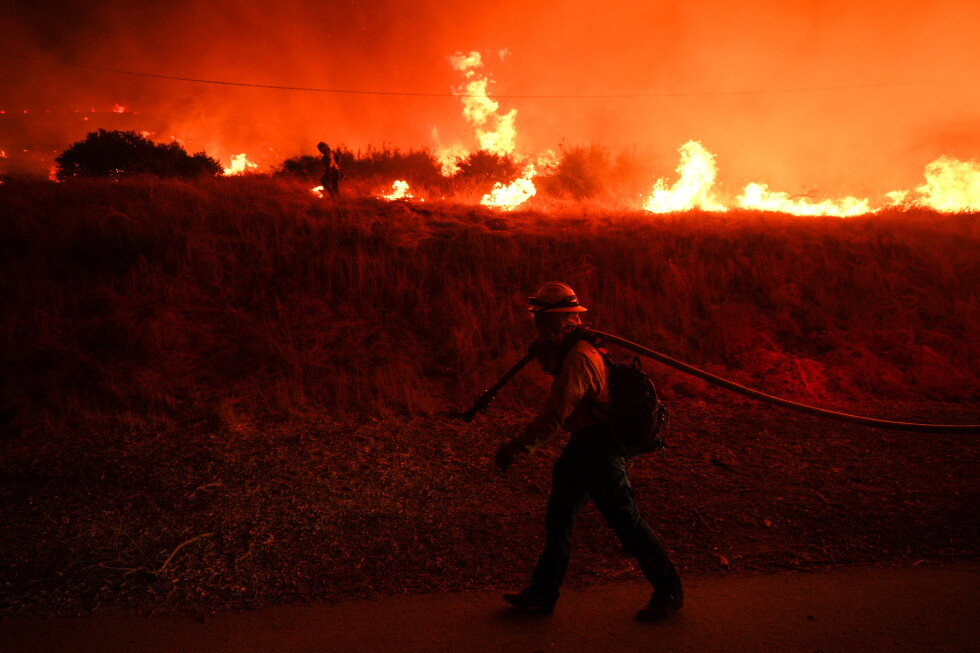
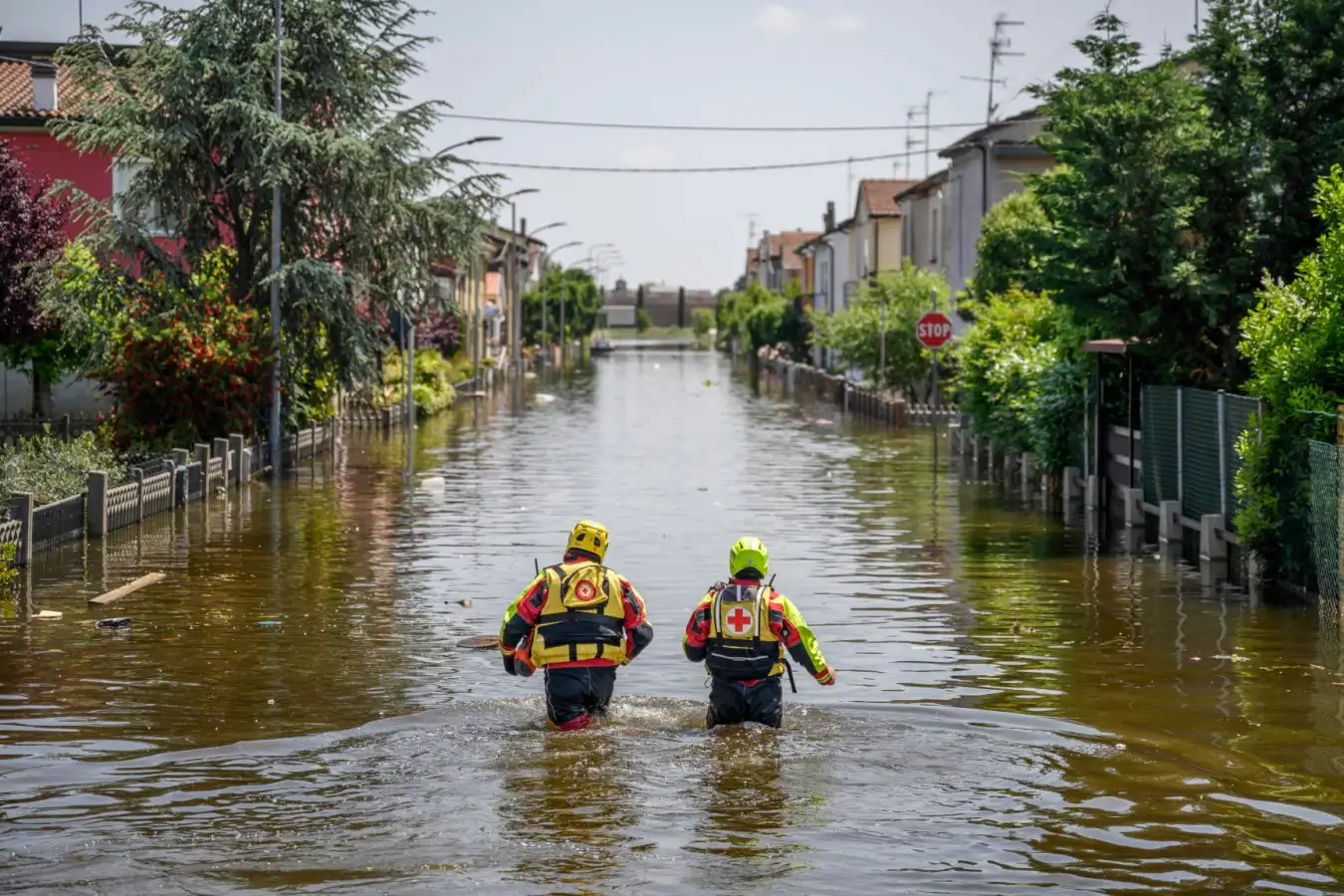
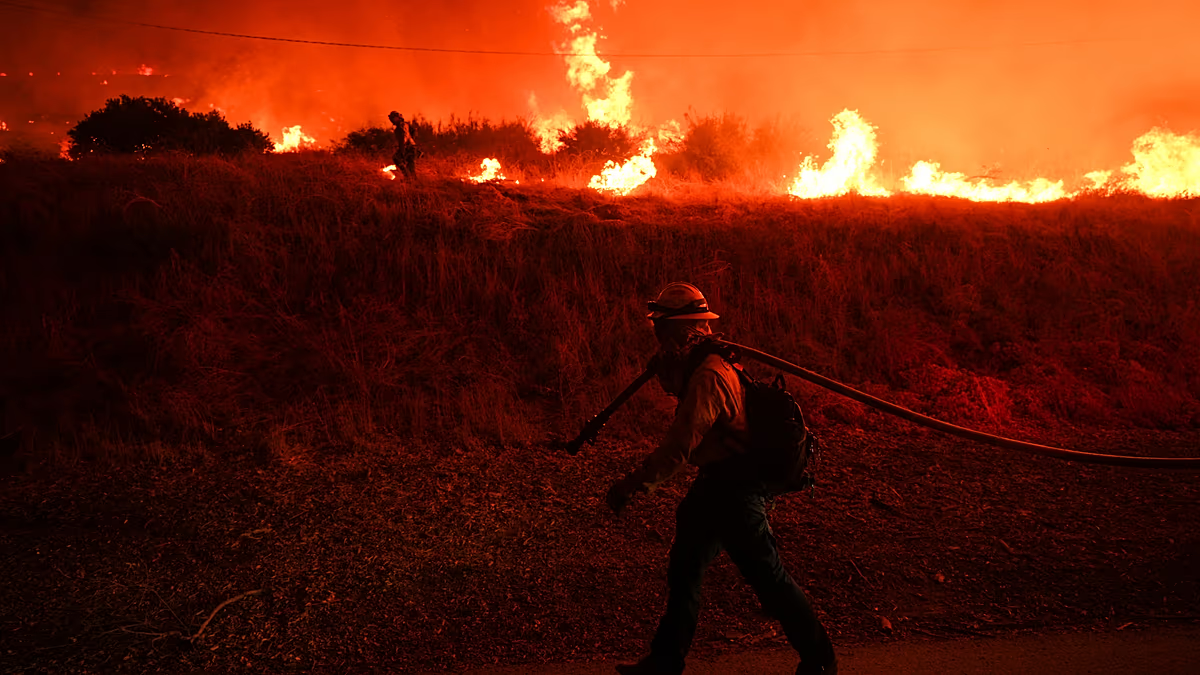
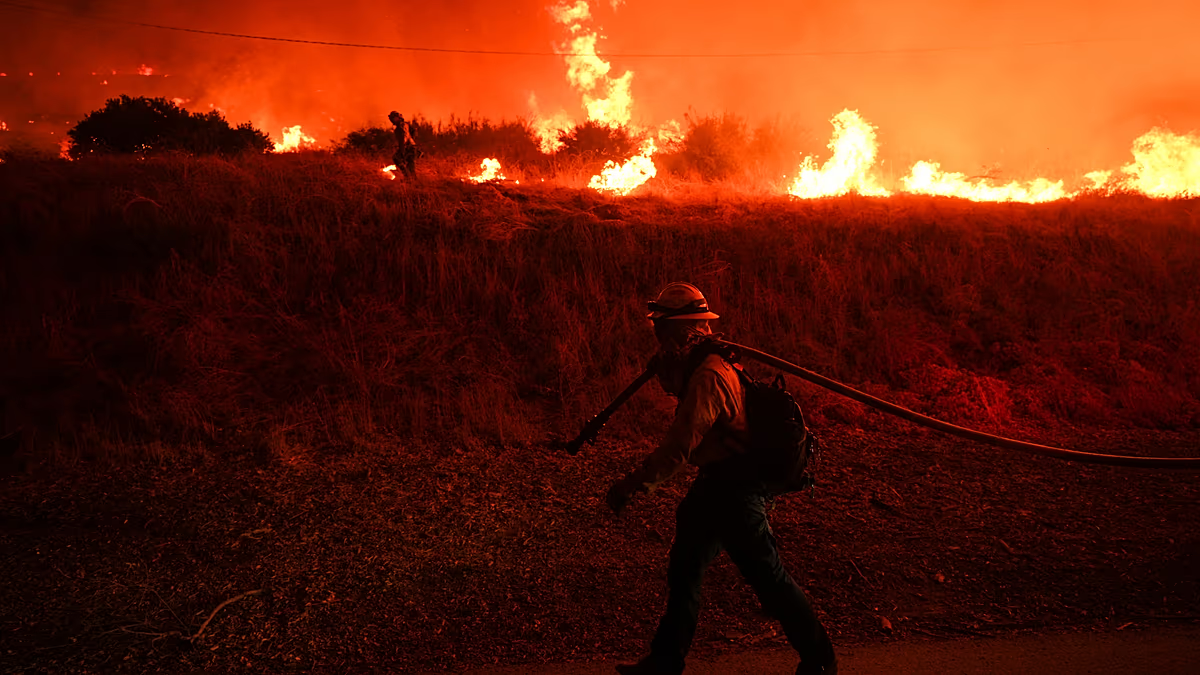
Meteorologists forecast it will rival – or exceed – a record El Niño that began in 1997 and helped trigger billions of dollars in damage from heatwaves, floods, droughts, tornadoes and wildfires.
The US National Oceanic and Atmospheric Administration (NOAA) officially confirmed the existence of the El Niño, which is a warming of the Pacific near the equator that affects weather patterns across the globe. NOAA's announcement said there's a 63 per cent chance that the El Niño will get so intense this late fall and early winter that it “would rank among the largest El Niño events in the historical record going back to 1950”.
The warm, deep waters of an El Niño affect weather patterns by bringing “a lot of extra heat to the surface, fuelling a lot of extreme events for a lot of places around the world,” says Clark University climate scientist Abby Frazier.