Read The Diplomat, Know The Asia-Pacific
The country’s loss to Kyrgyzstan points to shifting coalitions within the U.N. and exposes the limits of alliance politics in multilateral settings.
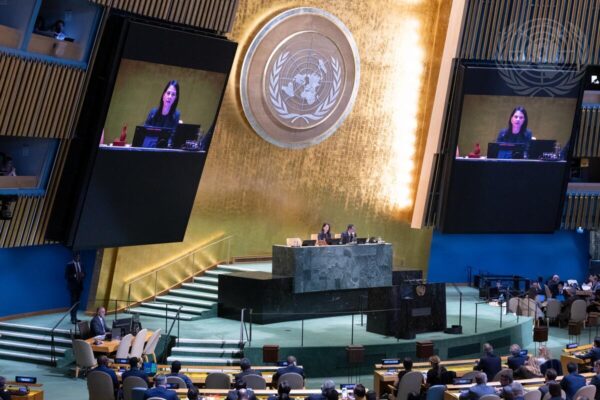
Annalena Baerbock (on screens and left at podium), president of the eightieth session of the United Nations General Assembly, chairs the 86th plenary meeting of the Assembly on Jun. 3, 2026. The meeting saw the election of non-permanent members of the Security Council for the 2027-2028 term.
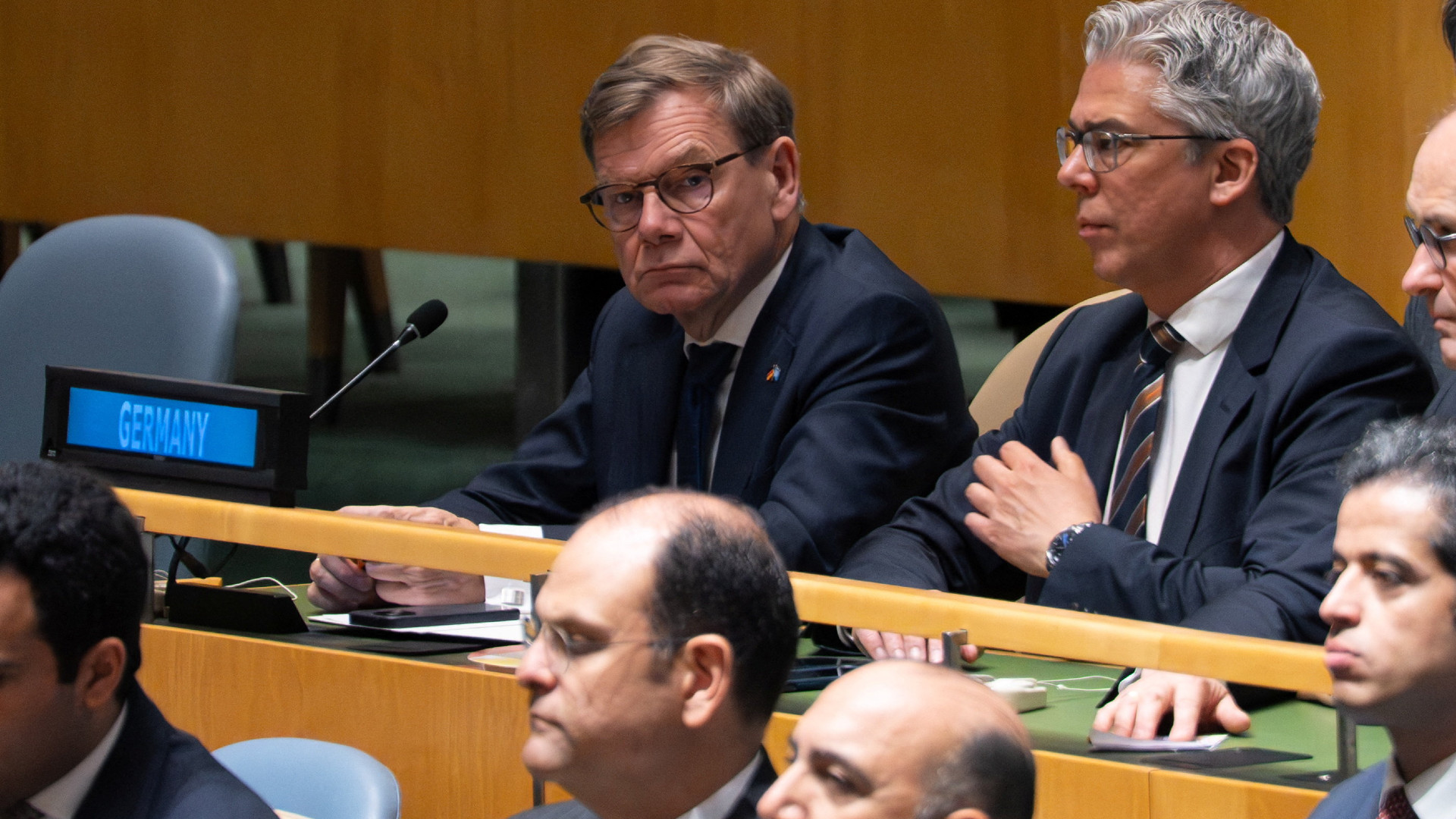
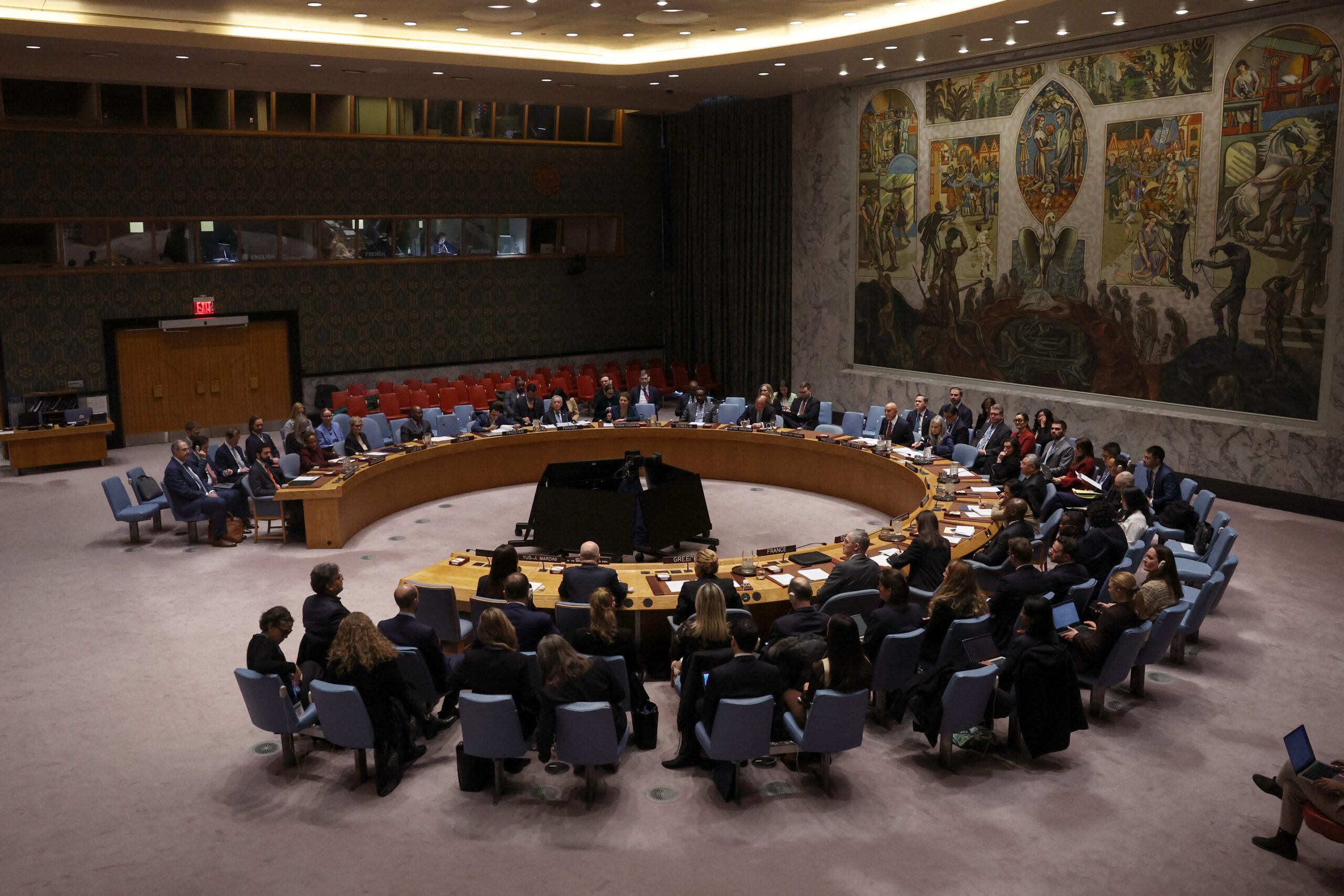
On June 3, the United Nations General Assembly (UNGA) elected five new non-permanent members to the U.N. Security Council (UNSC) for the 2027–2028 term. Seven countries (Austria, Germany, Kyrgyzstan, the Philippines, Portugal, Trinidad and Tobago, and Zimbabwe) contested the available seats, with only five candidates obtaining the required two-thirds majority.
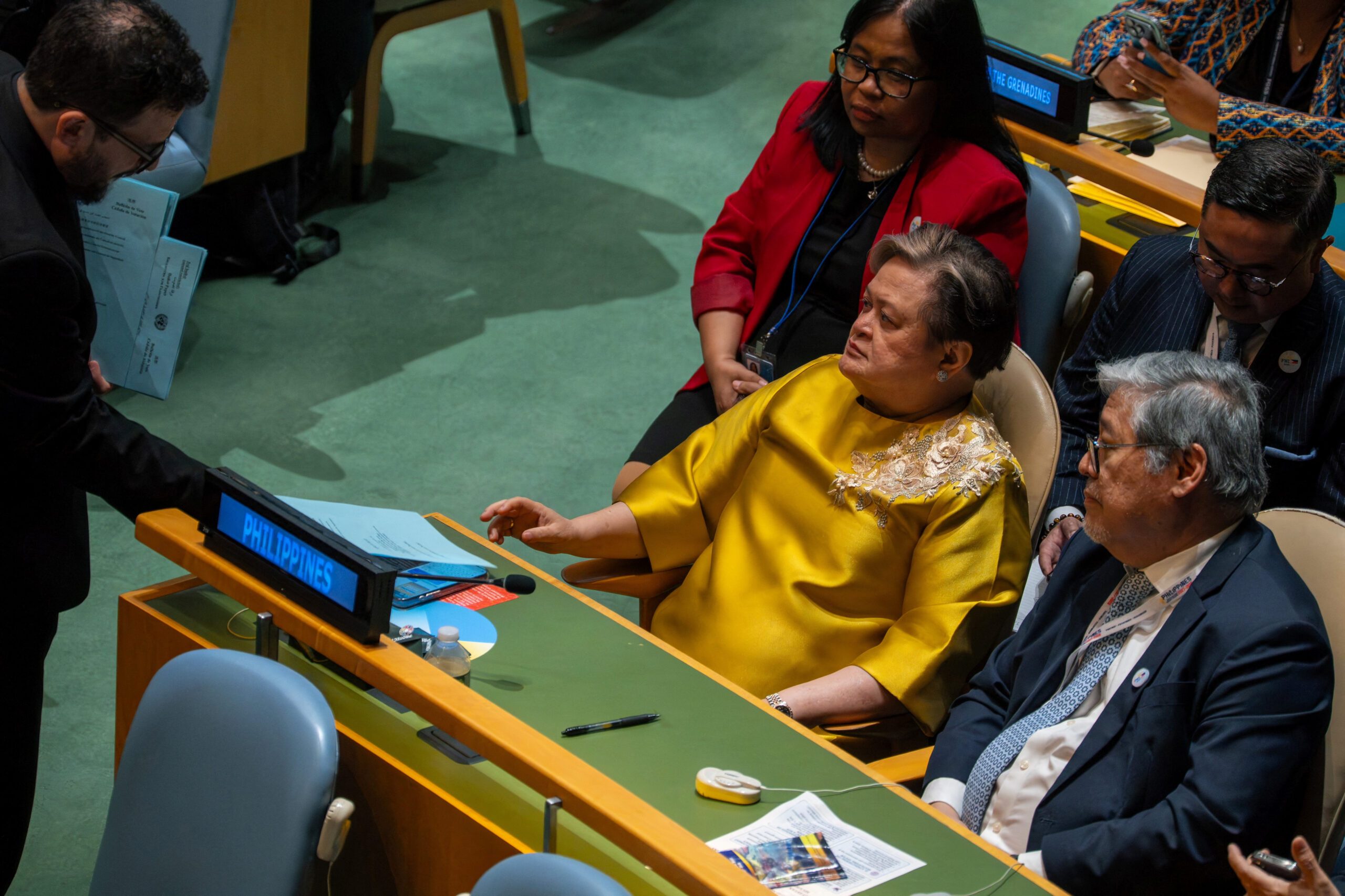
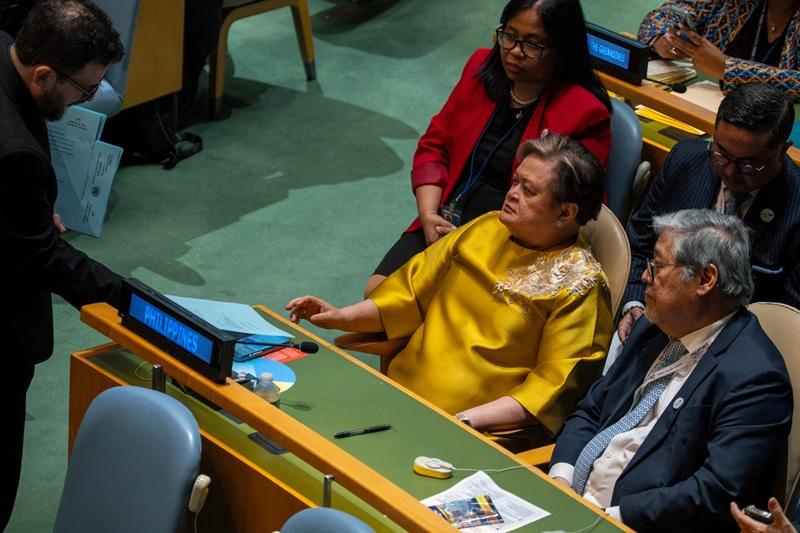
The most closely watched contest unfolded in the Asia-Pacific group, where the Philippines faced Kyrgyzstan for a single seat. In a four-round vote, Kyrgyzstan prevailed with 142 votes in the final ballot, comfortably surpassing the 129-vote threshold. The Philippines secured just 49 votes in the final tally. The result marks Kyrgyzstan’s first-ever term on the UNSC and only the second time a Central Asian state has held a seat.