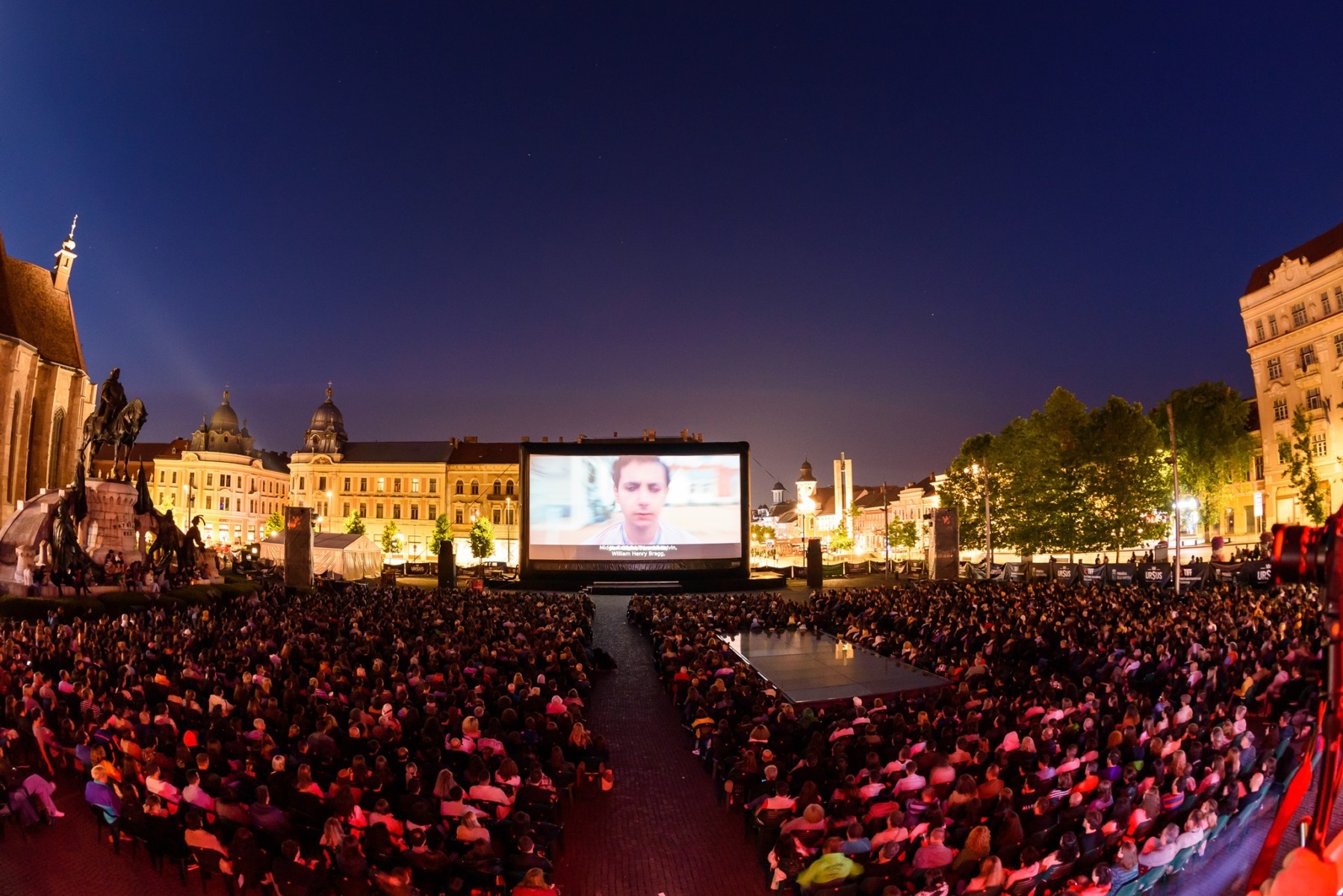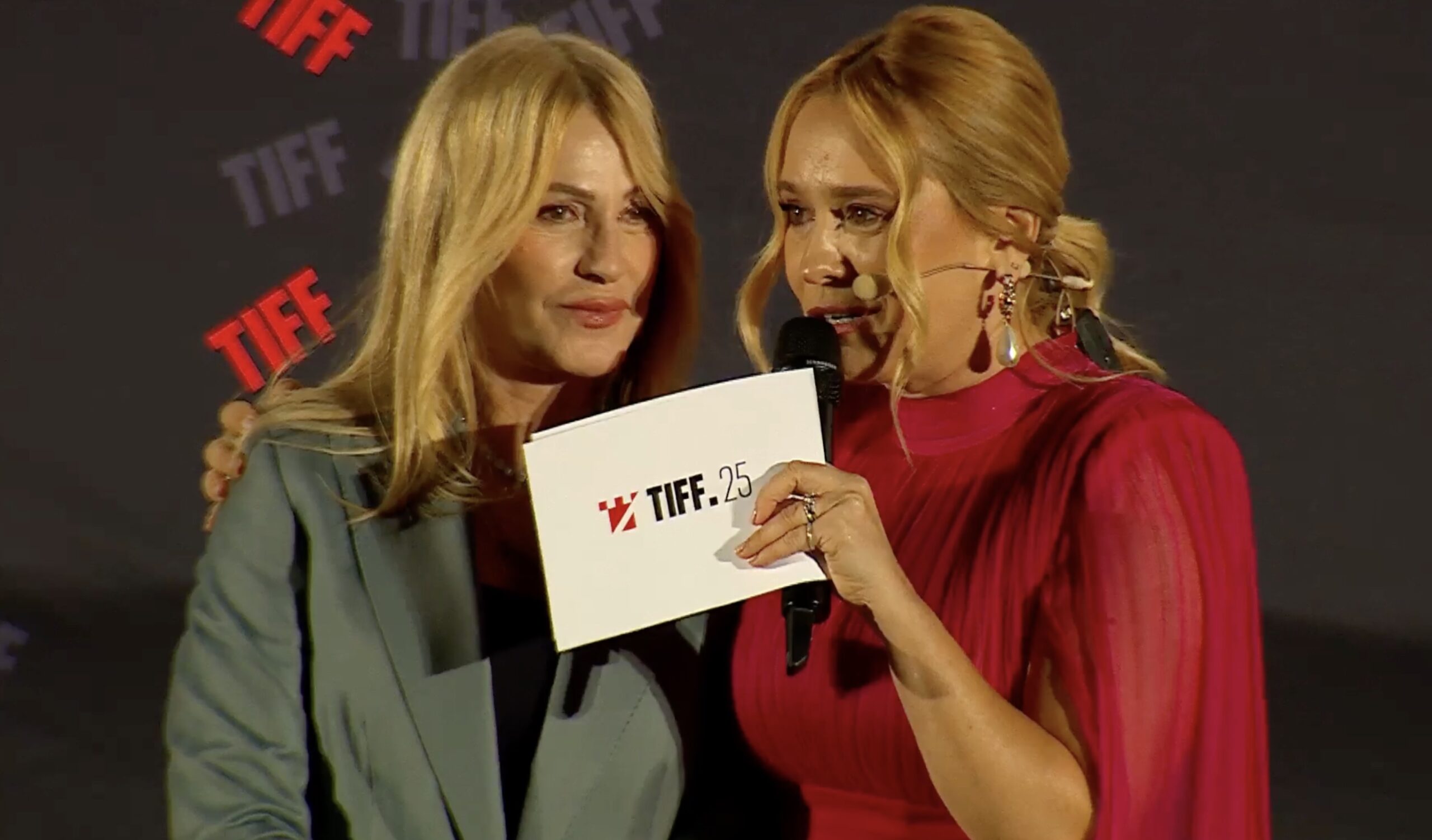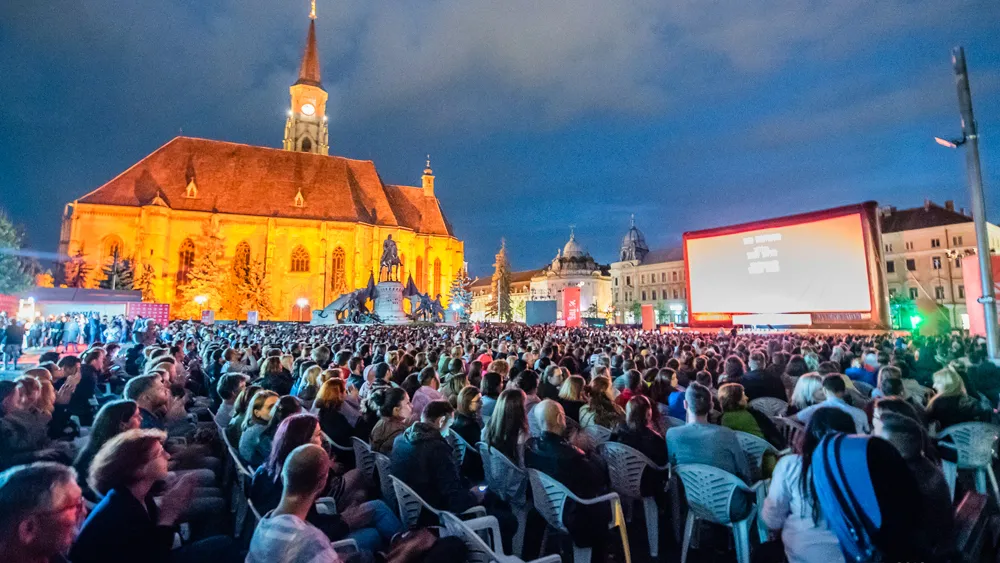
When Transilvania Intl. Film Festival founder Tudor Giurgiu began sketching the blueprint for the first edition 25 years ago, the then up-and-coming director knew he wanted the country’s first international film event to be more than just a showcase of new Romanian cinema.
“I was dreaming that we could not just screen our films but present our upcoming projects to decision-makers. To have industry here,” says Giurgiu, who was still several years away from making his directorial debut with the 2006 Berlinale premiere “Love Sick.” The prospects for Romanian filmmakers were, by his own admission, “shitty”; Giurgiu even considered emigrating in search of greener pastures.
Instead, he decided to confront the challenge of “how to offer better exposure to our films” while also introducing an event that could serve “as a launchpad for new [Romanian] projects.” Hardly two years later, TIFF launched its Romanian Days industry section, and it quickly became what Giurgiu describes as the “flagship initiative of the festival.”
In the years that followed, Romanian Days would grow alongside its burgeoning industry, which crashed the international stage in 2005, when Cristi Puiu’s black comedy “The Death of Mr. Lazarescu” won the Un Certain Regard Prize at the Cannes Film Festival, and became entrenched as a bona fide cinematic movement two years later when Cristian Mungiu’s “4 Months, 3 Weeks and 2 Days” won the director the first of his two Palmes d’Or.